

When your dog licking paws becomes a frequent behavior, it often signals an underlying health issue. You should pay close attention to this behavior. Common reasons for dog licking paws include allergies, injuries, or infections. Observing your dog’s paw licking can help you identify potential problems early. This awareness is crucial for maintaining your pet’s well-being.
Key Takeaways
Excessive paw licking in dogs often signals health issues like allergies, injuries, or infections. Monitor this behavior closely.
Identify potential allergies by observing your dog’s diet and environment. Common allergens include chicken, beef, and pollen.
If your dog licks its paws frequently, consult a veterinarian for proper diagnosis and treatment to prevent complications.
Dog Licking Paws: Allergies
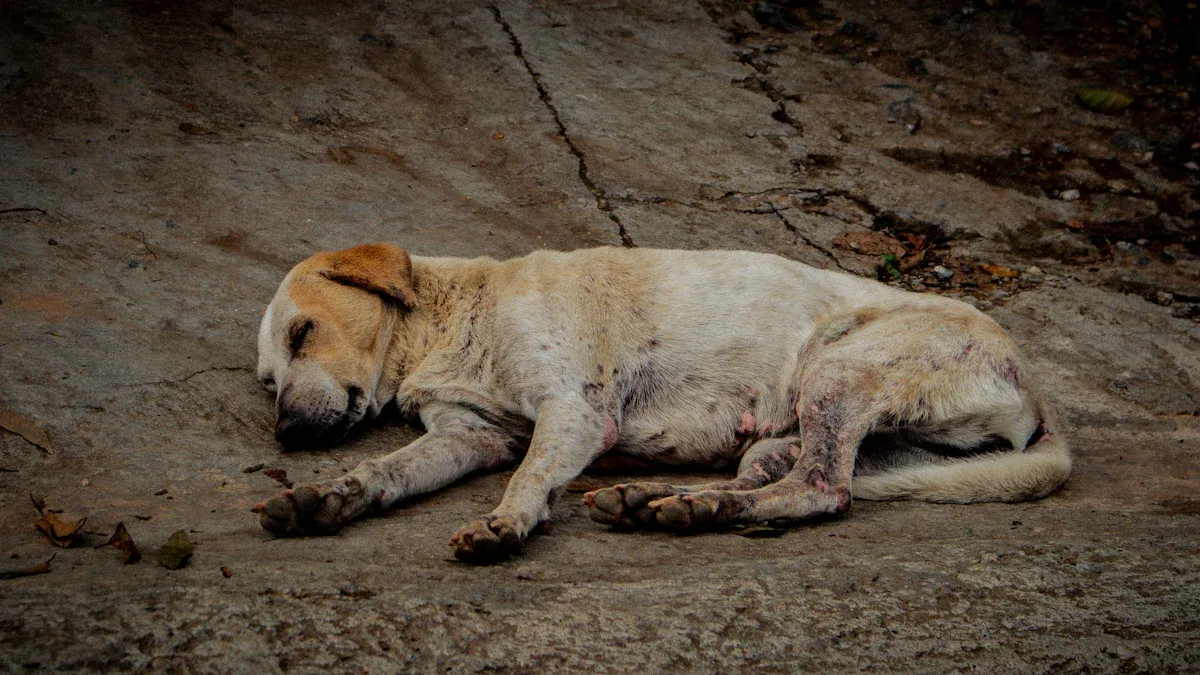
Allergies often cause dogs to lick their paws excessively. Understanding the types of allergies can help you identify the root cause of this behavior.
Food Allergies
Food allergies are common in dogs and can lead to persistent paw licking. Certain ingredients in dog food may trigger allergic reactions. Here are some prevalent food allergens:
Chicken: This common allergen can cause skin inflammation and persistent paw licking.
Beef: Many dogs react to beef, leading to constant paw licking and itchy skin.
Dairy Products: These can upset your dog’s digestive system and worsen skin inflammation.
Wheat and Other Grains: These may trigger immune reactions and worsen yeast infections on paws.
Eggs: Allergic reactions to eggs often result in paw licking and skin issues.
Clinical studies show that 72% of dog owners report paw licking as a dermatological sign associated with food allergies. If your dog licks its paws excessively, it may be trying to soothe the itchiness caused by these allergies.
Environmental Allergies
Environmental allergens can also lead to excessive paw licking. Common triggers include:
Pollen
Mold
Dust
Mites
You might notice your dog licking its paws more after outdoor activities. Signs of environmental allergies include itchy, inflamed skin and excessive paw licking. Seasonal allergies, such as those from tree and plant pollen, can also contribute to this behavior.
Recognizing the signs of allergic reactions is crucial. Look for:
Excessive paw licking, especially if focused on one paw or causing soreness
Scratching or biting other parts of the body
Red, inflamed skin
Ear infections
Sneezing, coughing, or wheezing
Gastrointestinal issues like vomiting or diarrhea
Unlike humans, dogs may not show typical allergy symptoms. Instead of sneezing, they might develop itchy and irritable skin, a condition known as allergic dermatitis.
To distinguish between normal grooming and paw licking due to allergies, consider these points:
Normal grooming involves occasional licking that can be easily interrupted.
Excessive licking, especially if it disrupts sleep, may indicate an underlying issue such as allergies.
Allergies can cause licking that may resemble anxiety-related behaviors.
If you suspect allergies are the cause of your dog’s paw licking, consult your veterinarian for guidance and potential treatment options.
Dog Licking Paws: Injuries
When you notice your dog licking its paws, it may indicate an injury. Dogs often lick their paws to soothe discomfort from cuts, scrapes, or joint pain. Understanding how to identify these injuries can help you take appropriate action.
Cuts and Scrapes
Minor injuries like cuts and scrapes can lead to excessive licking. Common causes of these injuries include:
Thorns
Burs
Pebbles
Snowball chunks
Cuts
Ingrown or broken nails
Dry, cracked paw pads
Paw pad burns from hot surfaces or winter chemicals
If your dog licks one specific paw more than others, it may have a cut or scrape. Look for signs such as:
Focused licking on a particular paw
Visible discomfort or flinching when you touch the area
Sudden changes in behavior, like reluctance to walk or play
If you suspect your dog has a minor injury, follow these first aid steps:
Control Bleeding or Cool the Burn: Apply gentle pressure with a clean cloth for 5-10 minutes for bleeding lacerations, or hold the paw under cool running water for 5 minutes for burns.
Clean With Room-Temperature Water: Rinse the injured paw with room-temperature water to remove dirt or chemicals, avoiding hydrogen peroxide or alcohol.
Apply a Non-Stick Bandage: Place a non-adherent pad over the wound, wrap it with gauze, and secure it with medical tape, ensuring it’s snug but not too tight.
Seek Professional Veterinary Advice: Contact your veterinarian for guidance, even for minor injuries, as they can be serious.
Joint Pain
Joint pain can also cause your dog to lick its paws. Older dogs suffering from osteoarthritis may lick the paw nearest to the painful joint. This behavior often accompanies other signs of pain, such as stiffness and reluctance to engage in physical activities.
When dogs experience joint or limb pain, they may lick their paws as a natural response. This behavior is particularly common in dogs with arthritis. They might lick their paws not because of pain in the paws themselves, but to alleviate discomfort from nearby joints.
If your dog suddenly starts licking one paw, consider the following possible causes of joint pain:
Arthritis or joint inflammation
Injury or trauma to the limb
Tendonitis or ligament injuries
Be aware of these behavioral signs that indicate your dog’s paw licking is due to injury rather than other causes:
Limping
Frequent and intense licking of paws
Sudden onset of licking one paw in particular
If you notice these signs, consult your veterinarian. They can help determine the underlying cause and recommend appropriate treatment.
Dog Licking Paws: Infections
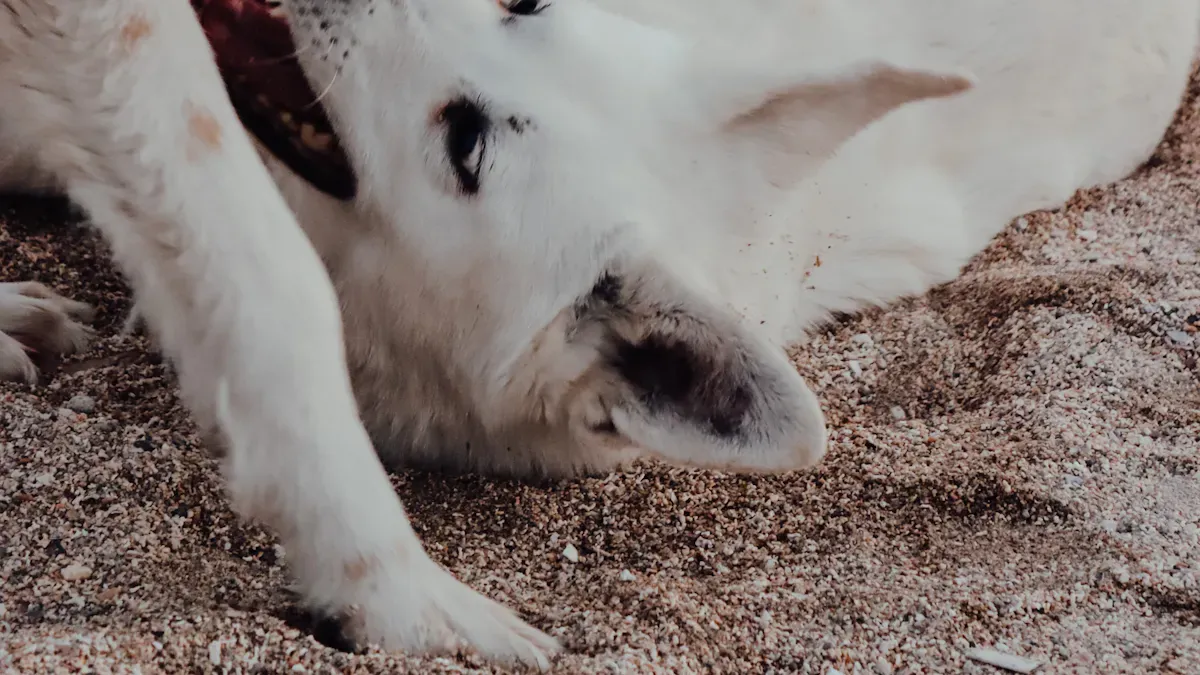
Infections can cause your dog to lick its paws excessively. Both fungal and bacterial infections can lead to irritation and discomfort. When your dog licks its paws, it may be trying to soothe the irritation caused by these infections.
Fungal Infections
Fungal infections, such as yeast infections, often occur in warm, moist areas like between paw pads. Paws frequently encounter dirt, grass, and water, which can lead to irritation. Allergies and cuts can weaken the skin barrier, allowing yeast to grow. Increased licking can further damage the skin, creating a cycle of irritation. Common types of fungal infections include:
Ringworm: This infection affects the skin, fur, and nails, often showing as circular patches of hair loss.
Yeast Dermatitis: This occurs in warm, moist areas, making dogs that frequently get their paws wet more susceptible.
Signs of a fungal infection include:
Redness and swelling between the toes
Itching and discomfort
Excessive licking of the paws
Bacterial Infections
Bacterial infections can also lead to excessive licking. These infections often present with symptoms such as:
Redness and swelling between the toes or on the paw pads
Hair loss in affected areas
Lesions, sores, or scabbing
Discharge or pus from between the toes
If you notice your dog licking its paws and showing signs like reluctance to walk or whining when you touch its paws, it may indicate a bacterial infection.
Always consult your veterinarian if you suspect an infection. They can provide the necessary treatment to help your dog recover.
Dog Licking Paws: Emotional Issues
Dogs often lick their paws due to emotional issues like anxiety and boredom. Understanding these triggers can help you address the behavior effectively.
Anxiety and Stress
Anxiety can manifest in various ways, including excessive paw licking. You might notice your dog licking during or right after stressful events. This behavior often occurs when your dog is resting quietly, not actively itchy. Signs of anxiety include:
Licking that appears habitual or repetitive
Minimal redness or inflammation early on
Coinciding behaviors like pacing, whining, or hiding
If your dog licks its paws more when left alone, it may indicate emotional support needs. This behavior can become a form of self-soothing, releasing endorphins that help your dog feel calm.
Boredom
Boredom can also lead to excessive paw licking. Dogs may lick or chew their paws as a way to engage themselves. This behavior can become habitual, potentially causing physical damage if not addressed. Signs of boredom include:
Licking as a chosen activity when lacking mental and physical engagement
Repetitive licking that may indicate a chronic obsession
To help reduce anxiety-related paw licking, consider these strategies:
Managing Stress and Anxiety: Identify stressors and create a calming environment.
Provide Physical and Mental Stimulation: Engage your dog with daily exercise and interactive toys.
Create a Calm Environment: Establish a quiet space with calming elements like white noise or pheromone diffusers.
Home Remedies: Use natural treatments like coconut oil for moisturizing and apple cider vinegar soaks to balance skin pH.
By addressing emotional issues, you can help your dog find healthier ways to cope and reduce paw licking.
Monitoring your dog’s paw licking behavior is essential for their health. Excessive licking can indicate allergies, injuries, or infections. If your dog licks their paws constantly, look for signs like redness or swelling. Consult a veterinarian if licking disrupts daily activities or persists for more than a few days. Early intervention can prevent complications and ensure your dog’s comfort.
FAQ
What should I do if my dog licks its paws excessively?
If your dog licks its paws a lot, observe for redness or swelling. Consult your veterinarian for proper diagnosis and treatment.
Can allergies cause my dog to lick its paws?
Yes, allergies can lead to itching and irritation, prompting your dog to lick its paws for relief.
How can I help my dog stop licking its paws?
Provide mental stimulation and regular exercise. Create a calm environment and consult your vet for persistent issues.
