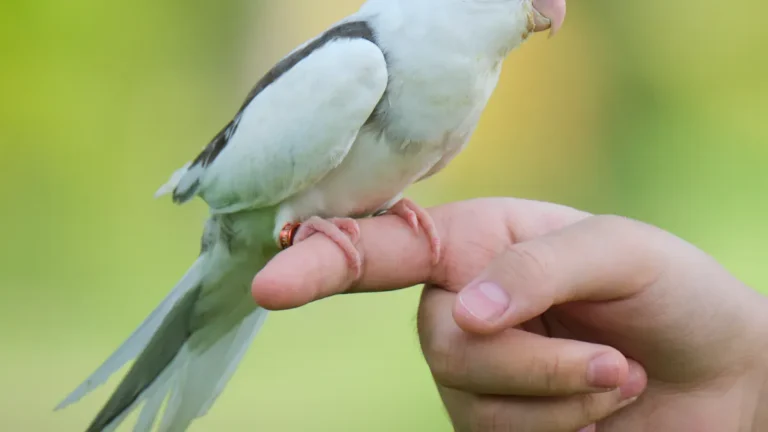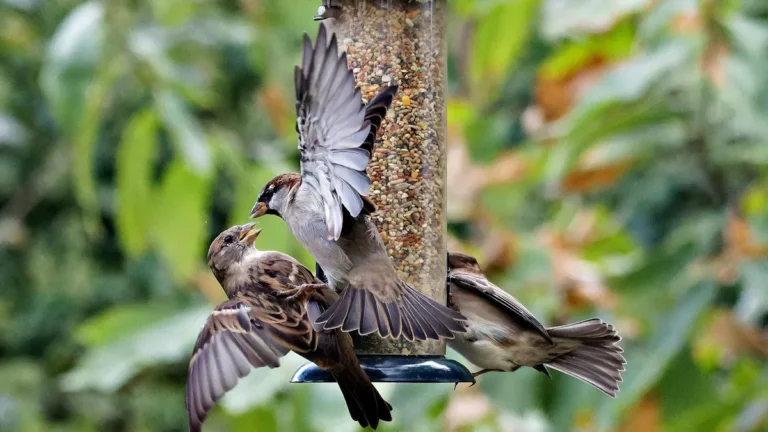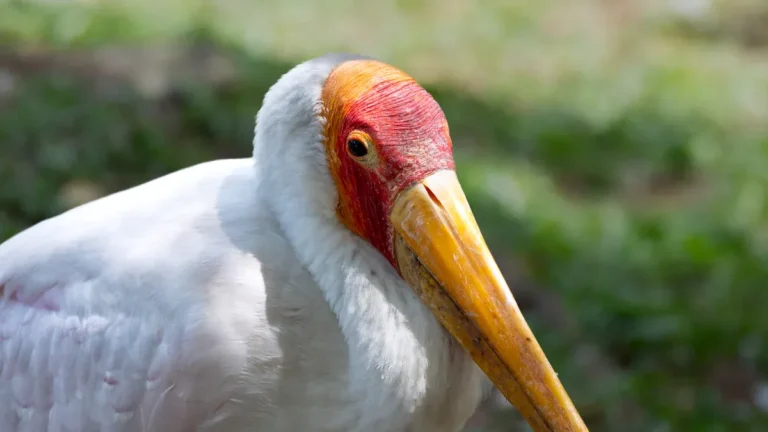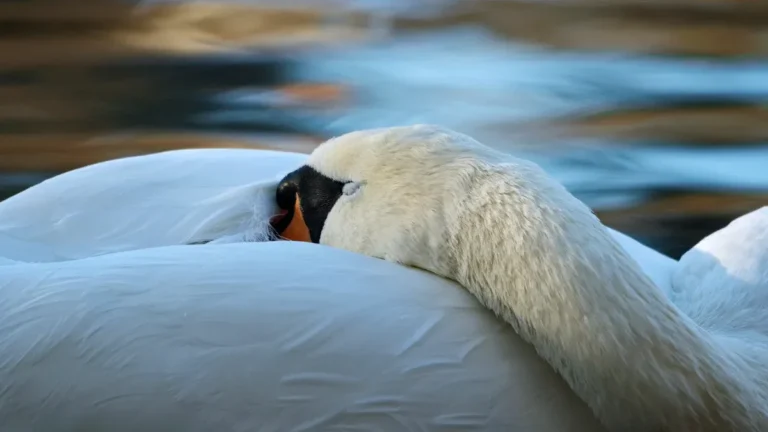

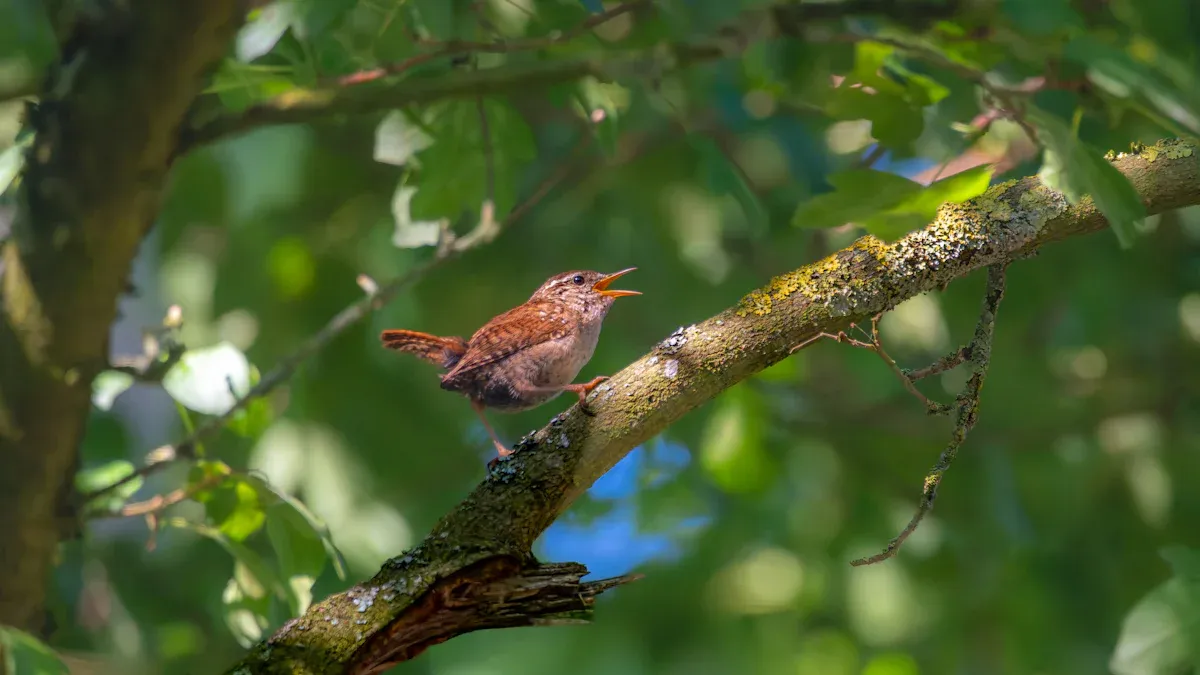
Bird Behavior Changes often reveal crucial information about their environment. You can learn a lot by observing how birds adapt to shifts in climate, food availability, and habitat conditions. For example, studies show that climate change leads to a decline in biodiversity, which directly affects bird populations. By paying attention to their migration patterns, feeding habits, and nesting behaviors, you can gain insights into the health of ecosystems around you. Consider taking note of what you see; your observations on Bird Behavior Changes can contribute to understanding these important trends.
Key Takeaways
Observe bird behavior changes to gain insights into environmental health. Your observations can reveal important trends in climate and habitat conditions.
Migration patterns are shifting due to climate change. Birds are arriving earlier and facing food availability mismatches, which can impact their survival.
Urban environments affect bird feeding habits. Birds adapt to human food sources, but this can lead to negative effects on their young.
Participate in citizen science projects like eBird. Your contributions help researchers track bird populations and understand environmental impacts.
Document your personal observations of bird behavior. This practice supports scientific research and conservation efforts, helping to protect bird species.
Bird Behavior Changes Overview
Observing bird behavior changes provides valuable insights into environmental health. You can learn a lot by paying attention to how birds adapt to their surroundings.
Migration Patterns
Migration patterns are among the most noticeable bird behavior changes. Many birds now arrive earlier in spring and breed sooner than they did in the past. This shift often results from climate change, which alters seasonal cues. For example, warmer temperatures can lead to mismatches in food availability for migratory birds.
Observation Type | Description |
|---|---|
Migration Timing | Birds are arriving earlier in spring and breeding sooner than in the past. |
Altered Migration Routes | Traditional pathways are threatened by climate change and human activities. |
Food Availability Mismatches | Changes in environmental conditions lead to mismatches in food availability for migratory birds. |
Feeding Habits
Feeding habits also reflect significant changes in bird behavior. Urban birds often adapt to human environments, leading to different food sources. For instance, urban red-winged starlings benefit from human food availability, but this can negatively affect their nestlings’ growth.
Urban Blue and Great Tits experience advanced laying dates but reduced brood sizes due to high anthropogenic food availability.
Common Blackbird nestlings in urban areas face higher starvation rates than those in woodland areas, indicating a lack of appropriate food items.
Nesting Behavior
Nesting behavior is another area where you can observe changes. Birds may choose new nesting sites or alter their nesting strategies in response to environmental pressures. Climate change can lead to earlier nesting seasons, which may not align with the peak food availability needed for raising young.
Implications of Bird Behavior Changes
Environmental Indicators
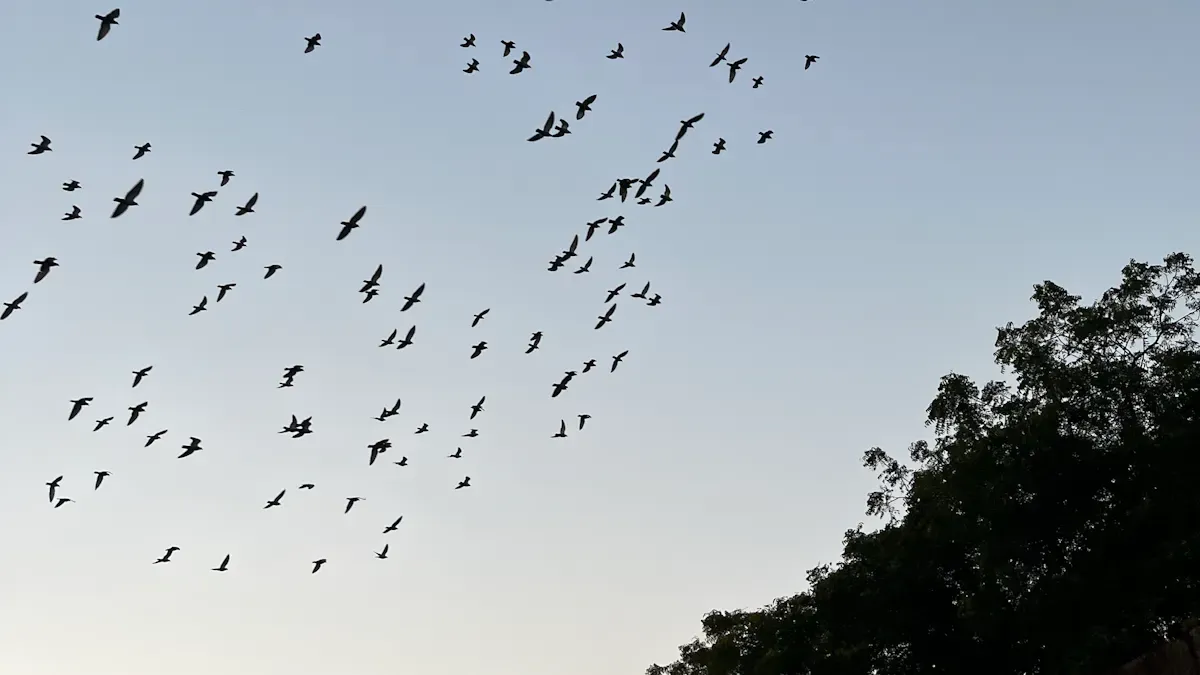
Bird behavior changes serve as important environmental indicators. When you notice shifts in bird behavior, you can often trace them back to changes in their surroundings. For example, studies show that pollution and habitat fragmentation can significantly impact bird populations. Research by Stickel (1973) highlights how pesticide residues affect birds and mammals. Other studies, like those by Tansy and Roth (1970), demonstrate how pigeons can indicate air quality through their behavior. These findings suggest that monitoring bird behavior can provide insights into environmental health.
Changes in bird behavior can signal:
Pollution levels
Habitat quality
Resource availability
Climate Change Signals
Bird behavior changes also reflect the impacts of climate change. Research indicates that shifts in breeding timing and reproductive success are closely linked to climate factors like temperature rise. For instance, birds that lay eggs earlier in response to warming springs face increased risks of chick mortality during extreme weather events. This connection highlights how climate change can disrupt the delicate balance of ecosystems.
Bird Species | Behavior Changes Due to Climate Change |
|---|---|
Great Egret and Great Blue Heron | High-abundance areas along the shoreline weaken, with hotspots reappearing along river mouths and higher-elevation marshes inland. |
Carolina Wren and Red-bellied Woodpecker | Show modest coastal retreat but maintain stable populations in interior upland areas, indicating resilience to habitat changes. |
American Crow and House Sparrow | Display minimal changes, with slight inland shifts, indicating stability despite coastal habitat loss. |
Ecosystem Health
Birds play a crucial role in maintaining healthy ecosystems. They help control insect populations, which is vital for forest health. Studies show that birds significantly reduce insect densities, especially during summer. This relationship indicates that monitoring bird populations can provide insights into the overall health of ecosystems. When bird behavior changes, it often reflects broader ecological shifts. For example, a global study found that bird communities have shifted toward smaller-bodied species over the past 80 years. This trend suggests a loss of larger birds, indicating significant ecological changes.
Observing Bird Behavior Changes
Tools for Bird Watching
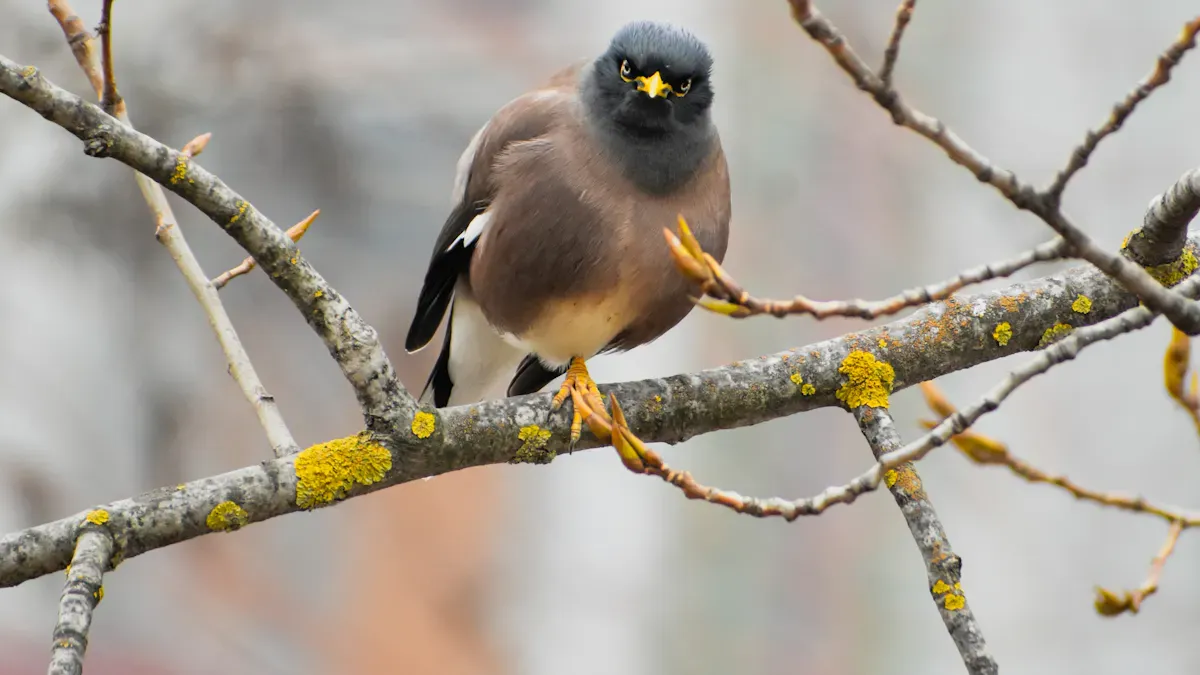
You can enhance your bird watching experience with various tools designed for observing and recording bird behavior changes. Here are some effective methods:
Use smartphone apps for real-time observation and data collection. Apps like eBird allow you to log your sightings and contribute to a larger database.
Implement video recording to capture bird behavior throughout the day. This method helps you analyze their actions and interactions in detail.
Utilize automated sound recording systems to monitor vocalizations and body language. These systems can capture subtle changes in bird communication.
Maintain structured observation schedules to ensure consistent data collection. Regular observations help you notice patterns in bird behavior over time.
Citizen Science Contributions
Citizen science projects have transformed how researchers collect data on bird behavior. Initiatives like eBird allow bird watchers to contribute their observations, creating a comprehensive database. This collective effort enables scientists to analyze trends in bird populations, migration, and environmental impacts.
For example, during the 2024 solar eclipse, the SolarBird app engaged the public in observing birds. Users documented behaviors such as singing and eating before, during, and after the eclipse. This innovative approach gathered extensive data while involving the community in scientific research.
Research shows that citizen science data can be as reliable as professional data. Studies indicate that citizen scientists effectively monitor species in urban environments. They provide valuable insights into bird distributions and health-related behavior, which can guide conservation efforts.
Personal Observations
Your personal observations of bird behavior can significantly contribute to scientific understanding and conservation efforts. By documenting what you see, you help researchers track changes in bird populations and migration patterns.
Here are some best practices for observing and reporting bird behavior changes:
Best Practice | Description |
|---|---|
Checklist Integrity | Ensure each checklist represents observations from individuals close enough to see the same birds. |
Date Specificity | Each checklist should correspond to a single calendar date. |
Location Specificity | Checklists must correspond to a single map location. |
Observation Type | Include an observation type or ‘protocol’ that best describes your activity. |
Inclusion of Birds | Report all birds you hear or see, as long as you can confidently identify them. |
Bird Counts | Count birds accurately, using ‘X’ for species identified but not counted. |
By following these practices, you can help create a robust dataset that researchers can use to understand bird behavior better. Your observations can lead to identifying key stopover sites for migratory birds, which is crucial for targeted conservation efforts.
Monitoring bird behavior not only enriches your experience but also contributes to the broader understanding of avian species and their ecosystems.
Understanding bird behavior changes is vital for recognizing shifts in our environment. These changes often indicate broader ecological issues, such as climate change and habitat degradation. By observing birds, you can gain insights into the health of ecosystems.
Bird behavior, especially migration patterns, is influenced by climate change and human activities.
Different bird populations face varying risks, highlighting the need for tailored conservation strategies.
Urbanization increases stress on migratory birds, affecting their survival.
Your observations can contribute to public awareness and conservation efforts. Monitoring bird populations helps track ecological shifts and encourages investment in ecosystem health. Together, we can make a difference for our feathered friends and the environment.
FAQ
What are some common signs of bird behavior changes?
You might notice changes in migration timing, feeding habits, or nesting locations. These shifts often indicate environmental changes, such as climate change or habitat loss.
How can I participate in citizen science for bird observation?
You can join platforms like eBird to log your sightings. Your contributions help researchers track bird populations and understand environmental impacts.
Why are birds important indicators of ecosystem health?
Birds play vital roles in controlling insect populations and pollinating plants. Their behavior changes often reflect broader ecological shifts, signaling potential environmental issues.
How can I improve my bird watching skills?
Use apps for identification, maintain a field journal, and observe regularly. Consistent practice helps you recognize patterns in bird behavior and enhances your overall experience.
What should I do if I notice unusual bird behavior?
Document your observations and report them to local wildlife organizations. Your findings can help researchers understand potential environmental threats and contribute to conservation efforts.