
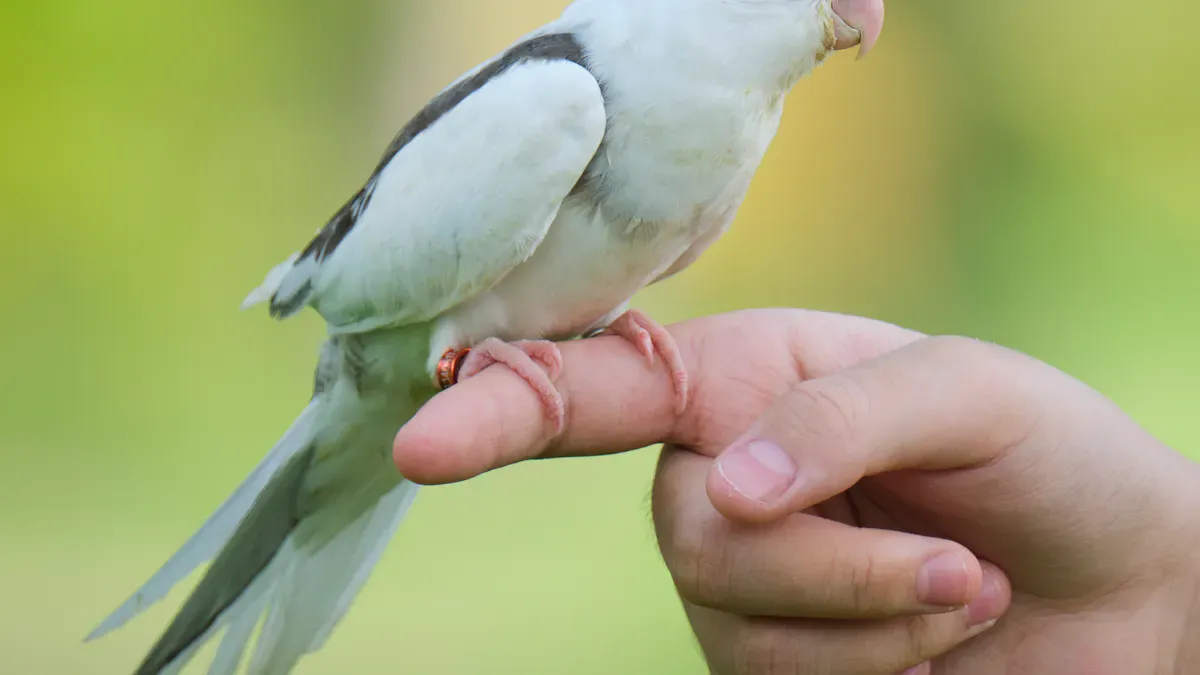
Seeing your pet bird not eating can be incredibly distressing. You might worry about their health and well-being. Understanding why your bird refuses food is crucial. A lack of appetite can signal serious issues. For instance, anorexia often leads to lethargy, which could indicate underlying medical problems like infections or organ failures. Birds tend to hide their illnesses, so by the time you notice they’re not eating, they could be in a critical state. Staying observant and proactive is key to keeping your feathered friend healthy.
Key Takeaways
Monitor your bird closely for signs of health issues, such as weight loss or changes in droppings.
Act quickly if your bird refuses to eat for more than a day; consult a veterinarian to prevent serious health problems.
Create a comfortable environment with familiar foods and mental stimulation to reduce stress and encourage eating.
Incorporate fresh fruits and vegetables into your bird’s diet to enhance nutrition and stimulate interest in food.
Recognize serious symptoms like severe weight loss or difficulty breathing, and seek veterinary help immediately.
Causes of Not Eating
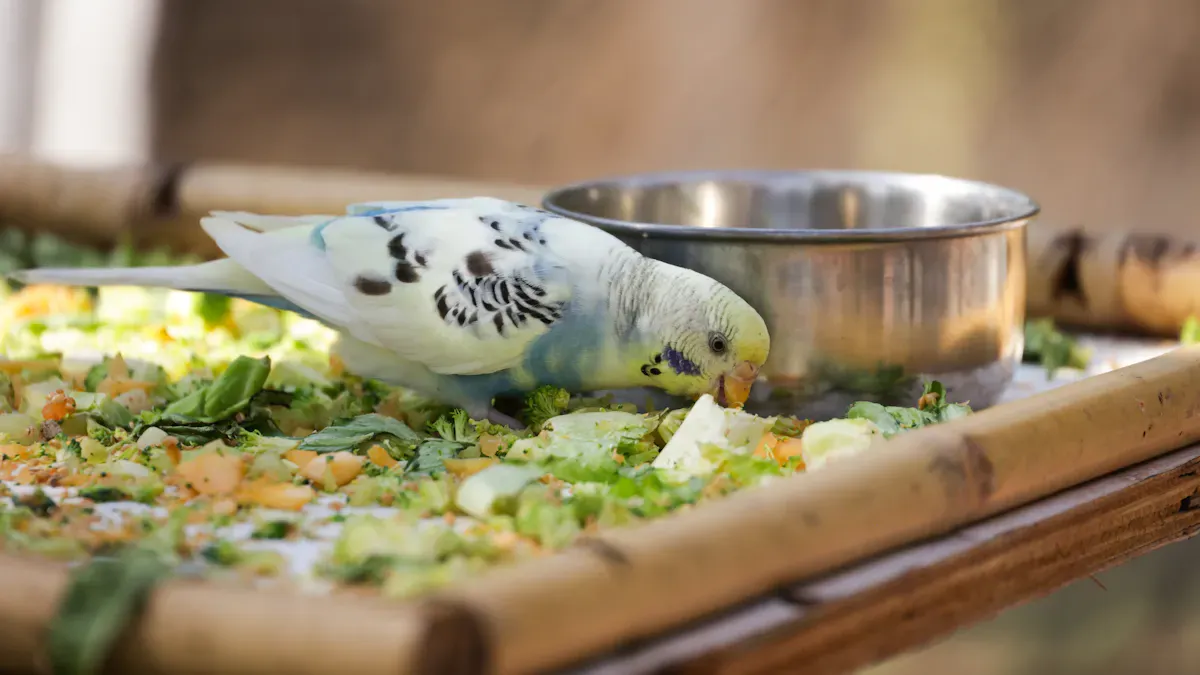
When your pet bird stops eating, it can stem from various causes. Understanding these reasons can help you take the right steps to encourage your feathered friend to eat again.
Health Issues
Health problems are often the primary reason for a pet bird not eating. Birds can be quite good at hiding their illnesses, so you might not notice anything until they stop eating. Here are some common health issues that can lead to a loss of appetite:
Health Issue | Symptoms |
|---|---|
Obesity | Lameness, respiratory issues, and increased risk of arthritis, fatty liver disease, and cardiac disease. |
Vitamin A Deficiency | Nasal discharge, sneezing, swelling, conjunctivitis, dyspnea, poor feather quality, and anorexia. |
Calcium, Phosphorus, and Vitamin D Imbalance | Weakness, ataxia, tremors, depression, seizures, and pathologic fractures. |
Iron Storage Disease | Anorexia, weight loss, depression, distended abdomen, dyspnea, and biliverdinuria. |
If you notice any of these symptoms, it’s crucial to consult a veterinarian as soon as possible.
Stress Factors
Stress can significantly impact your bird’s eating habits. Birds are sensitive creatures, and various stressors can lead to a refusal to eat. Here are some common stress factors to consider:
Poor Diet: Nutritional imbalances can lead to stress.
Sudden Changes in Environment: Moving or rearranging can unsettle birds.
Lack of Mental Stimulation: Monotonous environments can cause boredom-induced stress.
Chronic stress can lead to decreased eating and weight loss. Make sure your bird has a balanced diet and a stimulating environment to promote their well-being.
Environmental Concerns
The environment plays a vital role in your bird’s appetite. Factors like temperature and cage cleanliness can affect their willingness to eat. For instance, clean water is crucial for birds. It helps regulate their body temperature and aids in food processing. Without access to clean water, birds may suffer from dehydration and digestive issues, leading to a refusal to eat.
Additionally, if you’ve recently relocated or made significant changes in your household, your bird might feel anxious. Birds are sensitive to environmental changes, which can result in behavioral issues. Pay close attention to any changes in behavior, such as loss of appetite, during these transitions.
By understanding these causes, you can better support your pet bird and encourage them to eat again.
Signs of a Pet Bird Not Eating
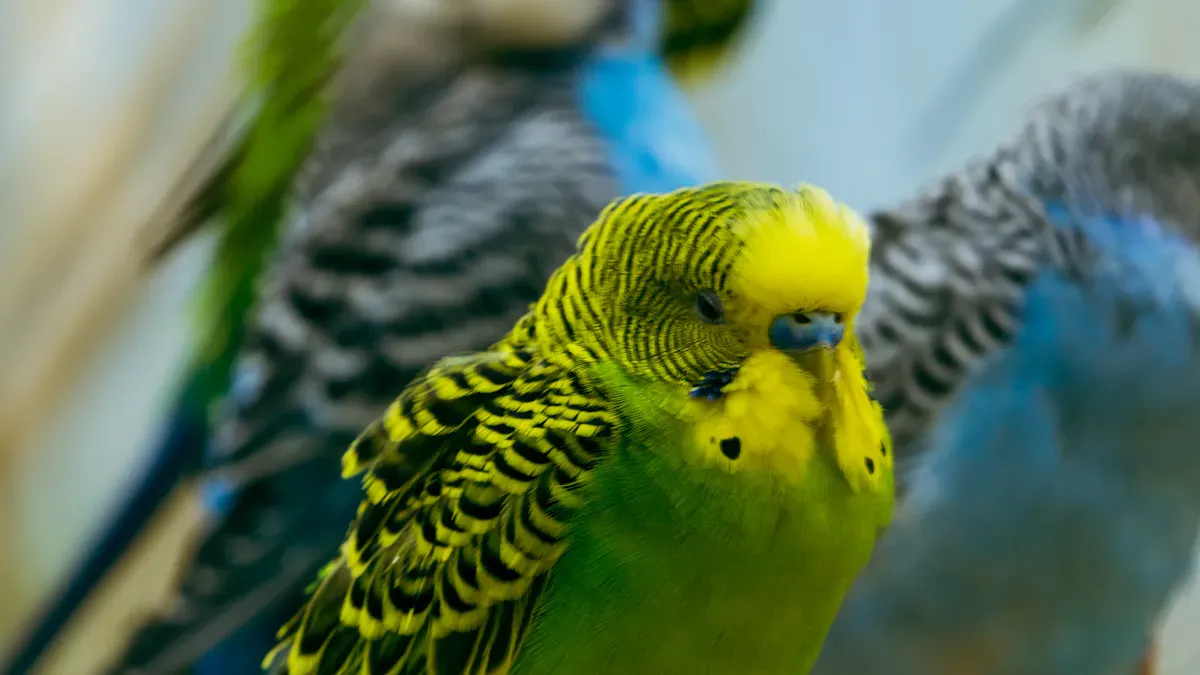
When your pet bird stops eating, you might notice some physical symptoms and behavioral changes that can help you identify the issue. Recognizing these signs early can make a significant difference in your bird’s health.
Physical Symptoms
Physical symptoms can be the first indicators that something is wrong with your bird. Keep an eye out for the following signs:
Weight Loss: If your bird is losing weight, it’s a clear sign that they’re not eating enough.
Fluffed Feathers: Birds often fluff their feathers when they feel unwell. This can indicate they are trying to conserve body heat or are feeling lethargic.
Changes in Droppings: Pay attention to your bird’s droppings. If they appear watery or discolored, it could signal digestive issues.
Lethargy: If your bird seems less active than usual, this could be a sign of illness or stress.
These physical symptoms can help you determine if your pet bird is not eating due to health issues or environmental stressors.
Behavioral Changes
Behavioral changes can also provide insight into why your bird is not eating. Here are some common signs to watch for:
Aggression: You might notice your bird tossing food out of the bowl or squawking when offered unwanted foods. This behavior can indicate frustration or discomfort.
Increased Agitation: If your bird seems restless or agitated, especially when hungry, it may be a sign that they are feeling unwell.
Withdrawal: A bird that isolates itself or avoids interaction may be experiencing stress or illness.
Refusal to Eat: If your bird consistently refuses food, it could be due to illness, injury, or stress from environmental changes.
These behavioral changes often link to appetite loss. For instance, if your bird has a yeast infection, you might see lethargy and weight loss alongside their refusal to eat. Birds typically exhibit changes in behavior when they are unwell, so staying observant is crucial.
By recognizing these signs, you can take proactive steps to address your pet bird’s needs. If you notice any concerning symptoms, don’t hesitate to consult a veterinarian for guidance.
Immediate Actions to Take
When you notice your pet bird not eating, taking immediate action is crucial. Here’s how to assess the situation and encourage your feathered friend to eat again.
Assessing the Situation
Start by evaluating your bird’s environment and health. Here are some steps to consider:
Ensure the temperature and humidity levels are appropriate. Birds need a comfortable environment to support digestion and appetite.
Offer familiar foods in a stress-free area. This can help reduce anxiety and encourage your bird to eat.
Consider using commercial feeding aids designed for your bird’s species. These can provide essential nutrients and stimulate interest in food.
If you’re unsure, consult a veterinarian experienced with exotic animals. They can give tailored advice based on your bird’s specific needs.
Taking these steps can help you identify any underlying issues that may be affecting your bird’s appetite.
Offering Fresh Foods
Incorporating fresh foods into your bird’s diet can significantly encourage them to eat again. Fresh fruits and vegetables should make up about 20%-40% of their diet. Here are some effective options:
Fresh vegetables like carrots and spinach
Fresh fruits such as oranges and berries
Grains and legumes
Birds are naturally attracted to vibrant colors and sweet flavors. Offering a variety of fresh produce not only enhances their nutritional intake but also encourages foraging behavior, which is vital for their mental stimulation. You can serve these foods in different forms, like chopped or grated, to keep your bird interested.
Additionally, fruits with high water content, like watermelon, can be offered in moderation. This variety can help prevent malnutrition and make mealtime more appealing.
By assessing the situation and providing fresh foods, you can help your pet bird regain its appetite and overall health.
Dietary Recommendations for Birds
Feeding your pet bird a balanced diet is essential for their health and happiness. A well-rounded diet helps support feather production, skin health, and overall well-being. Here are some key components to include in your bird’s diet:
Balanced Diet Essentials
A balanced diet for pet birds includes a variety of foods to ensure they get all the nutrients they need. Here’s what you should focus on:
Pellets: These should form the base of your bird’s diet. They provide essential vitamins and minerals.
Fresh Fruits: Offer fruits like papayas, bananas, mangoes, and apples. These are not only tasty but also packed with nutrients.
Fresh Vegetables: Include leafy greens like kale and spinach, along with zucchini, broccoli, and carrots. These veggies are great for hydration and nutrition.
Limited Seeds and Nuts: While birds love seeds and nuts, they should only make up a small part of their diet due to high fat content.
Nutritional Supplements: Consider adding Omega fatty acids, vitamins, and minerals to support your bird’s health.
A varied diet is crucial for your bird’s feather production and overall happiness. If your bird is not eating well, it might be due to nutritional deficiencies. For example, a lack of vitamin A can lead to symptoms like anorexia and poor feather quality.
Safe Foods to Offer
When your bird is experiencing appetite loss, offering safe and appealing foods can help entice them to eat. Here are some great options:
Organic Baby Food: This is rich in protein and nutrients, making it a good choice for picky eaters.
Rice Cereal: Mix it with pureed vegetables or juice for added flavor and nutrition.
Ground Pellets: Combine these with fruit juice to create a hydrating and nutritious meal.
Easily Digestible Fruits: Apples, bananas, and grapes are excellent choices that most birds enjoy.
Be cautious about what you feed your bird. Some foods can be harmful. For instance, avocado is toxic to birds and can cause severe health issues, including appetite loss. Always ensure that the food you offer is fresh and safe to prevent any health complications.
By focusing on a balanced diet and offering safe foods, you can help your pet bird regain its appetite and thrive. Remember, the best pet bird foods are those that provide a mix of nutrients and flavors to keep your feathered friend happy and healthy.
When to Seek Veterinary Help
If your pet bird continues to refuse food, it’s time to consider seeking veterinary help. Recognizing serious symptoms can make a big difference in your bird’s health.
Recognizing Serious Symptoms
Look out for these warning signs that indicate your bird needs immediate attention:
Severe Weight Loss: If your bird loses more than 10% of its body weight, it’s a red flag.
Persistent Fluffed Feathers: This can indicate that your bird is trying to conserve heat due to illness.
Abnormal Droppings: Watery or discolored droppings can signal digestive issues.
Difficulty Breathing: If your bird shows signs of labored breathing, don’t wait to act.
Unresponsiveness: If your bird seems lethargic or unresponsive, it’s crucial to seek help right away.
These symptoms can indicate serious health issues that require prompt veterinary care.
Preparing for the Vet Visit
Before heading to the vet, gather important information to help your veterinarian understand your bird’s condition. Here’s what you should prepare:
Observe Behavior: Take note of any unusual behaviors or signs of illness.
Check Droppings: Bring a sample of your bird’s droppings to show the vet.
Assess Body Condition: Evaluate your bird’s weight and overall appearance.
Emergency Care: Be ready to provide any necessary emergency care during transport.
Hospital Cage: Set up a comfortable cage for your bird at home to help with recovery.
By preparing this information, you can help your veterinarian diagnose and treat your bird more effectively. Remember, acting quickly can save your pet’s life!
Seeing your pet bird not eating can be alarming, but you can take steps to help them. Remember to monitor their behavior closely. Here are some key points to keep in mind:
Watch for signs: Look for changes in droppings, weight, and activity levels.
Act quickly: If you notice unusual behavior, consult a veterinarian right away.
Create a comfortable environment: Use foraging toys and calming sounds to reduce anxiety.
By staying observant and proactive, you can support your feathered friend’s health and happiness. Don’t hesitate to seek help if needed!
FAQ
What should I do if my bird refuses to eat for more than a day?
If your bird hasn’t eaten for over a day, consult a veterinarian immediately. Prolonged refusal to eat can lead to serious health issues.
Can stress really cause my bird to stop eating?
Yes, stress can significantly affect your bird’s appetite. Changes in environment, routine, or diet can lead to anxiety and a refusal to eat.
How can I tell if my bird is sick?
Look for signs like weight loss, fluffed feathers, lethargy, or abnormal droppings. Any of these symptoms may indicate illness, and you should seek veterinary advice.
Are there specific foods that can help entice my bird to eat?
Yes! Fresh fruits and vegetables, like apples and carrots, can attract your bird. Offering a variety of textures and colors can also stimulate their interest in food.
How often should I feed my pet bird?
Feed your bird daily, providing fresh food and clean water. Adjust portions based on their species, age, and activity level to ensure they get the right nutrition.