


Good behavior in dogs makes life more enjoyable for you and your furry friend. However, many dog owners face challenges like excessive barking, jumping on guests, or chewing furniture. These issues can create stress for both you and your dog. To address these concerns, consider implementing some effective dog training tips that can significantly improve these behaviors, leading to a happier dog and a more harmonious home. Remember, training not only enhances your dog’s communication skills but also strengthens your bond, making every moment together more rewarding.
Consistency in Commands
Clear Language
When you train your dog, using the same commands consistently is key. Dogs thrive on predictability, and clear language helps them understand what you expect. Imagine trying to learn a new word if someone pronounced it differently every time. Confusion would set in, right? The same goes for your dog. If you say “sit” one day and “down” the next, your dog might not know what you mean. This inconsistency can lead to misunderstandings, making your dog seem stubborn when, in fact, they just need clearer guidance.
To establish clear commands, stick to simple verbal commands. Use words like “sit,” “stay,” and “come” consistently. This way, your dog learns to associate these commands with specific actions. For example, when you consistently say “sit” before letting your dog outside, they start to understand that sitting leads to a reward. Over time, they may even sit by the door on their own, knowing that this behavior gets them what they want.
Reinforce with Repetition
Repetition is another essential part of training. Dogs learn through practice, and repeating commands helps reinforce their understanding. When you consistently use the same commands and reward your dog for following them, you build a strong foundation for good behavior.
Animal behaviorists emphasize that predictable routines help dogs grasp what is expected of them. This predictability fosters trust and confidence. When your dog knows what to expect, they feel more secure, which minimizes frustration and conflict. So, keep practicing those commands daily. With time and patience, your dog will respond reliably, making your training sessions more enjoyable.
Remember, consistency in commands is not just about the words you use; it’s about creating a clear and predictable environment for your dog. This approach will lead to better behavior and a stronger bond between you and your furry friend.
Positive Reinforcement Techniques
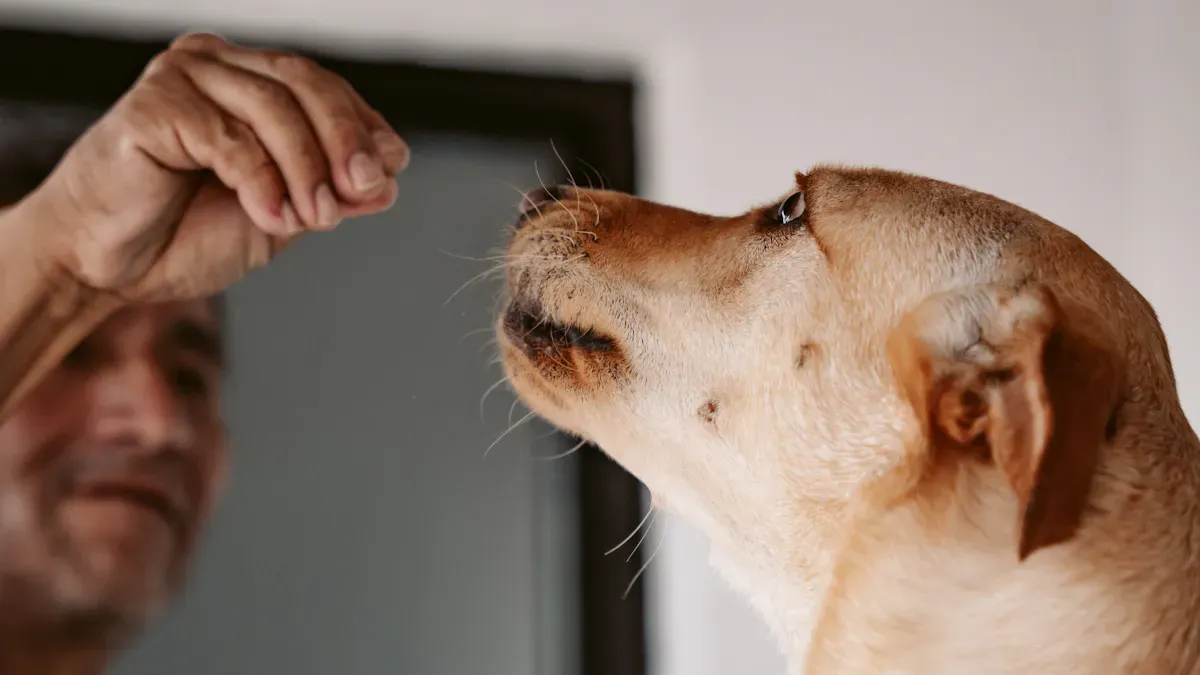
Reward Good Behavior
Using rewards is one of the most effective positive reinforcement techniques in dog training. When you reward good behavior, you encourage your dog to repeat those actions. This method creates a positive association with the behavior you want to see. For example, if your dog sits when you ask, giving them a treat or praise reinforces that action. Over time, your dog will learn that sitting leads to rewards, making them more likely to do it again.
Research shows that about 80% of dogs improve their behavior when trained using positive reinforcement methods. This approach not only helps your dog learn but also strengthens your bond. You’ll find that your dog becomes more responsive and eager to please when they know good things come from their actions.
Use Treats and Praise
Finding the right motivators for your dog is crucial. Different dogs respond to different types of rewards. Here are some effective options:
Food Rewards: Small treats work wonders, especially during training sessions. Save larger treats for significant breakthroughs.
Play: Activities like fetch or tug-of-war can be just as motivating as food for many dogs.
Affection: Belly rubs and petting can be rewarding, depending on your dog’s preferences.
Praise: Verbal praise can vary in effectiveness. Some dogs thrive on it, while others may not notice it.
Life Rewards: Opportunities to explore or engage with their environment can be more motivating than food.
Using a combination of these rewards can keep your dog engaged and excited about training. Dr. Meghan Herron’s research highlights that positive reinforcement leads to better behavior without the risks associated with negative methods, such as increased aggression.
Incorporating these positive reinforcement techniques into your training routine will help you achieve lasting results. Your dog will not only learn commands faster but will also enjoy the process, making training a fun experience for both of you.
Socialization for Dogs
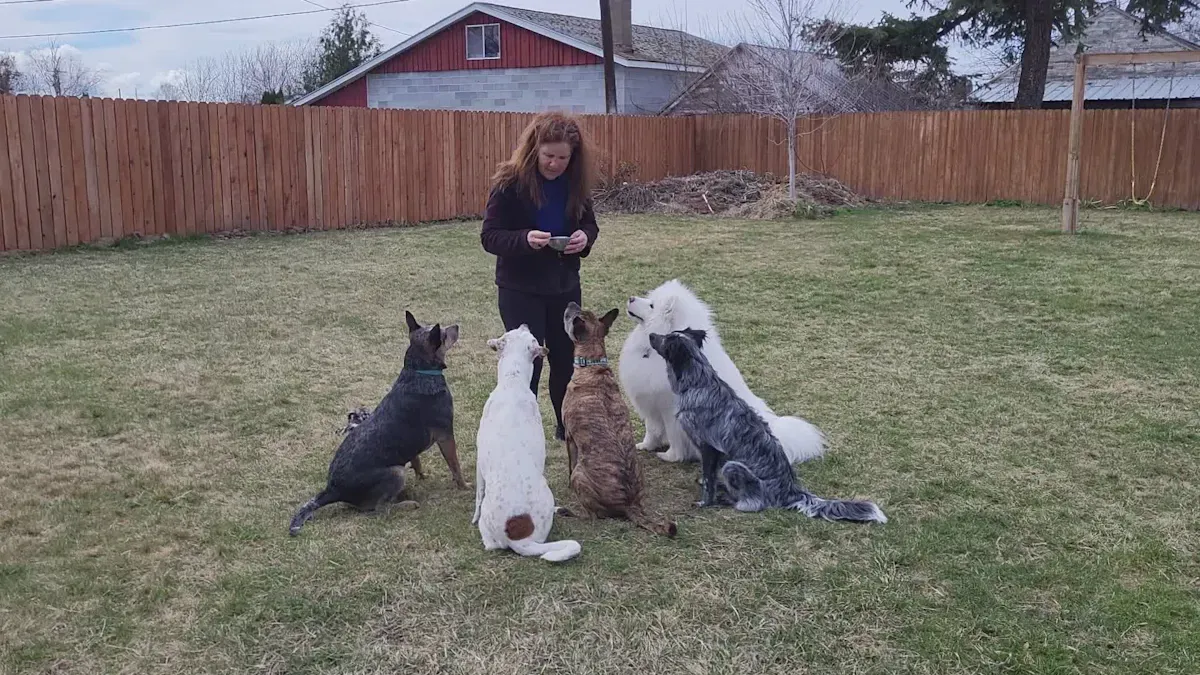
Introduce to Other Dogs
Socializing your dog with other dogs is crucial for their development. When you introduce your furry friend to different dogs, you help them learn how to interact appropriately. This experience can reduce fear and aggression later in life. Studies show that dogs who socialize early tend to be more confident and friendly.
Here are some benefits of early socialization:
Behavioral Benefit | Description |
|---|---|
Reduced Fear | Early socialization is linked to lower levels of fear in adult dogs. |
Decreased Aggression | Socialized dogs show less aggressive behavior compared to those that are not socialized. |
Enhanced Sociability | Dogs that are exposed to various experiences and interactions are more sociable. |
Positive Owner Relationship | Proper socialization fosters a better bond between dogs and their owners. |
Expose to Different Environments
Exposing your dog to various environments is just as important. Different settings can help your dog adapt to new situations, reducing anxiety and stress. For instance, taking your dog to parks, busy streets, or even pet-friendly stores can make a big difference.
Consider these key points about exposure:
Stressors like loud noises or crowded spaces can lead to problematic behaviors in dogs.
A supportive environment with regular exercise and social interactions can reduce stress and improve behavior.
Inadequate living conditions can increase anxiety and behavioral issues, highlighting the importance of a positive environment.
By providing diverse experiences, you help your dog become more adaptable. This adaptability can lead to a happier, well-adjusted pet. Remember, the more positive experiences your dog has, the better their behavior will be in the long run.
Regular Exercise and Training Tips
Daily Walks
Daily walks are essential for your dog’s well-being. They provide not just physical exercise but also mental stimulation. Regular walks help reduce behavioral problems by allowing your dog to release pent-up energy. When dogs don’t get enough exercise, they can become anxious or destructive.
Check out this table that highlights the benefits of regular exercise:
Evidence Type | Description |
|---|---|
Anxiety Reduction | Regular exercise significantly reduces anxiety in dogs, leading to calmer behavior. |
Stress Relief | Physical activities help alleviate stress, contributing to better overall behavior. |
Destructiveness | Exercise helps release pent-up energy, which can prevent destructive actions. |
Social Interaction | Engaging in exercise promotes social behavior and interaction with other dogs. |
Mental Stimulation | Exercise provides mental engagement, which is crucial for a dog’s well-being. |
Playtime Activities
Making playtime fun is just as important as daily walks. Engaging your dog in various activities keeps them entertained and mentally stimulated. Here are some fun ideas to try:
Play Hide-and-Seek: This game engages your dog’s mind and encourages them to use their senses.
Go ‘Find It’: Hide toys or treats around the house for your dog to discover.
Take a Scent Walk: Let your dog explore and sniff during walks to stimulate their curiosity.
Try a New Route: Change your walking paths to keep things exciting.
Use Dog Puzzle Toys: These interactive toys challenge your dog mentally and improve problem-solving skills.
Incorporating these activities into your routine can make training more enjoyable for both you and your dog. Remember, the goal is to keep your dog engaged and happy.
By ensuring your dog gets regular exercise and fun playtime, you’ll notice a positive change in their behavior. A well-exercised dog is a happy dog!
Managing Barking Behavior
Identify Triggers
Understanding why your dog barks is the first step in managing this behavior. Different situations can trigger barking, and recognizing these triggers helps you address the root cause. Here’s a table that outlines some common barking triggers:
Trigger Type | Description |
|---|---|
Attention-Seeking Barking | Dogs bark to gain attention or rewards like food, toys, or play. |
Greeting Barking | Dogs bark in greeting when they see people or other dogs, often with a relaxed body and wagging tail. |
Compulsive Barking | Excessive, repetitive barking often accompanied by repetitive movement, like pacing. |
Socially Facilitated Barking | Barking that occurs in response to hearing other dogs bark, even from a distance. |
Frustration-Induced Barking | Barking that happens when dogs are in frustrating situations, such as being confined. |
Illness or Injury | Barking can indicate pain or a medical condition, necessitating a vet check. |
Separation-Anxiety Barking | Excessive barking when left alone, often with other signs of distress like pacing or destruction. |
By identifying these triggers, you can start to manage your dog’s barking more effectively. For instance, if your dog barks when they see other dogs, you might need to work on socialization techniques or provide distractions.
Teach ‘Quiet’ Command
Once you understand the triggers, teaching your dog the ‘quiet’ command can be a game-changer. Here are some effective techniques to help you train your dog to control barking:
Use positive reinforcement to reward desired behaviors.
Teach a ‘quiet’ verbal cue to signal when to stop barking.
Ensure your dog’s daily needs are met to reduce attention-seeking barking.
Start by waiting for a moment when your dog is barking. Once they stop, say “quiet” and reward them with a treat or praise. Repeat this process consistently. Over time, your dog will learn that being quiet earns them rewards.
Training takes time, so be patient. With consistent practice, your dog will understand when to be quiet, leading to a more peaceful home environment.
Leash Training Essentials
Proper Equipment
Having the right gear makes a big difference in leash training. You want to ensure your dog feels comfortable and secure while walking. Here are some essential items to consider:
Leash: A sturdy, non-retractable leash gives you better control. Aim for a length of about 4 to 6 feet.
Collar or Harness: Choose a collar that fits well. A harness can be a great option for dogs that pull, as it distributes pressure more evenly.
Training Treats: Keep some tasty treats handy to reward your dog during training sessions.
Comfortable Footwear: You’ll be doing a lot of walking, so wear shoes that support your feet.
Using the right equipment helps build confidence and stability for both you and your dog. It sets the stage for successful training sessions.
Practice Walking Techniques
Now that you have the right gear, let’s talk about how to walk your dog effectively. Here are some key techniques to keep in mind:
Start Slow: Begin in a quiet area with minimal distractions. This helps your dog focus on you.
Use Positive Reinforcement: Reward your dog for walking beside you. This encourages them to stay close.
Keep the Leash Short but Loose: A loose leash allows your dog to explore while still being under your control.
Change Directions: If your dog pulls ahead, change direction. This teaches them to pay attention to you.
Practice Regularly: Consistency is key. Make leash training a part of your daily routine.
Here’s a quick look at how proper leash walking can improve your dog’s behavior:
Benefit | Explanation |
|---|---|
Promotes Calmness | Encourages a calm and controlled start to the walk, reducing initial adrenaline surge. |
Improves Focus | Emphasizes engagement with the handler, leading to better navigation of triggers. |
Prevents Escalation | Reduces the likelihood of over-arousal that can lead to reactive behavior. |
By practicing these techniques, you’ll notice a positive change in your dog’s behavior. Leash training not only helps with control but also strengthens your bond. Enjoy the process, and remember that patience and consistency are your best friends in training!
Addressing Jumping Issues
Ignore Unwanted Behavior
Jumping can be a common issue for many dogs. They often jump as a way to greet you or seek attention. This behavior might stem from their historical roots, where jumping was a way to greet pack members or show submission. If your dog has learned that jumping gets them attention, they’ll likely continue this bad behavior. To manage this, you need to ignore the jumping. When your dog jumps up, turn away and avoid giving them any attention. This teaches them that jumping won’t get them what they want.
Tip: Consistency is key! Make sure everyone in your household follows the same rules. If one person rewards jumping while another ignores it, your dog will get mixed signals.
Reward Calm Greetings
Instead of focusing on the jumping, encourage calm behavior. Teach your dog to sit and stay before greeting guests. This promotes a more relaxed atmosphere. Here are some effective techniques to help you reduce jumping:
Teach Commands: Train your dog to sit and stay before they greet anyone. This helps them learn that calmness leads to positive interactions.
Redirect Energy: Before guests arrive, take your dog for a walk or play with them to release pent-up energy.
Use a Leash: Keep your dog on a leash during initial greetings. This gives you control and helps prevent jumping.
Positive Reinforcement: Reward your dog when they greet calmly. Treats or praise can reinforce this good behavior.
Ignore Jumping: As mentioned earlier, ignoring the jumping behavior discourages it. Your dog will learn that calmness gets them attention instead.
By implementing these techniques, you’ll help your dog learn how to greet people politely. With time and patience, you can transform jumping into calm greetings, making visits more enjoyable for everyone.
Crate Training Benefits
Create a Safe Space
Crate training offers your dog a safe space where they can relax and feel secure. This designated area helps reduce anxiety and provides a retreat when they need a break from the hustle and bustle of daily life. Here are some behavioral improvements you can expect from crate training:
It decreases resource guarding behavior by giving your dog a specific area to call their own.
It enhances overall mental health and well-being through adequate rest and reduced anxiety.
It eliminates opportunities for undesirable behaviors like chewing and excessive barking.
It establishes a reliable potty schedule, making house training easier.
It aids in effective potty training since dogs instinctively avoid soiling their sleeping area.
By creating a safe space, you help your dog learn emotional regulation. A crate can limit decision-making, allowing them to relax and feel at ease.
Gradual Introduction
Introducing your dog to a crate should be a gradual process. You want to create positive associations with the crate from the start. Here are some steps to help you do just that:
Make the Crate Part of Daily Life: Place the crate in a common area where your family spends time. Let your dog explore it voluntarily.
Use Meals and Treats to Create Positive Associations: Feed your dog inside the crate and use treats to encourage them to enter. This helps them see the crate as a pleasant place.
Create a Routine from Day One: Start using the crate immediately when you bring your dog home. Incorporate it into their daily activities to establish familiarity.
By following these steps, you’ll help your dog feel comfortable and secure in their crate. With time, they’ll see it as their own special space, leading to better behavior overall.
Patience and Consistency in Training
Set Realistic Goals
When it comes to dog training, patience is your best friend. You can’t expect your dog to learn everything overnight. Instead, set realistic goals that you can achieve together. For example, if you want to teach your dog the ‘sit’ command, aim to master it within two weeks. This gives you both enough time to practice without feeling overwhelmed.
Breaking down larger goals into smaller, manageable steps can make a big difference. Focus on one behavior at a time. This approach reduces frustration and increases the likelihood of success. As you work together, you’ll build a stronger bond and see tangible progress.
Track Progress
Tracking your dog’s progress is essential for effective training. Use a training diary to document each session’s objectives and outcomes. This way, you can adjust your methods based on what works best. Here’s a simple table to help you track your training:
Method | Description |
|---|---|
Clear Objectives | Establish specific, realistic goals that can be achieved within a timeframe, such as teaching the ‘sit’ command within two weeks. |
Breaking Down Goals | Divide larger goals into smaller, manageable steps to reduce overwhelm and increase focus on one behavior at a time. |
Regular Assessments | Use training diaries to document each session’s objectives and outcomes, allowing for timely adjustments in training methods based on progress. |
Remember, real, lasting behavior change comes from understanding and consistency. Quick fixes rarely work. Building a strong, trusting relationship with your dog takes time and effort. So, be patient and enjoy the journey together!
Seeking Professional Help
When to Consult a Trainer
Sometimes, you might feel overwhelmed with your dog’s behavior. It’s perfectly okay to seek help from a professional trainer. Here are some signs that indicate it might be time to consult a dog trainer:
Excessive barking or howling
Aggression toward dogs or people
Destructive chewing or digging
Separation anxiety
Fear of common situations or sounds
If you find yourself constantly frustrated with your dog or worried about potential aggression, a trainer can provide the guidance you need. Other signs include ignoring basic cues outside the home, constant leash pulling, jumping on guests, or difficulty settling indoors. If you struggle to bond with your dog or notice persistent escaping from your residence, it’s time to reach out for help.
Benefits of Group Classes
Group classes offer a fantastic opportunity for both you and your dog. They provide a structured environment where your dog can learn alongside other dogs. Here are some benefits of enrolling in group classes:
Socialization: Your dog will interact with other dogs and people, helping them become more comfortable in various situations.
Expert Guidance: Trainers can offer valuable insights and techniques tailored to your dog’s specific needs.
Motivation: The presence of other dogs can motivate your dog to learn and engage more actively.
Support Network: You’ll connect with other dog owners who share similar challenges, creating a supportive community.
Group classes can be a fun way to enhance your dog’s training experience. They not only improve behavior but also strengthen the bond between you and your furry friend. So, if you notice any of those signs, don’t hesitate to consult a dog trainer or consider joining a group class.
In summary, effective dog training tips can transform your furry friend’s behavior. Here are the key takeaways:
Consistency in commands helps your dog understand what you expect.
Positive reinforcement encourages good behavior and strengthens your bond.
Socialization and exposure to different environments build confidence.
Regular exercise keeps your dog happy and reduces behavioral issues.
Patience is crucial; significant improvements often take 6 to 12 months.
Implement these strategies, and remember that training is a journey. With time and dedication, you’ll see positive changes in your dog’s behavior.
Tip: Dogs excel at interpreting human gestures and emotional signals, so be mindful of your cues during training!
Key Takeaway | Description |
|---|---|
Understanding Canine Learning | Dogs learn best through associative learning, emotional cues, and cognitive enrichment. |
Personalized Training Approaches | Training should be tailored to each dog’s individual needs, using positive reinforcement techniques. |
Overcoming Challenges with Patience | Consistency and patience are essential for addressing behavioral challenges. |
Specialized Strategies for Unique Dogs | Training for senior and rescue dogs must focus on trust-building and emotional safety. |
Stay committed, and enjoy the process of training your dog!
FAQ
What is the best way to train my dog?
Start with consistency in commands and use positive reinforcement. Regular exercise and socialization also play a crucial role in your dog’s training. Make training sessions fun and engaging to keep your dog motivated!
How long does it take to train a dog?
Training duration varies by dog and behavior. Generally, expect noticeable improvements within 6 to 12 months. Patience and consistency are key, so celebrate small victories along the way!
Can I train my dog at home?
Absolutely! You can effectively train your dog at home using positive reinforcement techniques. Create a structured routine and practice commands regularly. Just remember to keep sessions short and fun!
What should I do if my dog is aggressive?
If your dog shows aggression, consult a professional trainer or behaviorist. They can help identify triggers and develop a tailored training plan. Never ignore aggressive behavior; addressing it early is crucial for safety.
How can I stop my dog from barking excessively?
Identify the triggers for your dog’s barking. Use the ‘quiet’ command and reward calm behavior. Ensure your dog gets enough exercise and mental stimulation to reduce boredom-related barking.
