

Some dogs simply can’t cover ten miles on their own paws, and that shouldn’t keep them off the trail. A good hiking carrier lets your pup ride along while you handle the elevation, whether you’re dealing with a recovering senior, a tiny breed with short legs, or a puppy still building stamina. The eight options below span front packs, backpacks, and slings, each suited to a different dog size and hiking style.
The Shortlist At A Glance

Outward Hound PupPak Dog Front Carrier (Grey, Medium)

Petsfit Dog Carrier Backpack with Weight Reduction Design (Green)
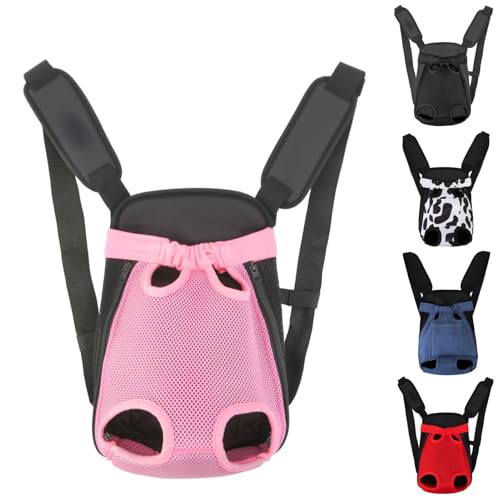
Inspack Legs-Out Front Dog Carrier Backpack (Pink)
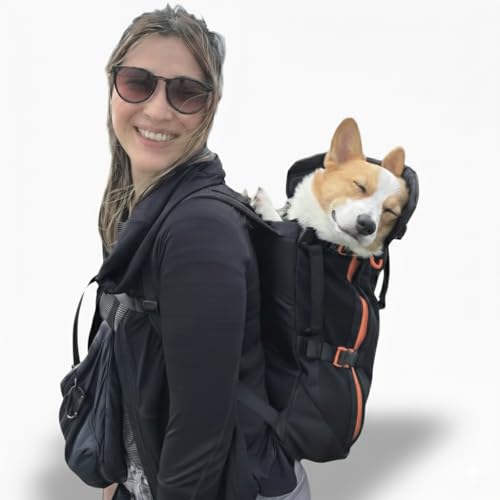
Little Chonk Maxine One Dog Backpack Carrier (Black)
SENIOR BUDDAY Dog Carrier Sling for Small Dogs Up to 20lbs (Grey)

SENIOR BUDDAY Dog Carrier Sling for Small Dogs Up to 20lbs (Army-Green)
Lukovee Adjustable Front Dog Backpack Carrier
Lukovee Adjustable Front Dog Backpack Carrier
More Details On Our Top Picks
A front pack changes the dynamic of a hike entirely: your dog rides against your chest, close enough to reassure an anxious pup and light enough on your awareness that you can watch footing at the same time. The PupPak uses water-resistant fabric with mesh side panels, so drizzle and splash crossings are less of a worry than with plain nylon bags.
The medium size measures roughly 12.5 by 9 by 14 inches, which suits toy and small breeds rather than anything stocky. Padded shoulder straps and adjustable buckles spread the load across your torso, and owners commonly report the pack feels stable once the straps are dialed in.
Strong Points
- Water-resistant shell handles light rain and wet brush without soaking through
- Mesh siding keeps air moving on warm climbs, reducing stuffiness against your chest
- Padded straps make hour-long carries noticeably easier on your shoulders
- Front position lets you monitor your dog constantly, ideal for nervous or senior pets
Things To Consider
- Weight sits on your front, so longer routes may fatigue your core faster than a backpack design
- Fabric panels benefit from occasional spot cleaning after muddy trail days
Key Specs
Who It Suits Best
Day hikers with small or senior dogs who want constant contact and easy reassurance on moderate terrain.
Where Another Pick Shines
Hikers covering long distances will distribute weight better with the Petsfit Dog Carrier Backpack, whose padded back panel shifts load onto your hips and shoulders.
Where the Outward Hound PupPak puts the load up front, this Petsfit backpack moves it onto your back, and its whole design revolves around making that weight feel smaller. Adjustable shoulder straps pair with a padded back panel to spread pressure across a wider area, which matters most past mile three.
Large ventilation openings run along the body of the bag, giving small and medium dogs airflow without exposing them fully to wind. The green colorway also hides trail dust better than lighter fabrics, a small thing you’ll appreciate by season’s end.
What We Like
- Weight-reduction back panel reduces shoulder strain on extended hikes
- Oversized vents keep dogs cooler than enclosed bubble-style packs
- Adjustable fit accommodates different torso lengths between wearers
- Doubles well for camping trips and travel beyond the trailhead
Worth Noting
- You lose eye contact with your dog, so anxious riders may need a few practice sessions first
- Mesh sections can collect burrs and pet hair, so plan on regular brushing out
At A Glance
Made For
Distance hikers carrying small-to-medium dogs who want their hands free and their shoulders spared.
Swap It Out When
Owners of very tiny puppies under four pounds will get a snugger, safer fit from the Inspack Legs-Out carrier instead.
Most carriers claim to fit small dogs; this one actually narrows it down. The Inspack targets pets between 2.5 and 4 pounds, a range where generic bags leave puppies swimming in extra fabric. The legs-out design lets front paws hang naturally, which many young dogs tolerate far better than being fully enclosed.
Four sizes exist across the line, and the brand advises measuring back length and chest girth rather than trusting weight alone. That guidance is worth following, since a mismatched size is the most common complaint with front packs generally.
Highlights
- Narrow 2.5 to 4 lb sizing gives teacup breeds a genuinely secure fit
- Legs-out posture keeps puppies comfortable and less restless
- Soft ventilated construction suits warm-weather walks and short climbs
- Four size options let multi-dog households match each pet properly
Small Caveats
- Measuring before ordering is essential; guessing tends to end in returns
- Too small for adult dogs above roughly four pounds, which limits its lifespan as your puppy grows
Right Fit For
Owners of toy-breed puppies and petite cats who want a close-contact carry on easy trails and city walks alike.
Another Choice May Suit
Once your dog passes four pounds, the Lukovee Adjustable Front Carrier offers a roomier interior with similar ventilation.
This is the serious option on the list. The Maxine One is built around a rigid frame, a structural choice aimed squarely at medium dogs in the 14-to-19-inch back-length and 19-to-30-inch chest-girth range. Think Cocker Spaniels, Beagles, Shiba Inus, mini Schnauzers, and small terriers, per the brand’s own sizing notes.
Rigid construction costs weight and money, but it holds shape under a heavier dog instead of sagging into their spine, and it keeps the load predictable on technical ground. For rocky scrambles, that stability is the difference between confidence and constant readjustment.
Reasons To Buy
- Rigid frame supports medium-weight dogs without collapsing inward
- Clear sizing chart based on back length and chest girth reduces fit errors
- Structured build keeps its form over seasons of hard use
- Handles breeds too large for every other pick on this list
Points To Note
- Heavier empty weight than soft-sided options, noticeable on approach hikes
- Premium positioning means it costs more than the slings and basic packs here
- Rigid shells take up more storage space at home and in the car
Quick Facts
Whose Shelf It Belongs On
Owners of Beagle-to-Shiba-sized dogs tackling real mountain terrain who view the carrier as long-term gear.
Look Elsewhere When
Small-dog owners on flat, casual routes will find everything they need in the far lighter SENIOR BUDDAY sling below.
At 12.6 ounces, this sling weighs about as much as a water bottle, which makes it the easiest carrier here to toss in a daypack “just in case.” Slings drape across one shoulder rather than strapping on like a backpack, so they suit shorter outings where speed and simplicity beat structure.
Multiple pockets line the design for keys, treats, and waste bags, meaning you can genuinely leave the purse behind. The grey colorway stays presentable through everyday use, though expect fur to show up faster than on darker fabric.
Bright Spots
- Ultra-light 12.6 oz build disappears into a pack until needed
- Built-in pockets replace a separate bag for essentials
- Slip-on design takes seconds, handy for vet runs and quick trailheads
- Supports dogs up to 20 lbs, broader range than most front packs
Softer Spots
- Single-shoulder carry concentrates weight, tiring on steep or long routes
- Less containment than zipped packs, so jumpy dogs need supervision
Details At A Glance
Who Will Love This
Urban walkers and casual hikers with calm small dogs who value convenience over technical support.
Not Your Match When
Steep alpine days call for the Little Chonk Maxine One, whose rigid frame manages heavier dogs far more securely.
Same sling, different wardrobe. This version carries the identical 12.6-ounce build, 20-pound capacity, and pocket layout as the grey model reviewed above, wrapped in an army-green finish that earns its place on muddy spring trails. Dirt, grass stains, and paw prints simply vanish into the color.
For anyone alternating between this and the grey version, the choice comes down purely to aesthetics and how much washing you want to do. Functionally there’s nothing separating them, so pick the shade that matches your existing gear.
Plus Points
- Earth-tone fabric hides mud and fur between washes
- Identical featherweight 12.6 oz carry as the grey variant
- Pockets hold trail essentials without an extra bag
- Coordinates well with standard hiking apparel colors
Minor Gripes
- Same single-shoulder load limits as the grey sling on long climbs
- Dark fabric can warm up faster in direct summer sun
Best Suited To
Trail regulars who hike in wet or muddy conditions and would rather not launder a carrier weekly.
Reach For A Different Pick When
Warm-climate hikers may prefer the Lukovee front carrier, whose open mesh promotes better cooling in humid heat.
Restless riders are this carrier’s target. Lukovee emphasizes interior volume, giving small dogs enough space to shift position instead of feeling cinched in place, and generous mesh coverage keeps air circulating so coats stay dry on muggy afternoons. Compared with the Inspack’s snug legs-out cut, this is the roomier sibling.
Buckles secure at the chest and sides, so getting a squirmy dog in and out doesn’t turn into a wrestling match. Owners commonly report the adjustment points make sharing one carrier between two adults straightforward.
Standout Traits
- Spacious interior reduces fidgeting on longer carries
- Extensive mesh paneling keeps pets dry and comfortable in humidity
- Multi-point buckle system speeds up loading and unloading
- Adjustable straps suit different wearer body types
Areas To Watch
- Extra interior room means small dogs can slide if the straps aren’t tightened properly
- Mesh needs gentle cleaning to avoid snags from claws over time
Spec Overview
Who Should Grab It
Owners of active small breeds that hate confinement but still need a lift on longer routes.
Where A Sibling Pick Shines
Teacup-size puppies under four pounds get a safer, closer fit from the Inspack Legs-Out carrier.
This listing rounds out the set as a second configuration of the Lukovee front carrier covered above, sharing the same spacious interior, wide mesh ventilation, and buckle-based closure system. In practice, both versions serve the same purpose: keeping small breeds cool, contained, and calm against your chest.
Availability and listing details differ between the two ASINs, so check the product page for current size and color options before deciding which suits your dog. Everything said about fit and airflow for the earlier Lukovee applies here equally.
Upsides
- Broad mesh coverage keeps coats dry in warm weather
- Roomy cabin lets dogs reposition mid-hike
- Buckle closures simplify getting a wiggly dog settled
Honest Caveats
- Confirm sizing on the live listing, since configurations vary between versions
- Front-carry weight still tires shoulders faster than backpack styles on big elevation days
The Right Fit
Small-dog owners prioritizing breathability and ease of loading over heavy-duty structure.
Consider Something Else When
Medium-breed owners should step up to the Little Chonk Maxine One, sized specifically for larger frames.
Choosing Between These Hiking Dog Carriers
Match The Carrier To Your Dog First
Size decides everything here. Measure your dog’s back length and chest girth before comparing any model, because weight ranges alone mislead more often than they help. A stocky 15-pound terrier needs different geometry than a lanky 15-pound Italian Greyhound.
Think About Carry Duration
Short errands forgive almost any design. Multi-hour hikes demand padded straps, load distribution, and ventilation, which is why backpack-style picks dominate long-distance lists. Front packs trade endurance for closeness, and slings trade both for sheer convenience.
Climate And Terrain Matter More Than You’d Expect
Mesh-heavy designs shine in humid conditions but offer little warmth in cold mountain air. Rigid-framed carriers handle rockier ground, while soft slings suit smooth paths. Match the tool to the trails you actually walk, not the ones you imagine.
Key Considerations Across These Picks
Traps First Timers Fall Into
The biggest mistake is buying for weight alone and ignoring body measurements, which leads to poor fits and returned orders. Another common slip is choosing a cute design over adequate ventilation, then wondering why a dog overheats on the first sunny climb. Always verify the sizing chart against your actual pet.
The Case For Spending Up
Higher-tier models like the Little Chonk Maxine One justify their cost through rigid framing, precise sizing systems, and materials that survive seasons of abrasion. Budget slings remain excellent for light duty, but frequent hikers recoup the premium in comfort and longevity within a year of regular use.
Frequently Asked Questions
How do I know what size carrier my dog needs?
Measure your dog’s back length from neck base to tail base, plus chest girth at the widest point. Compare those numbers to the manufacturer’s chart rather than relying on weight alone.
Are front carriers or backpack carriers better for hiking?
Front carriers offer visibility and reassurance, which suits anxious or senior dogs on moderate trails. Backpack designs distribute weight better and generally perform well on longer, steeper routes.
Can I carry a medium-sized dog while hiking?
Yes, provided the carrier is engineered for it, such as a rigid-framed model rated for your dog’s dimensions. Check both back length and chest girth limits carefully before committing.
How do I clean a dog carrier after a muddy hike?
Spot-clean fabric panels with mild soap and let them air dry fully before storage. Mesh sections benefit from gentle brushing to remove burrs, hair, and dried dirt.
Is a sling enough for trail use?
Slings work well for short, easy paths and as a backup option tucked in a daypack. Steep or lengthy terrain calls for a structured pack with proper strap support.
Wrap Up
The right choice comes down to three honest questions: how big is your dog, how long are your hikes, and how much structure do you need? Small-dog day hikers will be happy with the Outward Hound PupPak or either Lukovee, distance walkers should lean toward the Petsfit, and medium-breed owners have a clear answer in the Little Chonk Maxine One. Measure first, buy once, and enjoy having your best friend along for every mile.
