


Separation anxiety, specifically Dog Separation Anxiety, affects nearly half of all dogs, with about 47.38% of owners reporting anxious behaviors when their pets are left alone. This condition can lead to significant emotional distress for your furry friend. When you leave, your dog might feel scared and alone, which could result in various behavioral issues associated with Dog Separation Anxiety. If you ignore these signs, the consequences can escalate, leading to destructive behaviors and emotional turmoil for both you and your pet. Understanding what Dog Separation Anxiety is and how it manifests is crucial for ensuring your dog’s well-being.
Key Takeaways
Recognize the signs of separation anxiety, such as excessive barking, destructive behavior, and refusal to eat. Early detection is key to preventing further issues.
Understand that past trauma and changes in routine can trigger separation anxiety. Awareness of these factors helps in managing your dog’s emotional state.
Implement training techniques like gradual desensitization and counter-conditioning to help your dog feel more secure when left alone.
Create a safe space for your dog filled with familiar items and calming sounds. This can significantly reduce their anxiety when you leave.
Seek professional help if your dog’s anxiety is severe. Trainers and veterinarians can provide tailored strategies and support for effective management.
Signs of Separation Anxiety

Recognizing the signs of separation anxiety in your dog is crucial for their well-being. Here are some common behaviors to watch for:
Excessive Barking or Howling
If your dog barks or howls excessively when you leave, it could be a sign of separation anxiety. Research shows that dogs with this condition often vocalize more than those without. They may whine or bark in a way that sounds desperate, trying to get your attention. Here’s a quick look at some key findings:
Evidence Description | Key Findings |
|---|---|
Vocalization Patterns | Dogs with separation anxiety whine more often than those without, indicating a link between vocalization type and emotional state. |
Frustration and Vocalization | Frustration from separation leads to increased barking and exploratory behavior, suggesting a connection between emotional state and vocalization. |
Types of Vocalizations | Dogs left alone emit ‘desperate’ and ‘fearful’ barks, while whining is more common in other canid species. |
Destructive Behavior
Destructive behavior is another clear sign of separation anxiety. If you find your dog has chewed on furniture, shoes, or even walls after being left alone, it’s a cry for help. This behavior often stems from their distress. Common destructive actions include:
Chewing on objects, door frames, or window sills.
Digging at doors and doorways.
Attempting to escape from confined areas.
These actions can lead to injuries, so it’s essential to address them promptly.
Pacing and Restlessness
Pacing is a less common but notable behavior in dogs with separation anxiety. If you notice your dog walking back and forth when you leave, it indicates distress. This restlessness often accompanies other signs, such as excessive vocalization or destructive behavior.
Refusal to Eat or Drink
A dog that refuses food or treats when left alone might be experiencing separation anxiety. Even high-value treats, like Kongs stuffed with peanut butter, may go untouched. This behavior can signal significant stress. When dogs feel anxious, their bodies release cortisol, which can lead to digestive issues and a lack of appetite.
Inappropriate Elimination
Inappropriate elimination is a serious sign of separation anxiety. If your dog has accidents indoors shortly after you leave, it’s likely due to their anxiety. This behavior typically occurs only when you’re not home.
When dogs urinate or defecate due to separation anxiety, it typically happens soon after the owner leaves.
Understanding these signs of separation anxiety is vital for your dog’s health and happiness. If you notice any of these behaviors, consider seeking help to manage their anxiety effectively.
Causes of Dog Separation Anxiety
Understanding the causes of dog separation anxiety can help you prevent or manage this distressing condition. Here are some key factors that contribute to your dog’s anxiety:
Past Trauma
Dogs that have faced past trauma, such as abandonment or abuse, are more likely to develop separation anxiety. If your dog was adopted from a shelter, they might have experienced loss or neglect. This history can make them particularly susceptible to anxiety. Here are some signs of how past trauma can affect your dog:
Dogs that experienced cruelty or neglect often show heightened anxiety.
Pets adopted from unstable environments may struggle more with being alone.
Changes in Routine
Changes in your daily routine can also trigger separation anxiety in dogs. For instance, if you recently started a new job or changed your work schedule, your dog might feel confused and stressed. A study found that dogs who spent less time alone during the pandemic were at a higher risk of developing new separation-related behaviors. Here’s how changes can impact your dog:
Dogs thrive on routine and consistency.
Sudden changes can lead to confusion and stress.
Disruptions in daily habits can trigger signs of distress.
Lack of Socialization
Socialization plays a crucial role in your dog’s ability to cope with being alone. Dogs that lack exposure to different people, animals, and environments may become overly reliant on you for comfort. This dependency can lead to anxiety when you leave. Here are some points to consider:
Proper socialization helps dogs learn to manage various situations.
A well-socialized dog understands that being alone doesn’t always lead to negative outcomes.
Insufficient socialization can increase feelings of insecurity when left alone.
By recognizing these causes, you can take steps to help your dog feel more secure and reduce their separation anxiety.
Managing Separation Anxiety
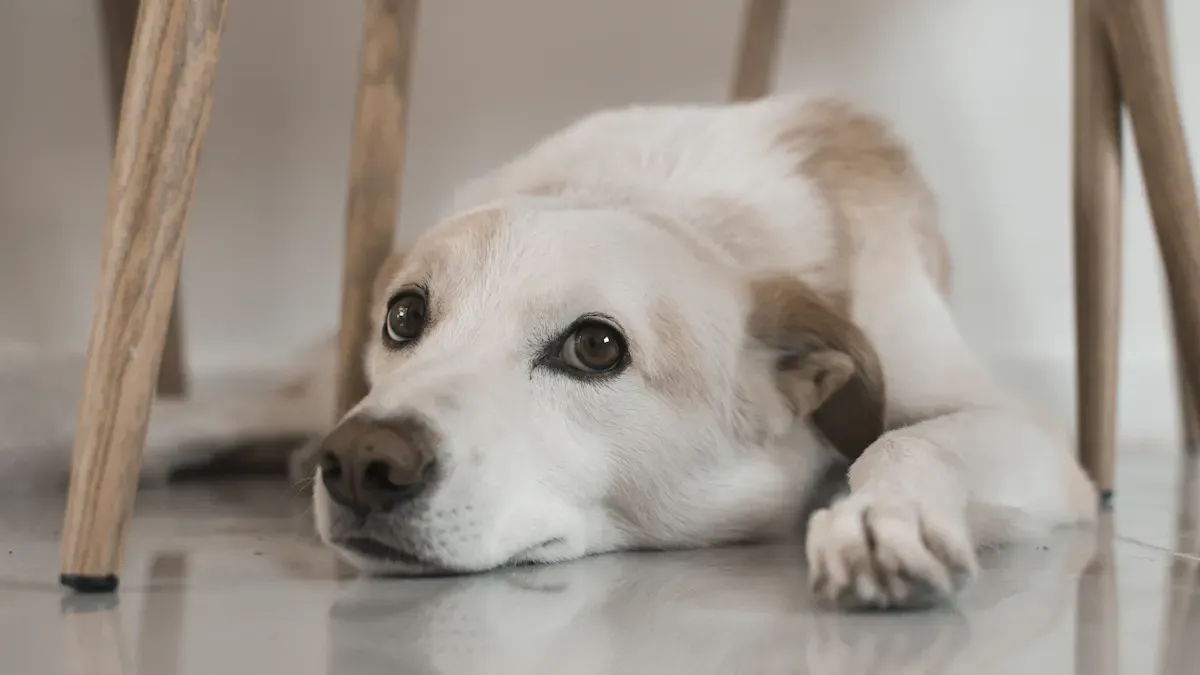
Managing dog separation anxiety can feel overwhelming, but you can take several practical steps to help your furry friend feel more secure. Here are some effective strategies:
Training Techniques
Training your dog is one of the best ways to reduce separation anxiety. Here are some techniques that can help:
Gradual Desensitization: Start by leaving your dog alone for short periods. Gradually increase the time you’re away. This helps your dog get used to being alone without triggering panic.
Counter-Conditioning: Change your dog’s emotional response to being alone. You can do this by associating your departures with positive experiences, like giving them a special treat or toy when you leave.
Managing Pre-Departure Cues: Dogs often pick up on cues that signal your departure, like grabbing your keys or putting on your shoes. Desensitize your dog to these signals by practicing them without actually leaving.
Additionally, consider crate training. A crate can become a safe haven for your dog, especially if you make it a positive space with treats and toys. Regular exercise is also crucial. A good walk or play session before you leave can help burn off excess energy and reduce anxiety.
Creating a Safe Space
Creating a safe space for your dog can significantly reduce their anxiety. Here are some recommendations:
Recommendation | Description |
|---|---|
Create a safe haven | Make sure all good things happen in this place to encourage your dog to retreat there. |
Use calming audio | Play classical music or audiobooks to soothe your pet. Talk radio and TV may be too stimulating. |
Provide soothing background noise | Leave on soft music or white noise to help calm your dog. |
Ensure this space is cozy and filled with familiar items, like a shirt with your scent. Avoid outside stimulation by keeping the area away from windows or doors. This can help reduce signs of distress when you leave.
Seeking Professional Help
If your dog’s separation anxiety is severe, don’t hesitate to seek professional help. A positive trainer or veterinary behaviorist can provide tailored treatment options. They can guide you through the process, which may feel slow at times. Remember, effective treatment can take time, and sometimes progress comes at a literal pace of one second at a time.
You might also consider medication as part of the treatment plan. However, be aware of potential side effects, such as altered mental states or difficulty walking. Always consult with a veterinarian before starting any medication.
By implementing these strategies, you can help your dog feel more secure and reduce their anxiety. Remember, patience and consistency are key!
Recognizing the signs of separation anxiety in your dog is crucial for their happiness and health. If you notice excessive barking, destructive behavior, or refusal to eat, it’s time to take action. Untreated anxiety can lead to serious issues like chronic stress, aggression, and health problems. Early intervention can improve your dog’s well-being and prevent escalation.
Consider seeking help through training programs or online courses tailored to separation anxiety.
FAQ
What should I do if my dog shows signs of separation anxiety?
Start by observing your dog’s behavior. Gradually desensitize them to your departures and create a safe space. If the anxiety persists, consider consulting a professional trainer or veterinarian for tailored advice.
Can separation anxiety be cured?
While you may not completely “cure” separation anxiety, you can manage it effectively. With consistent training, positive reinforcement, and patience, many dogs learn to cope better when left alone.
How long does it take to see improvement?
Improvement varies by dog. Some may show progress within weeks, while others might take months. Consistency in training and routines is key to helping your dog feel more secure.
Are certain breeds more prone to separation anxiety?
Yes, some breeds, like Labrador Retrievers and Border Collies, tend to be more prone to separation anxiety. However, any dog can develop this condition, especially if they lack socialization or have experienced trauma.
Can I use medication for my dog’s separation anxiety?
Medication can help in severe cases, but it should be a last resort. Always consult your veterinarian before starting any medication. They can recommend the best options based on your dog’s specific needs.
