

A good e-collar is the difference between a dog that checks in and a dog that disappears over the ridge. Anyone who has chased a bird dog through thick cover knows the feeling of shouting into the wind and getting nothing back. This shortlist covers remote trainers, add-a-dog receivers, and GPS tracking collars built for upland hunters, waterfowlers, and anyone running multiple dogs off-leash. Each option below earns its spot on range, durability, or multi-dog flexibility rather than marketing gloss.
The Shortlist At A Glance

SportDOG FieldTrainer 425X & SportHunter 825X Add-A-Dog Collar
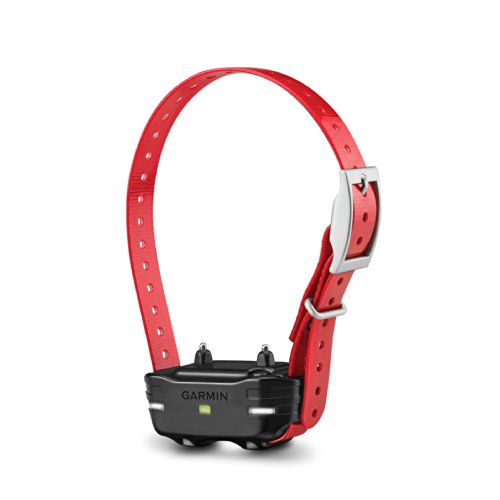
Garmin PT10 Dog Device Red Collar (Pro 70/Pro 550)

BLACKDOG Military Dog Shock Collar 4200ft (Dark Blue)

BLACKDOG Military Dog Shock Collar 2 Dogs (Orange)

Dogtra Pathfinder 2 GPS Tracker e Collar

SportDOG SportTrainer 1275 Remote Trainer
Dogtra ARC-X E-Collar

Dogtra 1900X E-Collar
More Details On Our Top Picks
This is the receiver you buy when your SportDOG system already works and a second dog joins the truck. It pairs with the 425X and 825X handhelds, so there’s no new remote to learn or charge. The orange strap is easy to spot against wet grass or snow, which matters more than most people expect at first light.
In a two-dog blind or a pheasant field, being able to correct each dog independently from one transmitter keeps training sessions clean. Owners commonly report the collar holds up to repeated dunks and mud without fuss.
Strong Points
- Adds a second or third dog to an existing 425X/825X setup without buying a whole new system
- High-visibility orange strap helps you locate the dog in heavy cover
- Rechargeable design means no disposable batteries to swap mid-season
- Same stimulation platform as the parent remotes, so correction stays consistent between dogs
Things To Consider
- Useless on its own; you need a compatible SportDOG handheld already in hand
- The receiver should be rinsed and dried after saltwater or swamp work to protect contact points
Made For
Handlers running two or three dogs off a single SportDOG remote who want matched gear across the kennel.
A Better Fit Elsewhere
Starting from zero with no existing system, the SportDOG SportTrainer 1275 below gives you a complete remote-and-collar package instead.
Garmin’s PT10 is the add-on dog device for the Pro 70 and Pro 550 handhelds, and it brings two features most basic receivers skip. A built-in BarkLimiter quiets the kennel automatically when you’re not standing there with the remote, and remote-triggered LED beacon lights make the dog visible in low light. Both are genuinely useful after dark in a duck blind.
The stainless steel contact points ship in two lengths, insulated for wet conditions, so fit stays reliable on anything from a slick-coated Lab to a wiry Griffon. One thing worth considering: this receiver only makes sense alongside its matching Garmin handheld.
What We Like
- Built-in BarkLimiter curbs nuisance barking even when the handheld is out of reach
- Remote-operated LED beacon lights help you find the dog before dawn or after dusk
- Two lengths of insulated stainless contacts keep consistent connection on wet coats
- Pairs with either the Pro 70 or Pro 550, adding flexibility if you upgrade handhelds later
Worth Noting
- Requires a Garmin Pro-series handheld, so it’s not a standalone purchase
- Contact points need periodic checking for tightness, a common maintenance point owners mention
At A Glance
Right Fit For
Kennel owners with a Pro 70 or Pro 550 who want bark management and night visibility bundled into each additional collar.
Where A Sibling Pick Shines
Hunters who prioritize raw tracking distance over bark control will get more from the Dogtra Pathfinder 2 further down this list.
Range is where this BLACKDOG separates itself. The manufacturer rates the signal at 4200 feet, roughly four-fifths of a mile, and claims it penetrates trees and rain better than typical consumer units. For handlers working big open country, that headroom means fewer dead zones at the far edge of a field.
The reinforced casing is spec’d to survive serious abuse, and the IP67 rating (meaning it can sit submerged about a meter deep for 30 minutes) covers lake retrieves and storm-soaked hunts. An ON/OFF safety switch prevents pocket activations, a small detail that saves a lot of confused dogs.
Bright Spots
- 4200-foot rated range gives generous margin in dense timber or rolling terrain
- IP67 waterproofing handles full submersion, not just rain splash
- Reinforced housing designed to resist crushing force and repeated bite attempts
- Flashlight and strobe modes double as a locator light after dark
- Three-month battery claim reduces charging chores during long seasons
Small Caveats
- Real-world range always shrinks in thick cover, so treat the rating as a ceiling
- Four training modes take some experimentation to dial in per dog
Feature Snapshot
Who Should Grab It
Hunters covering wide-open ground with hard-working dogs that punish fragile gear.
Swap It Out When
Running two dogs at once, the BLACKDOG two-dog version in orange ships with both collars ready to pair.
Everything true of the dark-blue single-dog BLACKDOG above applies here, with one key difference: this package includes two collars paired to one remote. That turns it into the simplest way to gear up a brace of pointers or a pair of young Labs without mixing brands or juggling separate transmitters.
You still get the 4200-foot rated signal, IP67 waterproofing, flashlight and strobe modes, and the extended battery claim. The orange straps help you tell the dogs apart at a glance, which sounds trivial until you’re correcting the wrong dog in dim light. In our view, this is the more sensible entry into the brand for most multi-dog households.
Plus Points
- Two collars included, ready to run off a single handheld
- Same 4200-foot range and IP67 submersion rating as the single-dog kit
- Ninety-day battery figure stretches time between charges across a season
- Distinct orange straps make dog identification quick in the field
Points To Note
- Overkill and extra cost for single-dog homes; the dark-blue kit covers that job cheaper
- Charging two receivers doubles your cable management routine
Who Will Love This
Owners of paired hunting dogs who want one remote, one charging routine, and matched hardware from day one.
Consider Something Else When
GPS location matters more than training range, the Dogtra Pathfinder 2 adds satellite tracking these collars can’t offer.
Standard e-collars tell your dog what to do; the Pathfinder 2 tells you where the dog is. Satellite positioning tracks up to 21 dogs in real time through a smartphone app, with a nine-mile rated range that dwarfs every radio-based unit on this list. There’s no monthly subscription, which is rare in the GPS tracking space and a genuine cost saver over years of ownership.
An e-collar function button on the GPS connector lets you deliver corrections directly, blending tracking and training in one strap. The catch: a smartphone is required, and the unit isn’t backward-compatible with original Pathfinder gear. Hound runners and plotters chasing coon or hogs will find this the most capable tool here by a wide margin.
Reasons To Buy
- Real-time satellite tracking across a nine-mile rated range
- No monthly fees, unlike most cellular GPS trackers
- Tracks up to 21 dogs simultaneously through the app
- Built-in e-collar button delivers corrections without switching devices
- LED light aids visibility in low-light conditions
Honest Caveats
- A smartphone is mandatory; there’s no standalone handheld option
- Not compatible with first-generation Pathfinder equipment
- App-based control takes longer to master than a simple button remote
Quick Facts
Built With In Mind
Hound and hog hunters running large packs across huge acreage who already carry a phone in the field.
Not Your Match When
Phone-free simplicity is the priority, the Dogtra 1900X offers precise training control with no app required.
Where the add-a-dog collar earlier in this list assumes you own SportDOG gear, the 1275 is the complete starting point: rechargeable collar and handheld together, with a three-quarter-mile rated reach. That’s plenty for obedience drills, yard work, and most upland scenarios where the dog stays within sight or earshot.
The build follows SportDOG’s usual field-first formula, rugged housing, straightforward buttons, no screen to fumble with while wearing gloves. Owners commonly report the system shrugs off wet conditions season after season. For a first serious trainer, this is the kind of uncomplicated tool that teaches you good habits instead of distracting you with menus.
Highlights
- Complete system out of the box, remote and collar included
- Three-quarter-mile range covers typical hunting and training distances
- Rechargeable on both ends, no battery purchases down the line
- Simple button layout works well with cold hands or gloves
Softer Spots
- Single-dog configuration; expanding requires buying additional receivers
- Less range than the BLACKDOG kits for wide-open country work
The Right Fit
First-time e-collar owners and obedience-focused handlers who want dependable basics without a learning curve.
Reach For A Different Pick When
Your dog weighs under 15 pounds, the slimmer Dogtra ARC-X fits small frames more comfortably than the 1275’s standard receiver.
Bulk is the quiet problem with most e-collars on smaller dogs, and the ARC-X attacks it directly. The receiver runs 30 percent slimmer than Dogtra’s 1900X and weighs just 2.75 ounces, with a curved profile that sits flush against the neck. On a 15-pound spaniel or a lean young setter, that difference shows up immediately in how naturally the dog moves.
Don’t mistake slim for delicate. The IPX9K rating (the highest common waterproof standard, tested against high-pressure, high-temperature spray) and a double-layered remote casing point to pro-grade durability. One hundred stimulation levels give fine gradations, so you can work at the lowest effective setting rather than jumping between coarse steps.
Upsides
- 2.75-ounce receiver suits dogs from 15 pounds up without weighing them down
- IPX9K waterproofing exceeds what most hunting conditions demand
- 100 stimulation levels allow gentle, incremental correction
- Curved ergonomic receiver keeps the dog focused on work, not the strap
Room For Improvement
- Rated for dogs 15 pounds and up, too much collar for toy breeds
- Three-quarter-mile range trails the BLACKDOG’s long-distance claim
Core Details
Whose Shelf It Belongs On
Owners of small-to-medium pointing and flushing breeds who refuse to compromise on build quality.
Another Choice May Suit
Heavier, harder-driving dogs over 35 pounds get a stouter match in the Dogtra 1900X closing out this list.
The 1900X is the full-size sibling of the ARC-X reviewed above, built for dogs 35 pounds and up and tuned for handlers who care about timing. The main stimulation button sits where your thumb naturally lands, because a half-second delay between command and correction is the difference that actually shapes behavior. Tone, vibration, and a BOOST function round out the toolkit for shaping recall and focus.
Like its smaller stablemate, it carries the IPX9K waterproof rating and 100 stimulation levels, with the same three-quarter-mile reach. Professional trainers gravitate to this model for good reason: it does the fundamentals with almost no friction. You may find the larger receiver noticeable on slight dogs, which is exactly why the ARC-X exists.
Standout Traits
- Ergonomically placed main button supports fast, well-timed corrections
- Tone, vibration, and BOOST modes cover everything from gentle cues to urgent recalls
- IPX9K waterproofing stands up to brutal field conditions
- 100 stimulation levels suit both soft and stubborn temperaments
- Rechargeable design eliminates ongoing battery costs
Trade Offs
- Sized for dogs 35 pounds and up, wrong tool for small breeds
- Feature set may be more than a casual pet owner needs
Details At A Glance
Who It Suits Best
Professional trainers and experienced owners running strong, high-drive dogs over 35 pounds.
Skip It When
Satellite tracking tops your wishlist, the Dogtra Pathfinder 2 delivers location data this radio-based unit simply can’t.
What Matters Most Before Choosing Hunting Dog E Collars
Match Range To Your Ground
Manufacturer range figures assume open line of sight. Timber, ravines, and heavy rain can cut effective distance dramatically, sometimes by half. Hunters working quartered fields rarely need more than three-quarters of a mile, while hound runners chasing game over ridgelines should look at GPS-based options like the Pathfinder 2 instead of stretching a radio signal past its limits.
Waterproofing Is Non-Negotiable
A hunting collar lives in ponds, creeks, sleet, and mud. Ratings like IP67 mean temporary submersion, while IPX9K resists high-pressure hot spray, and both comfortably exceed what a rainy Saturday demands. Check the contact points too: stainless posts in multiple lengths maintain a consistent connection across coat types, which matters as much as any electronic spec.
Correction Levels And Dog Temperament
Fine-grained stimulation matters more than maximum output. A collar offering 100 levels lets you find the lowest setting your dog notices, while four-mode budget units force bigger jumps. Sensitive breeds do better with vibration and tone options available; hard-headed dogs sometimes need the upper registers. Start low, always.
One Dog Or Several?
Multi-dog handlers should decide early whether they want expandable systems like the SportDOG and Garmin platforms or complete multi-collar kits like the BLACKDOG two-dog set. Expandable systems spread cost over time; bundled kits simplify charging and pairing from day one.
Key Considerations Across These Picks
Where Shoppers Go Wrong
The most common error is buying on range alone and ignoring receiver weight relative to the dog. A bulky unit on a 20-pound dog shifts awkwardly and distracts from training. Second mistake: skipping the compatibility check. Add-a-dog receivers only work with their matching handhelds, so confirm your existing system before ordering.
Why Top Tier Costs More
Premium pricing buys finer stimulation increments, tougher waterproof ratings, and refined ergonomics like thumb-positioned buttons. Those details compound over hundreds of training repetitions. Casual backyard users won’t feel the difference; handlers working dogs daily absolutely will.
Frequently Asked Questions
Can I mix collars from different brands on one dog?
Physically yes, but it creates confusion in your training cues and doubles your charging routine. Sticking with one ecosystem keeps stimulation levels consistent and simplifies expansion later.
How tight should an e-collar sit?
Snug enough that both contact points touch skin, usually allowing one finger beneath the strap. Too loose causes inconsistent correction, too tight risks pressure sores during all-day wear.
Do e-collars work in water?
Waterproof models like those listed here are designed for swimming and wet retrieves. Confirm the specific rating, since splash resistance and full submersion are different standards.
How long does training take with an e-collar?
Most dogs respond to basic recall conditioning within a few weeks of short, consistent sessions. The collar reinforces commands your dog already knows; it doesn’t replace foundational training.
Are GPS collars worth the extra cost?
For dogs that range beyond visual contact, such as running hounds or wide-ranging pointers, yes. For close-working obedience and yard training, a radio-based trainer does the job at lower cost.
Wrap Up
The right choice comes down to your ground, your dogs, and how many of them you run. SportDOG and Garmin reward existing-system owners, BLACKDOG wins on raw range and value bundles, and Dogtra owns the premium precision tier from the slim ARC-X to the 1900X. Match the collar to the dog first, the terrain second, and the rest falls into place.
