

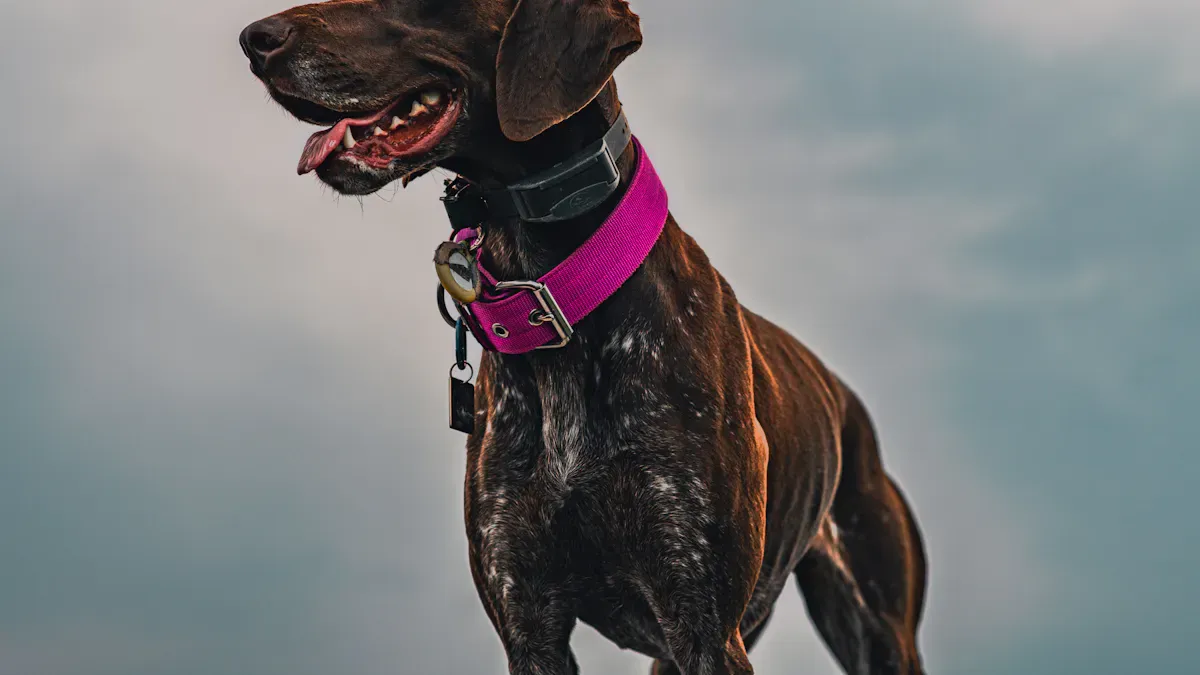
Choosing the right dog collar affects your pet’s comfort and overall well-being. Different dog collar types can influence your dog’s experience during walks and playtime. For instance, certain collars may increase stress levels in specific breeds. A study by Bailey et al. found that collars can raise intraocular pressure and respiratory rates in brachycephalic dogs. This highlights the need for careful selection to ensure your dog remains comfortable and healthy.
Dog Collar Types Overview
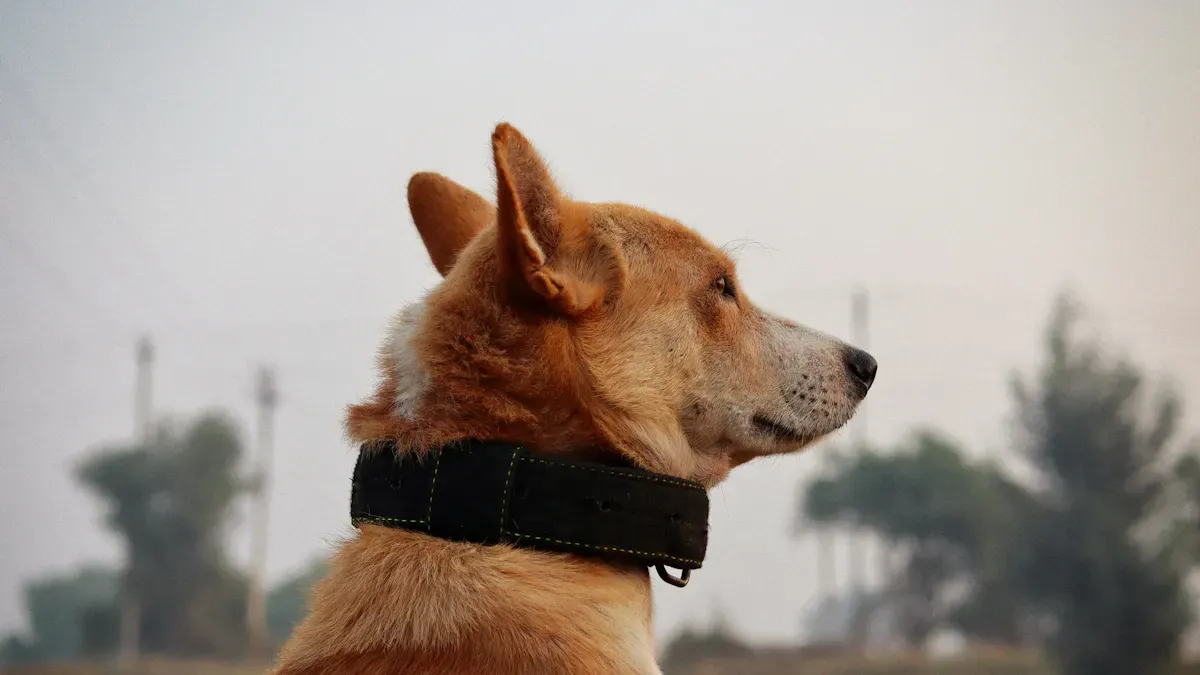
When selecting a collar for your dog, understanding the various dog collar types is essential. Each type serves a specific purpose and can significantly affect your dog’s comfort and safety.
Flat Collars
Flat collars are the most common type of collar. They come in various materials, including nylon, leather, and biothane. These collars are suitable for everyday use and are often used for identification purposes.
Tip: Flat collars work best for medium- to large-sized dogs that walk comfortably on a leash.
However, if not fitted correctly, flat collars can pose risks. They may choke or injure your dog, especially if your pet tends to pull. According to the American Veterinary Medical Association (AVMA), flat collars distribute pressure evenly across the neck, reducing the risk of tracheal injury. This makes them a safe option for regular walks.
Here’s a quick comparison of the materials used in flat collars:
Material | Characteristics | Comfort Impact |
|---|---|---|
Nylon | Affordable, durable, easy to clean, but holds water and dirt. | Can become stinky if not washed often; may not be ideal for active dogs who swim regularly. |
Biothane | Waterproof, hypoallergenic, maintains flexibility in all temperatures. | Stays comfortable in various weather conditions; ideal for sensitive skin and active dogs. |
Leather | Durable, breathable, molds to dog’s neck over time. | Enhances comfort as it conforms to the dog’s shape; hypoallergenic but requires maintenance. |
Hemp | Eco-friendly, durable, gentle on skin. | Breathable and helps regulate temperature, making it suitable for sensitive skin. |
Martingale Collars
Martingale collars are designed to prevent dogs from slipping out. They tighten slightly when a dog pulls, providing gentle correction without choking. This feature makes them particularly effective for breeds prone to escaping, such as Greyhounds.
Note: Proper fit is essential for martingale collars. If they are too loose, they won’t provide the necessary control.
These collars offer better control during walks, which can be beneficial for training. However, they require some training for both you and your dog to ensure safe use. Here are some advantages and disadvantages of martingale collars:
Advantages | Disadvantages |
|---|---|
Gentle Correction | Not for Unsupervised Use |
Escape Prevention | Proper Fit is Essential |
Better Control | Requires Training |
Comfort Features of Collars
Padded Collars
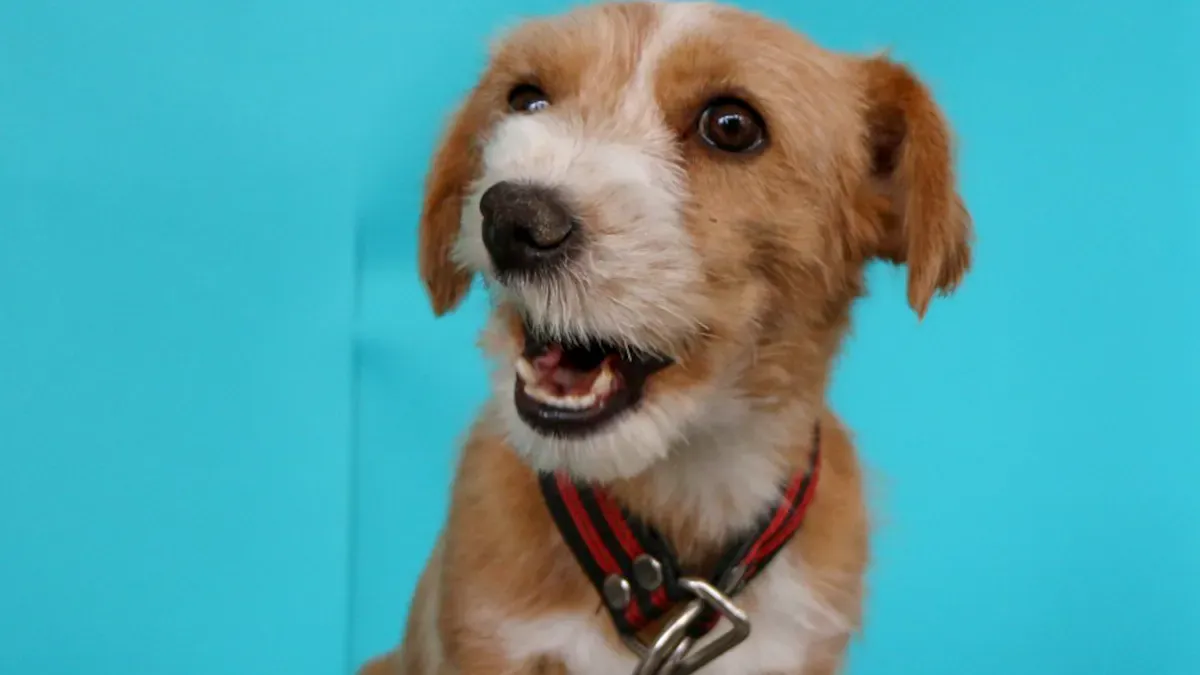
Padded collars offer extra comfort for your dog. They feature soft materials that cushion the neck, reducing pressure during walks. This design helps distribute pressure evenly, preventing discomfort and chafing. Here are some benefits of padded collars:
They provide a cushion between the dog’s neck and the collar.
They help prevent chafing, which is especially important for dogs with sensitive skin.
They are suitable for short-haired dogs, reducing the risk of hair loss due to rubbing.
Many padded collars use soft textiles and breathable materials. These features promote airflow, which helps reduce the risk of pressure sores and skin irritation. Additionally, some padded collars come with adjustable Velcro straps, allowing you to customize the fit for your dog’s comfort.
Collars for Sensitive Dogs
If your dog has sensitive skin, choosing the right collar is crucial. Certain materials can enhance comfort and safety. Here are some collar types designed specifically for sensitive dogs:
Collar Type | Comfort Features | Safety Features |
|---|---|---|
Rolled Leather | Distributes pressure evenly, prevents sharp folding, eliminates rough edges | Reduces friction and hair thinning |
Neoprene Padded | Soft, waterproof, resistant to bacteria growth | Prevents moisture trapping, reducing skin irritation |
Hemp | Naturally antimicrobial, hypoallergenic, breathable | Durable and does not rely on harsh chemicals in production |
Silk | Exceptionally smooth surface, minimizes friction | Gentle on skin, ideal for severe irritation or contact dermatitis |
Padded Nylon | Combines structure with softness, protective barrier | Soft padding reduces direct contact irritation |
High-Quality Leather | Softens over time, molds to the neck, allows airflow | Hypoallergenic when properly processed, especially vegetable-tanned leather |
These collars often use hypoallergenic materials, which are less likely to irritate your dog’s skin. For example, organic cotton and hemp are great choices. They are breathable and soft, making them perfect for dogs prone to skin issues.
Safety and Fit Considerations
Control and Comfort
Proper fit plays a crucial role in your dog’s safety and comfort. A collar that fits well allows your dog to move freely, enhancing their comfort and reducing anxiety. On the other hand, an overly tight collar can lead to serious issues. Here are some key risks associated with improper collar fit:
Neck and spine injuries: A tight collar can cause muscle tension and spinal damage, especially when your dog pulls on the leash.
Breathing problems: A poorly fitted collar can press on the trachea, leading to coughing and choking, particularly in brachycephalic breeds.
Skin irritation and allergies: Rough materials can cause skin problems, including redness and allergic reactions.
To ensure safety and comfort, regularly check your dog’s collar fit. You should be able to fit two fingers snugly between the collar and your dog’s neck. This simple check can prevent health issues related to restricted blood flow and discomfort.
Ideal Fit for Different Breeds
Different breeds have unique anatomical features that require specific collar types. For example, small breeds like Chihuahuas need collars designed for their delicate neck structures. Using a collar meant for larger breeds can lead to tracheal collapse and skin irritation. Here are some guidelines to achieve the ideal collar fit:
Health and Physical Condition: Consider your dog’s neck sensitivity and skin sensitivity when choosing a collar.
Behavior and Training Needs: Select collars based on your dog’s pulling behavior and training objectives.
Size and Breed Characteristics: Ensure the collar is appropriate for your dog’s size and breed-specific needs.
For reactive or anxious dogs, specialty collars like martingale collars can provide better control without causing discomfort. These collars tighten slightly when your dog pulls, offering gentle correction. This feature helps you manage your dog’s behavior while keeping them comfortable.
Choosing the right collar for your dog is vital for their comfort and well-being. A well-fitted collar prevents injuries and enhances your dog’s experience during walks. Remember to consider factors like material, adjustability, and safety features. Regularly inspect the collar for wear and ensure it fits properly. Following expert recommendations can help you select the best collar for your dog’s unique needs. By prioritizing comfort, you contribute to your dog’s happiness and health.
Tip: Always allow two fingers to fit between the collar and your dog’s neck for optimal comfort.
FAQ
What is the best collar type for a puppy?
For puppies, a flat collar is often best. It allows for identification and is adjustable as they grow. Ensure it fits snugly but not too tight.
How often should I check my dog’s collar fit?
You should check your dog’s collar fit every few weeks. Dogs grow and change weight, so regular adjustments ensure comfort and safety.
Can I use a harness instead of a collar?
Yes, you can use a harness instead of a collar. Harnesses distribute pressure more evenly and can be more comfortable for dogs that pull or have respiratory issues.
What materials should I avoid for sensitive dogs?
Avoid collars made from rough materials like cheap nylon or plastic. These can irritate sensitive skin. Opt for softer, hypoallergenic materials instead.
How do I clean my dog’s collar?
To clean your dog’s collar, use mild soap and warm water. Rinse thoroughly and let it air dry. Regular cleaning prevents odors and skin irritation.
