

Cats are obligate carnivores, and most dry foods load them up with starch their bodies were never built to process. If your cat is carrying extra weight, dealing with sluggish energy, or your vet has flagged blood sugar concerns, cutting carbohydrates is one of the most practical changes you can make at the food bowl. This shortlist covers eight formulas that keep carbs low while holding protein high, from budget-friendly everyday kibble to veterinary therapeutic diets. Each entry breaks down who it suits, where it falls short, and which alternative on this list might fit your household better.
The Shortlist At A Glance

IAMS Proactive Health Healthy Weight Chicken Dry Cat Food

Nulo Freestyle Adult Trim Salmon & Lentils Dry Cat Food

Nulo FreeStyle Senior Alaska Pollock & Sweet Potato Dry Cat Food

Blue Buffalo True Solutions Weight Control Chicken Dry Cat Food

Solid Gold High Protein Chicken Dry Cat Food

Stella & Chewy’s Raw Coated Cage-Free Chicken Cat Food
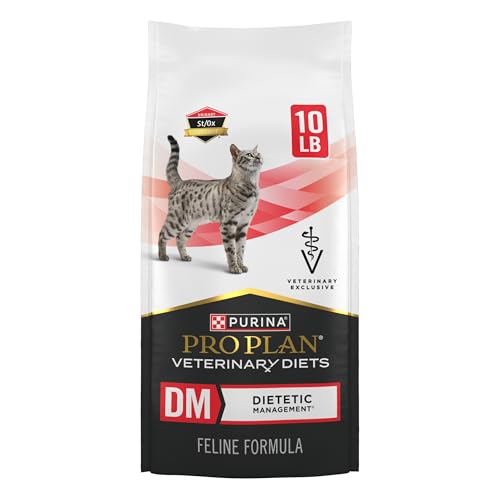
Pro Plan Veterinary Diets Purina DM Feline Formula Dry Cat Food

Wysong Epigen 90 Starch Free Chicken Dry Food
More Details On Our Top Picks
Real chicken leads the ingredient list here, which matters more than most marketing claims because cats use animal protein for energy rather than storing it as fat. The recipe is built around IAMS’ five-point health framework covering muscles, digestion, immunity, skin, and coat, so you’re not trading overall wellness for calorie control.
In a busy household with two or three cats sharing bowls, the wide size range from 3.5 to 22 pounds is the quiet advantage. You can buy big once and stop making monthly kibble runs.
Strong Points
- Chicken-first recipe supports lean muscle during weight loss
- Five-area health design means fewer supplemental purchases
- Large bag options cut cost per serving in multi-cat homes
- Widely available, so switching mid-bag rarely causes supply gaps
Things To Consider
- Contains grains, so grain-sensitive cats may do better elsewhere
- Owners commonly report the chicken scent fades once the bag is open, so an airtight container helps freshness
Made For
Budget-minded owners of healthy adult cats who need gentle, long-term weight management without specialty pricing.
A Better Fit Elsewhere
Cats with grain sensitivities or seniors will likely fare better with the Nulo FreeStyle Senior Alaska Pollock & Sweet Potato Dry Cat Food further down this list.
Where the IAMS above takes a broad wellness approach, this Nulo formula goes straight after body composition. Deboned salmon leads, and 83% of the protein comes from animal sources, the kind of ratio that helps a chunky indoor cat hold onto muscle while dropping fat. L-carnitine, a nutrient involved in fat metabolism, works alongside that protein profile.
Lentils and sweet potato bring natural fiber, which is what keeps a dieting cat from yowling at 5 a.m. for a refill. BC30 probiotics and prebiotic fibers round out digestion support, something worth having when you’re transitioning off a carb-heavy kibble.
What We Like
- 83% animal-based protein preserves strength during calorie cuts
- Fiber blend extends fullness between meals
- L-carnitine supports fat metabolism alongside lean mass
- Grain-free recipe suits sensitive stomachs
- Three bag sizes let you trial small before committing
Minor Gripes
- Fish-forward recipes can produce noticeably stronger litter box odor for some cats
- Per-pound cost runs higher than mainstream grocery brands
Feature Snapshot
Who Should Grab It
Owners of overweight indoor adults who want a serious, protein-led reduction plan rather than a mild maintenance tweak.
Swap It Out When
Your cat is a senior rather than an adult; the Nulo FreeStyle Senior Alaska Pollock & Sweet Potato Dry Cat Food tailors the same philosophy to aging bodies.
This is the senior counterpart to the Adult Trim reviewed above, swapping salmon for Alaska pollock and adding nutrients older cats burn through faster. The 78% animal-based protein share still does the heavy lifting on muscle maintenance, which becomes the central battle after age ten or so.
The details show real thought: omega-3 and omega-6 fatty acids from fish oils support coat and skin, taurine backs heart function, and the small disc-shaped kibble encourages chewing, helpful for aging teeth. Like its sibling, it carries BC30 probiotics and skips grains, corn, wheat, soy, rice, white potato, and tapioca entirely.
Highlights
- Pollock-first recipe with 78% animal protein for aging muscle
- Taurine and fish-oil fatty acids back heart, vision, and coat
- Small disc kibble suits older mouths and slower chewers
- No grains, corn, wheat, soy, rice, or tapioca anywhere in the formula
Softer Spots
- Fish-based formulas may not appeal to cats raised on poultry flavors
- Only two bag sizes exist, limiting trial flexibility compared with the Adult Trim
Whose Shelf It Belongs On
Homes with cats seven years and older that need lean-mass support, coat care, and easy-to-chew kibble in one bowl.
Where Another Pick Suits Better
Younger overweight adults should stick with the Nulo Freestyle Adult Trim, whose higher protein share targets active weight loss instead of senior maintenance.
Blue Buffalo built this line with veterinarians and PhD animal nutritionists, and the formula reads like it: a calibrated calorie balance, L-carnitine for body composition, and enriched fiber so a dieting cat actually feels fed. Real chicken sits first on the label, made in the USA.
The exclusion list is the selling point for cautious shoppers: no chicken or poultry by-product meals, no corn, wheat, or soy. Compared with the Nulo picks earlier, this one leans slightly more conventional in approach but earns trust through its named formulation team and clean ingredient rules.
Upsides
- Nutritionist and vet-informed design with clinically studied ingredients
- Enriched fiber curbs begging between scheduled meals
- No by-product meals, corn, wheat, or soy
- Chicken-first recipe suits cats that reject fish flavors
Points To Note
- Bag sizes top out smaller than IAMS, so large households re-order more often
- The brand recently renamed this line from Healthy Weight, which can confuse repeat orders
Quick Facts
Right Fit For
Shoppers who want a science-backed weight formula with transparent exclusions and a poultry flavor profile their cat already accepts.
Not Your Match When
You need maximum animal-protein density; the Nulo Freestyle Adult Trim pushes that number harder than this balanced approach does.
Most entries here target adults, but Solid Gold covers both ends of the age range, which makes it a rare fit for growing kittens in a low-carb household. Chicken and whole egg supply the amino acid foundation, and egg protein in particular is highly digestible, so young bodies get more usable nutrition per bite.
The twin-pack format is the practical hook: two six-pound bags mean fewer reorders and a lower effective cost than buying singles. One honest gap, the listing shares less granular nutritional detail than competitors like Nulo, so you’ll rely more on the guaranteed analysis printed on the bag itself.
Bright Spots
- Chicken and whole egg deliver complete amino acid coverage
- Formulated for kittens through adults, simplifying mixed-age homes
- Two-bag pack reduces cost per pound and reorder frequency
Small Caveats
- Published product detail is thinner than rivals, making pre-purchase comparison harder
- Kitten-formulated calories can work against strict adult weight-loss plans, so portion carefully
At A Glance
Who Will Love This
Households raising a kitten alongside adult cats that want one protein-rich, lower-starch bag for everyone.
Reach For A Different Pick When
Weight loss is the sole goal for an adult cat; the Blue Buffalo True Solutions Weight Control formula is purpose-built for that job.
Every kibble piece here wears a freeze-dried raw coating, and that single design choice solves the problem that derails most diet switches: refusal. Cats raised on heavily flavored grocery kibble often turn their nose up at plainer high-protein formulas, and the raw dust gives them a reason to finish the bowl.
Underneath the coating sits 65-70% animal protein led by cage-free chicken, with natural fiber and probiotics handling digestion. The small kibble size also opens this up to kittens, seniors, and cats with dental trouble, a wider age net than most picks on this list cast.
Reasons To Buy
- Raw coating wins over selective eaters that reject plain kibble
- 65-70% animal protein mirrors ancestral prey diets
- Small pieces suit kittens, seniors, and dental-sensitive cats
- Probiotics and fiber ease digestive adjustment
Worth Noting
- Raw-coated pieces can leave greasy residue in storage bins, so wipe containers between refills
- Smallest bag is 2.5 pounds, pushing frequent repurchasing for multi-cat homes
Best Suited To
Owners battling a fussy eater who has rejected every other healthier formula they’ve offered.
Consider Something Else When
Cost per pound is the priority; the IAMS Proactive Health Healthy Weight delivers similar everyday support at a friendlier rate.
This is the only therapeutic diet on the list, formulated specifically for cats needing glucose support, and it belongs in a conversation with your veterinarian before purchase. The premise is straightforward: low carbohydrate, high protein, designed to help maintain healthy glucose levels while preserving lean body mass.
A second layer sets it apart from every consumer formula here. Purina’s St/Ox Defense creates a urinary environment unfavorable to both struvite and calcium oxalate crystals, addressing two common complications at once. That dual focus explains why vets reach for it first when a diagnosis calls for dietary management.
Plus Points
- Low-carb, high-protein design targets glucose management
- St/Ox Defense discourages struvite and calcium oxalate crystal formation
- High protein content protects lean mass and body condition
- Available in three sizes down to 3.5 pounds for trials
Honest Caveats
- Intended for supervised dietary use, not casual self-selection
- Therapeutic formulas typically carry a higher price per pound than retail brands
Core Details
Who It Suits Best
Cats with a veterinary diagnosis calling for glucose-supportive nutrition, under ongoing professional guidance.
Look Elsewhere When
Your cat is healthy and you simply want everyday weight control; the Nulo Freestyle Adult Trim handles that without a prescription conversation.
Grain-free is a marketing term; starch-free is a structural claim, and Wysong built Epigen 90 around the latter. Where most grain-free kibbles simply swap corn for potatoes or tapioca, this extruded formula omits starch entirely, getting closer to the meat-heavy intake a cat’s digestive system expects.
The supporting cast is unusually deep: probiotics, prebiotics, enzymes, phytonutrients, antioxidants, and omega-3 fatty acids, many of which Wysong pioneered in pet food decades ago. One quirk worth knowing, it’s labeled for dogs and cats alike, so a dog in the house sneaking bites isn’t a crisis. The density is real though, and the maker advises a slow transition per the feeding guide.
Standout Traits
- Genuinely starch-free rather than grain-swapped
- Meat-dense recipe rich in omega-3 essential fatty acids
- Includes probiotics, prebiotics, enzymes, and natural antioxidants
- Doubles as a protein booster or meal supplement
- Dog-and-cat labeling simplifies mixed-pet homes
Trade Offs
- Nutrient density demands a gradual switch; rushing it commonly causes loose stools
- Five-pound bags run small for the price tier in multi-cat feeding
Details At A Glance
Built With In Mind
Owners who want the strictest possible carbohydrate ceiling and don’t mind paying a premium for it.
Another Choice May Suit
Shoppers wanting provenance-backed therapeutic support will find the Pro Plan Veterinary Diets Purina DM better documented for specific conditions.
What Matters Most Before Choosing Low Carb Cat Foods
Read Past The Front Of The Bag
The phrase “grain-free” says nothing about carbohydrate content, since many grain-free recipes replace corn with peas, potatoes, or tapioca, which are still starches. Flip to the guaranteed analysis and ingredient order instead. Meat listed first, ideally deboned and named by species, signals a genuinely protein-led formula.
Match The Formula To Life Stage And Health Status
A kitten burning energy needs different calories than a sedentary twelve-year-old fighting weight gain. Senior formulas add joint, heart, and cognitive support; therapeutic diets address diagnosed conditions and deserve a vet conversation first. Buying an adult weight-management food for a growing kitten shortchanges development.
Weigh Satiety Against Calorie Cuts
The failure point of most diet plans is a hungry cat. Fiber sources such as lentils, sweet potato, or added cellulose stretch fullness between meals, and L-carnitine supports how the body uses fat. Formulas pairing high animal protein with these tools tend to stick because the cat accepts them long term.
Key Considerations Across These Picks
Traps First Timers Fall Into
Switching foods overnight is the classic error; a seven-to-ten-day gradual blend prevents stomach upset and refusal. The second trap is trusting front-label claims about grains or “natural” without checking the guaranteed analysis for actual protein and moisture figures.
Why Top Tier Costs More
Premium formulas spend on named animal proteins, probiotic strains, and research teams rather than filler. That money buys digestibility, meaning more nutrition per cup and often smaller portions, which narrows the real cost gap over a year.
Frequently Asked Questions
Are low carb diets safe for all cats?
Healthy adult cats generally handle high-protein, low-carb formulas well since they mirror feline biology. Cats with kidney disease or other diagnoses need veterinary guidance before any diet change.
How quickly will my cat lose weight on these foods?
Safe feline weight loss is gradual, usually over several months with measured portions. Rapid drops can be dangerous, so pair any new food with vet-approved portioning.
Can I mix low carb kibble with wet food?
Yes, and many owners do exactly that to boost moisture intake. Keep total daily calories consistent so the combination still supports weight goals.
Do grain-free and low carb mean the same thing?
No, and confusing them is common. Grain-free products can still be heavy in starches from potatoes, peas, or tapioca, so check the full analysis.
How do I transition my cat to a new food?
Blend increasing amounts of the new food into the old over seven to ten days. Slow transitions reduce digestive upset and give picky eaters time to adjust.
Closing Remarks
The right choice depends less on rankings and more on your cat’s age, health status, and stubbornness at the bowl. Start with the profile that matches your situation, transition slowly, and measure portions honestly. Your cat’s next checkup will tell you whether the switch is working.
