

Dogs with copper-sensitive livers or food intolerances need simpler recipes than the average kibble bag offers. The right diet can mean fewer itchy flare-ups, steadier digestion, and easier vet visits. This shortlist covers hydrolyzed prescriptions, limited-ingredient kibbles, a gut-support topper, and single-ingredient treats, so you can build a complete low-copper feeding plan rather than guessing aisle by aisle.
The Shortlist At A Glance

Hill’s z/d Skin/Food Sensitivities Dry Dog Food

Dinovite Probiotic Food Topper for Small Dogs, 30 Servings

Farmina Mini Breed Grain Free Pumpkin Chicken & Pomegranate Dog Food

Natural Balance Limited Ingredient Sweet Potato & Salmon, 13 oz, 12 Pack

Zignature Trout & Salmon Limited Ingredient Small Bites 4lb

PureBites Mini Lamb Freeze Dried Dog Treats, 2.4 oz
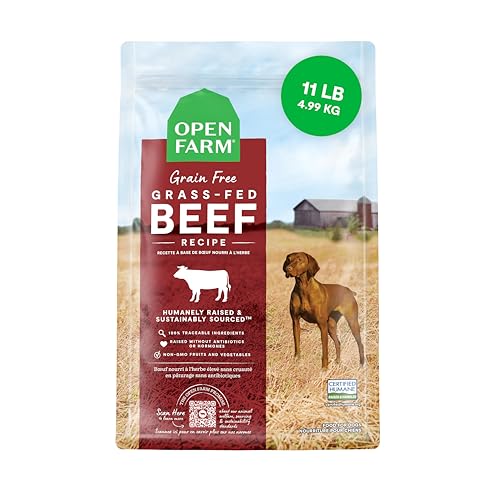
Open Farm Grain Free Grass-Fed Beef Kibble, 11lb Bag

Nulo FreeStyle Limited Ingredient Salmon Recipe, 5.5lb Bag
More Details On Our Top Picks
This is the pick your vet is most likely to name first. Hill’s built z/d around highly hydrolyzed proteins, meaning the protein molecules are broken down so small the immune system has trouble recognizing them as triggers. That matters most in homes where a dog has cycled through three or four foods chasing an itch that never quits.
The chicken-flavored small-bites version comes in several bag weights, from trial-size 7-pound bags up to a 25-pound bulk option, which makes long-term feeding less painful once you know it works. Omega fatty acids round out the formula for skin support.
Strong Points
- Hydrolyzed protein is designed to slip past immune detection, targeting reactions at the source.
- Clinically formulated by nutritionists and veterinarians specifically for adverse food reactions.
- Omega-6 and omega-3 content supports skin and coat while the diet does its main job.
- Four bag sizes let you trial small before committing to bulk storage.
- Small bites suit little jaws and slower chewers alike.
Things To Consider
- A prescription-style therapeutic diet usually costs more per pound than grocery kibble, and it requires veterinary guidance before switching.
- The 25-pound bag needs an airtight container to stay fresh in humid kitchens.
Key Specs
Who It Suits Best
Dogs with confirmed or suspected food sensitivities whose owners want a veterinarian-backed formula instead of trial-and-error shopping.
Where Another Pick Suits Better
Healthy dogs simply needing a simplified maintenance diet may find the Zignature Trout & Salmon Small Bites a better everyday fit without a prescription conversation.
Not every copper-conscious dog needs a new bag of food. Sometimes the base diet is fine and the gut just needs backup, which is where this sprinkle-on topper earns its spot next to the Hill’s z/d above. You dust it over regular meals, no mixing or pill-wrangling involved.
Dinovite pairs prebiotics with probiotics, two terms worth knowing: prebiotics feed beneficial gut bacteria, while probiotics are the live bacteria themselves. Owners commonly report firmer stools within a couple of weeks of consistent use, though results vary dog to dog.
What We Like
- Prebiotics plus probiotics work together to support digestion and nutrient absorption.
- Sized specifically for dogs between 1 and 18 pounds, so dosing isn’t guesswork.
- Thirty servings per container covers a full month of daily meals.
Worth Noting
- It’s a supplement, not a meal, so it can’t replace a balanced diet on its own.
- Finicky eaters occasionally notice the powder texture at first; starting with half a serving helps.
Made For
Owners of small breeds dealing with soft stools or dull coats who want a low-effort addition to an already suitable food.
Consider Something Else When
Large dogs over 45 pounds should reach for Dinovite’s large-dog version instead, since this tub is portioned for small frames.
Where Hill’s z/d solves a medical problem, Farmina plays the long game with nutrient density. Roughly 96 percent of the protein here comes from animal sources, led by boneless chicken, with herring and herring oil further down the list adding marine omega fats. For a small breed burning energy fast, that protein density translates into smaller portions per meal.
Pumpkin and pomegranate bring fiber and antioxidants, and glucosamine with chondroitin supports hips and joints, a real consideration for active or aging mini breeds. The gentle cooking process preserves nutrients that harsher extrusion can degrade.
Highlights
- 96% animal-derived protein helps maintain lean muscle in busy little dogs.
- Glucosamine and chondroitin back up joint health as your dog ages.
- Grain-free recipe suits dogs with grain sensitivities.
- Pumpkin fiber supports steady digestion day to day.
Minor Gripes
- Chicken is the headline protein, so chicken-allergic dogs need a different route entirely.
Feature Snapshot
Right Fit For
Owners of energetic small breeds who prioritize meat-heavy nutrition and don’t mind paying premium-kibble prices.
Look Elsewhere When
Dogs doing better on fish-only proteins will suit the Nulo FreeStyle Salmon recipe below, which skips poultry altogether.
Wet food often gets overlooked in elimination diets, yet canned recipes make it easier to hide medications and tempt dogs recovering their appetite. Natural Balance keeps this salmon-and-sweet-potato formula deliberately short on ingredients, one animal protein plus a carbohydrate source, which is exactly what a simplified feeding plan calls for.
The twelve-can case means fewer reorders, and the grain-free recipe carries omega-3s from the fish for coat condition. Compared with the dry Zignature later in this list, this option trades kibble convenience for moisture and palatability.
Upsides
- Limited-ingredient list makes trigger-spotting far simpler during dietary trials.
- Salmon supplies omega-3 fatty acids for skin and coat shine.
- High moisture content helps hydration, especially useful for senior dogs.
Trade Offs
- Canned food costs more per calorie than dry kibble over a month of feeding.
- Opened cans need refrigeration and get used within a few days.
- Some dogs gain weight quickly on wet food unless portions are measured carefully.
Who Will Love This
Owners of picky eaters, seniors with dental issues, or dogs mid-elimination-trial who need maximum ingredient clarity.
Swap It Out When
Budget-focused multi-dog households will stretch further with the Open Farm Grass-Fed Beef kibble, which feeds more meals per dollar.
Zignature built its reputation on skipping the usual chicken-first playbook, and this trout-and-salmon recipe is a clean example. Fish leads the ingredient list, bringing omega-3 fatty acids and vitamin B12 along with it, and the limited-ingredient structure leaves out the common allergens many sensitive dogs react to.
The small-bites kibble size matters more than it sounds. Little dogs often swallow standard kibble whole, which defeats any dental benefit and can cause gulping-related stomach upset. A 4-pound bag also stays fresher than a big sack for single-small-dog homes.
Bright Spots
- Fish as the first ingredient delivers natural omega-3s and B12 without poultry proteins.
- Smaller kibble pieces suit toy and small breeds properly.
- Limited-ingredient design fits rotational feeding plans well.
- Available up to 12.5 pounds once you confirm tolerance.
Softer Spots
- Fish-based formulas carry a stronger odor some kitchens notice; sealed storage helps.
- The 4-pound trial bag runs out fast for medium-sized dogs.
Quick Facts
Best Suited To
Small-breed owners running elimination trials or rotating proteins who want a poultry-free, fish-forward staple.
Another Choice May Suit
Puppies and large breeds needing higher protein volume fit the Nulo FreeStyle Salmon recipe better, since it spans all life stages and breed sizes.
Here’s the trap nobody warns you about: a careful low-copper diet undone by grocery-store biscuits loaded with mystery ingredients. PureBites closes that gap with a single human-grade ingredient, pure lamb liver sourced in New Zealand and freeze dried raw in the USA. One ingredient, nothing else on the label.
Each 2.4-ounce bag packs roughly 250 mini pieces at about one calorie apiece, which makes them practical for training sessions where treats fly fast. Freeze drying preserves the raw nutrition without refrigeration, a genuine convenience for training classes and travel bags.
Reasons To Buy
- Single-ingredient lamb liver gives total clarity for allergic or restricted-diet dogs.
- About one calorie per treat supports frequent rewarding without weight creep.
- Roughly 250 mini pieces per bag lasts months of daily training.
- No refrigeration needed thanks to freeze drying, ideal for pockets and treat pouches.
- Recyclable packaging appeals to waste-conscious households.
Points To Note
- Organ-meat treats are rich, so vets generally suggest keeping them under ten percent of daily calories.
Whose Shelf It Belongs On
Anyone training a dog on a restricted or elimination diet who refuses to compromise the food plan for rewards.
Reach For A Different Pick When
You need a complete meal rather than a reward; the Natural Balance Sweet Potato & Salmon cans handle full feeding duty.
Open Farm competes on sourcing transparency as much as nutrition. The grass-fed beef here comes from ethically raised livestock, paired with non-GMO produce and superfoods like pumpkin and coconut oil. Seven recipe variants exist across the line, from wild-caught salmon to a senior-specific blend, so multi-dog homes can stay within one brand philosophy.
In day-to-day terms, this reads like a complete, balanced maintenance kibble for owners who read labels the way they read their own food labels. It’s less specialized than the Hill’s z/d but more traceable than mainstream shelf brands.
Plus Points
- Grass-fed beef as the anchor protein, ethically and sustainably sourced.
- Non-GMO produce and superfoods such as pumpkin add fiber and micronutrients.
- Complete and balanced formulation covers everyday adult maintenance.
Areas To Watch
- Beef is a moderately common allergen, so severely reactive dogs may need the salmon variant instead.
- The 11-pound bag suits one or two dogs; larger households burn through it quickly.
The Right Fit
Quality-driven owners feeding healthy adult dogs who want transparent sourcing without prescription-level pricing.
Not Your Match When
Dogs with diagnosed food sensitivities belong on the hydrolyzed Hill’s z/d formula until a vet clears a simpler diet.
Nulo finishes the list with the broadest applicability. Deboned salmon stands as the single animal protein, the recipe hits 30 percent crude protein, and it’s formulated for puppies through adults across small, medium, and large breeds. Where the Zignature small bites targets little dogs, this one feeds the whole household.
The exclusion list is equally telling: no chicken, eggs, peas, or artificial additives, which sidesteps several of the most frequently reported canine triggers. Limited doesn’t mean thin here; essential amino acids support lean muscle and steady energy.
Standout Traits
- Single animal protein simplifies both allergy management and rotational planning.
- 30% crude protein maintains muscle across life stages and breed sizes.
- Free of chicken, eggs, peas, and artificial additives, covering multiple common triggers.
- Scales from a 5.5-pound trial bag to 24 pounds for committed households.
Small Caveats
- Salmon-only recipes develop a noticeable smell in warm pantries; an airtight bin solves it.
- High-protein formulas can be too rich for very sedentary dogs, so transition gradually over a week.
Core Details
Who Should Grab It
Multi-dog families wanting one sensitive-friendly kibble that covers puppies, adults, and big breeds without separate purchases.
Where A Sibling Pick Shines
Tiny breeds with dainty appetites do better with the Zignature Trout & Salmon Small Bites, whose kibble geometry matches little jaws.
What Matters Most Before Choosing Low Copper Dog Foods
Confirm The Actual Need First
Copper-restricted diets are usually prescribed for specific liver conditions, and the degree of restriction varies. Bring your vet into the decision before swapping foods, since a formula that’s merely “limited ingredient” isn’t automatically low in copper. Bloodwork and breed history, especially for breeds prone to copper storage issues, shape how strict the plan must be.
Read Protein Sources, Not Marketing
The first three ingredients tell you more than the front of the bag ever will. Hydrolyzed proteins, as in the Hill’s z/d, serve immune-sensitive dogs, while single-source proteins like salmon or trout simplify elimination trials. Named animal meals beat vague terms like “meat meal” every time.
Match Format To Your Routine
Dry kibble wins on cost and storage, wet food wins on palatability and hydration, and toppers bridge the gap when a current diet almost works. Households juggling multiple dogs benefit from all-life-stage formulas, while single-dog homes can afford specialized small-batch options.
Plan The Transition
Any food switch deserves seven to ten days of gradual blending to avoid digestive upset. Sudden changes commonly cause loose stools that get misread as a food problem, sending owners back to square one unnecessarily.
Key Considerations Across These Picks
Traps First Timers Fall Into
The biggest mistake is treating “grain free” or “limited ingredient” as proof of low copper content; neither claim addresses mineral levels directly. Another frequent slip is ignoring treats, chews, and table scraps, which can quietly undo a carefully chosen kibble. Check every item in the bowl, not just the main bag.
The Case For Spending Up
Premium formulas justify their price through named protein sources, tighter quality control, and added functional nutrients like glucosamine or probiotics. Therapeutic diets cost the most because they’re backed by clinical formulation. For a healthy dog, a mid-tier limited-ingredient food often suffices; for a diagnosed condition, the upgrade pays for itself in vet visits avoided.
Frequently Asked Questions
Are limited ingredient dog foods always low in copper?
No, limited ingredient refers to a shortened recipe list, not mineral content. Always verify copper levels with the manufacturer or your veterinarian for a true copper-restricted plan.
Can I switch my dog to these foods without a vet?
For routine maintenance diets, yes, using a gradual transition. Prescription-style formulas like hydrolyzed diets deserve veterinary guidance first.
How long before I see results from a new diet?
Digestive improvements often show within two to four weeks. Skin and coat changes typically take six to eight weeks of consistent feeding.
Do treats count against a restricted diet?
Absolutely, and they’re the most overlooked source of unwanted ingredients. Single-ingredient options like freeze-dried liver keep the plan intact.
Is grain free necessary for food-sensitive dogs?
Not necessarily, since grains cause fewer canine allergies than animal proteins do. Focus on the protein source first, then evaluate grains based on your individual dog.
Closing Thoughts
Feeding a copper-conscious dog comes down to clarity: fewer ingredients, named protein sources, and a plan your vet actually signed off on. Start with the formula that matches your dog’s specific situation, transition slowly, and keep every treat in the bowl accounted for. Your dog’s next checkup will tell you whether the choice landed, and adjusting from there is easy.
