

Feeding a growing puppy gets expensive fast, and the first bag of premium kibble can feel like a car payment. The good news is that affordable puppy food has come a long way: several budget-friendly formulas now include DHA for brain development, probiotics for digestion, and real meat as the lead ingredient. This roundup covers eight low cost puppy foods across dry kibble, canned dinners, and soft pouches, so you can match a formula to your pup’s stomach, breed size, and your weekly budget without sacrificing the nutrients that matter during that critical first year.
The Shortlist At A Glance

NutriSource Small & Medium Breed Puppy Dry Dog Food 4 lb
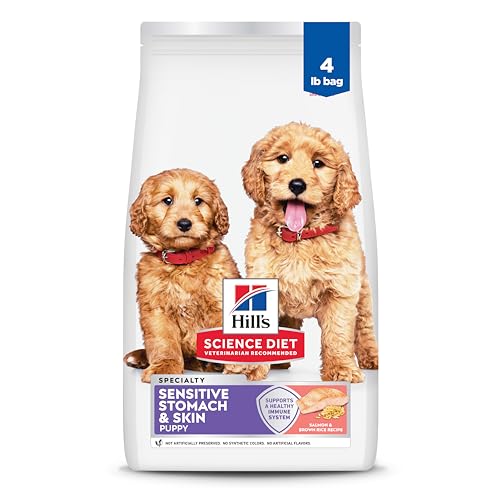
Hill’s Science Diet Puppy Sensitive Stomach & Skin Dry Food

Beneful Small Dog IncrediBites with Farm-Raised Beef 56 oz

Amazon Basics Puppy Chopped Ground Dinner Canned Food 12-Pack
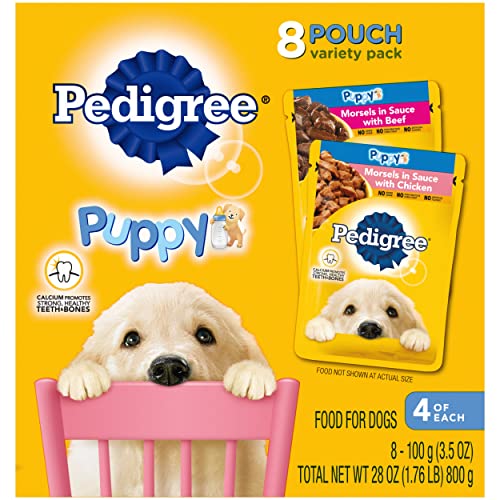
Pedigree Puppy Soft Wet Dog Food 8-Count Pouches

Nutrish Puppy Dry Dog Food Chicken & Brown Rice 5 lb

A Strong Heart Puppy Chicken & Beef Dinner 24pk

The Honest Kitchen Puppy Whole Grain Chicken Clusters 1 lb
More Details On Our Top Picks
This small-bag formula is aimed squarely at owners of beagles, cocker spaniels, and similar mid-size pups who don’t want to commit to a 30-pound sack before knowing whether their dog tolerates it. Chicken meal sits at the top of the ingredient list, which matters because meal is a concentrated protein source, delivering more amino acids per scoop than fresh meat by weight.
The brand also builds in gut support from day one. Prebiotics and probiotics, live bacteria that help balance digestion, are paired with L-carnitine and taurine, two compounds tied to healthy heart development in growing dogs. For a budget-tier food, that’s an unusually complete nutrient story.
Strong Points
- Chicken meal as the lead ingredient means dense, usable protein for muscle growth.
- Added probiotics can mean firmer stools and less cleanup in the yard.
- Taurine and L-carnitine support cardiovascular development through the growth phase.
- The 4-pound bag suits trial runs and small-apartment storage alike.
Things To Consider
- The small bag means frequent reordering; owners of fast-growing medium breeds may burn through it in under three weeks.
- It’s sold through a third-party seller, so check the listing details carefully before ordering.
Made For
Owners of small to medium breed puppies who want digestive and heart support in an affordable starter bag.
Where A Sibling Pick Shines
Puppies with confirmed grain sensitivities may do better on the grain-free A Strong Heart canned dinner further down this list.
Some puppies simply have delicate digestion, and loose stools after every meal get old quickly. Hill’s built this recipe around highly digestible ingredients plus prebiotic fiber, the kind of fiber that feeds beneficial gut bacteria rather than just passing through. Compared with the NutriSource bag above, this one leans on decades of veterinary nutrition research rather than novelty ingredients.
Skin gets equal attention here. Vitamin E alongside omega-3 and omega-6 fatty acids supports the skin barrier and coat shine, while clinically studied antioxidants, vitamins C and E, back the immune system. DHA rounds it out for brain growth, and quality protein fuels developing muscle. Available in both 4-pound and 13-pound bags, so you can scale up once your pup settles in.
What We Like
- Gentle prebiotic fiber helps nutrient absorption in pups prone to upset stomachs.
- Omega fatty acids often show up as a glossier coat within weeks of switching.
- Two bag sizes let you start small and upgrade economically.
- Covers stomach, skin, and immunity in one formula instead of three supplements.
Minor Gripes
- Costs more per pound than basic grocery brands, though the 13-pound bag narrows that gap.
- Owners commonly report a transition period of gradual mixing over 7 days to avoid temporary digestive adjustment.
At A Glance
Who Should Grab It
Puppy parents dealing with recurring soft stools, itching, or dull coats who want a research-backed fix at a mid-range price.
Swap It Out When
If budget is the overriding concern and your pup has an iron stomach, the Beneful IncrediBites bag delivers solid nutrition for noticeably less per ounce.
Kibble size sounds like a trivial detail until you watch a Chihuahua puppy struggle with pieces sized for a Labrador. IncrediBites solves that with small, bite-sized pieces designed for little jaws and sensitive teeth, and the 56-ounce bag stretches a long way for toy and small breeds. Real farm-raised beef anchors the protein content.
The formula skips added artificial colors, flavors, and preservatives, which is more than some value-tier competitors can say. Essential vitamins and minerals round out the profile for overall wellbeing. In our view, this is the pragmatic choice for owners whose priority is keeping a small dog fed well month after month without overthinking the label.
Plus Points
- Mini kibble suits tiny mouths and teething pups who reject larger pieces.
- The large bag reduces how often you reorder, handy for busy households.
- No artificial colors, flavors, or preservatives in the mix.
- Beef-first flavor tends to win over fussy small-breed eaters, based on widely reported owner feedback.
Softer Spots
- Lacks the targeted digestive and joint extras found in pricier picks like the Hill’s formula above.
- A 56-ounce bag needs an airtight container to stay fresh in humid climates.
- Formulated for small dogs specifically, so it won’t suit large-breed litters.
Right Fit For
Owners of toy and small breed puppies who want maximum value per bag and minimal fuss at mealtime.
Another Choice May Suit
Growing medium or large breed pups should look instead at the Nutrish Chicken & Brown Rice recipe, which is balanced for all breeds.
Canned food usually carries a premium price tag, which makes this 12-can case of chopped ground dinners a genuine outlier in the budget category. Each 13.2-ounce can packs real chicken and beef into a soft texture that weaning puppies handle easily, and the formulation leaves out wheat, corn, soy, and artificial flavors.
It’s made in the USA using ingredients sourced globally, and the ground consistency works well spooned over dry kibble as a topper or served alone. The trade-off shows up in storage: opened cans need refrigeration and get used within a couple of days, so plan portions accordingly. For households running multiple puppies, the case format keeps the pantry stocked without repeated trips.
Bright Spots
- Real chicken and beef provide quality protein for growing muscles.
- No wheat, corn, or soy, easing things for sensitive young stomachs.
- Soft chopped texture suits puppies transitioning off milk replacer.
- The 12-can case lowers the per-meal cost considerably versus single cans.
Points To Note
- Opened cans require refrigeration and quick use, unlike shelf-stable dry bags.
- Flavor selection within the case varies, so picky eaters may favor some cans over others.
Quick Facts
Whose Shelf It Belongs On
Foster homes, multi-puppy households, and anyone stretching a tight budget across wet-food meals.
Reach For A Different Pick When
Single-puppy owners who dislike refrigerating leftovers will find the Pedigree pouches below far more convenient for portioning.
Portion control is where these 3.5-ounce pouches quietly outperform every can on this list. Tear one open, serve the whole thing, done. The variety pack alternates morsels in sauce made with real chicken and real beef, so mealtimes stay interesting for pups who bore of a single flavor.
Nutritionally, each serving delivers DHA for brain development plus calcium for growing teeth and bones, and the recipes contain no added sugar, no high fructose corn syrup, and no artificial flavors. They’re flexible too: serve as a complete meal, stir into dry kibble as a mixer, or use as a topper to coax a reluctant eater. Production facilities are committed to zero waste to landfill, a detail worth noting if sustainability factors into your choices.
Reasons To Buy
- Single-serve pouches eliminate measuring, leftovers, and refrigeration entirely.
- DHA and calcium target the two biggest growth priorities in young puppies.
- Works as a meal, mixer, or topper depending on the day.
- Two flavors in one pack keep picky eaters engaged.
Small Caveats
- An 8-count pack disappears fast with a large-breed puppy; heavy users will want multiple packs per order.
- Per-ounce cost runs higher than the Amazon Basics canned case above.
Who Will Love This
First-time puppy owners and apartment dwellers who value convenience and clean portioning over bulk economics.
Not Your Match When
Owners feeding wet food daily to a big litter will get better value from the Strong Heart 24-can case coming up next.
Rachael Ray’s Nutrish line occupies a sweet spot between grocery-store pricing and boutique-label ingredients. Real chicken leads the recipe, brown rice supplies gentle whole-grain energy, and the whole thing is formulated without artificial flavors. It’s a natural dog food, meaning added vitamins and minerals complete the nutritional picture rather than replacing real ingredients.
The puppy-specific version adds DHA and EPA, omega fatty acids that support brain development and vision during the growth window. The formula is veterinarian reviewed, and every purchase channels support to animals in need through the Rachael Ray Foundation. Compared with the Beneful bag earlier, this one trades a slightly smaller package for a cleaner ingredient story and all-breed suitability.
Highlights
- Real chicken as the number-one ingredient, not a filler grain.
- DHA plus EPA back brain and eye development in growing pups.
- Veterinarian-reviewed recipe adds credibility rarely seen at this price tier.
- Brown rice offers digestible energy for all breed sizes.
- Purchases support animal welfare through the brand’s foundation.
Trade Offs
- The 5-pound bag suits small and medium pups best; large-breed owners will want the 13-pound option.
- Some owners report the kibble aroma is stronger than plainer brands, which certain kitchens notice.
Feature Rundown
Best Suited To
Owners of any-breed puppies who want a recognizable-name brand with a genuinely clean ingredient list at a mainstream price.
Look Elsewhere When
Puppies needing a sensitive-stomach formula will likely fare better on the Hill’s Science Diet recipe reviewed earlier.
Weaning is the messiest stage of puppy ownership, and a smooth loaf texture makes this canned dinner one of the easiest first foods a young pup can manage. Real chicken and beef supply the protein blend, and the formula skips grains, wheat, corn, and soy entirely, which gives sensitive young stomachs fewer things to react against.
The 24-can case is built for volume, and flavor rotation keeps things interesting: chicken and rice dinner, filet mignon flavor, New York strip, T-bone, even a bacon cheeseburger variant. Made in the USA, with feeding amounts scaled by age and weight right on the can. One honest caveat: grain-free isn’t automatically better for every dog, so it’s worth discussing diet shape with your vet during routine visits.
Upsides
- Smooth loaf texture eases the transition from nursing to solids.
- Grain-free, wheat-free, corn-free, and soy-free formulation.
- 24 cans cover weeks of wet-food feeding for a single pup.
- Six flavor options reduce mealtime boredom.
Honest Caveats
- Grain-free diets aren’t necessary for all puppies; confirm fit with your veterinarian.
- Canned cases demand serious pantry space compared with a single dry bag.
- Opened cans spoil quickly, so half-used portions need prompt refrigeration.
Who It Suits Best
Owners of newly weaned litters or pups with grain sensitivities who feed wet food regularly and have storage room to spare.
Consider Something Else When
Convenience-focused owners will prefer the tear-and-serve Pedigree pouches, which skip the can opener and leftovers altogether.
Yes, this is the splurge on the list, and it earns its place honestly. Whole Food Clusters are human grade, meaning every ingredient meets the same safety standards as food made for people, and the recipe was crafted with a veterinary nutritionist. Cage-free chicken leads, followed by antioxidant-rich whole foods like carrots and broccoli, plus pumpkin, apples, and live probiotics for digestion.
DHA from quality fish oil targets brain and eye development during the most critical growth window, and the roasted golden clusters are visibly different from standard extruded kibble. You can actually see and smell the real ingredients. The catch is economy: a 1-pound bag vanishes quickly, so most owners use it as a topper over a base food like the Nutrish recipe above, or reserve it for small breeds.
Standout Traits
- Human grade ingredients meet food-safety standards typically reserved for people.
- DHA-rich fish oil supports brain and eye growth at the key developmental stage.
- Live probiotics plus pumpkin and apples aid daily digestion.
- Visible whole-food clusters appeal to owners who read labels closely.
Worth Noting
- The 1-pound bag is the smallest package here; per-serving cost is the highest on this list.
- Cluster texture differs from conventional kibble, and a minority of pups take a few days to adjust.
Core Details
Built With In Mind
Ingredient-conscious owners of small or toy breed puppies, or anyone using a premium topper over a budget base food.
Skip It When
Large-breed owners feeding wet or dry food exclusively on a strict monthly budget will find the Nutrish 13-pound bag far more sustainable.
Choosing Affordable Puppy Food That Actually Delivers
Match The Formula To Your Puppy’s Stage
Puppies burn through calories and nutrients at a rate adult dogs never approach, so the label should say “complete and balanced for growth” or list an AAFCO growth statement. DHA deserves special attention since it supports brain and vision development during the first year. Breed size matters too: large-breed pups need controlled calcium levels to support steady bone growth, while small breeds do fine with denser calorie counts.
Read The First Five Ingredients
Ingredients are listed by weight before cooking, so a named meat or meat meal in the top positions signals a protein-forward recipe. Meat meal, a dried concentrated protein, is not a downgrade; it often delivers more protein per gram than fresh meat. Watch for vague entries like unnamed animal by-products sitting at the top, which tell you little about quality.
Factor In Total Cost Of Feeding
The sticker price on a bag hides the real question: cost per day. A cheap 5-pound bag of calorie-light food can cost more monthly than a pricier, denser formula fed in smaller portions. Wet food costs more per calorie almost always, so many owners pair a dry base with canned or pouch toppers, which is exactly how several picks in this roundup are designed to work together.
Plan The Transition Week
Whatever you choose, switch gradually over seven to ten days, mixing increasing ratios of new food into the old. Abrupt changes are the most common cause of puppy diarrhea, and vets recommend the slow blend regardless of brand quality. Keep the receipt and monitor stools, coat condition, and energy for the first two weeks.
Key Considerations Across These Picks
Traps First Timers Fall Into
The biggest mistake is buying on flavor name alone. “Filet mignon flavor” describes seasoning, not ingredient quality, so always check the actual protein source. Another common slip is ignoring bag size math: a 4-pound trial bag looks cheap until you’re reordering weekly. Finally, skipping the gradual transition period causes most reported stomach upset, not the food itself.
The Case For Spending Up
Higher-tier foods justify their cost through named protein sources, targeted additives like DHA and probiotics, and stricter sourcing standards such as human grade certification. That said, the upgrade pays off mainly for puppies with sensitivities or owners planning long-term premium feeding. For a healthy pup with no issues, a well-built mid-tier formula like Nutrish covers the essentials comfortably.
Frequently Asked Questions
How much should I feed my puppy each day?
Follow the feeding chart on your specific bag or can, since calorie density varies widely between formulas. Split the daily amount into three or four meals for puppies under six months old.
Is wet food or dry food better for puppies?
Dry food is cheaper per calorie and easier to store, while wet food offers hydration and palatability for picky or weaning pups. Many owners combine both, using dry as the base and wet as a topper.
When should I switch my puppy to adult food?
Small and medium breeds typically transition around 12 months, while large breeds often stay on puppy formula until 18 months. Confirm timing with your vet, since growth rates differ significantly by breed.
Do puppies really need DHA in their food?
DHA supports brain and eye development during the rapid growth window of the first year, and most quality puppy formulas include it. It’s one of the clearest markers separating true puppy food from repackaged adult kibble.
How do I know if a budget food agrees with my puppy?
Watch for firm stools, steady energy, a shiny coat, and healthy weight gain over the first two to three weeks. Persistent loose stools, scratching, or lethargy warrant a vet conversation and possibly a different formula.
Wrap Up
Budget puppy food no longer means compromising on the nutrients that drive healthy growth. The Hill’s Science Diet formula stands out for sensitive pups, Nutrish delivers the cleanest everyday value, and the Pedigree pouches make wet feeding effortless. Match the pick to your puppy’s breed size, stomach sensitivity, and your storage situation, then transition slowly over a week. Your vet remains the best final checkpoint before committing to any long-term diet change.
