

Dogs dealing with pancreatitis flare-ups, sensitive stomachs, or a few extra pounds need food that goes easy on fat without skimping on nutrition. The problem is that most canned formulas hide their fat content behind marketing language, and guessing wrong means another rough night for your dog. This roundup sorts through eight canned options built around leaner recipes, limited ingredients, or vet-directed digestion support. Whether you’re managing a chronic condition or just transitioning off table scraps, there’s a fit here for your situation.
The Shortlist At A Glance

Nutrish Healthy Weight Wet Dog Food Paté 13 oz, 12 Pack

Optimeal Small Breed Wet Food Pouches 3 oz, 12 Pack
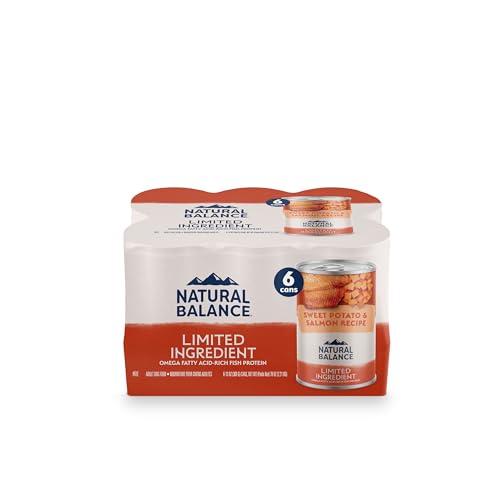
Natural Balance Limited Ingredient Sweet Potato & Salmon 13 oz

Hill’s i/d Low Fat Digestive Care Wet Dog Food

Dave’s Pet Food Bland Diet Chicken & Rice 13.2 oz

IAMS Proactive Health Wet Dog Food Beef & Chicken

Evanger’s Complements Vegetarian Dinner 12.5 oz Cans

Blue Buffalo True Solutions Weight Control Chicken
More Details On Our Top Picks
Weight management usually means boring food, and this Nutrish paté pushes back against that idea with four rotating flavor combinations: Beef & Pumpkin, Chicken & Apple, Turkey & Pumpkin, and Chicken, Pumpkin & Salmon. Each 13-ounce can is formulated specifically to help adult dogs maintain a healthy weight, which makes it a practical staple rather than an occasional treat.
In a busy household where one dog eats a maintenance diet and another needs portion control, the variety pack keeps mealtime interesting without juggling multiple brands. The smooth paté texture also suits older dogs who struggle with chunkier stews.
Strong Points
- Four flavor rotations keep picky eaters interested across a 12-can cycle
- Pumpkin appears in three recipes, adding gentle fiber most dogs tolerate well
- Sized generously at 13 ounces, so larger dogs get a full meal per can
- Natural adult formula with added vitamins and minerals covers baseline nutrition
Things To Consider
- Once opened, leftovers need refrigeration and should be used within a couple of days
- The variety format means you can’t hand-pick flavors in the standard pack
Key Specs
Made For
Adult dogs of medium to large size whose owners want a non-prescription, weight-aware wet food they can serve daily.
A Better Fit Elsewhere
Dogs recovering from a stomach upset will do better on Hill’s i/d Low Fat Digestive Care, which is built for active recovery rather than general maintenance.
Small breeds eat little but often, and a 13-ounce can opened twice a day goes stale fast. Optimeal solves that with 3-ounce pouches sized to a single serving, filled with tender morsels in aspic, a savory gel set from meat stock that holds moisture and flavor. Nothing gets wasted, and nothing sits half-open in the fridge.
The grain-free recipe leans on highly digestible animal protein plus prebiotic FOS, a fiber that feeds beneficial gut bacteria. Owners of fussy Chihuahuas and Yorkies commonly report the soft texture lands well with older small dogs who’ve lost interest in kibble.
What We Like
- Single-serve pouches eliminate storage hassle and portion guesswork entirely
- Omega-3 and Omega-6 fatty acids support skin and coat condition over time
- Prebiotic FOS and digestible proteins suit sensitive small-breed stomachs
Minor Gripes
- Three ounces won’t satisfy anything beyond toy and small breeds as a standalone meal
Who Will Love This
Owners of toy and small breeds under roughly 20 pounds who feed wet food daily and hate throwing out half-used cans.
Swap It Out When
Larger dogs needing a leaner maintenance diet are better served by the Nutrish Healthy Weight paté, with its bigger cans and weight-specific formulation.
Fewer ingredients mean fewer suspects when something upsets your dog. Natural Balance built its reputation on limited-ingredient diets, and this Sweet Potato & Salmon can distills the approach: one animal protein, one carbohydrate source, grain-free throughout. Salmon brings omega-3 fatty acids along with it, which show up in coat condition within weeks for many dogs.
Compared with the multi-flavor Nutrish pack reviewed earlier, this is a deliberate single-recipe choice. That’s exactly what elimination-style feeding calls for, though it does mean less variety at mealtime. The brand also offers seven other LID combinations, from Duck & Potato to Bison & Sweet Potato, so you have somewhere to rotate later.
Bright Spots
- Single protein and carb source simplify identifying food triggers
- Salmon-based omega-3s visibly improve coat shine for many owners
- Grain-free formula suits dogs with grain sensitivities
- Seven sibling recipes give you a rotation path once things settle
- 13-ounce cans work as complete meals or kibble toppers
Softer Spots
- Six-can packs run out faster than the 12-count competitors here
- Fish-based recipes carry a stronger aroma some kitchens notice
- Single-flavor format limits variety for indifferent eaters
At A Glance
Right Fit For
Dogs with suspected food sensitivities whose owners want a clean, short label during an elimination phase.
Where A Sibling Pick Shines
Budget-conscious shoppers running a bland-diet protocol will find Dave’s Pet Food Bland Diet more affordable for short-term use.
This is the option veterinarians reach for first when a dog needs genuinely low fat nutrition, whether that’s after a pancreatitis episode or during ongoing digestive trouble. Hill’s nutritionists and vets formulate the i/d line around highly digestible protein, and the ActivBiome+ ingredient technology is designed to activate the gut microbiome quickly, supporting the bacteria that do much of the digestive heavy lifting.
The Rice, Vegetable & Chicken Stew variant gives dogs something closer to a home-cooked texture than a uniform paté, which helps acceptance during recovery when appetite runs low. Unlike the grocery-brand picks on this list, it’s a therapeutic product, so expect a higher cost per ounce and plan to confirm it fits your dog’s specific diagnosis with your vet.
Reasons To Buy
- Explicitly low fat formulation targets pancreatitis-prone and fat-sensitive dogs
- ActivBiome+ technology supports rapid microbiome response during flare-ups
- Omega-3 and omega-6 fatty acids round out skin and coat support
- Stew texture encourages eating when appetite dips
Honest Caveats
- Prescription positioning means a vet conversation before switching long-term
- Cost per can runs above every other item in this roundup
Quick Facts
Whose Shelf It Belongs On
Dogs with vet-identified digestive conditions or a history of pancreatitis, where a clinically designed low fat formula matters more than price.
Not Your Match When
Healthy dogs simply carrying extra weight don’t need a therapeutic formula; Blue Buffalo True Solutions Weight Control handles that job at a friendlier cost.
Every dog owner eventually faces the 3 a.m. upset stomach, and the traditional answer, boiled chicken and white rice, takes hours to prepare. Dave’s puts that classic bland combination straight into a can, with a modest 6% crude fat level aimed at gentle digestion during flare-ups or dietary transitions. It’s the pragmatic middle ground between cooking from scratch and paying prescription prices.
The wider Dave’s lineup adds Turkey & Rice, Lamb & Rice, and specialty formulas like Restricted Sodium and Skin & Coat, so the same brand can cover different household needs. Compared with Hill’s i/d, this skips the clinical additives but costs far less per can, which matters when a flare-up diet might last a week or two.
Plus Points
- Simple chicken and white rice recipe mirrors the homemade bland diet
- 6% crude fat keeps meals easy on a troubled digestive system
- Ready in seconds, no boiling pot required at odd hours
- Broad sibling range covers joint, sodium, and skin concerns
Points To Note
- Minimalist recipes lack the targeted additives found in therapeutic formulas
Who Should Grab It
Owners managing occasional stomach upsets or food transitions who want a shelf-stable backup without a prescription conversation.
Reach For A Different Pick When
Chronic or recurring digestive disease calls for the clinically formulated Hill’s i/d Low Fat instead of a general bland diet.
Not every dog needs a specialized formula, and IAMS fills the everyday slot with a straightforward beef and chicken variety pack in 13-ounce cans. High-quality animal protein leads each recipe, supporting muscle maintenance and easy digestion, while antioxidants and essential nutrients back whole-body health across daily feeding.
Where this differs from the Nutrish pack earlier in the list is intent: IAMS targets general wellness rather than weight control, so it suits dogs already at a healthy body condition. Mixed households often run both, using IAMS for the fit dog and a leaner formula for the one on portion watch. Bulk two-pack options soften the per-can cost for multi-dog homes.
Highlights
- Real beef and chicken deliver familiar proteins most dogs accept readily
- Antioxidant blend supports everyday immune and whole-body health
- Two-pack purchasing keeps large dogs fed without frequent reorders
Trade Offs
- No explicit low fat or weight-management positioning on the label
- Two-protein variety offers less rotation than four-flavor packs
Core Details
Best Suited To
Healthy adult dogs at stable weight whose owners want dependable, widely available daily wet food.
Consider Something Else When
Dogs actively losing weight need the L-carnitine support in Blue Buffalo True Solutions Weight Control rather than a general maintenance recipe.
Plant-based canned food occupies a narrow but genuine niche: dogs with protein sensitivities, pets on elimination diets, and households blending meat and meatless meals. Evanger’s Vegetarian Dinner builds its recipe from recognizable produce, sweet potatoes, peas, carrots, brown rice, and cranberries, with no animal proteins, fillers, or artificial additives. Because plant matter is naturally lean, it sidesteps the fat question almost entirely.
The formula meets AAFCO nutrient profiles for all life stages and works for both dogs and cats, which simplifies things in mixed-pet homes. Most owners deploy it as a mixer or topper rather than a sole diet, and that flexibility is really its strength. One honest note: dedicated carnivores sometimes turn their noses up at a fully vegetarian bowl, so transition gradually.
Standout Traits
- Naturally low fat profile from plant-based ingredients
- Works as a complete meal or a flexible mixing base
- Serves both dogs and cats from the same can
- Recognizable produce list suits cautious label readers
Areas To Watch
- Meat-driven dogs may resist the flavor at first
- Vegetable content can loosen stools during abrupt transitions
- Longer-term exclusive feeding deserves a vet’s input
The Right Fit
Multi-pet households and dogs undergoing protein elimination trials who need a lean, plant-based option on hand.
Another Choice May Suit
Dogs needing animal protein with restricted fat fit better with Dave’s Bland Diet Chicken & Rice, which keeps meat as the base.
Weight loss fails most often because dogs act hungry, not because the food lacks nutrients. Blue Buffalo attacks that problem directly: real chicken leads the ingredient list, L-carnitine, an amino-acid compound that helps the body use fat, supports ideal body composition, and added fiber stretches satiety between meals. Veterinarians and PhD nutritionists shaped the formula, and the label omits chicken by-product meals along with corn, wheat, and soy.
Set against the Nutrish paté from earlier, this is the more engineered choice, trading flavor variety for a focused weight-control mechanism. Twelve 12.5-ounce cans cover several weeks of supplemental feeding for a mid-size dog, and the ingredient transparency gives cautious owners fewer questions to chase down.
Upsides
- L-carnitine targets fat metabolism, not just calorie cutting
- Added fiber helps dogs feel fuller between meals
- Real chicken as the first ingredient keeps palatability high
- No poultry by-product meals, corn, wheat, or soy on the label
- Vet-and-nutritionist formulation adds confidence for long-term use
Small Caveats
- Single chicken recipe offers no flavor rotation within the pack
- Chicken-based formulas exclude dogs with poultry sensitivities
Details At A Glance
Perfect Match For
Overweight adult dogs without poultry allergies whose owners want a science-backed weight program in can form.
Look Elsewhere When
Poultry-sensitive dogs should pivot to Natural Balance’s Sweet Potato & Salmon, which swaps chicken for fish protein entirely.
What Matters Before You Commit To A Lean Formula
Read The Fat Number, Not The Front Of The Can
Marketing copy rarely states crude fat percentage prominently, yet that number drives everything for pancreatitis-prone dogs. Flip to the guaranteed analysis panel and compare figures across brands; a “healthy weight” claim means little without it. Dave’s publishes its 6% figure openly, which is why it earns trust for flare-up feeding.
Match The Format To Your Routine
Canned food comes in 3-ounce pouches, 12.5-ounce stew cans, and 13-ounce patés, and the wrong size creates waste. Small-breed owners do better with single-serve pouches like Optimeal’s, while large-dog households benefit from bulk 12-count cases. Storage matters too: opened cans need refrigeration and get used within days.
Know When A Prescription Tier Is Justified
Therapeutic lines such as Hill’s i/d exist because some conditions demand clinically validated formulations, not just lean recipes. Chronic digestive disease, recurring pancreatitis, or post-surgery recovery all fall in that category. For general weight management in an otherwise healthy dog, mainstream options deliver solid results at lower cost.
Key Considerations Across These Picks
Traps First Timers Fall Into
Switching foods overnight is the classic error; abrupt changes commonly trigger the very stomach upset you’re trying to avoid. Blend new food into old over seven to ten days instead. Another slip is assuming “light” labeling equals low fat, since some weight formulas cut calories through portion sizing rather than recipe composition.
What Separates Premium From Basic
Higher-tier products pay for named functional compounds: ActivBiome+ in Hill’s, L-carnitine in Blue Buffalo, prebiotic FOS in Optimeal. Those additions justify themselves for dogs with diagnosed conditions or stubborn weight plateaus. Healthy dogs on maintenance diets rarely need them, so spend up only when a specific problem demands it.
Frequently Asked Questions
How much fat is considered low fat in canned dog food?
Most veterinary guidance treats roughly 10% crude fat or below, on a dry matter basis, as low fat for dogs needing restriction. Always verify the guaranteed analysis rather than trusting front-label claims.
Can healthy dogs eat low fat formulas?
Yes, healthy dogs can eat them safely, though they gain little benefit from therapeutic versions. Standard weight-management recipes suit fit dogs better than prescription digestive lines.
Should low fat food be served as a full diet or a topper?
Both approaches work depending on the goal. Dogs managing pancreatitis typically eat it exclusively, while weight-loss programs often mix it with regular kibble.
How long does an opened can stay fresh?
Refrigerated leftovers generally hold for two to three days in a sealed container. Single-serve pouches avoid the issue entirely for small dogs.
Do I need a vet’s approval for these foods?
Over-the-counter options like Nutrish or IAMS require no approval. Prescription-positioned products such as Hill’s i/d deserve a veterinary conversation first, especially for diagnosed conditions.
Wrap Up
Lean canned feeding comes down to matching the formula to the actual problem in front of you. Therapeutic digestion support points to Hill’s, budget flare-up coverage points to Dave’s, and everyday weight awareness points to Nutrish or Blue Buffalo. Start slow with any transition, watch how your dog responds over the first week, and let the results guide the restocking decision.
