

Dogs carrying extra weight or dealing with a touchy stomach need food that works with their body, not against it. A lower-fat recipe can ease digestion, support a healthy waistline, and keep mealtime enjoyable at the same time. The challenge is that “low fat” on a label can mean very different things depending on the brand, the format, and your dog’s specific needs. This roundup sorts eight solid options into clear categories so you can match the right formula to your dog without guesswork.
The Shortlist At A Glance

Nutrish Healthy Weight Wet Dog Food Paté 13 oz. Can, 12 Pack

Bully Max 25/11 High Protein & Low Fat Dry Lamb Dog Food

Hill’s Prescription Diet i/d Low Fat Digestive Care Wet Dog Food

Royal Canin Veterinary Diet Gastrointestinal LF Low Fat 6.6lb

Dave’s Pet Food Bland Diet Dog Food, Chicken & Rice, 12 pk

Hill’s Science Diet Perfect Weight & Joint Support Large Breed Dry Dog Food

Eagle Pack Natural Dry Reduced Fat Dog Food, Pork & Chicken, 30-Pound Bag
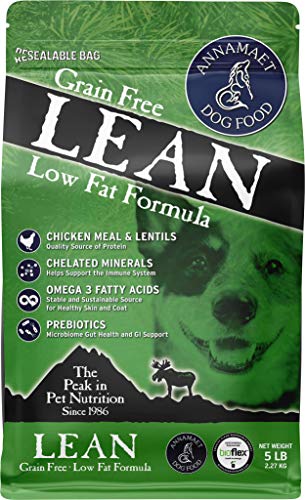
Annamaet Grain-Free Lean Reduced Fat Formula Dry Dog Food
More Details On Our Top Picks
Rotating flavors is the quiet trick behind this paté line. The twelve-can case mixes beef and chicken recipes, including beef with pumpkin, chicken with apple, chicken with pumpkin and salmon, and turkey with pumpkin, so a picky dog rarely gets bored. Each can runs thirteen ounces, which suits medium and large dogs as a full meal or smaller dogs across two servings.
The formulas are built for adult dogs working toward a healthier weight, with added vitamins and minerals and no filler ingredients. Visible veggie pieces give the texture some interest, which matters more than most people expect when a dog is transitioning off richer food.
Strong Points
- Four flavor combinations in one case keep mealtime fresh week after week.
- Pumpkin appears in several recipes, an ingredient many owners reach for to firm up stools.
- Formulated specifically to support healthy weight in adult dogs.
- Thirteen-ounce cans mean fewer open containers sitting in the fridge.
Things To Consider
- Opened cans need refrigeration and should be used within a couple of days, so plan portions before buying the larger pack.
- Wet food costs more per calorie than kibble over a year of feeding.
Quick Facts
Who It Suits Best
Owners of adult dogs who need weight management but refuse dry food will get the most from this case.
Where A Sibling Pick Shines
Dogs needing stricter digestive control are better served by Hill’s Prescription Diet i/d Low Fat below.
Most reduced-fat foods cut protein along with fat, and muscular breeds pay for it. Bully Max takes the opposite route: twenty-five percent protein against just eleven percent fat, a ratio designed to hold onto lean muscle while trimming calories. The lamb base also sidesteps chicken entirely, a real advantage for dogs with poultry sensitivities.
The large kibble size slows down fast eaters, something owners of big-jawed breeds tend to appreciate. It works for puppies through adults across breed sizes, though the five-pound starter bag makes sense before committing to the fifteen-pound option.
What We Like
- High protein with low fat supports muscle retention during weight loss.
- Chicken-free lamb recipe suits dogs with poultry allergies.
- Large kibble encourages slower chewing in enthusiastic eaters.
Minor Gripes
- Small dogs may struggle with the oversized kibble pieces.
- Per-pound cost sits above mainstream grocery brands.
Made For
Athletic breeds like pit bulls and rottweilers that need conditioning without excess fat belong here.
Swap It Out When
Grain-sensitive dogs often do better on Annamaet’s Lean formula further down this list.
This one sits in a different category than everything else here: it’s a therapeutic diet developed by Hill’s nutritionists and veterinarians for dogs whose digestive systems need genuine intervention. The stew-style recipe pairs rice, vegetables, and chicken with highly digestible protein, aimed at settling upset stomachs that require a low-fat approach.
Hill’s ActivBiome+ technology, a blend designed to feed beneficial gut bacteria quickly, is the headline feature. Omega-3 and omega-6 fatty acids round out the profile. Talk with your veterinarian first, since prescription diets are meant for diagnosed conditions rather than casual switching.
Highlights
- Formulated by veterinary nutritionists specifically for digestive upset recovery.
- ActivBiome+ ingredient technology targets the gut microbiome directly.
- Stew texture tempts dogs whose appetite drops during GI trouble.
- Omega fatty acids support skin and coat alongside digestion.
Small Caveats
- Requires a vet conversation before use, which adds a step other picks don’t have.
- Costs noticeably more per ounce than everyday wet food.
Feature Snapshot
Right Fit For
Dogs recovering from pancreatitis episodes or chronic digestive trouble, under veterinary guidance, fit this best.
Another Choice May Suit
For milder, non-prescription tummy troubles, Dave’s Pet Food Bland Diet offers a gentler entry point.
Where Hill’s i/d leans on microbiome science, Royal Canin’s gastrointestinal LF formula focuses on prebiotics, fibers that feed the good bacteria already living in your dog’s gut. The dry kibble format makes it practical for long-term feeding, unlike the short-course wet diets most dogs only eat during recovery.
It’s labeled veterinary-exclusive, meaning it’s intended for dogs with diagnosed digestive concerns rather than general wellness. Size flexibility is a genuine strength here: bags run from 1.5 pounds up to 28.6 pounds, so you can trial small before stocking up.
Upsides
- Prebiotics help sustain healthy gut bacteria over months of feeding.
- Easy-to-digest low fat design targets ongoing digestive sensitivity.
- Four bag sizes let you scale commitment to your dog’s response.
Points To Note
- Kibble should be stored in a sealed container to preserve freshness once opened.
- Like all veterinary diets, it deserves a professional opinion first.
At A Glance
Best Suited To
Dogs needing a maintenance-level low fat diet for months, not days, get the most value here.
Look Elsewhere When
Short-term recovery feeding is better handled by the Hill’s i/d wet stew reviewed earlier.
Every dog owner eventually faces the classic scenario: loose stool, an unhappy pup, and a vet suggesting plain chicken and rice. This canned version does that job without the stovetop work. At roughly six percent crude fat, it’s among the gentlest formulas in this entire lineup, built around simple chicken and white rice.
Dave’s sells several sibling recipes too, including lamb and rice, turkey and rice, and a skin-and-coat chicken with sweet potato, so there’s room to rotate once things settle. For the price, it’s hard to argue with as a pantry backup.
Bright Spots
- Six percent crude fat makes it easy on compromised digestion.
- Simple two-ingredient core mirrors home-cooked bland diets.
- Ready to serve, saving you the boiling and cooling routine.
Honest Caveats
- Minimalist recipes lack the vitamin fortification of complete daily diets, so they’re better as transitional food.
- Some dogs find bland flavors unexciting after a few days.
Whose Shelf It Belongs On
Anyone with a dog prone to occasional stomach upsets should keep a case on hand.
Not Your Match When
Ongoing weight management calls for a complete formula like Nutrish Healthy Weight instead.
Large breeds face a double burden: extra pounds stress joints that are already working hard. This Science Diet recipe attacks both problems at once, pairing a weight-management formula with omega-3 rich fish oil chosen for hip and joint support. The chicken and brown rice base uses natural ingredients made in the USA.
Hill’s reports that more than seventy percent of dogs lost weight within ten weeks in a US study of the underlying formula, a figure worth discussing with your own vet. Compared with Eagle Pack’s reduced fat bag later in this list, this one adds explicit joint targeting rather than just glucosamine.
Reasons To Buy
- Weight management and joint mobility addressed in a single bowl.
- Fish oil supplies EPA, an omega-3 tied to joint comfort.
- Antioxidants support immune health during a weight loss program.
- Large-breed-specific formulation accounts for bigger frames.
Softer Spots
- Transition gradually over a week to avoid stomach upset, a common report with any diet switch.
- Not formulated for small or toy breeds.
Core Details
Who Will Love This
Owners of overweight Labradors, German shepherds, and similar large breeds juggling weight and stiffness should start here.
Reach For A Different Pick When
Smaller overweight dogs do better with the Nutrish wet paté or Bully Max lamb kibble instead.
Feeding two or three dogs a specialty diet gets expensive fast, and that’s where this thirty-pound bag earns its place. Eagle Pack’s reduced fat pork and chicken recipe balances protein and carbohydrates with fewer calories, aimed at less active or overweight adult dogs. The brand has been making performance nutrition for over three decades.
Glucosamine for joints, omega fatty acids for coat condition, and antioxidants for immunity are folded in, and the formula skips corn, wheat, meat byproducts, and artificial colors or preservatives. It’s a straightforward, honest bag of food without boutique pricing.
Plus Points
- Thirty-pound supply lowers the per-meal cost considerably.
- Glucosamine supports joints while calories drop.
- No corn, wheat, byproducts, or artificial additives.
Trade Offs
- A large opened bag needs an airtight bin to stay fresh in humid climates.
- Pork and chicken base won’t suit poultry-allergic dogs.
The Right Fit
Multi-dog households managing weight across several adult dogs stretch this bag furthest.
Consider Something Else When
Dogs needing grain-free nutrition should move to Annamaet Lean, covered next.
Annamaet built this Lean formula with roughly half the fat of its standard grain-free recipes, developed alongside a veterinary nutritionist for dogs prone to gaining weight. Chicken and duck provide the protein, and L-carnitine, an amino acid compound associated with better fat utilization, helps maintain lean mass while calories drop.
The family-owned company cooks in small artisanal batches, uses chelated minerals for absorption, and sources meats passed fit for human consumption. Packaging even uses Bio-Flex materials designed to biodegrade in landfills. You’re paying for craft here, and for the right dog, it shows.
Standout Traits
- Half the fat of comparable grain-free formulas supports weight control.
- L-carnitine aids fat metabolism and lean body preservation.
- Proteinated minerals improve nutrient uptake.
- No corn, wheat, soy, or GMO ingredients.
- Small-batch production with strict quality standards.
Areas To Watch
- Five-pound trial bags run out quickly for large dogs, so budget for the 25-pound size.
- Premium pricing puts it above every other dry option in this list.
Details At A Glance
Who Should Grab It
Grain-sensitive, weight-prone dogs whose owners want premium sourcing justify the spend here.
Skip It When
Budget-focused multi-dog feeding points straight back to the Eagle Pack thirty-pound bag.
What Matters Most Before Choosing Low Fat Dog Foods
Match The Format To The Problem
Weight management and digestive trouble are different problems wearing similar labels. A reduced-fat kibble like Bully Max or Eagle Pack handles gradual weight loss well, while a genuinely upset gut usually needs a therapeutic or bland formula first. Decide which problem you’re solving before comparing brands.
Read The Fat Number, Not The Claim
“Reduced fat” means little without context. Look for the crude fat percentage on the guaranteed analysis: Dave’s sits near six percent, Bully Max around eleven, and therapeutic diets fall lower still. Your veterinarian can tell you the target range for your dog’s specific condition.
Plan The Transition
Switching foods cold turkey invites diarrhea, which defeats the purpose entirely. Blend increasing amounts of the new food into the old over seven to ten days. Owners who rush this step commonly report loose stools that look like a food failure when it’s really a pacing problem.
Factor In Total Cost Of Feeding
A cheap per-bag price can hide a high daily cost if serving sizes run large, and wet food almost always costs more per calorie than kibble. Multiply the daily portion by the bag price before committing, especially for large breeds eating four cups a day.
Key Considerations Across These Picks
Traps First Timers Fall Into
The biggest mistake is buying a low fat food without confirming why your dog needs one. Pancreatitis history, obesity, and simple pickiness call for different answers. Another common slip is ignoring the guaranteed analysis panel and trusting front-of-bag marketing language instead of the actual numbers.
What Separates Premium From Basic
Higher-tier formulas spend money on ingredient quality and targeted additives: chelated minerals, named meat meals, L-carnitine, prebiotic fibers, and small-batch production. Basic foods meet nutritional minimums at lower cost. Paying up makes sense for dogs with diagnosed conditions or persistent sensitivities; for healthy dogs simply trimming weight, a mid-range option usually does the job fine.
Frequently Asked Questions
How much fat should low fat dog food contain?
Most foods marketed as low fat fall between five and eleven percent crude fat. Therapeutic digestive diets typically sit at the lower end of that range.
Can healthy dogs eat low fat food?
Yes, generally, though there’s no benefit unless weight loss or digestion warrants it. Confirm the plan with your veterinarian before making it permanent.
Is wet or dry better for low fat feeding?
Dry food usually offers easier portioning and lower cost per calorie. Wet food helps with hydration and tempts dogs with poor appetites.
How long until I see weight loss results?
Most structured programs show measurable change within eight to ten weeks. Slower loss is actually safer for dogs than rapid dropping.
Do I need a prescription for these foods?
Only the Hill’s i/d and Royal Canin veterinary formulas are intended for diagnosed conditions under vet guidance. The remaining picks are standard retail products.
Closing Thoughts
Every dog on this list earned its spot for a specific reason, whether that’s flavor variety, muscle-friendly protein ratios, or clinical digestive support. Start by naming your dog’s actual problem, check the fat percentage against your vet’s guidance, and transition slowly. The right choice is the one your dog eats happily while the numbers move in the right direction.
