

Bulldogs scratch, lick, and chew their paws more than most breeds, and food sensitivities are often the reason. The wrong kibble keeps the cycle going no matter how many baths or sprays you try. The right one can quiet irritated skin, settle a gassy stomach, and give your dog back some comfort within weeks of a proper switch.
This roundup covers seven formulas built with sensitive dogs in mind, from hydrolyzed prescription diets to limited-ingredient recipes with short, readable labels. Each entry explains what the formula does well, where it falls short, and which type of bulldog owner it actually suits. A quick note worth keeping in mind: any suspected food allergy deserves a conversation with your vet before you commit to a new bag, since elimination diets work best under guidance.
The Shortlist At A Glance

Hill’s Prescription Diet z/d Skin/Food Sensitivities Dry Dog Food

Blue Buffalo Life Protection Formula Salmon Adult Dry Dog Food

Open Farm Ancient Grains Grass-Fed Beef Kibble 4lb Bag
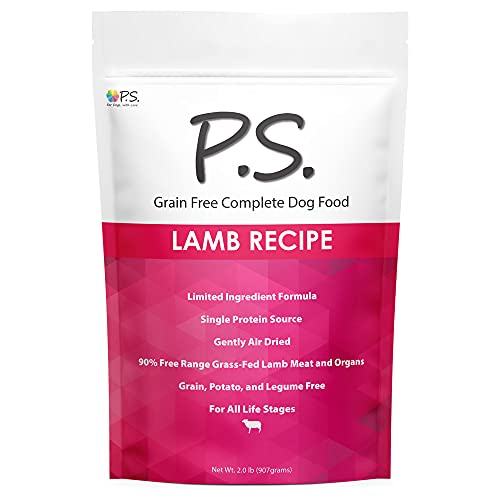
Ps for Dogs Hypoallergenic Air-Dried Lamb Dog Food

Nutro Limited Ingredient Diet Lamb & Sweet Potato 4 lb

Nulo FreeStyle Salmon & Peas Grain Free Dog Food 6lb

Natural Balance Limited Ingredient Duck & Potato 22 lb
More Details On Our Top Picks
This is the option most vets reach for when a bulldog’s itching points squarely at food. The proteins inside are highly hydrolyzed, meaning they’re broken into fragments so small the immune system struggles to recognize them as triggers. Formulated by Hill’s nutritionists and veterinarians specifically for adverse food reactions, it’s designed to calm both skin flare-ups and digestive upset at once.
In a real household, that translates to fewer red belly patches and less midnight scratching after the transition period ends. Omega-6 and omega-3 fatty acids support the skin barrier from the inside, which matters for a breed whose folds trap moisture and irritation. It comes in several bag sizes plus a small-bites variant, so smaller bulldogs get an easier chew.
Strong Points
- Hydrolyzed protein sidesteps common immune triggers entirely
- Omega fatty acid levels support skin recovery during elimination trials
- Multiple bag sizes suit both trial runs and long-term feeding
- Small-bites option helps brachycephalic jaws crunch comfortably
Things To Consider
- Prescription status means your vet needs to authorize it first
- Costs more per pound than over-the-counter alternatives
Key Specs
Who It Suits Best
Dog owners working through a vet-supervised elimination diet who want the most controlled formula available.
A Better Fit Elsewhere
Shoppers avoiding prescriptions will find Nutro’s Limited Ingredient Lamb & Sweet Potato easier to start without a clinic visit.
Chicken sits behind a surprising share of canine food sensitivities, and this Blue Buffalo recipe removes it completely. Real salmon leads the ingredient list instead, paired with brown rice in a balanced adult formula. Unlike the hydrolyzed approach of the Hill’s z/d above, this one takes the simpler route of swapping out a suspect protein while keeping everyday nutrition intact.
The Life Protection line spans several flavors, so households juggling multiple dogs can stay within one brand family. Owners commonly report it as an easy first step before jumping to stricter limited-ingredient diets. The 5 lb bag also makes a low-commitment trial size.
What We Like
- Chicken-free salmon base avoids the most common trigger protein
- Salmon brings natural omega fats for coat condition
- Trial-friendly 5 lb sizing limits waste during transitions
Worth Noting
- Not a true limited-ingredient diet, so severe cases may need something stricter
- Brown rice won’t suit bulldogs with confirmed grain sensitivities
Made For
Owners whose bulldog shows mild itchiness around chicken-based foods and wants a widely available swap.
Where A Sibling Pick Shines
Dogs needing a shorter label do better on the Nutro Limited Ingredient Diet, which caps its recipe at ten key ingredients.
Not every sensitive bulldog needs grain-free, and Open Farm builds its case here. This recipe blends grass-fed beef with gentle ancient grains such as oats and quinoa, plus additions like pumpkin and coconut oil chosen for digestibility. Where Blue Buffalo simply swaps proteins, Open Farm leans on sourcing transparency, publishing where each ingredient originates.
For a breed prone to gas and loose stools, the fiber from oats and pumpkin can make daily cleanup noticeably easier. Non-GMO fruits and vegetables round out the bowl without filler-heavy corn or soy. One honest caveat: beef is a fairly common allergen, so this suits dogs whose triggers lean toward chicken rather than red meat.
Highlights
- Ancient grains offer fiber without modern wheat or corn
- Grass-fed beef delivers strong protein quality
- Pumpkin and coconut support digestive regularity
- Published sourcing adds confidence about what’s in the bag
Minor Gripes
- Beef base rules it out for red-meat-sensitive dogs
- Smaller 4 lb bag means frequent reordering for large bulldogs
Feature Snapshot
Right Fit For
Owners who prioritize ethical sourcing and want a grain-inclusive option for a chicken-sensitive dog.
Swap It Out When
Confirmed grain allergies call for the Nulo FreeStyle Salmon & Peas, which skips grains altogether.
Paw licking is the signature bulldog complaint, and this brand builds its entire identity around it. The formula uses human-grade New Zealand lamb in a limited-ingredient, grain-free recipe, air-dried into soft meaty pieces rather than extruded kibble. Its makers point to a low-glycemic profile intended to discourage yeast growth on paws, the frequent culprit behind constant licking and biting.
The soft texture doubles as a training treat, which picky eaters tend to appreciate. Compared with the clinical framing of Hill’s z/d, this feels more like a lifestyle fix aimed at skin, odor, and itchiness together. Results vary dog to dog, though the single-protein design gives you a clean variable to judge.
Upsides
- Limited-ingredient lamb base simplifies trigger identification
- Air-dried pieces work as both meal and reward
- Low-glycemic formulation targets yeast-related paw chewing
- Soft texture suits older bulldogs with dental wear
Softer Spots
- Air-dried formats cost noticeably more per serving than kibble
- Some owners report a slow transition period as dogs adjust
Quick Facts
Who Will Love This
Owners of chronic paw lickers who want a natural, single-protein route before considering medication.
Consider Something Else When
Vet-directed cases with confirmed immune reactions belong with the Hill’s Prescription Diet z/d instead.
Short labels are the whole point here: ten key ingredients or fewer, with lamb listed first and sweet potato handling the carbs. Chicken, dairy protein, beef, corn, wheat, soy, and chicken by-product meal are all left out, which strips away most of the usual suspects in one move. Trace amounts can appear due to shared manufacturing lines, a detail worth knowing for severely allergic dogs.
Omega-3 and omega-6 fatty acids nourish sensitive skin, while vitamin E and selenium support immune health. Against the pricier P.S. For Dogs lamb recipe, this delivers a similar novel-protein logic at standard kibble economics, and the 22 lb option rewards households past the trial stage.
Plus Points
- Ten-or-fewer ingredient list makes reactions easy to trace
- Lamb-first formula avoids chicken, beef, and dairy proteins
- Omega fatty acids visibly improve coat softness for many owners
- Large 22 lb bag stretches further than boutique brands
Points To Note
- Shared facility lines mean trace cross-contact is possible
- Only two flavor directions, limiting rotation options
Details At A Glance
Whose Shelf It Belongs On
First-time eliminators who want a credible limited-ingredient diet without boutique pricing.
Reach For A Different Pick When
Grain-free requirements push you toward the Natural Balance Duck & Potato below, which drops grains entirely.
Stocky breeds carry a lot of muscle on a short frame, and Nulo feeds that build. Deboned salmon leads the recipe, with roughly 80 percent of the protein coming from animal sources to support lean mass and steady energy. Probiotics are included for gut balance, a meaningful addition given how often digestive trouble travels alongside food sensitivities.
Skin and coat get direct attention too, thanks to fish-derived omega-3 and omega-6 fatty acids plus biotin, zinc, and copper. Compared with the gentler Nutro lamb recipe, this one reads like fuel for an active adult bulldog rather than a strict elimination tool. Three flavor variants keep rotation simple across the line.
Bright Spots
- Animal-based protein share supports dense muscle maintenance
- Probiotics aid gut stability during dietary changes
- Biotin, zinc, and copper reinforce coat quality from within
- Salmon base sidesteps poultry proteins completely
Honest Caveats
- Peas as a primary carb don’t suit every grain-free skeptic
- Rich formula may need a slower switch for touchy stomachs
Best Suited To
Owners of energetic, muscular bulldogs who need grain-free nutrition with genuine performance density.
Another Choice May Suit
Less active seniors often do better on the lighter Open Farm Ancient Grains recipe with its oat-based fiber.
Duck rarely appears in budget kibble, yet here it anchors a simplified, grain-free recipe in a generous 22 lb bag. Natural Balance keeps the list deliberately short: one main animal protein, potato for energy, and little else competing for space. That economy of design is exactly what an elimination trial needs, and the Reserve line positions it a step above the brand’s standard offerings.
Five flavor variants exist across the family, from bison to venison, giving you rotation paths once triggers are mapped. Households running two bulldogs will appreciate how far the large bag goes compared with the 4 lb Open Farm or Nutro options earlier in this list.
Reasons To Buy
- Duck offers a genuinely uncommon protein for sensitive dogs
- Grain-free potato base suits confirmed grain allergies
- 22 lb sizing lowers cost per serving for daily feeders
- Wide flavor range supports structured protein rotation later
Areas To Watch
- Large bags demand airtight storage to preserve freshness
- Reserve tier carries a higher price than the standard line
Core Details
The Right Fit
Multi-dog homes and long-term feeders who have already identified duck as a safe protein.
Look Elsewhere When
Small trial batches make more sense, and the 5 lb Blue Buffalo salmon bag covers that cheaply.
Choosing Between These Bulldog Allergy Foods
Match The Formula To The Suspected Trigger
Start with what your dog has eaten longest. Chicken appears in most mainstream kibbles, so a bulldog raised on chicken-heavy diets often improves fastest on lamb, salmon, or duck alternatives. Hydrolyzed diets like the Hill’s z/d remove guesswork entirely but require veterinary authorization.
Severity matters just as much. Mild seasonal-style itching may respond to a simple protein swap, while open sores, ear infections, and constant paw chewing usually justify the stricter path.
Read Labels Like A Detective
Limited-ingredient diets earn their name honestly only when the list stays short. Ten key ingredients or fewer, as Nutro commits to, leaves nowhere for hidden triggers to hide. Watch for vague terms such as animal fat or meat meal, which can mask poultry sources.
Cross-contact deserves attention too. Several manufacturers note shared facility lines, and severely allergic dogs sometimes react to traces alone.
Plan The Transition Properly
Switching cold turkey muddies results and upsets stomachs. Blend increasing amounts of the new food across seven to ten days, then hold steady for eight to twelve weeks before judging skin outcomes. Coat and skin cells turn over slowly, so patience is part of the protocol.
Keep treats and table scraps consistent during the window, since a single chicken-flavored biscuit can undo weeks of progress.
Smart Notes Before You Commit
Traps First Timers Fall Into
The biggest mistake is judging a new food in two weeks. Skin recovery lags well behind digestive improvement, and abandoning a suitable formula early restarts the whole cycle. Another common slip is ignoring treats, chews, and flavored medications, all of which can carry the very proteins you’re trying to avoid.
The Upgrade Payoff
Premium tiers buy tighter sourcing, single-protein clarity, and extras like probiotics or published ingredient origins. For mild cases, a solid mid-range limited-ingredient diet does the job. Chronic, severe reactions are where the pricier hydrolyzed and air-dried options earn their cost through precision.
Bottom Line
Your bulldog’s skin tells you everything; the food just needs to stop arguing with it. Start narrow, whether that’s a vet-guided hydrolyzed diet or a ten-ingredient lamb recipe, and give the switch a fair twelve weeks. Track what changes, rotate proteins once things settle, and loop your vet in whenever symptoms escalate. One patient bag at a time, most sensitive bulldogs find their footing again.
