

A cat that scratches through the night is exhausting for both of you. Skin allergies in cats often trace back to diet, and switching what goes in the bowl is usually the first step a vet will suggest. This shortlist covers hydrolyzed prescription diets, sensitive-skin formulas, wet food variety packs, and even a supplement chew, so you can match the fix to your cat’s specific trigger.
The Shortlist At A Glance

Hill’s Prescription Diet z/d Skin/Food Sensitivities Dry Cat Food

Hill’s Science Diet Sensitive Stomach & Skin Wet Variety Pack

Royal Canin Hair & Skin Care Adult Dry Cat Food 6 lb

Hill’s Science Diet Sensitive Stomach & Skin Stew Pack
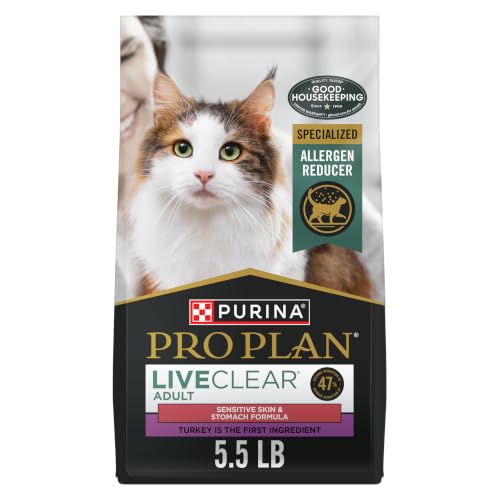
Purina Pro Plan LiveClear Sensitive Skin & Stomach 5.5 lb

Purina ONE Plus High Protein Salmon & Whitefish 3.5 lb

VetIQ Allergy Pro+ Relief Cat Chews 3.7oz
More Details On Our Top Picks
This is the option built for cats whose itching has already been linked to food by a veterinarian. The proteins inside are highly hydrolyzed, meaning they’re broken into fragments too small for the immune system to recognize as triggers. That single design choice is why elimination diets so often start here.
In a household where constant scratching has worn everyone down, this kibble targets both the skin barrier and the digestive upset that adverse food reactions tend to cause. It comes in 4-pound and 8.5-pound bags, which matters because an elimination trial typically runs eight to twelve weeks of exclusive feeding.
Strong Points
- Hydrolyzed protein slips past the immune system, giving irritated skin a genuine chance to calm down over a full feeding trial.
- Formulated by Hill’s nutritionists and veterinarians specifically for food sensitivities rather than as a general adult formula.
- Supports the skin barrier itself, addressing irritation at the source instead of masking symptoms.
- Two bag sizes let you commit to a trial without overbuying for a single-cat home.
Things To Consider
- A veterinary authorization is typically required before purchase, so expect a conversation with your vet first.
- The premium formulation carries a higher cost per pound than over-the-counter sensitive-skin foods.
Key Specs
Who It Suits Best
Cats with a vet-confirmed food sensitivity whose owners want the most targeted dietary tool available.
Where A Sibling Pick Shines
Cats with milder, undiagnosed coat dullness may do better on the Royal Canin Hair & Skin Care formula, which needs no prescription.
Where the z/d diet above requires a prescription, this wet food pack sits on the open shelf and covers four flavors: chicken, tuna, duck, and salmon, all in a minced texture. That variety earns its keep fast. Cats with sensitive stomachs are famously fickle, and rotating proteins keeps mealtime from becoming a standoff.
The minced format also helps older cats or those with dental quirks who struggle with large chunks. Owners commonly report that the soft texture mixed with a dry sensitive-skin kibble stretches the budget while keeping hydration up, which matters since moisture supports skin health from the inside.
What We Like
- Four distinct proteins give picky cats genuine rotation instead of one flavor they’ll eventually reject.
- Minced pieces suit senior cats and small mouths better than chunk-heavy pâtés.
- Wet format adds daily moisture, a quiet but real contributor to healthier skin.
Worth Noting
- Opened cans need refrigeration and get used quickly, so plan storage before buying multipacks.
- It’s a general sensitive-skin formula, not a hydrolyzed one, so confirmed food allergies may still flare.
Made For
Owners of fussy adult cats who want shelf-stable variety without a vet visit.
Swap It Out When
Cats who prefer gravy over minced meat will likely take to the Hill’s stew pack at number four more readily.
Royal Canin approaches the problem from the coat outward. Rather than removing allergens, this formula concentrates precisely balanced nutrients that protect the skin’s barrier and feed healthy hair growth. The brand states coat shine improves noticeably after three weeks of exclusive use, a timeline worth marking on the calendar.
For cats dealing with dandruff or a dull, brittle coat rather than acute allergic flare-ups, this hits a middle ground the Hill’s z/d doesn’t aim for. It’s designed for adults a year and older, and it pairs directly with Royal Canin’s matching wet formula if you run a mixed feeding routine.
Bright Spots
- Nutrient balance targets dandruff and dullness, problems many owners mistake for allergies.
- Manufacturer reports visible coat shine improvement after 21 days, giving you a clear checkpoint.
- Designed to complement Royal Canin’s Hair & Skin Care wet food for mixed diets.
- Available in 3-pound and 6-pound bags for different household sizes.
Small Caveats
- Kibble-only format means less moisture than the wet picks here, something dehydrated-prone cats may miss.
- It supports skin generally; it won’t resolve a true protein allergy the way item one can.
At A Glance
Best Suited To
Adult cats with dry, flaky skin and lackluster coats whose issues haven’t been pinned to a specific ingredient.
Reach For A Different Pick When
A diagnosed food allergy calls for the hydrolyzed approach of the Hill’s z/d instead.
Same sensitive-stomach-and-skin line as pick two, completely different eating experience. Instead of minced loaves, these 2.8-ounce cups deliver chicken and beef or salmon and tuna in a savory gravy. Gravy-loving cats tend to clean the bowl, and that enthusiasm makes medication time and routine feeding noticeably easier.
The small cup size suits portioned feeding well: one cup per meal means no half-empty cans drying out in the fridge. High-quality protein supports lean muscle, and vitamin E plus fatty acids nourish skin and fur, the same nutritional logic behind the rest of this list in a format cats often find irresistible.
Plus Points
- Gravy texture wins over cats who turn their nose up at minced or pâté styles.
- Single-serve 2.8 oz cups eliminate leftover storage entirely.
- Vitamin E and fatty acids feed skin and coat with every serving.
Points To Note
- Only two flavor combinations versus four in the minced pack, so rotation is narrower.
- Small portions mean larger cats go through packs faster than you might expect.
Whose Shelf It Belongs On
Gravy devotees and owners who value zero-waste single servings over bulk cans.
Another Choice May Suit
Multi-flavor households get better variety from the minced Hill’s pack reviewed earlier.
Here’s the twist none of the other picks offer: this kibble reduces the allergen in your cat’s hair and dander. An egg-based protein binds Fel D 1, the compound responsible for most human cat allergies, neutralizing it at the source. For households where a family member sneezes around the cat, that changes the math entirely.
The skin side isn’t neglected either. Natural prebiotic fiber feeds beneficial gut bacteria, and guaranteed live probiotics support digestion and immune function. Choose salmon and rice or turkey and oatmeal, in 5.5-pound or 12.5-pound bags depending on how committed your pantry space allows.
Standout Traits
- Egg-based protein targets Fel D 1, easing symptoms for allergic humans sharing the home.
- Live probiotics plus prebiotic fiber address the gut-skin connection from two directions.
- Two protein recipes and two bag sizes cover different palates and households.
- Backed by Purina Pro Plan’s research-driven formulation reputation.
Softer Spots
- Allergen reduction builds gradually, so human symptoms won’t ease overnight.
- Oatmeal and rice grains won’t suit owners strictly avoiding carbohydrates.
Quick Facts
Who Will Love This
Multicat homes where a family member’s cat allergy complicates ownership but nobody wants to rehome anyone.
Look Elsewhere When
The cat’s own food sensitivity is the priority; the hydrolyzed Hill’s z/d remains the sharper tool there.
Not every itchy cat needs a specialty formula. Sometimes the issue is simply a diet short on omega-6 fatty acids, the fats that keep skin supple and coats glossy. This Purina ONE recipe leads with real salmon, delivers 38 percent protein for lean muscle, and skips artificial flavors, preservatives, and fillers entirely.
Compared with the Royal Canin above, it trades tailored skin-nutrient precision for a lower cost per pound and broader everyday nutrition. For a healthy adult cat with mild seasonal dullness rather than a diagnosed condition, that trade often makes sense. The 16-pound bag brings the per-serving cost down further for multi-cat kitchens.
Reasons To Buy
- Real salmon as the first ingredient puts omega-rich fish at the front of every bowl.
- 38 percent protein supports muscle maintenance, including the heart.
- No fillers or artificial additives keeps the ingredient list honest.
- Large-bag option stretches value across several months of feeding.
Minor Gripes
- General wellness positioning means it lacks the targeted nutrients of dedicated skin formulas.
- Fish-forward recipes can produce a noticeable odor some owners report disliking indoors.
Right Fit For
Budget-minded owners supporting a healthy adult cat’s coat without specialty-diet pricing.
Not Your Match When
Confirmed sensitivities call for the hydrolyzed precision of the Hill’s z/d, not a general formula.
Everything else on this list replaces the bowl. These chews sit alongside it. VetIQ packs L-lysine for immune support, colostrum for seasonal allergy comfort, fish oil for skin and coat, and Sporevia probiotics for gut balance into a crunchy-outside, creamy-inside treat in chicken flavor. No prescription, no diet overhaul, just a daily chew.
That format solves a real problem: cats who refuse therapeutic diets often accept treats willingly. Seasonal itchiness, the kind that flares in spring and settles by fall, responds better to supplemental support than to a permanent food switch anyway. The dual-texture design exists specifically to win over choosy cats, and the savory fat coating does most of the persuading.
Highlights
- Four functional ingredients, lysine through probiotics, cover immune, skin, and gut support in one chew.
- Crunchy shell with soft center appeals to texture-driven cats who reject pills and powders.
- Treat format slips into existing routines without changing meals.
Honest Caveats
- Supplements complement but don’t replace a therapeutic diet when a true food allergy is confirmed.
- Chews add calories, so portion them against your cat’s daily intake to avoid gradual weight gain.
Core Details
Perfect Match For
Cats with mild seasonal itching whose regular diet stays unchanged and whose owners want needle-free support.
Consider Something Else When
A diagnosed food allergy demands the Hill’s z/d hydrolyzed diet rather than a supplemental chew.
Choosing Between Foods For Cats With Skin Allergies
Identify The Trigger First
Skin reactions in cats come from three broad sources: food ingredients, environmental allergens like pollen, and flea sensitivity. Each calls for a different response. A hydrolyzed diet such as the Hill’s z/d addresses food triggers, while the VetIQ chews lean toward seasonal discomfort. Guessing wastes weeks of your cat’s comfort, so a vet conversation before purchasing pays for itself.
Read The Protein Story
Protein is where most food allergies live. Hydrolyzed formulas pre-break proteins into invisible fragments; novel or limited-ingredient recipes swap common proteins for less familiar ones; standard formulas simply lean on quality sources like salmon. Match the depth of intervention to the severity of the problem rather than defaulting to the strongest option available.
Factor In Format And Routine
The best formula fails if your cat refuses it. Wet packs add moisture and suit dental-sensitive cats, kibble stores easily and costs less per serving, and treat-format supplements slot into existing habits. Honest self-assessment of your cat’s texture preferences prevents a cupboard full of rejected bags.
Plan The Transition Window
Skin cells renew slowly, so dietary results typically show over three to eight weeks. Switch foods gradually across seven to ten days to avoid digestive upset, then hold steady long enough to judge fairly. Constant formula-hopping resets the clock every time.
Key Considerations Across These Picks
Traps First Timers Fall Into
The most common misstep is treating all itching as a food allergy. Environmental causes respond poorly to diet changes, leaving owners frustrated after an expensive month. Another frequent error is switching formulas every few days; skin improvement needs a consistent window to appear. Buy one appropriate option, commit fully, and track what changes.
The Case For Spending Up
Prescription-grade hydrolyzed diets cost more because breaking proteins down is genuinely difficult chemistry, not marketing. The same logic applies to Purina Pro Plan’s Fel D 1 research, developed over a decade. Where symptoms are severe or diagnosed, the premium tier buys precision that generic sensitive-skin labels can’t replicate.
Wrap Up
Skin allergies make cats miserable and their people helpless, but the right bowl content shifts the odds considerably. Start with a vet’s read on the trigger, choose the formula depth that matches it, and give any change a fair eight-week window. Your cat’s calmer evenings will tell you whether the switch landed.
