

A heart murmur diagnosis changes how you shop for your dog overnight. Suddenly every label gets flipped over, and sodium becomes the first thing you scan for instead of an afterthought. This shortlist gathers eight options worth discussing with your vet, from everyday wet food to heart-focused senior chews and prescription formulas. Each one earns its place on ingredients, formulation intent, and how realistically it fits into a daily feeding routine.
The Shortlist At A Glance

Nutrish Healthy Weight Wet Dog Food Paté 12 Pack

ARK NATURALS Gray Muzzle Heart Healthy Senior Chews 60 ct

Whole Paws Beef & Lentil Feast Wet Dog Food 13.2 oz

Nutrish Salmon Dry Dog Food 4.5 lb Bag

Hill’s Prescription Diet Original Crunchy Dog Treats

Hill’s i/d Low Fat Digestive Care Wet Dog Food
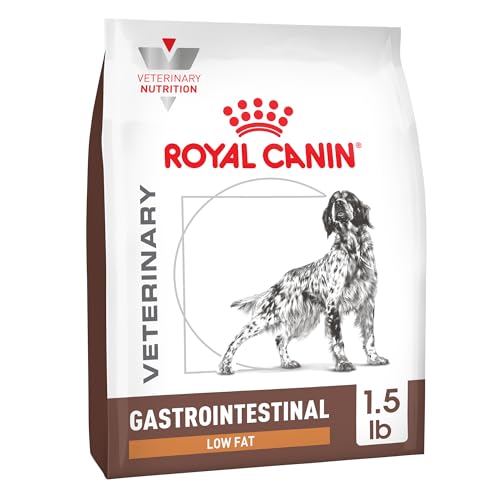
Royal Canin GI Low Fat Adult Dry Dog Food 1.5 lb

A Strong Heart Chicken & Rice Loaf 13.2oz 12-Pack
More Details On Our Top Picks
Extra weight makes a struggling heart work harder, so calorie control matters almost as much as sodium here. This paté line leans on real turkey, beef, chicken, pumpkin, apple, and salmon across its flavor rotation, with visible veggie pieces dogs tend to notice. The 13-ounce cans suit medium and large dogs, and the twelve-can pack keeps a pantry stocked without constant reordering.
In a busy household, the smooth paté texture also helps older dogs with dental wear finish their bowls comfortably. It’s formulated as natural adult nutrition with added vitamins and minerals, no fillers listed, which keeps the ingredient panel readable at a glance.
Strong Points
- Weight-management formulation supports leaner body condition, easing cardiac workload over time
- Four flavor rotations prevent mealtime boredom during long-term feeding plans
- Paté consistency works well for seniors or dogs with missing teeth
- No filler ingredients, so each can delivers mostly protein-forward content
Things To Consider
- Canned food requires refrigeration after opening and gets used up faster than kibble
- You may find the 13-ounce size oversized for toy breeds unless you split cans across meals
Who It Suits Best
Owners of overweight or less active adult dogs who want a soft, portion-controlled wet diet alongside vet-directed sodium limits.
A Better Fit Elsewhere
Households wanting a shelf-stable staple should look at the Nutrish Salmon Dry Dog Food later in this list instead.
This is the only item here built specifically around cardiovascular support rather than general nutrition. Taurine, an amino acid tied to heart muscle function, sits alongside acetyl-L-carnitine, coenzyme Q10, Hawthorne berry, dandelion, bilberry extracts, and egg albumin. That combination targets rhythm, circulation, and blood pressure support in aging dogs, which is exactly the territory a murmur diagnosis puts you in.
The soft chew format means no pill-wrangling, a genuine relief for anyone who has fought a stubborn dog over capsules. Daily dosing scales by body weight, so a small terrier stretches the 60-count jar further than a Labrador would.
What We Like
- Taurine and CoQ10 address cardiac muscle and cellular energy directly
- Soft chews double as a treat moment, improving daily compliance
- Corn, soy, wheat free recipe with no artificial colors or preservatives
- Made in the USA with a vet-recommended formula for dogs five years and up
- One jar covers roughly one to two months depending on your dog’s weight
Worth Noting
- It supplements food rather than replacing it, so total monthly cost stacks on top of meals
- Chew count depletes quickly for large breeds, and owners commonly report reordering sooner than expected
At A Glance
Made For
Senior-dog households already managing a murmur who want a daily, treat-style cardiac supplement layered onto their vet’s plan.
Where Another Pick Suits Better
Younger adult dogs without cardiac concerns get more value from whole-food options like the Whole Paws Beef & Lentil Feast below.
Where the Nutrish paté leans toward weight control, this can leans toward simplicity. Beef paired with lentils gives you a short, recognizable ingredient story, and the brand applies strict sourcing standards that ban a long list of additives across its product lines. For a dog on a cardiac-conscious diet, fewer moving parts on the label make sodium tracking far easier.
The 13.2-ounce single-serve format also lets you trial one can before committing to a case, something the multipack-only competitors don’t offer as flexibly. Two alternate recipes, chicken-turkey-salmon and turkey with sweet potato and cranberry, give picky eaters somewhere to go.
Bright Spots
- Limited-ingredient beef and lentil base simplifies label reading for restricted diets
- Single-can purchase option removes risk from the first try
- Three recipe variants cover different protein preferences within the same brand standards
Small Caveats
- Buying single cans costs more per ounce than committing to a six-pack
- Availability can be inconsistent, so owners often stock up when cases appear
The Right Fit
Budget-conscious owners of sensitive-stomach dogs who want clean labels and flexible trial sizing before scaling up.
Swap It Out When
Dogs needing clinical-grade digestive management will do better on the Hill’s i/d Low Fat formula reviewed further down.
Kibble still anchors most feeding routines, and this salmon-first recipe fills that role without fuss. Real salmon leads the ingredient list, backed by vegetables and brown rice, and the formula carries a veterinarian-reviewed designation along with added vitamins and minerals for complete adult nutrition. Fish-based protein also tends to sit well with dogs whose systems react to heavier red-meat diets.
The 4.5-pound bag is the practical entry point: small enough to stay fresh for a single-dog home, with larger 12- and 26-pound bags available once you know your dog tolerates it. Owners of picky eaters frequently note the salmon aroma wins over reluctant noses, though individual results vary.
Reasons To Buy
- Salmon as the number-one ingredient delivers easily digestible protein in every bowl
- Complete and balanced for small, medium, and large adult breeds alike
- Veterinarian-reviewed recipe adds confidence for medically managed dogs
- Four bag sizes let you scale purchasing to your dog’s appetite
Points To Note
- Dry food’s lower moisture content means fresh water access becomes even more important
- Once opened, the bag needs an airtight container to keep fats from going stale
Feature Snapshot
Right Fit For
Multi-dog or large-breed households wanting one affordable, fish-based kibble that slots under a sodium-aware feeding plan.
Not Your Match When
Dogs with diagnosed digestive trouble belong on the Royal Canin GI Low Fat kibble instead of a standard maintenance recipe.
Treats are where most cardiac diets quietly fall apart. Regular biscuits carry surprising sodium loads, and one generous hand undoes a carefully planned week. These bone-shaped crunchies are formulated low in calories, protein, sodium, and phosphorus while packing fiber, designed specifically to complement prescription feeding programs without sabotaging them.
The 11-ounce box lasts a reasonable stretch for daily reward routines, and the crunchy texture doubles as light dental abrasion for dogs who still chew enthusiastically. One honest caveat: this is a therapeutic product, so it belongs in a conversation with your veterinarian rather than an impulse cart addition.
Plus Points
- Deliberately low sodium and phosphorus profile aligns with cardiac and renal feeding plans
- High fiber with modest calories supports weight goals between meals
- Crunchy biscuit format works for training rewards and pill hiding alike
Honest Caveats
- Prescription positioning means veterinary guidance should come first
- The box reseals loosely, so decanting into a jar keeps biscuits crisp longer
Whose Shelf It Belongs On
Disciplined owners of dogs already on therapeutic diets who refuse to let treat time undermine medical progress.
Reach For A Different Pick When
Healthy adult dogs without dietary restrictions can enjoy ordinary treats, freeing budget for the Ark Naturals cardiac chews instead.
Cardiac medications sometimes upset digestion, and that’s where this stew enters the picture. Formulated by Hill’s nutritionists and veterinarians, the rice, vegetable, and chicken recipe uses highly digestible protein to settle GI upset in dogs requiring reduced fat intake. The ActivBiome+ ingredient technology is designed to activate gut microbiome activity quickly, and omega fatty acids round out the nutritional picture.
The stew format, with visible chunks in gravy, tends to tempt dogs whose appetites dip during illness or medication adjustment. Compared with the Whole Paws can earlier in this list, this one trades simplicity for clinical precision, and the price reflects that.
Highlights
- Low-fat, highly digestible protein settles stomachs during medication transitions
- ActivBiome+ technology supports rapid microbiome response
- Stew texture appeals to dogs with suppressed appetites
- Developed by veterinary nutritionists for therapeutic use
Softer Spots
- Prescription-tier pricing adds up fast on a twelve-can cycle
- Open cans need refrigeration and get discarded within days
Quick Facts
Who Will Love This
Owners navigating heart medication side effects who need a vet-aligned, gentle wet food during recovery windows.
Consider Something Else When
Stable, healthy dogs needing only everyday maintenance will find the Strong Heart loaf below more economical.
Royal Canin approaches kibble the way an engineer approaches a spec sheet, and this gastrointestinal low-fat formula shows it. Prebiotics maintain beneficial gut bacteria, a blend of dietary fibers supports the microbiome and stool quality, and the overall recipe targets dogs that struggle to digest or tolerate fat. The kibble itself is sized and shaped for easy pickup, a detail owners of small-jawed dogs appreciate more than they expect.
The 1.5-pound bag is deliberately small, ideal for trialing under veterinary supervision before stepping up to the 17.6- or 28.6-pound bags. Compared with the Nutrish salmon kibble, this is a therapeutic tool rather than a general maintenance food.
Standout Traits
- Precision low-fat formulation for dogs with documented fat intolerance
- Prebiotic and fiber blend supports consistent stool quality
- Kibble design aids pickup and chewing across breed sizes
- Small trial bag reduces waste during supervised transitions
Room For Improvement
- Cost per pound runs well above mainstream grocery brands
- Therapeutic positioning means a vet conversation should precede purchase
Core Details
Who Should Grab It
Dogs with confirmed fat-digestion issues whose vets have recommended a strict low-fat dry diet as part of broader care.
Another Choice May Suit
General healthy adults do fine on the Nutrish Salmon Dry Dog Food at a friendlier cost per pound.
The name alone earns this can a spot on a heart-conscious shortlist, and the formula backs it with real chicken leading the recipe rather than vague meat blends. The smooth loaf texture slices cleanly, portions predictably, and digests gently, which suits sensitive stomachs and seniors equally well. Serve it straight, or crumble half a can over kibble to upgrade a dry meal cheaply.
It’s labeled complete and balanced for all life stages, so one case covers a mixed-age household. Six flavor variants, from chicken-rice to beef-peas-carrots, keep rotation simple without switching brands.
Upsides
- Real chicken as primary protein, not filler-forward blending
- Loaf texture portions cleanly and suits dental-sensitive dogs
- All-life-stages labeling covers puppies through seniors in one case
- Six flavor variants simplify rotational feeding
- Mixes well into kibble for budget-stretching partial feeding
Minor Gripes
- Loaf cans can leave residue; rinsing bowls promptly prevents dried-on film
- Flavor availability shifts, so variety packs sometimes substitute recipes
Details At A Glance
Built With In Mind
Value-focused owners of mixed-age dogs who want an affordable, palatable wet food to anchor or supplement daily bowls.
Look Elsewhere When
Dogs under active cardiac medication protocols may need the stricter Hill’s i/d Low Fat formula your vet prescribes.
What Matters Most Before Choosing Low Sodium Dog Foods For Heart Murmur
Sodium Content And Label Math
Sodium hides in unexpected places, including broths, preservatives, and flavor coatings on kibble. Compare guaranteed analysis panels side by side rather than trusting front-of-bag claims, and ask your vet for a specific milligram-per-meal ceiling. Wet foods generally carry lower sodium density per calorie than many commercial treats, which is why the treat swap matters as much as the food swap.
Prescription Versus Over-The-Counter Formulas
Therapeutic lines like Hill’s and Royal Canin exist because their formulations answer specific clinical problems, from fat intolerance to digestive upset. They cost more and usually require veterinary direction, but precision is the point. Over-the-counter options like Nutrish or Strong Heart work better for stable dogs needing sensible everyday nutrition under lighter restrictions.
Texture, Age, And Appetite Reality
A perfect formula your dog refuses is worthless. Seniors with dental wear do better with patés and loaves, while enthusiastic chewers benefit from crunchy formats that slow eating. Match texture to mouth, not marketing.
Budgeting For The Long Haul
Cardiac care is a marathon, so calculate monthly cost across food, treats, and any supplements together. A premium kibble paired with affordable wet toppers often beats an all-premium setup on both cost and compliance.
Key Considerations Across These Picks
Traps First Timers Fall Into
The most common mistake is treating all “natural” labels as automatically low sodium, since salt appears under names like sea salt, broth, and sodium selenite. Another frequent slip is ignoring treats entirely, then wondering why progress stalls. Read every panel in the feeding plan, not just the main food.
When Paying More Pays Off
Premium pricing buys formulation precision: targeted nutrient ratios, digestibility research, and veterinary oversight. For dogs on active cardiac protocols, that precision earns its cost. Stable, healthy dogs rarely need it, and a well-chosen mainstream formula frees budget for supplements like the Ark Naturals chews where they actually move the needle.
Frequently Asked Questions
Why does sodium matter for a dog with a heart murmur?
Excess sodium encourages fluid retention, which forces a compromised heart to work harder. Vets typically recommend moderated sodium intake as part of murmur management.
Can diet alone fix a heart murmur?
No, diet supports veterinary care but never replaces diagnosis and treatment. Always build a feeding plan around your vet’s guidance.
Are wet foods better than dry for cardiac dogs?
Wet foods often contain less sodium per calorie and boost hydration, which helps some dogs. The right choice depends on your dog’s full health picture.
How do I transition my dog to a new food safely?
Blend increasing amounts of the new food into the old over seven to ten days. Slow transitions reduce digestive upset and refusal.
Should I add a heart supplement to regular food?
Supplements like taurine chews can complement a vet-approved plan for senior dogs. Discuss dosing with your veterinarian before starting anything new.
Closing Thoughts
Managing a heart murmur comes down to consistency: steady sodium awareness, sensible portions, and a plan you and your vet actually agree on. Any of these eight can play a role, whether as a daily staple, a treat replacement, or a targeted supplement. Start with the option that matches your dog’s current health status, confirm it fits the broader protocol, and adjust from there. Your dog’s tail will tell you the rest.
