

Staffies grow fast, and their food has to keep up. A Staffordshire Bull Terrier puppy packs dense muscle onto a compact frame, which means calorie needs run higher than many first-time owners expect. The wrong kibble leaves you with a gassy pup, a dull coat, or growth that stalls out mid-adolescence. This shortlist covers dry, wet, and supplemental options built for that job, from high-calorie performance formulas to gentle sensitive-stomach recipes.
The Shortlist At A Glance

Bully Max Pro 2X High Calorie Puppy Food (Chicken, 4 lb)

NutriSource Small & Medium Breed Puppy Dry Dog Food, 4 lb

Bully Max 25/11 High Protein Low Fat Lamb Dog Food, 5 lb
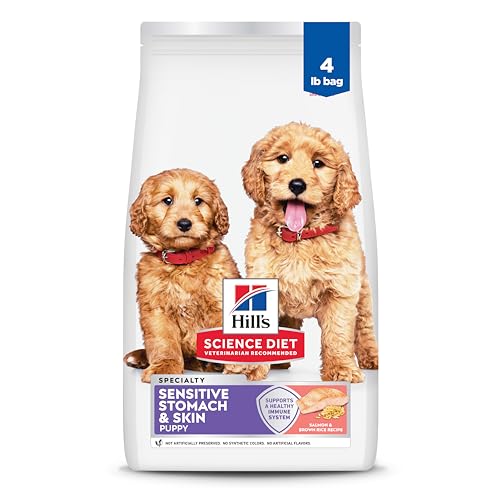
Hill’s Science Diet Puppy Sensitive Stomach & Skin Dry Food

Healthy Breeds Staffordshire Bull Terrier Multivitamin Soft Chews

Hill’s Science Diet Puppy Dry Dog Food (Chicken & Brown Rice)

Bully Max Wet Puppy Food Dehydrated Chicken Formula
More Details On Our Top Picks
Some puppies simply burn through ordinary kibble without gaining ground, and that’s the exact problem this slow-cooked chicken formula targets. At roughly 600 calories per cup with a 31% protein and 25% fat profile, it delivers more energy in fewer scoops than nearly anything else on this list.
For a lanky adolescent Staffie struggling to fill out, that density means smaller portions doing heavier work. Flaxseed rounds out the fat blend, and the vitamin-and-mineral package covers the basics a growing dog needs. The honest read is that this is a specialty tool, not an everyday default.
Strong Points
- Roughly 600 calories per cup lets small meals support serious weight gain
- 31% protein supports muscle development during rapid growth phases
- Flaxseed contributes omega fatty acids for coat condition
- Slow-cooked processing tends to improve palatability for fussy eaters
Things To Consider
- The calorie load is excessive for already-chunky pups, so portion control matters
- A 4 lb bag disappears quickly at performance feeding levels, and storage in an airtight bin keeps it fresh longer
Key Specs
Who It Suits Best
Owners of underweight or highly active Staffie pups who need concentrated nutrition in small servings.
Where A Sibling Pick Shines
Pups carrying healthy weight do better on the Bully Max 25/11 lamb formula below, which trims fat while keeping protein high.
Where the Bully Max Pro 2X chases raw calories, NutriSource plays the long game with a steadier, more conventional profile aimed squarely at small and medium breeds. A Staffie fits that bracket nicely through its first year, and the kibble sizing suits shorter muzzles better than large-breed chunks.
The formula leans on chicken meal as a leading protein source, and added digestive aids are the quiet standout here. Owners commonly report firmer stools after switching, which tells you the gut support is doing something real.
What We Like
- Prebiotics and probiotics support smoother digestion day to day
- Nutrients like L-carnitine and taurine back cardiovascular development
- Kibble size suits smaller jaws during the teething months
Worth Noting
- This listing is fulfilled by a third-party seller, so check seller feedback before ordering
- Calorie density is moderate, so very fast-growing pups may need larger portions
Made For
Owners wanting a dependable everyday kibble for a Staffie pup with no special dietary complications.
Skip It When
A puppy showing signs of poultry sensitivity will fare better on the chicken-free lamb option later in this list.
Think of this as the disciplined sibling of the Pro 2X reviewed earlier. Same brand philosophy, opposite goal: 25% protein with only 11% fat keeps muscle on the frame while trimming excess calories, which suits stockier Staffie lines prone to filling out too quickly.
Lamb replaces chicken entirely, making this a sensible landing spot for pups whose scratching or ear troubles point toward poultry. The larger kibble also slows down gulpers, a common Staffie habit worth managing early.
Bright Spots
- Low 11% fat content supports lean condition without sacrificing protein
- Chicken-free lamb base sidesteps the most common canine protein sensitivity
- Large kibble encourages slower chewing and better portion awareness
- Suits both puppies and adults, so transitions later in life stay simple
Small Caveats
- Large kibble pieces can frustrate very young puppies still cutting adult teeth
- Growth-stage pups needing maximum calories won’t get them here by design
Feature Snapshot
Right Fit For
Homes managing a muscular breed’s weight while dodging chicken-based ingredients entirely.
Swap It Out When
An eight-week-old puppy with tiny teeth will handle the Hill’s Sensitive Stomach & Skin recipe’s smaller kibble more comfortably.
Loose stools and itchy skin are two of the most frequent complaints Staffie owners raise during the first year, and this salmon-and-brown-rice recipe attacks both at once. Prebiotic fiber feeds the gut bacteria responsible for steady digestion, while omega fatty acids work on the coat side of the equation.
DHA supports brain development, and the antioxidant package backs the immune system while a puppy’s defenses mature. Compared with the Bully Max options above, this is gentler fuel rather than performance fuel, and that’s precisely the point.
Highlights
- Highly digestible formula with prebiotic fiber eases occasional stomach upset
- Vitamin E plus omega-3 and omega-6 fatty acids promote a glossy coat
- DHA supports cognitive development during the critical early window
- Antioxidants including vitamins C and E reinforce immune health
Points To Note
- Salmon base won’t suit every palate, and some picky pups take a few days to warm up
- Not designed for aggressive weight gain, unlike the Bully Max Pro 2X
At A Glance
Who Will Love This
Owners of pups dealing with soft stools, flatulence, or flaky skin who want one food addressing both issues.
Another Choice May Suit
Healthy pups with zero digestive complaints get more value from the standard Hill’s Science Diet Puppy formula coming up next.
Food handles most of a puppy’s nutrition, but a breed-specific top-up fills gaps that home-cooked meals, mixed feeding, or fussy appetites leave behind. These soft chews are formulated specifically around the Staffordshire Bull Terrier rather than a generic all-breeds profile, which is a nice touch given how muscular and joint-loaded this breed is.
Each chew bundles a multivitamin core with hip and joint support, skin and coat nutrients, and a probiotic for digestion. In practice they double as training treats, since most dogs accept them eagerly.
Plus Points
- Breed-specific formulation tailored to Staffordshire Bull Terrier needs
- Joint-support ingredients matter for a stocky, athletic build
- Soft texture works well for puppies and older dogs alike
- 120-count tub lasts months at typical daily serving levels
Minor Gripes
- Supplements complement good food, never replace it, so expectations should match
- Soft chews can dry out once opened, so reseal the tub promptly and store it cool
Whose Shelf It Belongs On
Owners feeding home-prepped or mixed diets who want structured micronutrient insurance for a growing Staffie.
Look Elsewhere When
Puppies thriving on a complete commercial diet like Hill’s Science Diet Puppy rarely need supplementation at all.
This is the default-setting puppy food of the group: nothing exotic, everything covered. Chicken and brown rice form a familiar base most dogs take to immediately, and the prebiotic fiber blend supports gut microbiome balance through the messy transition months of weaning and growth.
The real advantage over the Sensitive Stomach version is flexibility. Multiple flavor options and bag sizes running up to 25 pounds mean multi-dog homes and long-term planners can buy bigger and save trips, something the smaller specialty bags can’t offer.
Reasons To Buy
- Prebiotic fiber blend supports digestive balance during growth
- Choice of chicken or lamb recipes suits different palates
- Wide size range from small trial bags up to 25 lb bulk
- Widely stocked, so switching between retailers stays painless
Softer Spots
- Generic profile means no targeted fix for skin or stomach sensitivities
- Chicken-first recipes exclude poultry-sensitive pups
Quick Facts
Who Should Grab It
First-time Staffie owners wanting a trusted, no-surprises staple that scales with the dog’s appetite.
Reach For A Different Pick When
A pup with confirmed tummy trouble belongs on the Hill’s Sensitive Stomach & Skin recipe instead.
Teething puppies and stubborn eaters often turn their nose up at hard kibble, and this dehydrated chicken formula solves that with a splash of water. Four dry pounds rehydrate into roughly eleven pounds of soft, high-protein food, which stretches further than canned equivalents and stores without refrigeration until mixed.
It pairs naturally with the dry Bully Max formulas earlier in this list as a topper or standalone meal. Owners commonly report it revives interest in food during fussy phases, though you’ll pay a premium per serving compared with plain kibble.
Standout Traits
- Rehydrates with water into soft food ideal for teething gums
- Four dry pounds yield about eleven pounds of prepared food
- High-protein chicken base supports muscle and coat development
- No refrigeration needed until mixed, simplifying travel and storage
Honest Caveats
- Per-serving cost runs higher than equivalent dry kibble
- Requires a few minutes of mixing and resting before each meal
Core Details
The Right Fit
Owners of picky, teething, or small-jawed pups who want soft-food benefits without cans cluttering the pantry.
Consider Something Else When
Budget-focused feedings of hearty eaters are better served by the NutriSource small-breed kibble reviewed earlier.
Choosing Wisely For Your Growing Staffie
Match The Formula To The Growth Stage
Staffordshire Bull Terriers mature quickly but fill out slowly, so calorie needs shift month to month. An eight-week-old needs small, frequent, easily chewed meals, while a seven-month-old adolescent burns through calories like a furnace. Large-kibble formulas such as the Bully Max 25/11 suit older pups far better than tiny weanlings.
Watch The Protein And Fat Balance
Protein builds the dense muscle this breed is known for, but excess fat adds weight the joints don’t need. Performance formulas near 30% protein with high fat suit underweight or highly active pups, while leaner blends around 25% protein and 11% fat keep stocky lines in condition. Adjust based on what your hands tell you at monthly weight checks.
Respect Sensitivities Early
Poultry ranks among the most common canine protein sensitivities, and chronic itching or recurring ear issues often trace back to it. Chicken-free lamb recipes exist precisely for these dogs. Persistent digestive upset deserves a conversation with your veterinarian before any diet change becomes permanent.
Factor In Your Own Routine
The best food is one you’ll actually feed consistently. Bulk bags save money but demand airtight storage, dehydrated formats add prep time, and supplements only work when dosed daily. Honest self-assessment here prevents half-used tubs gathering dust.
Key Considerations Across These Picks
Traps First Timers Fall Into
The classic error is buying for the breed label instead of the individual dog. A muscular breed name doesn’t override a sensitive stomach, and pushing a high-calorie formula on a pup that doesn’t need it creates weight problems fast. Another slip is switching foods abruptly; transitions spread over a week spare everyone the cleanup.
When Paying More Pays Off
Premium pricing generally buys ingredient quality, digestibility research, and targeted formulations. You’re paying for fewer filler calories and more usable nutrition per cup, which matters when a growing dog eats a lot. For a healthy pup on a budget, a solid mainstream formula does the job; the upgrade earns its keep when sensitivities, weight goals, or performance demands enter the picture.
Closing Thoughts
Your Staffie puppy’s first year sets the pattern for a decade of health, and the right food makes that year dramatically easier. Start with a complete formula matched to your pup’s current condition, adjust as the body changes, and let your vet weigh in on anything persistent. Whichever option from this list lands in your cart, consistency will do more for your dog than any single ingredient ever could.
