

Itching, paw licking, dull fur, and ear flare-ups often trace back to what’s in the bowl. The right grain free recipe can calm sensitive skin while still delivering complete nutrition your dog actually enjoys eating. This roundup covers seven formulas built around limited ingredients, novel proteins, and skin-supporting fats, from small-breed wet cups to high-protein kibble for working dogs.
An Overview Of The Picks

Blue Buffalo Basics Small Breed Lamb & Potato Cups

VICTOR Grain Free Yukon River Canine Dry Food, 30 lb
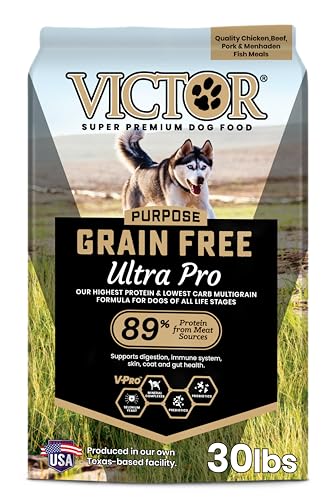
VICTOR Grain Free Ultra Pro High Protein Kibble, 30 lb

VICTOR Chicken Meal & Sweet Potato Dry Food, 30 lb

VICTOR Select Ocean Fish Formula with Salmon, 15 lb

Stella & Chewy’s Wild Red Raw Coated Ocean Recipe

Jinx Real Salmon, Brown Rice & Sweet Potato Kibble
The Picks, Examined More Closely
Wet food in single-serve cups solves two problems at once for owners of picky or itchy small dogs: portion control and freshness. This lamb-and-potato recipe keeps the ingredient list short, which matters when you’re trying to isolate a trigger. A limited ingredient diet means fewer potential allergens per bite.
The cups suit apartment dwellers with limited storage, since a 24-cup case stacks neatly in a pantry. Small breeds burn energy fast, and a moisture-rich meal tends to appeal more than dry kibble to fussy eaters during an elimination trial.
Good Reasons To Consider
- Real lamb leads the recipe, giving dogs a less common protein than chicken or beef
- Omega 3 and 6 fatty acids support skin barrier health and coat shine over weeks of feeding
- Formulated specifically for small breeds’ higher energy needs and gentle digestion
- Individual 3.5-oz cups mean no half-open cans drying out in the fridge
Things To Consider
- Cup packaging creates more waste than a large kibble bag, and per-meal cost runs higher
- A turkey-and-potato variant exists, so double-check which flavor lands in your cart
Who Will Love This
Owners of small breeds running an elimination diet who want precise portions without refrigeration hassle.
Where A Sibling Pick Shines
Larger dogs or multi-dog homes get better value from VICTOR’s Yukon River Canine, whose 30-lb bag stretches far further.
Where the Blue Buffalo cups target tiny appetites, this VICTOR formula goes broad: one fish-based kibble covering puppies through seniors across every breed size. Fish meal and salmon supply the protein, sidestepping the chicken and beef that trigger many skin reactions. At 33% protein and 16% fat, it feeds normally active dogs without excess calories.
VICTOR’s proprietary VPRO blend adds vitamins, minerals, and supplements intended to round out nutrition regardless of age or activity level. For households managing a meat-protein allergy, that single-bag simplicity is genuinely convenient.
Strong Points
- Fish-first protein suits dogs allergic to common meats like chicken or beef
- Sweet potato contributes fiber for digestion plus supporting vitamins
- One formula spans all life stages, simplifying transitions from puppy to adult
- 33% protein supports steady energy and muscle maintenance in normally active dogs
Points To Note
- A 30-lb bag needs an airtight container to stay fresh in humid climates; owners commonly report stale kibble when bags sit open
- Highly active sporting dogs may need more calorie density than this formula provides
At A Glance
Made For
Homes with one or more normally active dogs needing a single grain free food that avoids beef and chicken entirely.
Swap It Out When
Working or sporting dogs burning serious calories fit VICTOR’s Ultra Pro better, thanks to its much higher protein content.
This is VICTOR’s most protein-dense, lowest-carb grain free recipe, built for dogs whose jobs demand it: hunting breeds, agility competitors, farm dogs logging real miles. Multi-protein sourcing from chicken, beef, pork, and fish meals delivers 42% protein, though that breadth cuts both ways for allergy-prone dogs.
Production happens in VICTOR’s own East Texas facility, with most ingredients sourced within a day’s drive. That supply-chain tightness is worth knowing about, even if you’ll never see it in the bowl.
Practical Advantages
- 42% protein sustains hard-working dogs through long training or field days
- Nutrient-dense formulation includes ingredients aimed at immune function and coat condition
- Low-carb profile avoids the filler-heavy recipes that can aggravate sensitive systems
- USA-made in a company-owned Texas plant with locally sourced inputs
Softer Spots
- Multiple animal proteins make this a poor elimination-diet candidate; pinpointing a trigger gets harder
- Calorie density can pack weight onto sedentary pets quickly
Feature Snapshot
Right Fit For
Sporting, herding, and other high-drive dogs whose owners want maximum protein in a grain free format.
Another Choice May Suit
Dogs with suspected protein allergies do better on the single-source approach of VICTOR’s Yukon River Canine reviewed above.
Not every itchy dog reacts to chicken, and for those that don’t, this simpler VICTOR SELECT recipe keeps costs down while staying grain free. Chicken meal serves as the concentrated primary protein, paired with sweet potato for fiber and micronutrients. Like its Yukon River sibling, it carries the VPRO supplement blend and covers all life stages.
In practice, this is the entry point into the brand: same Texas manufacturing standards, fewer exotic ingredients, friendlier math for large dogs who eat a lot.
Advantages To Know
- Grain free with a focused chicken-meal base rather than a long protein list
- Sweet potato aids digestion and supplies essential vitamins alongside fiber
- Sized for normally active dogs of any breed, puppy through senior
- Generally the most affordable route into VICTOR’s super premium line
Worth Bearing In Mind
- Chicken ranks among the most common canine food allergens, so confirm tolerance before committing to a big bag
- No fish-based omega boost here; coats may improve slower than on the Ocean Fish formula
Whose Shelf It Belongs On
Budget-minded owners of larger, normally active dogs with no known chicken sensitivity.
Reach For A Different Pick When
Chicken-reactive dogs should pivot straight to the VICTOR Ocean Fish Formula below, which swaps poultry for fish meal entirely.
One honest caveat about this pick: despite sitting in a grain free roundup, the Ocean Fish Formula is made with gluten-free grains rather than none at all. That distinction matters. What it does deliver is significant Omega-3 fatty acid levels, the nutrient most associated with calmer skin and glossier coats in dogs with environmental or protein-related sensitivities.
Fish meal leads, salmon follows, and the VPRO blend rounds things out across all life stages. Weight maintenance support makes it a sensible choice for less active adults too.
Reasons It Performs
- High Omega-3 content directly targets dry, itchy skin at the dietary level
- Fish meal and salmon avoid beef, chicken, and pork proteins altogether
- Formulated to help maintain healthy weight in moderately active dogs
- Available up to a 40-lb bag for multi-dog or large-breed homes
Details To Watch
- Contains gluten-free grains, so strictly grain-free households need a different option from this list
- Fish-based foods sometimes produce a noticeable odor some owners report disliking indoors
Quick Facts
Who Should Grab It
Dogs whose main symptom is a dull, flaky coat rather than a confirmed grain intolerance.
Consider Something Else When
Strictly grain-free feeding is non-negotiable; the Stella & Chewy’s Ocean Recipe later in this list fits that requirement cleanly.
Each piece of this kibble wears a coating of freeze-dried raw meat, which is exactly what it sounds like: raw protein dried at low temperatures to preserve nutrients. Six fish sources, trout through herring, supply the protein, making this a natural landing spot for dogs allergic to poultry. No legumes, no fillers, no artificial colors or preservatives.
Roughly 86% of the protein comes from muscle meat, cartilage, and organs, echoing a whole-prey feeding pattern. The honest trade-off is cost; raw-coated formulas occupy the top shelf of the category.
A Few Strong Suits
- Six fish proteins give poultry-allergic dogs genuine variety without cross-contact risk from land meats
- Freeze-dried raw coating boosts palatability, useful for dogs refusing plain kibble during diet changes
- 86% of protein from animal sources including organ meat mirrors ancestral nutrition
- Legume-free and filler-free formulation appeals to owners watching carb load
Small Caveats
- Three 3.5-lb bags go fast with big dogs, and reordering frequently becomes part of routine
- Raw-coated pieces can leave greasy residue in storage bins; wiping containers between bags is commonly reported upkeep
Core Details
Perfect Match For
Owners committed to premium, biologically styled feeding for poultry-allergic dogs of any size.
Look Elsewhere When
Cost per pound is the deciding factor; Jinx’s salmon kibble delivers similar fish-first benefits at a friendlier rate.
Jinx takes a middle path: real Atlantic salmon leads, but wholesome brown rice stays in the recipe alongside sweet potato. For dogs whose skin trouble stems from protein sensitivity rather than grain itself, that combination offers fish-based relief with gentler digestion support from added probiotics. Superfoods round out the mix for immune function.
Size flexibility seals the deal for many households. Bags run from 4 pounds up to 30, and dedicated small-breed and large-breed variants exist beyond this all-life-stages version.
What Stands Out
- Real salmon as the first ingredient provides a skin-friendly alternative to chicken or beef
- Added probiotics support digestive balance, which often reflects in coat condition
- Superfood ingredients contribute immune-system support across puppy, adult, and senior years
- No fillers, and five bag sizes plus breed-specific variants simplify matching your dog
Factors To Consider
- Brown rice means this isn’t grain free, so verify your dog tolerates grains before switching
- The 4-lb twin pack suits trials well but requires frequent repurchasing for large breeds
The Numbers That Matter
Best Suited To
First-time switchers wanting a balanced, widely available fish recipe without premium raw-coated pricing.
Not Your Match When
Confirmed grain intolerance calls for the Blue Buffalo Basics cups or the VICTOR Yukon River formula instead.
What Matters Most Before Choosing Grain Free Dog Foods For Skin Allergies
Identify The Actual Trigger First
Food allergies in dogs usually point at a protein, not grain itself. Chicken, beef, and dairy top the list far more often than wheat or corn. An elimination diet under veterinary guidance, typically eight to twelve weeks on a single novel protein, gives you real answers instead of guesswork.
Read The Protein List, Not Just The Front Of The Bag
Marketing loves “grain free,” but the ingredient panel tells the truth. A formula listing four animal proteins, like VICTOR’s Ultra Pro, won’t help you isolate a reaction. Single-source recipes such as lamb-only or fish-only builds make cause and effect far easier to track.
Match The Format To Your Household
Wet cups suit small dogs and elimination trials; 30-lb kibble bags suit big eaters and budgets. Raw-coated options sit at the premium end and reward picky appetites. Storage matters too: any opened bag needs an airtight bin to protect fat quality, especially fish-based recipes.
Give Skin Changes Time
Coat improvement shows gradually, often six to eight weeks in. Switching foods every fortnight resets that clock and tells you nothing useful.
Key Considerations Across These Picks
Traps First Timers Fall Into
The biggest misstep is buying “grain free” on faith without checking the protein source. A chicken-based grain free food won’t help a chicken-allergic dog. Second trap: skipping the transition period. Blend new food into old over seven to ten days to avoid stomach upset that mimics allergy symptoms.
What Separates Premium From Basic
Higher-tier formulas pay for novel proteins, freeze-dried coatings, and denser nutrient profiles like the 86% animal-sourced protein in Stella & Chewy’s. That spend pays off for confirmed allergies or stubborn cases. Dogs with mild sensitivities often do fine on mid-tier picks like Jinx or VICTOR’s standard lines.
Bottom Line
Skin allergies respond best to patience and precision: one clear protein, consistent feeding, and enough weeks to judge results. Start narrow with the Blue Buffalo cups or VICTOR Yukon River, scale up to premium options only where the evidence points. Your vet remains the best partner for confirming triggers before you commit to a large bag.
