

Anyone keeping horses knows the ground they graze on is never finished work. Bare patches spread, flies move in, and a paddock that looked fine in spring can turn to dust by August. This roundup covers the products that help you rebuild and maintain that ground: pasture seed mixes built for grazing, lawn-grade blends for high-traffic areas, feeding gear that slows hay consumption, and fly control for the animals themselves. Each entry is matched to a specific situation, from dry-land acreage to small backyard runs.
How The Shortlist Stacks Up

REVENGE Horse & Stable Fly Spray 128 oz

Harrison Howard Slow Feed Hay Net 40 Inch
Jacklin Seed by Barenbrug Heisman Mix 5 lbs

O.M. Scott & Sons Natural Grass Food 12.72 lbs

Marathon Grass Seed Can 1 lb
X-Seed Pasture Land Dry-Land Forage Mix 7 lb

Jonathan Green 41000 Heavy Traffic Grass Seed 7 lb
Meet The Standout Selections
Fly season can undo months of good pasture management, which is why this gallon jug earns its spot here. The water-based formula arrives ready to use, so there’s no mixing or measuring before morning chores.
The included power sprayer matters more than it sounds. Coating legs, bellies, and manes across several animals goes faster with powered output than with a hand trigger, and the 128 oz volume suits barns running multiple horses, cattle, goats, or dogs through the same routine.
Where It Helps
- Gallon size covers a full season of daily applications for most small stables
- Water-based base rinses off tack and skin more easily than oil-heavy sprays
- Labeled for use on livestock and dogs, so one bottle serves the whole property
- Powered sprayer reduces arm fatigue during large-animal application
Things To Consider
- Reapplication frequency depends heavily on rain and humidity in your region
- The sprayer assembly needs rinsing after use or residue can clog the nozzle over time
Who It Suits Best
Multi-species homesteads and boarding setups that want one bulk bottle instead of separate products per animal.
Another Choice May Suit
Single-horse owners with light fly pressure may find the Harrison Howard Slow Feed Hay Net a more relevant spend, since prevention through slower eating often beats spraying alone.
Horses evolved to graze slowly for most of the day, and a flake dropped in a tub disappears in minutes. This 40-inch net changes that pace with a 2-inch mesh that makes each mouthful deliberate work.
It holds one to two flakes per fill, a sensible portion for overnight stalls or daytime turnout. Owners commonly report less trampled, manure-soaked hay on stall floors once feeding moves into a net like this, and goats handle the same mesh without trouble.
What Stands Out
- Two-inch mesh stretches mealtime out, supporting more natural digestive rhythm
- Contained hay means dramatically less waste swept off the floor each week
- Hangs in stalls, on fence lines, or in shelters for flexible placement
- Works for goats and other grazers, not just equines
- Grass-green color blends into pasture settings rather than standing out
Small Caveats
- Coarse-stemmed hay can snag at the mesh opening until fibers soften with use
- One to two flakes may mean refilling twice daily for larger horses
Feature Snapshot
Made For
Stall-kept horses prone to bolting hay, plus owners tired of paying for bedding-bound waste.
Look Elsewhere When
Free-choice round bale feeders serve herds better; for those rebuilding bare ground instead, the X-Seed Pasture Land mix below addresses the root problem.
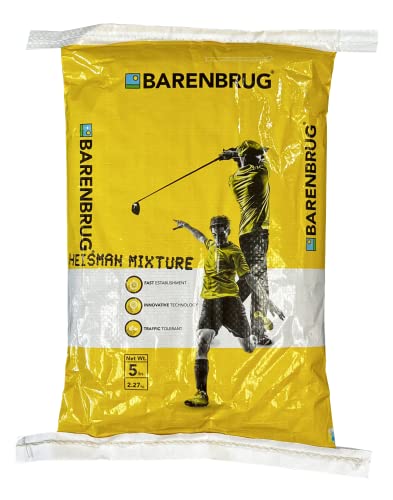
This certified blend pairs 85% Kentucky bluegrass with 15% perennial ryegrass, a combination built around two different strengths. Ryegrass germinates fast and gives you visible cover within days, while bluegrass spreads through underground rhizomes to thicken the stand over time.
The five-pound bag covers roughly 2,000 square feet, enough for a modest lawn strip beside a paddock or a renovation pass on thinning ground. In our view, the long game here is the real appeal: as the bluegrass fills in, it gradually crowds out the quicker ryegrass component.
Strong Points
- Ryegrass fraction delivers quick green-up while slower bluegrass establishes underneath
- Bluegrass rhizomes knit damaged spots closed without reseeding every year
- Certified seed lot gives you traceable purity versus bargain-bin mixes
- Produces the dense, fine-bladed look most homeowners associate with premium turf
Points To Note
- Kentucky bluegrass establishes slowly, so patience is required the first season
- Five pounds covers limited area; larger properties need multiple bags
At A Glance
Right Fit For
Homeowners prioritizing appearance on ornamental turf adjacent to, rather than inside, grazing areas.
Swap It Out When
Grazing livestock will walk on it daily, the Jonathan Green Heavy Traffic seed handles hoof pressure far better than a show-lawn blend.
Seeding is only half the job; new grass needs steady nutrition to survive its first year. This natural grass food leans on the Scott & Sons heritage formula approach, feeding soil and blade together rather than forcing a fast chemical flush of top growth.
The 12.72-pound bag suits routine seasonal feeding on mid-sized yards. Where the Heisman mix above builds the stand, this product keeps it fed, and pairing the two is a sensible sequence for anyone renovating worn ground near a stable.
Everyday Perks
- Natural formulation supports gradual, even greening instead of surge growth
- Works alongside seeding programs to help young roots establish
- Compact bag stores easily in a shed between applications
Worth Noting
- Natural-release nutrition works slower than synthetic fertilizers, so results take weeks rather than days
- One bag covers a modest area; big lawns need repeat purchases
Who Will Love This
DIY homeowners who prefer gentler, soil-first feeding schedules over aggressive synthetic programs.
Reach For A Different Pick When
Your priority is establishing brand-new forage for grazing animals, the X-Seed Pasture Land mixture is purpose-built for that job instead.
Not every job needs a seven-pound bag. This one-pound can of 100% improved tall fescue exists for the small stuff: a churned strip along a gate, a bald spot where the water trough sits, a thin patch under the fence line.
Tall fescue grows slightly coarser and more fibrous than bluegrass, which reads as a drawback on a show lawn but works in your favor on utility ground. The blades hold up to traffic and drought better, and the low price makes casual spot repairs painless.
The Practical Payoff
- Single pound matches small repair jobs without leftover seed going stale
- Tall fescue’s deep roots tolerate dry spells better than finer turf species
- Low commitment cost encourages fixing problems early instead of letting them spread
Less Ideal Details
- Blade texture is visibly coarser next to established bluegrass lawns
- Too small for whole-yard or paddock-scale projects
Quick Facts
Who Should Grab It
Property owners handling frequent small repairs on a budget, especially in warmer or drier climates where fescue thrives.
Consider Something Else When
You need broad coverage with a polished finish, the Jacklin Heisman Mix delivers a finer, denser look across larger areas.
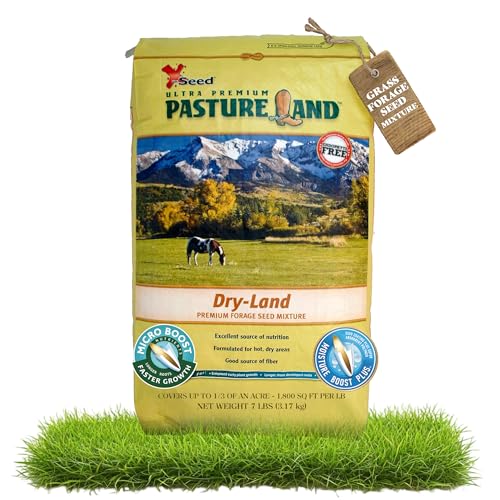
This is the pick most directly aimed at horse owners. The blend combines tall fescue, orchard grass, and tetraploid annual ryegrass, all selected for hot, dry ground up to 8,000 feet elevation, and the whole mix is endophyte-free.
That last detail deserves plain language: endophytes are natural fungi inside some fescue plants that can cause serious health problems in grazing horses and broodmares. An endophyte-free label removes that concern entirely. X-Seed’s Micro-Boost coating supports faster germination and stronger fibrous roots, which helps seedlings survive their first dry summer.
Strengths Worth Knowing
- Endophyte-free formulation removes a known risk factor for grazing livestock
- Micro-Boost coating improves germination rates and early root development
- Rated for full sun and elevations up to 8,000 feet in arid regions
- Three-species perennial blend offers varied forage texture and resilience
Details To Watch
- Seven pounds covers limited acreage; full paddock renovations need several bags
- Annual ryegrass component thins after its first season, leaving the perennials to carry the stand
Key Specs
Whose Shelf It Belongs On
Horse owners in dry western climates reseeding actual grazing pasture, particularly those with mares on the property.
Not Your Match When
Your challenge is wear from hooves on irrigated ground rather than drought, the Jonathan Green Heavy Traffic blend targets abrasion instead.
Every property has a sacrifice zone: the path from gate to trough, the corner where horses cluster, the strip the dog patrols daily. Ordinary lawn seed dies there within weeks. Jonathan Green’s Black Beauty tall fescues paired with perennial ryegrass are bred specifically for abrasion resistance and quick cover in exactly these spots.
The seven-pound bag covers about 2,800 square feet, and the mixture includes naturally insect-resistant varieties, a quiet bonus that reduces one common source of thinning. Compared to the Marathon can’s single-species approach, this blend trades some simplicity for layered durability.
Positive Points
- Black Beauty fescues resist abrasion from constant foot and hoof traffic
- Perennial ryegrass establishes quickly to shield soil during recovery
- Naturally insect-resistant grasses reduce one cause of seasonal thinning
- 2,800 square foot coverage handles gate corridors and play areas in one bag
Trade Offs To Consider
- Date printed on the bag indicates test date, not expiration, which confuses some first-time purchasers
- Not formulated as grazing forage, so keep it to non-grazing zones
Product Snapshot
The Right Fit
Owners battling worn lanes, gate approaches, and pet paths where ordinary turf simply cannot survive.
Where A Sibling Pick Shines
For genuine grazing pasture in dry country, the X-Seed Pasture Land mix remains the safer, purpose-built choice.
What Matters Most Before Choosing Grasses For Horses
Match The Seed To The Job
Grazing pasture and decorative turf are different products wearing similar packaging. Horses need endophyte-free forage species such as tall fescue, orchard grass, and ryegrass, while lawn aesthetics call for dense bluegrass-type blends. Planting the wrong category wastes a full growing season.
Know Your Climate And Soil
Dry-land properties at elevation demand drought-hardy mixes like the X-Seed blend, while irrigated ground tolerates finer species. A simple soil test before spending money tells you whether pH or drainage, not seed choice, is your real bottleneck.
Plan For Establishment Time
New seedlings need four to six weeks of protection from hooves before roots anchor. Rotate animals off freshly seeded sections, and expect the first season to look patchy regardless of what you plant.
Don’t Forget The Supporting Cast
Healthy ground still loses to flies and wasteful feeding habits. Pairing seed work with slow-feed nets and seasonal fly control protects both the investment and the animals standing on it.
Key Considerations Across These Picks
Traps First Timers Fall Into
The most common error is buying lawn seed for grazing areas, then wondering why coverage fails under hooves. Another frequent slip: ignoring the endophyte status of fescue products, which matters enormously for horse health. Read labels for intended use, not just price per pound.
When Paying More Pays Off
Higher-tier seed mixes carry certified purity, coated germination aids, and multi-species resilience. Those features cost more upfront but reduce reseeding cycles. For small repair jobs, though, an inexpensive single-species can does the same work at a fraction of the cost.
Bottom Line
Ground care around horses rewards matching each product to its specific zone: endophyte-free forage for grazing land, abrasion-tough blends for traffic corridors, and practical extras like slow-feed nets and bulk fly spray for everything else. Start with your climate, protect new seedlings, and fix small problems early. Your pasture will thank you one season at a time.
