

Itchy paws, dull coats, and mystery stomach trouble usually trace back to the bowl. Food sensitivities respond well to shorter ingredient lists, single animal proteins, and fewer common triggers like chicken, corn, wheat, or soy. This roundup gathers eight natural formulas built around those principles, from budget-friendly kibble to air-dried lamb and human-grade clusters. Whether you share your home with a large-breed dog, a picky eater, or a pup who scratches through the night, there’s a sensible match below.
The Lineup, Simplified

Natural Balance Limited Ingredient Lamb & Brown Rice 26 lb

Nutrish Salmon Dry Dog Food 4.5 lb Bag

Blue Buffalo Life Protection Formula Salmon Adult Dry Dog Food 5 lb

Natural Balance Limited Ingredient Sweet Potato & Salmon 13 oz
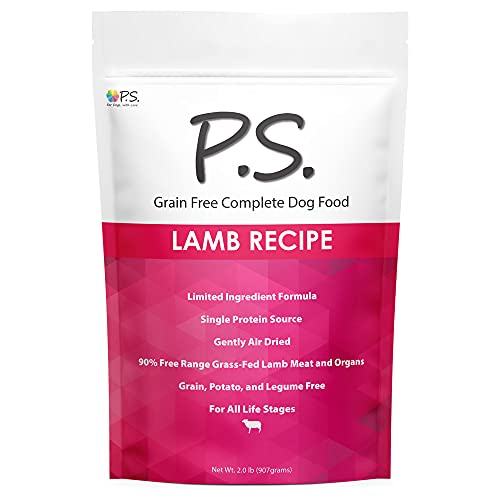
Ps for Dogs Hypoallergenic Air-Dried Lamb Dog Food

Nutro Limited Ingredient Diet Lamb & Sweet Potato 4 lb

Wellness Simple Limited Ingredient Turkey and Potato 26 lb

The Honest Kitchen Whole Grain Beef Whole Food Clusters 5 lb
A Deeper Look At The Lineup
Limited ingredient diet, often shortened to LID, means the recipe deliberately keeps its component list short so trigger foods are easy to spot. This Natural Balance bag applies that logic to large dogs, pairing lamb meal with brown rice in kibble sized for bigger jaws.
The 26-pound format matters more than it sounds. Feeding a 70-pound dog twice daily burns through small bags fast, and one large purchase means fewer storage juggling acts in the pantry.
Where It Helps
- Lamb meal delivers concentrated animal protein without chicken, a frequent sensitivity culprit.
- Brown rice offers gentle, digestible carbohydrates that most dogs tolerate well.
- The simplified recipe makes an elimination trial straightforward to run at home.
- Large breed bites suit big dogs better than standard small kibble.
Things To Consider
- Owners commonly report the big bag needs an airtight container to stay fresh over weeks of feeding.
- Dogs allergic to grains rather than proteins won’t benefit here.
Key Specs
Who It Suits Best
Owners of large breed adults who want a no-drama, protein-limited staple they can buy in bulk.
Reach For A Different Pick When
Grain-free feeding is the goal, in which case the Wellness Simple Turkey and Potato recipe below fits better.
Not every sensitive dog needs a strict LID. Some just do better away from chicken-heavy recipes, and this Rachael Ray Nutrish salmon formula answers that call with real salmon listed as the first ingredient. The 4.5-pound bag doubles as a low-commitment trial size before you commit to the 26-pound version.
Veterinarian-reviewed backing gives it credibility beyond marketing copy, and the recipe spans small, medium, and large adult breeds. In multi-dog homes, one bag covering everyone simplifies feeding considerably.
Standout Benefits
- Salmon as the lead ingredient brings omega fatty acids many owners link to softer coats.
- Sized for every adult breed, so mixed-size households can share one formula.
- The small starter bag lets you gauge acceptance before buying big.
Small Caveats
- This isn’t a true limited ingredient recipe, so dogs with long trigger lists may still react.
- Some finicky eaters reportedly take a few days to warm up to the fish profile.
Made For
Budget-minded owners of adult dogs whose main issue is chicken, not a broad range of ingredients.
Another Choice May Suit
Dogs needing stricter simplicity will fare better on the Nutro Limited Ingredient Diet reviewed further down.
Chicken hides in more dog foods than almost any other ingredient, which is why a genuinely chicken-free recipe earns its place here. Blue Buffalo’s salmon and brown rice variant skips poultry entirely while keeping the brand’s well-known Life Protection nutrient framework intact for adult dogs.
Compared with the Nutrish bag above, this one leans more explicitly toward sensitivity management rather than general nutrition. The 5-pound size suits smaller dogs or cautious first orders, though larger breeds will cycle through it quickly.
Everyday Perks
- Real salmon leads the recipe, supporting skin and coat from the inside.
- Completely chicken-free formulation removes the most common canine allergen.
- Brown rice provides steady energy without corn, wheat, or soy fillers.
- Multiple flavor variants exist under the same line if your dog’s needs shift later.
Worth Noting
- The 5-pound bag runs out fast for medium and large dogs, so plan reorders accordingly.
- It’s a fuller recipe than a strict LID, so severe multi-allergy cases may need something narrower.
At A Glance
Right Fit For
Adult dog households that have pinpointed chicken as the problem and want a complete, trusted formula around that finding.
Swap It Out When
Your dog needs a single-protein, ultra-short list instead; the Ps for Dogs air-dried lamb option handles that job.
Wet food earns its keep in sensitive-dog kitchens as a topper, a hydration boost, or a full meal for seniors with tired teeth. This canned entry from Natural Balance pairs salmon with sweet potato in a grain-free, limited ingredient format, sold here as a twelve-can case of 13-ounce tins.
It shares the same LID philosophy as the brand’s dry lamb bag earlier in this list, so mixing the two stays consistent for a dog mid-elimination trial. Omega-3s from fish support skin health, which is where much of the scratching battle gets fought.
Everyday Wins
- Salmon supplies omega-3 fatty acids tied to calmer skin and shinier coats.
- Grain-free sweet potato base suits dogs reacting to rice or wheat.
- Cans mix easily into dry kibble to tempt reluctant eaters.
- Twelve-pack sizing covers roughly two weeks of topper duty for a mid-size dog.
Points To Note
- Opened cans need refrigeration and get used within a couple of days.
- Feeding wet exclusively costs more per calorie than any dry option here.
Who Will Love This
Owners topping dry food for picky or senior dogs, especially those already using Natural Balance’s dry LID line.
Look Elsewhere When
You want a complete dry staple instead; the Wellness Simple turkey recipe fills that role at lower cost per serving.
Air-drying is a gentle preservation method that removes moisture at low temperatures, keeping nutrients closer to their whole-food state than high-heat extrusion does. P.S. For Dogs builds its entire brand around that process, using human-grade New Zealand lamb in a grain-free, limited ingredient recipe aimed squarely at chronic paw licking and skin irritation.
The brand attributes persistent licking to yeast growth encouraged by high-glycemic diets, hence the low-glycemic formulation. Soft, meaty pieces double as training treats, which helps during transition weeks when a skeptical dog eyes the new bowl.
What Stands Out
- Human-grade New Zealand lamb anchors a genuinely short ingredient list.
- Air-dried texture works as both a full meal and a hypoallergenic treat.
- Low-glycemic design targets the yeast cycle behind paw chewing.
- High palatability wins over fussy eaters, according to widespread owner feedback.
Honest Caveats
- Cost per pound sits well above conventional kibble, so budgets feel it with large dogs.
- Results vary by dog; skin issues can have environmental causes food alone won’t touch.
- Soft pieces can crumble in the bag, so handle storage gently.
Quick Facts
Whose Shelf It Belongs On
Owners of small to mid-size dogs locked in a lick-and-scratch cycle who’ve exhausted ordinary kibble switches.
Consider Something Else When
Budget drives the decision; the Nutrish salmon bag delivers solid everyday nutrition at a friendlier cost.
Ten key ingredients or fewer is the headline promise here, and Nutro backs it by excluding chicken, dairy protein, beef, chicken by-product meal, corn, wheat, and soy. Lamb takes the number-one slot, with sweet potato handling carbohydrate duty. Non-GMO sourcing rounds out the positioning.
For anyone running a first elimination diet, this is about as clean a starting point as dry food gets. The 4-pound bag keeps the experiment affordable, and a 22-pound refill waits once you confirm the formula agrees with your dog.
Reasons It Performs
- Omega-3 and omega-6 fatty acids nourish sensitive skin toward a softer coat.
- Vitamin E and selenium provide antioxidant support for immune health.
- The exclusion list reads like a checklist of the most common canine triggers.
- Small trial bag reduces the risk of wasting money on a mismatch.
Less Ideal Details
- The brand notes trace amounts of excluded ingredients may appear despite careful manufacturing.
- Strictly allergic dogs may need a prescription-grade option beyond retail formulas.
Core Details
Who Should Grab It
First-timers running a structured food trial on a small or medium dog who want clarity without complexity.
Where A Sibling Pick Shines
Big-breed appetites are better served by the Natural Balance lamb 26-pound bag, which stretches further per dollar.
Wellness keeps this Simple line deliberately spare: one animal protein, one easily digested carbohydrate, nothing extra. The turkey and potato variant reviewed here is grain free and chicken free, aimed at dogs whose stomachs and skin both complain about crowded recipes.
Five protein variations exist across the line, from duck and oatmeal to salmon and peas, giving you rotation options within the same philosophy. That flexibility matters once you learn which proteins your dog tolerates best.
Advantages To Know
- Single-source protein plus potato keeps digestion predictable.
- No fillers or unnecessary additives clutter the formula.
- The 26-pound bag supports multi-month feeding for medium and large dogs.
- Five recipe variants allow safe protein rotation later.
Trade Offs To Consider
- Transitioning too quickly onto any new kibble commonly causes loose stools, so blend gradually over a week.
- Grain-free formulas aren’t automatically healthier; grain-tolerant dogs may do fine on simpler rice-based options.
The Right Fit
Owners of sensitive-stomach dogs who also want skin and coat support in one dependable daily kibble.
Skip It When
Your dog thrives on whole grains; The Honest Kitchen’s oat-based clusters below embrace them deliberately.
Human grade means every ingredient meets the same safety standards as food made for people, a bar most kibble never attempts. The Honest Kitchen roasts ranch-raised beef together with oats, carrots, broccoli, and added probiotics into golden clusters developed alongside a veterinary nutritionist.
Unlike the grain-free Wellness Simple above, this recipe embraces whole grains, betting that quality and digestibility matter more than avoiding oats entirely. Chicken-sensitive dogs get a beef-forward alternative, and probiotics lend digestive support that plain kibble rarely includes.
The Helpful Details
- Ranch-raised beef leads a visibly whole-food ingredient deck.
- Added probiotics support smoother digestion during and after transitions.
- Antioxidant-rich vegetables like carrots and broccoli add micronutrient variety.
- Roasted clusters hold appeal for picky eaters, based on widely shared owner reports.
Details To Watch
- Premium pricing per pound adds up fast for large or multiple-dog homes.
- Beef is itself a known allergen for some dogs, so confirm tolerance before committing.
Product Snapshot
Best Suited To
Owners who prioritize ingredient quality over volume and feed small to medium dogs where premium cost stays manageable.
Not Your Match When
Beef is a confirmed trigger for your dog; the lamb-based Natural Balance and Nutro picks sidestep it cleanly.
What Matters Most Before Choosing Natural Dog Foods For Allergies
Identify The Trigger First
Guesswork wastes months. Most canine food reactions point to animal proteins, with chicken and beef leading the list, followed by dairy and wheat. A structured elimination trial using a limited ingredient formula like the Nutro or Natural Balance options narrows things down faster than random bag-swapping ever will.
Read Labels Like A Detective
Ingredient lists are ordered by weight, so the first three entries tell you most of the story. Look for a named protein up front, a recognizable carbohydrate second, and a short tail of vitamins rather than vague meals and by-products. Fewer entries generally mean fewer chances for a reaction.
Match Format To Your Household
Dry kibble wins on cost and convenience, wet cans help hydration and picky appetites, and air-dried or clustered formats sit at the premium end with gentler processing. A busy family feeding a large dog lives differently than a retiree with a ten-pound terrier, so let your routine decide.
Transition Slowly, Always
Whatever you choose, blend the new food into the old over seven to ten days. Abrupt swaps commonly upset even healthy stomachs, and a sudden digestive flare-up gets misread as an allergy failure when it’s really just a rushed changeover.
Key Considerations Across These Picks
Wrong Turns To Avoid
Switching foods weekly tops the list. Dogs need four to eight weeks on a new formula before skin and coat results show, and constant changes reset that clock every time. Another trap is assuming “grain free” equals hypoallergenic; grains cause far fewer reactions than animal proteins do. Skipping the label check on treats undermines everything else, since flavored chews often contain the very proteins you removed from dinner.
What Separates Premium From Basic
Higher-tier options pay for gentler processing, tighter sourcing, and shorter ingredient decks. Air-dried lamb and human-grade clusters cost more because they skip high-heat extrusion and use named, traceable inputs. That investment pays off for dogs with multiple sensitivities or stubborn symptoms. For mild cases, a straightforward LID kibble often resolves the issue at half the cost.
Frequently Asked Questions
How long before I see improvement after switching foods?
Skin and coat changes typically take four to eight weeks to become visible. Digestive improvements often appear sooner, sometimes within two weeks.
Is grain free always better for allergic dogs?
No, most canine food allergies involve animal proteins rather than grains. Grain-free only helps when a specific grain has been identified as the trigger.
Can I mix wet and dry food for a sensitive dog?
Yes, provided both share compatible protein sources. Mixing the same brand’s LID lines, like Natural Balance’s dry and canned options, keeps the trial controlled.
Do I need a vet before changing my dog’s food?
A vet visit is wise for severe itching, ear infections, or ongoing diarrhea, since these can signal non-food causes. For mild symptoms, a supervised home trial with a limited ingredient diet is a reasonable starting step.
Are novel proteins like lamb always safer?
Lamb works well for dogs previously fed chicken or beef, but any protein can trigger a reaction with repeated exposure. Rotating proteins once symptoms settle helps prevent new sensitivities.
Closing Thoughts
Food allergies reward patience more than spending. Start with a short ingredient list, change nothing else for eight weeks, and watch how your dog’s skin, ears, and energy respond. Any of the eight formulas above gives you a credible starting point, matched to your dog’s size, triggers, and your budget. The right bowl is the one your specific dog stops scratching about.
