

Training lives or dies on the reward in your pouch. A good training treat has to be small enough to swallow fast, low enough in calories to hand out dozens of times per session, and tasty enough that your dog chooses you over the squirrel. The eight options below cover soft semi-moist bites, grain-free recipes, wild-sourced proteins, and human-grade kitchen treats, so there’s a fit whether you’re teaching a puppy its name or proofing recall at the park.
A Fast Comparison Of The Options

Crumps’ Naturals Mini Trainers Semi-Moist Duck

Bocce’s Bakery Sunday Roast Chicken & Pumpkin Treats

Wellness CORE Tiny Trainers Lamb & Apple

etta says! Pork & Bacon Soft Training Treats 16 oz

Full Moon Essential Beef Savory Bites 8 oz

MOUNTAIN WILD Elk & Venison Training Treats 4oz

Pupford Soft & Chewy Pork Training Treats 5 oz
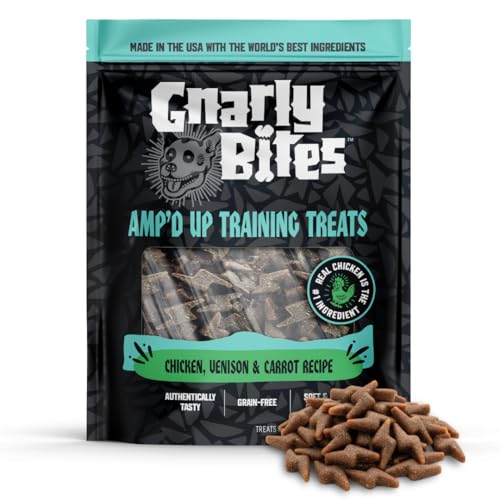
Gnarly Bites Amp’d Up Chicken Training Treats
The Details Behind The Selections
Duck is a smart base here because it’s a novel protein, meaning one most dogs haven’t eaten often enough to develop a reaction to. At roughly three calories apiece, you can run a twenty-repetition session without making a dent in daily intake. The semi-moist format also matters more than it sounds: soft pieces get chewed and swallowed quickly, so your rhythm never stalls waiting on crunching.
The recipe skips artificial flavors and preservatives, and Crumps’ makes these in Canada. Multiple pack sizes exist, from single 4.7-ounce bags up through bulk counts, which is handy once you know your dog likes them.
A Favorable Mix
- Novel duck protein suits dogs who react to chicken or beef
- About three calories per piece supports high-frequency rewarding
- Semi-moist texture means faster swallowing and tighter session pacing
- No artificial flavors or preservatives in the formula
- Available in several pack sizes for stocking up
Small Caveats
- Semi-moist treats can dry out once opened, so seal the bag well between sessions
Key Specs
Who It Suits Best
Dogs with suspected chicken or beef sensitivities whose owners need a low-calorie staple for daily obedience work.
Where A Sibling Pick Shines
For raw-diet households wanting an even more instinctive reward, MOUNTAIN WILD’s elk and venison bites offer wild-sourced protein instead of farmed duck.
Bocce’s built its reputation on short, readable ingredient lists, and the Sunday Roast recipe follows that pattern: oat flour, chicken, pumpkin, ground rice, ground oats, molasses, coconut glycerin, flaxseed, citric acid. Nothing on that list needs a chemistry degree to parse. The chewy bite-size format works well for puppies still learning to take treats gently from your hand.
Pumpkin adds gentle fiber, which owners commonly report helps keep stools consistent when treat volume climbs during a training push. Compared with Crumps’ duck bites, this one leans on familiar chicken rather than a novel protein, so it’s the better everyday choice for dogs with no known sensitivities.
Where It Helps
- Short, natural ingredient list you can actually pronounce
- Wheat-free recipe fits dogs avoiding that specific grain
- Pumpkin brings fiber that helps digestion during heavy treat weeks
- Chewy texture is easy on young teeth
Things To Consider
- Chicken is a common allergen trigger, so skip this if your dog has reacted before
- Chewier pieces slow some dogs down versus crumbly biscuits
Made For
Puppy owners and anyone raising a young dog on simple, recognizable ingredients.
Skip It When
Chicken-sensitive dogs do better on the Crumps’ Naturals duck bites reviewed above.
Wellness positions Tiny Trainers as the tender successor to its Petite Treats line, keeping meat as the first ingredient while trimming grains out entirely. A six-ounce bag holds around 133 pieces at three calories each, which translates to weeks of daily sessions for a mid-sized dog. The lamb-and-apple pairing gives you a flavor most dogs don’t hit in their regular kibble, so the reward feels special.
Flaxseed and omega-3 fatty acids round out the formula, a quiet bonus for coat condition over months of use. Against the Bocce’s pick, you trade wheat-free flexibility for fully grain-free composition plus a skin-and-coat angle.
Noteworthy Benefits
- Grain-free recipe suits dogs on grain-free diets
- Roughly 133 treats per bag stretches across many sessions
- Omega-3s and flaxseed support a healthy, shiny coat over time
- Meat leads the ingredient list, not fillers
Points To Note
- Tender pieces can crumble at the bottom of a treat pouch, so a zip pouch beats a loose pocket
- Lamb recipes cost more per ounce than chicken-based rivals
At A Glance
Right Fit For
Owners of all-breed adult dogs running near-daily sessions who want grain-free rewards with a coat-health side benefit.
Another Choice May Suit
Households watching spending per ounce will find etta says!’ 16-ounce pork and bacon bag more economical.
Volume is the story here. Sixteen ounces of soft, bite-sized pork and bacon rewards covers months of casual training or a multi-dog household burning through bags weekly. Bacon aroma carries real motivational weight too; even distracted dogs tend to lock onto it faster than blander biscuit scents.
The limited-ingredient approach leaves out gelatin, corn, wheat, and soy, which matters for dogs with common food sensitivities. Everything is made in the USA. Compared with Pupford’s pork bites later in this list, you get a bigger bag but a higher calorie count per piece, so portion discipline falls on you.
Strong Points
- 16-ounce bag reduces how often you reorder
- Bacon scent delivers strong motivation for stubborn learners
- Free of corn, wheat, soy, and gelatin
- Soft pieces suit senior dogs with dental wear
Trade Offs
- Calories per piece run higher than dedicated mini-trainer formats, so count them toward daily totals
- Large bags stay freshest when split into smaller sealed containers
- Pork isn’t suitable for every restricted diet
Who Should Grab It
Multi-dog homes and group-class regulars who need bulk supply without sacrificing ingredient quality.
Consider Something Else When
Strict calorie budgeting calls for Pupford’s under-two-calorie pork treats instead.
Full Moon cooks these in small batches from free-range beef raised on family farms, and the ingredient list reads like something from your own pantry: beef, cassava root, ground celery, rosemary extract. No by-products, no waste cuts, no glycerin, grains, corn, wheat, or soy. For owners who treat their dog’s bowl like their own plate, this is the closest thing in the category.
The trade-off shows up in cost per ounce and piece size; these are heartier than micro trainer bites, so they suit marking big wins rather than rapid-fire repetitions. Cassava root, for context, is a starchy tuber that binds the treat without grain.
A Few Strong Suits
- Human-grade standards from ingredients through the kitchen itself
- Free-range beef as the honest first ingredient
- No glycerin, grains, corn, wheat, soy, or artificial anything
- Small-batch cooking tends to preserve aroma and palatability
Where It May Fall Short
- Premium sourcing means a higher cost per ounce than value picks
- Bigger pieces slow down high-repetition drills
Core Details
Best Suited To
Label-reading owners who prioritize ingredient provenance and reserve treats for meaningful reinforcement moments.
Swap It Out When
High-volume session work favors the Wellness CORE Tiny Trainers with their smaller, lighter pieces.
Trainers talk about “high-value” rewards, meaning treats compelling enough to beat squirrels, other dogs, and loud streets. Wild elk and venison sit near the top of that hierarchy for most dogs, and MOUNTAIN WILD sources both from free-roaming Rocky Mountain herds. You may find this is the bag that finally gets a recall to stick at the dog park.
The four-ounce bag is deliberately small, which pushes you toward using these as a jackpot reward layered on top of an everyday treat rather than a sole ration. That scarcity is arguably a feature: rare flavors stay exciting longer than ones your dog eats daily.
Key Advantages
- Wild elk and venison deliver instinct-level appeal few farmed proteins match
- Novel proteins rarely trigger existing sensitivities
- All-natural formula with no filler grains mentioned
- Strong choice for proofing commands in distracting environments
Honest Caveats
- Small 4-ounce bag empties fast in multi-session weeks
- Wild-sourced sourcing typically costs more per ounce than farm-raised options
- Gamey aroma is potent, so store the sealed bag away from your couch
Quick Facts
Whose Shelf It Belongs On
Owners working recall, off-leash reliability, or reactivity training where ordinary kibble simply doesn’t cut it.
Reach For A Different Pick When
Routine household manners practice costs less with the Crumps’ Naturals duck mini trainers.
Under two calories per piece is the number that separates Pupford from nearly everything else here. Puppy classes routinely call for fifty-plus repetitions in a single hour, and at that rate even three-calorie treats add up. These keep the math comfortable while the pork-first recipe and strong aroma hold a young dog’s attention.
Everything is made in the USA from clean, simple ingredients with nothing artificial and no fillers. The soft-chewy texture suits puppy teeth, and the pieces are sized small enough for even toy breeds to swallow safely mid-drill. Compared with etta says!’ bigger pork bag, you sacrifice volume for precision calorie control.
Everyday Perks
- Under 2 kcal per treat enables truly generous rewarding
- Pork leads the ingredient list with no artificial additives or fillers
- Soft texture is gentle on developing puppy teeth
- Small piece size works for toy breeds and quick swallowing
Points To Keep In Mind
- Five-ounce bag runs out quicker than larger-format competitors
- Soft treats fare best in a sealed pouch rather than a warm car or pocket
Product Snapshot
Perfect Match For
Puppy-class attendees and toy-breed owners counting every calorie during intensive early training.
Look Elsewhere When
Adult dogs needing bulk supply are better served by the etta says! 16-ounce pork and bacon bag.
New trainers underestimate how much treat logistics affect learning speed. Gnarly Bites designed around that problem: real chicken leads the ingredient list for attention-grabbing flavor, the soft-chewy texture lets a dog eat in about a second, and venison plus carrots layer in extra taste variety. At 2.4 calories per piece, session math stays reasonable too.
The whole package is built to keep your training flow unbroken, which matters enormously when you’re still learning timing yourself. It’s a forgiving starting point, though seasoned handlers chasing maximum novelty may want the wild-game option earlier in this list.
The Practical Payoff
- Chicken-first recipe grabs and holds a dog’s attention quickly
- Soft, chewy pieces eat fast so drills keep their pace
- Venison and carrots add flavor depth beyond plain chicken
- Just 2.4 calories each keeps frequent rewarding manageable
Less Ideal Details
- Chicken base won’t suit dogs with poultry sensitivities
- Soft textures generally need resealing after each session to stay fresh
The Right Fit
First-time dog owners building basic cues at home who want an affordable, forgiving everyday reward.
Another Choice May Suit
Poultry-sensitive dogs should move to the Crumps’ Naturals duck mini trainers instead.
What Matters Most Before Choosing Natural Dog Training Treats
Size And Calorie Load
Training rewards get handed out in volume, sometimes forty times in one session. Pieces under five calories let you reinforce generously without unbalancing your dog’s daily diet. Check the per-treat figure on the label rather than the bag-level serving suggestion, since that’s the number that actually compounds.
Protein Choice And Sensitivities
Chicken and beef appear everywhere in dog treats, which is precisely why some dogs have developed reactions to them. Novel proteins such as duck, lamb, pork, or wild game lower that risk. A dog with recurring ear issues or itchy skin often does noticeably better on a protein it rarely encounters.
Texture And Session Flow
Semi-moist and soft treats get swallowed in seconds, keeping your reinforcement rate high. Crunchy biscuits buy you durability in a hot car or a jacket pocket but slow the drill down. Match the texture to where you train: soft for structured indoor sessions, firmer for hikes and travel.
Ingredient Transparency
A short list of named foods beats a paragraph of vague meal derivatives. Look for a specific meat as the first ingredient, minimal fillers, and no artificial colors or preservatives. Brands that publish their full ingredient breakdown openly usually have nothing to hide.
Key Considerations Across These Picks
Mistakes Worth Dodging
The most common error is buying a large bag before confirming your dog actually likes it. Start with the smallest size available. Another trap is ignoring calories per treat entirely; a “healthy” reward fed sixty times a day still adds up. Finally, storing soft treats loosely dries them out within days, so reseal properly.
When Paying More Pays Off
Higher-tier treats spend their premium on sourcing: free-range beef, wild-harvested game, human-grade kitchens. That money buys stronger motivation and cleaner formulas, which pays off when you’re proofing difficult behaviors against heavy distraction. For routine house manners, a solid mid-priced option delivers nearly identical results.
Frequently Asked Questions
How many treats can my dog eat in a day?
Keep treats to roughly ten percent of daily calories, adjusting meals downward on heavy training days. Low-calorie options around two to three calories each make that ceiling much easier to respect.
Are soft or crunchy treats better for training?
Soft treats win for speed because dogs swallow them almost instantly, keeping session rhythm tight. Crunchy options hold up better in pockets and warm weather.
What makes a treat “high value”?
High value means your dog prefers it over surrounding distractions, usually driven by strong aroma and a novel protein. Wild game and bacon-style scents typically rank highest.
Can puppies eat training treats?
Yes, provided the pieces are small, soft, and low in calories. Several picks here, including Pupford and Gnarly Bites, are formulated specifically with puppies in mind.
How should I store natural training treats?
Seal the bag tightly after every session and keep it cool and dry. Semi-moist varieties last longest when transferred to an airtight container once opened.
Closing Thoughts
The right training treat is the one your dog finds worth working for and your budget survives rep after rep. Start small, watch the calorie math, and upgrade to a high-value option when distractions get serious. Whichever bag ends up in your pouch, consistency will do more for your dog’s progress than any single ingredient list ever could.
