

Dogs with kidney trouble need food that works with their body, not against it, and that usually means lower phosphorus load, easier-to-process protein, and fewer filler ingredients. The catch is that prescription renal diets are not always an option, whether because of cost, availability, or a vet who wants you to start gentler first. That’s where this list comes in. Each item below leans toward limited ingredients, digestible proteins, or targeted kidney and liver support, so you can match a product to what your dog actually needs day to day.
The Picks In Brief

Nutro Limited Ingredient Diet Salmon & Lentils Dog Food
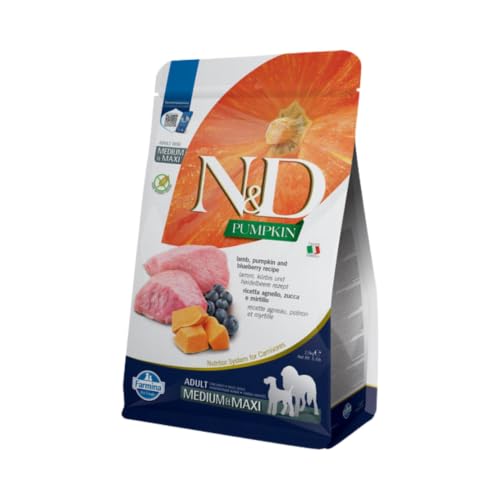
Farmina Lamb & Blueberry Adult Medium & Maxi

Azovast Kidney Support Powder for Dogs & Cats 4 Oz

Hill’s Science Diet Adult 7+ Healthy Cuisine Wet Food

VetriScience Kidney Health Chewables for Dogs, 60 Count

Royal Canin Veterinary Diet Hepatic Dry Dog Food 26.4 lb

Hill’s Prescription Diet l/d Liver Care Dry Food

Whole Paws Grain Free Salmon & Peas Recipe 64 Oz
The Strengths Of Each Pick
Fewer moving parts make life easier when your dog’s system is under strain, and this recipe keeps things deliberately simple. Ten key ingredients or less means there’s less guesswork about what triggered a bad reaction last month.
The salmon-and-lentils base skips chicken by-product meal, corn, wheat, and soy entirely, which matters in multi-dog homes where one pup eats around another’s bowl. Compared with Farmina’s richer lamb recipe further down, this is the lighter touch.
Useful Touches
- Ten key ingredients or fewer, so identifying sensitivities gets far simpler
- Omega 3 and 6 fatty acids nourish sensitive skin, which often shows up as a shinier coat within weeks of switching
- Vitamin E and selenium provide antioxidant support for everyday immunity
- Non-GMO ingredients appeal to shoppers reading labels closely
- Available in both 4 lb and 22 lb bags, handy for trialing before committing
Things To Consider
- Trace amounts of excluded proteins can appear from shared manufacturing lines, worth knowing for severely allergic dogs
- The 4 lb trial bag goes fast on larger breeds, so budget for the big bag once your dog settles in
Key Specs
Who It Suits Best
Dog owners making their first careful switch away from standard kibble, especially for small to medium dogs with skin or stomach sensitivities.
A Better Fit Elsewhere
Houses wanting a meat-forward, higher-fat recipe will get more out of the Farmina Lamb & Blueberry Adult formula instead.
This Italian-made recipe reads differently from the Nutro pick above: lamb and dehydrated lamb lead, backed by herring and herring oil for marine omega fats. Blueberry and dried pumpkin round out a formula built for medium and large adult dogs rather than small breeds.
In real kitchens, owners commonly report good palatability with large-breed dogs that turn their noses up at plainer kibble. It’s formulated to AAFCO maintenance profiles, which gives you a baseline assurance of completeness without hunting through marketing copy.
The Value In It
- Lamb as the primary protein suits dogs that react poorly to chicken-heavy formulas
- Herring oil contributes omega fatty acids tied to coat condition
- Dried pumpkin and pea fiber add gentle digestive roughage
- Sized and shaped for medium and maxi breeds, so big dogs don’t gulp tiny pellets
Worth Noting
- Chicken fat appears in the ingredient chain, a dealbreaker for strictly poultry-free households
- European imports can face patchy stock cycles, so keeping a spare bag on hand is a common habit among owners
Whose Shelf It Belongs On
Owners of medium and large adult dogs who want a premium, protein-rich recipe and don’t mind paying for imported quality.
Where Another Pick Suits Better
Smaller dogs or tighter budgets fit the Whole Paws Grain Free Salmon & Peas recipe more comfortably than this import.
Not every dog accepts a diet change overnight, and that’s the gap a powder like this fills. Sprinkled over existing meals, Azovast targets renal function directly with a probiotic blend rated at 50 billion CFU per scoop, spanning strains such as S. thermophilus and L. acidophilus.
The jar holds roughly 175 scoops in the 4 oz size, which stretches a long way for a cat or small dog. No refrigeration required makes travel and pantry storage painless, unlike many live-culture products.
Features That Help
- Beta (1,3)/(1,6) glucan addresses oxidative stress response tied to renal health
- Niacinamide (vitamin B3) may help bring phosphate levels down, a core concern in renal management
- Chicory root acts as a prebiotic fiber, feeding the beneficial bacteria already in the gut
- Works for both dogs and cats, useful in mixed-pet homes sharing one supplement routine
- Shelf-stable format means no fridge juggling or spoiled scoops
Small Caveats
- Powder acceptance varies; some cats notice texture changes in wet food, so start with a half scoop
- It complements rather than replaces dietary change, pairing best alongside a food like the Nutro LID above
At A Glance
Right Fit For
Owners managing early-stage renal concerns at home who want a mix-in option rather than a full diet overhaul right away.
Consider Something Else When
Dogs that refuse powders outright generally do better with the chewable VetriScience tablets covered next.
Senior dogs losing interest in dry kibble is one of the most common feeding problems owners report, and a stew-style wet food often solves it. This one comes in two flavors, roasted chicken with carrots and spinach, plus braised beef with carrots and peas, so rotation stays interesting.
Where the Azovast powder supplements an existing diet, this replaces part of it, adding moisture that aging kidneys appreciate. The mineral blend is balanced specifically for dogs seven years and older.
Why It Works Well
- High-quality protein helps senior dogs hold onto lean muscle mass
- Balanced minerals are chosen to promote heart and kidney health in mature dogs
- Easily digestible ingredients suit slower senior digestion
- Stew texture tempts fussy eaters that leave kibble sitting in the bowl
- Made in the USA with globally sourced ingredients under Hill’s quality controls
Points To Note
- Wet food costs more per calorie than kibble, so most owners use it as a topper or partial meal
- Opened portions need refrigeration and get used within a couple of days
Built With In Mind
Owners of picky seniors who need extra moisture and appetite appeal layered onto a careful feeding plan.
Not Your Match When
Adult dogs under seven with no appetite issues are better served by the Farmina Lamb & Blueberry dry recipe.
Formerly sold under the Renal Essentials name, these vet-formulated chews have a long track record in renal-support circles. The botanical lineup includes astragalus root, rehmannia, nettle seed, and cordyceps mushroom, herbs traditionally used to encourage healthy filtration and circulation.
Sixty tablets per bottle covers a month at typical daily dosing for most dogs, and the chew format sidesteps the powder-refusal problem some cats and dogs have with mixes like Azovast. Omega-3s (EPA and DHA) add cellular-level antioxidant coverage.
Good Reasons To Consider
- Botanical formula supports fluid balance and natural waste-elimination pathways
- EPA and DHA omega-3s help maintain normal inflammatory response in kidney tissue
- Chewable format means no mixing, measuring spoons, or refrigeration
- Vet-formulated background adds confidence for owners navigating renal care solo
- Suits long-term daily use alongside any of the foods in this roundup
Honest Caveats
- Herbal taste isn’t universal; a minority of dogs need the tablet tucked into cheese or peanut butter
- Results build gradually over weeks, so patience matters more than quick visible change
Feature Snapshot
Perfect Match For
Aging dogs staying on regular food whose owners want a consistent, low-fuss daily renal supplement.
Look Elsewhere When
Cat households get better value from the Azovast powder, which covers both species in one jar.
Kidney and liver care overlap more than most owners expect, since both organs filter what the body takes in. This veterinary diet approaches the problem from the hepatic side, using highly digestible vegetable proteins at adapted levels to lighten the liver’s workload.
Copper restriction is the headline detail here; excess copper accumulates in liver cells, so keeping levels low is central to hepatic management. The 26.4 lb bag suits medium and large dogs on long-term plans, though smaller sizes exist for trials.
A Strong Showing
- Low copper content minimizes buildup in liver cells over months of feeding
- Highly digestible vegetable proteins reduce strain compared with dense animal proteins
- Adapted energy density means smaller meal volumes, easing intestinal load
- Selected prebiotics nurture a healthy gastrointestinal microbiome
- An antioxidant blend backs immune function during compromised-liver periods
Trade Offs
- This is therapeutic nutrition, so a veterinarian should confirm it fits your dog’s specific diagnosis before switching
- The large bag needs an airtight container and cool storage to keep kibble fresh to the bottom
Core Details
Made For
Dogs under veterinary care for liver conditions whose treatment plan calls for restricted copper and adjusted protein.
Reach For A Different Pick When
Your vet prefers a chicken-flavored clinical formula; the Hill’s l/d Liver Care recipe below covers the same ground.
Where Royal Canin leans on vegetable proteins, Hill’s l/d takes the controlled-protein route in a chicken flavor most dogs accept readily. Nutritionists and veterinarians developed it specifically to protect liver function in compromised patients.
The formula also promotes a urinary environment that discourages crystal formation, a secondary concern worth having covered in one bowl. Like the Royal Canin above, it’s therapeutic nutrition meant to run past your vet, not around them.
Bright Spots
- Controlled, highly digestible protein levels help reduce the liver’s workload
- Low copper formulation limits accumulation in liver tissue
- Clinically proven antioxidants reinforce immune defenses critical for dogs with strained livers
- Chicken flavor earns broad acceptance, easing the transition off ordinary kibble
Room For Improvement
- Veterinary guidance is expected before and during use, which adds a step some households skip
- Owners occasionally report gradual transitions work better; mixing increasing amounts into old food over a week tends to prevent stomach upset
Quick Facts
The Right Fit
Dogs with diagnosed liver compromise whose vets recommend a clinically formulated, chicken-based therapeutic kibble.
Skip It When
Your dog needs plant-protein hepatic management specifically; the Royal Canin Hepatic formula matches that brief more closely.
Real salmon sits at the top of the ingredient list here, which is rarer than shelf photos suggest at this tier. Fish-first recipes bring natural omega fats along with them, useful for dogs whose skin and coat show stress during dietary changes.
The grain-free salmon-and-peas base avoids the chicken and beef proteins that dominate cheaper shelves, and multiple flavor variants exist if your dog tires of one. Next to the premium Farmina recipe, this trades some ingredient refinement for a friendlier cost per pound.
Positive Takeaways
- Salmon as the first ingredient delivers fish-derived omega fatty acids naturally
- Grain-free peas recipe sidesteps corn, wheat, and common poultry allergens
- The 64 oz twin pack stretches further between shopping trips for multi-dog homes
- Several flavor options let you rotate proteins without changing brands
Potential Drawbacks
- Pea-heavy grain-free formulas have drawn industry discussion around dilated cardiomyopathy, so checking with your vet before long-term use is a widely repeated recommendation
- Large bags can go stale without a sealed storage bin in humid climates
Best Suited To
Budget-aware households with adult dogs that tolerate fish-based, grain-free recipes and eat moderate volumes.
Swap It Out When
You want a shorter, tightly capped ingredient list; the Nutro Limited Ingredient Diet handles that job with more precision.
What Matters Most Before Choosing Non-Prescription Dog Foods For Kidney Disease
Protein Quality Over Protein Quantity
Compromised kidneys process protein less efficiently, so digestibility beats sheer volume. Look for named single proteins like salmon or lamb rather than vague meal blends, since cleaner sources leave less residue for filtering organs to handle. Dogs showing early sensitivity signs often settle fastest on limited-ingredient recipes.
Phosphorus And Mineral Load
Phosphorus control sits at the center of renal nutrition, and mineral balance matters almost as much. Therapeutic formulas publish their restrictions openly, while everyday foods require label scrutiny. Pairing a standard food with a phosphate-minded supplement, as the Azovast powder attempts via niacinamide, is one middle path worth discussing with your vet.
Moisture Content
Wet foods and stews deliver hydration that dry kibble simply can’t, and hydrated dogs place less concentrated demand on their kidneys. Senior dogs that sip water reluctantly benefit most from a wet-food topper like the Hill’s stew. Rotation between formats also keeps appetite steady during long management periods.
Match The Product To The Stage
Early-stage concerns call for gentle everyday foods plus optional supplements, while diagnosed conditions usually justify therapeutic diets under supervision. Buying beyond your dog’s actual stage wastes money; buying below it delays proper care.
Key Considerations Across These Picks
Traps First Timers Fall Into
Switching foods cold turkey is the classic error; a week-long gradual mix prevents the stomach upset that gets blamed on the new product. Another slip is stacking multiple supplements with overlapping actives, which doubles cost without doubling benefit. Read labels against what’s already in the bowl before adding anything.
What Separates Premium From Basic
Higher-tier formulas spend on named proteins, imported sourcing, and precise mineral control, which shows up as better palatability and steadier stools. The upgrade pays off for dogs with confirmed sensitivities or long-term management plans. Healthy young dogs rarely need that ceiling.
Frequently Asked Questions
Can non-prescription food really help a dog with kidney disease?
It can provide gentler nutrition and supportive nutrients, but it doesn’t replace veterinary treatment. Always loop your vet into any diet decision involving diagnosed kidney disease.
Is a supplement enough on its own?
Supplements like powders and chews layer support onto a diet, they don’t substitute for appropriate food. Most owners see them as one piece of a broader plan.
Why do so many renal-support products avoid chicken?
Chicken is among the most common canine allergens, and reducing potential irritants lightens overall physiological load. Fish and lamb bases offer alternatives with useful fatty acid profiles.
Should I transition my dog’s food gradually?
Yes, a seven to ten day blend of old and new food minimizes digestive upset. Sudden switches frequently cause loose stools regardless of product quality.
How do I know which pick fits my dog?
Start from your dog’s diagnosis, age, and current symptoms, then match the profile sections above. A short conversation with your vet narrows the choice fastest.
Bottom Line
Managing kidney health through diet is a marathon measured in months, not a single purchase. Start with the gentlest option that fits your dog’s stage, introduce changes slowly, and keep your vet informed at each step. The eight products here cover everything from simple limited-ingredient kibble to targeted powders and therapeutic formulas, so there’s a realistic entry point whatever your situation looks like today.
