

Mice don’t respect property lines, and once they find a warm gap near your foundation or garage door, they’ll keep coming back. A good bait station solves this quietly: it holds rodenticide securely, keeps pets and kids away from the poison, and shields the bait from rain so it stays appealing to rodents. The catch is that stations vary a lot in size, locking style, and durability, and the wrong choice either wastes bait or leaves it exposed.
This roundup covers eight options that handle different situations, from a bulk case of professional-grade units to a single refillable station pre-loaded with bait. Homeowners dealing with a recurring perimeter problem will want coverage at multiple points, while anyone facing an occasional intruder can get by with one well-placed box. Each entry below breaks down what works, what doesn’t, and who each station actually fits.
The Main Contenders

Protecta RTU Mouse Bait Stations (12-Unit Case)

Neogen 000550 Rodent Bait Station (Black)
Anblak Mouse Stations with Keys 6 Pack

Qualirey Triangle Mice Bait Stations 36 Pcs

Anblak Rat Station Box 6 Pack with Key
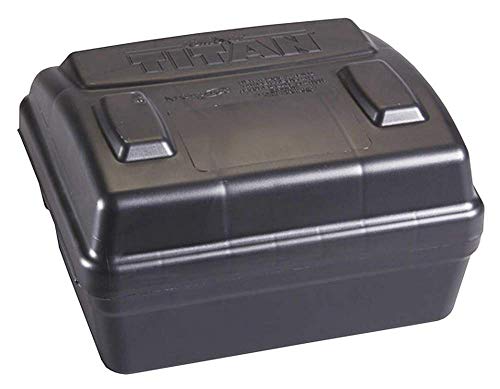
Tomcat Titan Rodent Bait Station

Qualirey Rat Bait Stations 12 Packs

Tomcat Advanced Rat & Mouse Bait Refillable Station
What Each Pick Brings To The Table
This is the kind of station pest-control operators reach for when a client’s perimeter needs real coverage. The tamper-resistant housing locks automatically as soon as the lid closes, so there’s no fumbling with a separate latch while kneeling along a fence line.
The shape matters too. Angled entry holes let the unit sit flush against a wall or tucked into a corner, which is exactly where mice travel anyway. Interior baffles guide rodents toward the bait chamber instead of letting them wander past it.
The Helpful Details
- Lid self-locks on closing, so nothing stays accidentally open between service checks
- Fits standard blox baits around the 15 to 28 gram range, giving you flexibility across common formulations
- Angled openings hug walls and corners where rodent traffic is heaviest
- A twelve-unit case lets you ring an entire yard without repositioning one box weekly
- Tamper-resistant construction keeps bait away from curious dogs and children
Points To Note
- Built for mice specifically, so rats may not fit through the smaller entries
- Buying a full case makes sense only for larger properties or ongoing monitoring routines
The Right Fit
Property owners running a seasonal perimeter program across multiple entry points will get the most out of this case format.
Swap It Out When
Rat problems call for the larger Neogen 000550 instead, since its dual openings accommodate bigger rodents.
Where the Protecta case targets mice, this Neogen unit widens the net. Two side openings give both rats and mice a comfortable way in, which saves you from guessing which species you’re dealing with before buying hardware.
Around a home, that flexibility pays off. You can slide one along a garage wall, another behind the shed, and trust that whatever shows up can actually enter. The tamper-resistant lock keeps the contents sealed away from non-target animals, and interior rods hold bait blocks steady so rodents feed rather than drag chunks off.
What Helps Most
- Dual side entrances accept both rats and mice, removing species guesswork
- Lockable lid keeps bait dry, fresh, and out of reach of household pets
- Interior vertical rods secure bait blocks so feeding happens inside the box
- Six-pack quantity covers a typical suburban lot’s trouble spots
Small Caveats
- No anchor points mentioned by the manufacturer, so windy exposed placements may need creative weighting
- Black plastic warms up in direct summer sun, which some owners report affects bait freshness faster
Feature Snapshot
Made For
Homeowners who’ve spotted droppings of uncertain origin and want one station type that handles either species.
Another Choice May Suit
Confirmed mouse-only activity fits the Protecta RTU case better, thanks to its tighter mouse-focused entries and corner-friendly profile.
Households with toddlers or a food-motivated dog need a locking system that fails safe. This six-pack answers that with a two-mode approach: a built-in keyless mechanism for quick servicing, plus a physical key override when you want the box truly secured.
The units work indoors and out, so the same set can guard a pantry corner in winter and a garden bed in summer. Note that these are bait holders, not traps; there’s no snap mechanism inside, just a protected chamber for rodenticide.
Positive Takeaways
- Dual unlocking modes balance convenience against serious child and pet security
- Six keys included means every unit gets its own dedicated key, no shared-key juggling
- Versatile enough for living rooms, bathrooms, garages, and gardens alike
- Shields wiring, stored food, and plants from rodent damage indirectly by drawing activity to baited points
Honest Caveats
- Keyless mode is quicker to open than a keyed lock, so households with very young children should default to keyed mode
- Owners commonly report needing to keep spare keys somewhere memorable, since losing one means a locked-out station
Who Will Love This
Families mixing indoor and outdoor placement who prioritize locking flexibility over commercial-grade toughness.
Reach For A Different Pick When
Rat-sized visitors are the issue, in which case the Anblak rat station box elsewhere in this list offers a roomier interior.
Thirty-six stations in one order changes how you think about placement. Instead of choosing three strategic locations, you can line a long fence, dot a barn aisle, and still keep spares in the shed for next season. Each triangle-shaped box measures roughly 5.28 by 3.82 by 1.26 inches, small enough to tuck behind planters or along baseboards.
The enclosed, keyed design follows the same safety logic as the pricier picks here: bait stays hidden from pets and children until an adult unlocks the lid. In our view, this set suits anyone who’d rather over-cover than under-cover a stubborn problem.
Points In Its Favor
- Bulk quantity supports dense placement across large yards, outbuildings, or rental properties
- Compact triangular footprint slips into tight gaps where bulkier boxes won’t sit flush
- Lightweight build makes seasonal repositioning a one-hand job
- Keyed closure keeps contents enclosed and away from non-target animals
Where It May Fall Short
- Lightweight plastic can shift in strong wind unless weighted or wedged in place
- Interior volume suits mice only; rats won’t fit comfortably
- Managing 36 individual keys takes some organization on your end
Details At A Glance
Right Fit For
Landlords, small-farm owners, and anyone managing several structures who need many stations without much spend.
Not Your Match When
You only need a handful of heavy-duty units; the Tomcat Titan delivers more ruggedness per station for that scenario.
Most budget stations are mouse-sized afterthoughts. This Anblak set flips that: the boxes are built around rat-scale visitors first, with enough interior room for larger bait blocks and bigger bodies moving through.
The locking system mirrors the brand’s mouse stations, pairing a keyless mechanism with an included key. One detail worth flagging: switching to keyed mode requires removing a black button first, a step easy to miss on day one. Premium plastic construction suggests these will survive a few seasons outdoors, though you’ll want to check seals after harsh winters.
Where It Excels
- Rat-appropriate sizing handles the larger rodents most compact stations turn away
- Reusable housings mean you’re buying infrastructure once, then just refreshing bait
- Keyless-plus-key design adapts between quick servicing and locked-down security
- Six-pack layout covers a garage, shed, and yard perimeter in one go
Trade Offs To Consider
- Mode-switching requires pulling the black button beforehand, which trips up first-time setup
- Plastic construction, while sturdy, isn’t the commercial-grade polymer found on pro-tier units like the Tomcat Titan
Core Details
Who Should Grab It
Anyone who’s confirmed rat activity around a shed, coop, or dumpster pad and wants purpose-built housing rather than oversized mouse boxes.
Consider Something Else When
Your problem is strictly house mice indoors; the smaller Anblak mouse six-pack costs less and fits tighter spaces.
Open, windy ground is where cheap stations fail. They tip, drift, and end up sideways behind the compost bin. The Titan sidesteps all of that with a custom brick pre-installed inside the housing, so the unit stays planted with zero additional securing required.
It’s also designed around speed of service. The interior accepts traps and bait together, letting you run both methods in tandem from one box, and the layout opens up for fast cleaning between refills. For farmyards, barns, and exposed acreage, that combination of weight and washability is hard to argue with.
The Practical Payoff
- Pre-installed brick keeps the station grounded in wind without stakes or adhesives
- Supports traps and bait simultaneously, doubling your control methods per placement
- Commercial-grade build tolerates rough handling and repeated outdoor exposure
- Fast clean-out design cuts down maintenance time between services
Things That May Matter
- Added internal weight makes relocation less casual than lightweight budget boxes
- Single-unit format means large properties require multiple purchases for full coverage
Quick Facts
Built With In Mind
Farm and acreage owners dealing with open, weather-exposed ground where lighter stations simply blow away.
Look Elsewhere When
Discreet placement along a house foundation is the goal; the slim Qualirey triangle stations disappear into those gaps far better.
Weather is the quiet killer of outdoor bait. Rain-soaked pellets lose their appeal, dust settles on blocks, and rodents move on. These Qualirey units attack that problem directly: each roughly 9.84 by 7.48 by 3.94 inch box uses a key-locked lid to seal bait away from water and airborne dust, keeping it attractive longer.
The generous interior installs vertically or horizontally depending on where rats travel, and small entry holes admit rodents while turning pets away. Twelve stations and twelve matching keys make this the most complete outdoor coverage kit in the lineup, sized for rats unlike the mouse-only Qualirey triangles earlier in the list.
The Good Stuff
- Lockable lid shields bait from rain and dust, extending its working life outdoors
- Roomy interior mounts vertically or horizontally to match runways and gaps
- Plastic shells shrug off bad weather and stay reusable season after season
- Narrow entry openings block cats, dogs, and other non-target animals from reaching contents
- Twelve-station count with twelve keys suits sprawling yards and outbuildings
Less Ideal Details
- Larger footprint is visible along patios and walkways, so discreet placement takes planning
- Twelve separate keys demand a labeled storage spot or you’ll be matching them by trial
Technical Sheet
Who It Suits Best
Homeowners battling persistent rat activity across gardens, woodpiles, and yard perimeters through changing seasons.
Skip It When
You want a grab-and-go starter kit; the Tomcat refillable station arrives pre-baited and skips the setup entirely.
First-timers usually stall at the bait-selection step, wondering which formulation mice will actually eat. This Tomcat kit removes that decision entirely: twelve baits arrive inside the refillable station, formulated specifically to draw house mice in.
Monitoring is the other beginner pain point, and the clear lid solves it. One glance tells you whether bait has been taken, no unlocking required. The housing resists tampering by children and dogs, and because it’s refillable, the same station carries forward with fresh bait whenever needed. Compared with the bare Qualirey sets, you’re paying for convenience and brand-formulated bait bundled together.
Where It Helps
- Ships loaded with twelve baits, so setup is placement rather than assembly
- Bait formula targets house mice specifically, improving take rates where mice are the culprit
- Clear lid enables visual checks without opening the station
- Refillable housing extends usefulness across multiple rounds of treatment
- Child- and dog-resistant construction adds peace of mind near play areas
Things To Consider
- Single-station format covers limited ground; wider problems need additional kits or a multi-pack alternative
- Proprietary-style bait bundling means restocking ties you to compatible Tomcat refills
Feature Rundown
Whose Shelf It Belongs On
First-time users handling a contained mouse problem who want everything matched and ready out of the box.
A Better Fit Elsewhere
Experienced users stocking a whole-property program will find better value density in the Qualirey twelve-pack with its own bait choices.
Choosing Between These Stations Without Guesswork
Match The Station To The Rodent
Sizing is the first filter. Mouse-only stations, like the Protecta RTU and the Qualirey triangles, use narrow entries that rats physically cannot enter, so a misdiagnosed problem means wasted weeks. Rat-capable boxes such as the Neogen 000550 or the Anblak rat station trade some discretion for larger openings. Droppings tell the story: rice-grain sized points to mice, larger and blunter points to rats.
Locking Style Shapes Daily Use
Three locking approaches show up here. Auto-latching lids close and secure in one motion, ideal for frequent checks. Key-and-keyless hybrids offer flexibility but add a key-management chore. Pre-loaded refillables skip servicing almost entirely. Frequent-use households tend to prefer the fastest mechanism they can still trust around pets.
Placement Environment Decides Durability
Exposed ground punishes light plastic. Wind, rain, and sun degrade cheap housings within a season or two, and wet bait stops attracting rodents altogether. Weighted designs like the Tomcat Titan and weather-sealed lids like the Qualirey twelve-pack exist precisely for those conditions. Sheltered spots along foundations can get away with lighter, cheaper units.
Coverage Math Before Checkout
Count your placement points honestly: foundation gaps, shed doors, compost areas, garage thresholds. Most suburban lots need four to eight active stations for a solid perimeter. Buying a six-pack twice usually beats buying singles repeatedly, both in cost and in consistency of your monitoring routine.
Key Considerations Across These Picks
Traps First Timers Fall Into
The classic error is buying mouse-sized stations for a rat problem, then concluding the product failed when bait sits untouched. Another slip: placing stations in open lawn where rodents never travel. Anchor placements along walls and fences, where rodents naturally hug surfaces. Skipping the droppings check before ordering leads to half the mismatch complaints in this category.
When Paying More Pays Off
Higher-tier stations earn their cost through materials and engineering, not marketing. Commercial-grade polymer resists cracking in freeze-thaw cycles, weighted bases eliminate wind losses, and precision baffles route rodents to bait faster. For a one-time seasonal issue, a budget pack does fine. For year-round perimeter defense on exposed property, the durable option repays itself in replaced-cheap-units avoided.
Frequently Asked Questions
How far apart should outdoor bait stations be placed?
Spacing of 15 to 30 feet along a building perimeter is the widely used guideline for rodent pressure. Tighter spacing helps where activity signs are concentrated near one area.
Will my dog be able to open these stations?
All eight options here use tamper-resistant closures designed to resist dogs and children. Keyed and auto-locking models add a second barrier beyond simple snap lids.
Do bait stations work without poison inside?
An empty station shelters nothing and attracts little on its own. Some units accept traps alongside bait, but the housing itself is a delivery tool, not a standalone solution.
How often should I check and refresh the bait?
Weekly checks during active infestations catch consumption patterns early. Once activity drops, monthly inspections are generally sufficient through the season.
Can I use these stations indoors?
Yes, several models here explicitly support indoor and outdoor placement. Garages, basements, and utility rooms are common indoor spots where the same locking benefits apply.
Closing Thoughts
Your best match depends on three honest answers: which rodent you’re hosting, how exposed your placement sites are, and how many points need coverage. The Protecta case anchors a serious perimeter program, the Titan handles brutal open ground, and the Tomcat refillable gets beginners moving today. Start with the smallest set that covers your actual trouble spots, monitor for two weeks, and scale from there. Rodent control rewards patience and placement far more than it rewards spending.
