

Small dogs burn energy fast, chew less per bite, and often turn their noses up at anything too big or bland. Feeding them right means matching kibble size, protein quality, and calorie density to a body that weighs under 25 pounds. This roundup covers seven options built exactly for that job, from everyday dry kibble to sensitive-stomach stews. Each pick below fits a different dog and household, so you can match the food to your pup instead of forcing a fit.
The Lineup, Simplified
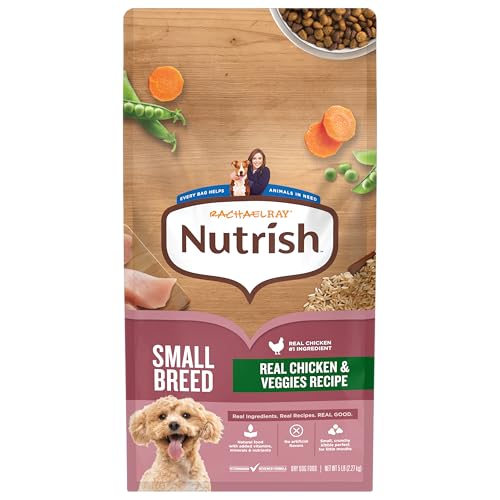
Nutrish Small Breed Dry Dog Food with Chicken, 5 lb. Bag

Optimeal Wet Dog Food Small Breed Variety Pack

Royal Canin Small Adult Dry Dog Food, 4 lb. Bag

Nutrish Healthy Weight Dry Dog Food, 4.5 lb. Bag

Hill’s Science Diet Sensitive Stomach & Skin Wet Variety Pack

Purina Beneful Small Breed Wet Dog Food Variety Pack, 30 Cans
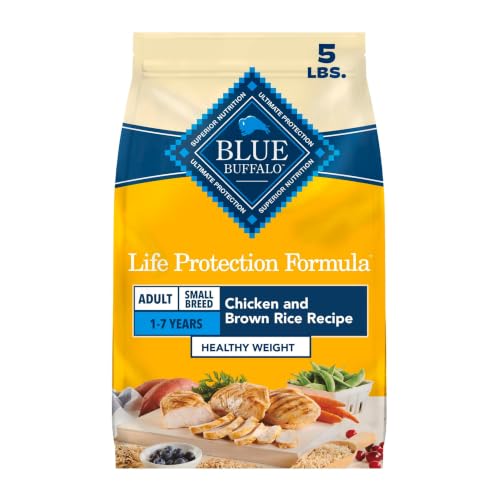
Blue Buffalo Life Protection Formula Healthy Weight Small Dog Food
A Breakdown Of The Leading Choices
This is the no-fuss option in the lineup: real chicken listed first, crunchy kibble sized for little jaws, and nothing artificial flavoring the bowl. For households feeding one or two small adults, the 5-pound bag stores easily in a cupboard without going stale before you finish it.
The recipe is veterinarian reviewed and carries added vitamins and minerals for complete daily meals. Picky eaters tend to finish it, which owners commonly report is half the battle with small breeds.
A Strong Showing
- Real chicken leads the ingredient list, giving small dogs the dense protein they need from tiny portions
- Small, crunchy kibble suits little mouths and adds a mild dental-scraping benefit at mealtime
- No artificial flavors, which matters for dogs prone to food sensitivities
- Sales support The Rachael Ray Foundation, helping animals in need
Things To Consider
- The bag reseals with a fold rather than a zipper, so an airtight container keeps it fresher longer
- Grain-inclusive recipe, so strictly grain-free households will look elsewhere
At A Glance
Who It Suits Best
Owners of healthy adult small breeds who want a straightforward, chicken-first kibble without premium pricing.
Where Another Pick Shines
Dogs needing weight management do better on the Nutrish Healthy Weight turkey recipe later in this list.
Where the Nutrish bag above handles routine dry feeding, this pouch set covers the other end of the spectrum: soft, grain-free morsels in aspic for dogs with touchy digestion. Aspic simply means the savory gel that locks in moisture and flavor, and it makes the texture easy on older teeth too.
Each 3-ounce pouch delivers complete, balanced nutrition, so it can anchor a full diet rather than act as a topper. Prebiotic FOS, a fiber that feeds beneficial gut bacteria, supports gentler digestion alongside highly digestible proteins.
Positive Takeaways
- Omega-3 and Omega-6 fatty acids support skin and coat condition over weeks of consistent feeding
- Calcium and phosphorus levels back strong muscles and bones in still-developing pups
- Single-serve pouches mean no half-open cans drying out in the fridge
Honest Caveats
- Wet-only diets cost noticeably more per calorie than kibble for the same dog
- Once opened, a pouch needs refrigeration and should be finished within a couple of days
- Twelve pouches go quickly with a hungry small breed eating two to three servings daily
Made For
Small-breed owners managing sensitive stomachs, dull coats, or seniors who struggle with hard kibble.
Consider Something Else When
Healthy adult dogs with no digestion issues get equal nutrition for less from the Nutrish Small Breed Chicken kibble above.
Royal Canin builds this formula around a narrow window: small dogs aged 10 months to 8 years weighing 9 to 22 pounds. That precision shows in the details, from easy-to-digest proteins to a calibrated calcium-and-phosphorus blend aimed at maintaining bone strength.
In a busy household, the practical payoff is predictable stools and steady weight thanks to prebiotic fibers that support a healthy gut microbiome. Owners commonly report strong palatability, and the kibble pairs cleanly with Royal Canin wet food for mixed feeding and extra hydration.
Key Advantages
- Calorie profile matched to small dogs’ higher metabolic rate, supporting ideal weight
- Prebiotic fibers and digestible proteins promote digestive consistency
- An age-specific Small 8+ formula exists when your dog matures past eight years
Points To Note
- The 4-pound bag runs smaller than competitors’, so multi-dog homes refill more often
- Weight range tops out at 22 lbs, excluding larger small breeds like some beagles
Quick Facts
Right Fit For
Owners who want science-driven, life-stage-specific nutrition for a purebred or mixed small dog inside the 9-to-22-pound window.
Swap It Out When
Dogs with diagnosed stomach sensitivities may fare better on Hill’s Science Diet Sensitive Stomach & Skin further down.
Small breeds gain weight quietly; a Chihuahua carrying two extra pounds is proportionally like a person adding twenty. This turkey-first recipe answers that with L-Carnitine, an amino-acid compound that helps the body convert fat into usable energy and supports metabolism.
Unlike the chicken Nutrish earlier in this list, the protein here is real turkey backed by brown rice and venison for a richer flavor profile. It’s formulated for all breed sizes, so it works in mixed-weight households where a small dog shares a pantry with a bigger housemate.
Positive Points
- L-Carnitine actively supports healthy weight and metabolism, not just reduced calories
- Real turkey as the lead ingredient keeps protein high even in smaller portions
- Veterinarian-reviewed formula with no artificial flavors
Worth Bearing In Mind
- Kibble isn’t specifically sized for tiny mouths, so toy breeds may crunch around larger pieces
- Portion discipline still matters; the formula assists metabolism but doesn’t replace measured feeding
Who Should Grab It
Owners of pudgy small dogs, or any small breed whose vet has flagged gradual weight creep.
Another Choice May Suit
Lean, active small breeds are better served by Blue Buffalo Life Protection Formula Healthy Weight near the end of this list.
Hill’s has spent decades building its reputation on veterinary-formulated diets, and this stew line applies that rigor to dogs whose stomachs complain loudly. Two flavors come in the pack, Chicken & Rice and Turkey & Vegetables, both slow-cooked into a soft stew texture that most adult dogs finish eagerly.
The formulation targets two problems at once: optimal digestive health and skin nourishment from vitamin E and omega-6 fatty acids. Compared to the Optimeal pouches earlier in this list, Hill’s leans on a longer clinical track record while Optimeal offers grain-free flexibility.
The Value In It
- Easily digestible ingredients designed for calmer stomachs and easier stool cleanup
- Vitamin E plus omega-6s nourish coat shine from within over consistent feeding
- Two-flavor rotation keeps mealtime interesting for fussy small dogs
Softer Spots
- Contains grains, so strictly grain-free feeding plans won’t accommodate it
- Small 2.8-ounce cups generate more packaging waste than a single large can
Details At A Glance
Whose Shelf It Belongs On
Households dealing with intermittent tummy trouble or dull coats in an otherwise healthy adult small dog.
Reach For A Different Pick When
Grain-free requirements point you toward the Optimeal Small Breed Variety Pack covered earlier.
Thirty cans is serious pantry stock, and that volume is exactly why this pack earns its spot: wet-food feeders burn through small cans fast. IncrediBites recipes rotate real beef, chicken, and salmon in gravy, each tender bite scaled down for tiny taste buds and small jaws.
The gravy base adds hydration, useful for small dogs who under-drink, and the meat-forward mix supports strong muscles. Against the Hill’s stews above, this pack trades clinical positioning for sheer variety and bulk convenience.
Noteworthy Benefits
- Three proteins in one case keep rotation simple without buying separate cases
- Gravy texture boosts moisture intake, a quiet win for kidney-friendly hydration habits
- Thirty-can supply means fewer reorders for daily wet feeders
Less Ideal Details
- Opened cans need refrigeration and a cover; plan for leftovers within a day or two
- No specialized formulas here, so sensitive-stomach dogs belong on the Hill’s or Optimeal picks
Core Details
The Right Fit
Multi-dog small-breed homes or committed wet-food feeders who want variety stocked deep.
Look Elsewhere When
Digestive sensitivity calls for the Hill’s Science Diet Sensitive Stomach & Skin pack instead.
Blue Buffalo closes the list with a weight-management kibble that doesn’t skimp on muscle support. Real chicken opens the ingredient deck, fueling lean muscle, while a balanced calorie profile and wholesome carbohydrates keep energy steady through the day.
Compared to the Nutrish Healthy Weight recipe, this one is purpose-built for small breeds with a dedicated kibble size and a chicken-and-brown-rice base many owners recognize as a long-running staple. Lamb and brown rice variants exist too, handy for dogs that tire of poultry.
Strengths Worth Knowing
- Caloric balance designed specifically for small-breed weight management
- Chicken-first protein supports lean muscle during a cutting phase
- Natural ingredients enhanced with vitamins and minerals for complete daily nutrition
- Available in 15-pound bags once you confirm your dog likes it
Small Limitations
- Transition slowly over a week or so; abrupt switches commonly cause loose stools
- Only two flavor bases, limiting rotation compared to the Beneful variety case
Feature Rundown
Built With In Mind
Active small breeds needing calorie control without losing muscle tone, especially dogs recovering from a few extra pounds.
Not Your Match When
Wet-food preference or dental trouble points you toward the Optimeal pouches or Beneful cans in this lineup.
What Matters Most Before Choosing Healthy Dog Foods For Small Dogs
Kibble Size And Texture
Small jaws need small pieces. Kibble engineered for little mouths gets picked up cleanly and chewed fully, which aids digestion and slows gulping. Soft-wet formats solve the problem entirely for seniors or dogs with missing teeth, though they cost more per serving.
Protein First, Always
Scan the label for a named meat leading the ingredient list, whether chicken, turkey, or beef. Small dogs eat less total volume, so every bite must carry more nutritional weight. Vague meat by-products buried mid-list usually signal a weaker formula.
Match The Life Stage And Problem
A ten-month-old puppy, an overweight adult, and a senior with a sensitive stomach need three different foods. Formulas targeting weight add compounds like L-Carnitine; digestive-focused blends lean on prebiotics and omega fatty acids. Buying a general adult formula for a specific problem wastes money and delays results.
Practical Storage And Serving
Bulk cans and big bags save money only if the food stays fresh. Airtight containers for kibble, refrigeration for opened wet food, and honest portion measuring make the difference between a good purchase and wasted product.
Key Considerations Across These Picks
Traps First Timers Fall Into
Switching foods overnight is the classic error; transition gradually across a week to avoid stomach upset. Another slip is buying huge bags of a new food before confirming your dog actually eats it. Start with the smallest available size, then scale up.
Where The Extra Money Goes
Premium formulas fund precise nutrient calibration, named-protein sourcing, and life-stage research. You pay more for targeted outcomes: steadier digestion, controlled weight, healthier coats. Generic kibble fills a bowl; specialized food solves a problem, and that difference justifies the upgrade for dogs with real needs.
Closing Thoughts
Feeding a small dog well comes down to matching the food to the mouth, the metabolism, and any specific issue your vet has flagged. The seven picks above cover the full range, from budget-friendly daily kibble to sensitive-stomach stews. Check labels against your dog’s age and weight, start with a small bag, and let a week of clean bowls tell you what’s working.
