

A cancer diagnosis changes everything about how you feed your dog. Appetite drops, weight slips away, and the kibble that worked for years suddenly sits untouched in the bowl. This roundup covers clinical prescription foods, herbal supplements, and cookbooks written specifically for canine cancer nutrition, so you can build a feeding plan that fits your dog’s situation and your vet’s guidance.
Quick Look At Our Top Picks

Unipomme Pet Critical Guard Dog Supplement 2 oz
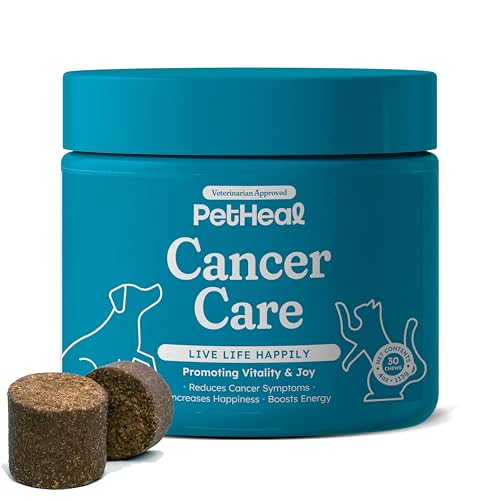
PetHeal Cancer Care Chews for Dogs, Pork Flavor, 30 Soft Chews

Hill’s Prescription Diet ONC Care Dry Dog Food

The Dog Cancer Diet by Demian Dressler
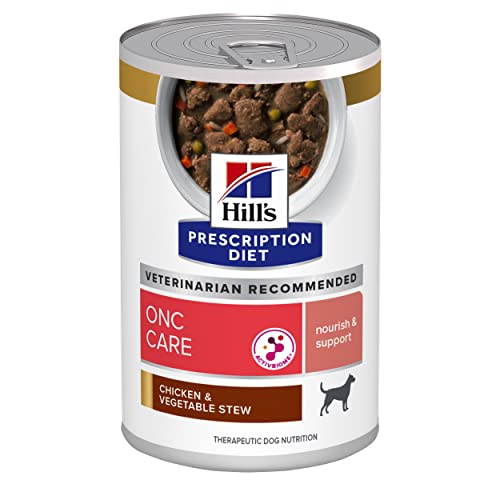
Hill’s Prescription Diet ONC Care Wet Dog Food

Cancer Dog Food Cookbook by Dr. Elara Whitewood

Cancer Dog Food Cookbook by Dr. Wesley Glasgow

Simple Recipes for Dogs with Cancer
More Details On Our Top Picks
This liquid herbal supplement leans on turkey tail mushroom, agaricus blazei, and turmeric, three ingredients with a long history in immune-focused pet formulas. Beta-glucans, the complex sugars found in medicinal mushrooms, are the active workhorse here, and the small 2 oz dropper bottle makes dosing straightforward at mealtime.
The liquid format matters more than it sounds. Dogs dealing with appetite loss often spit out capsules, but a few drops stirred into wet food tends to go unnoticed. Owners commonly report the herbal scent is mild enough that most dogs accept it without fuss.
Strong Points
- Beta-glucan and antioxidant blend aimed at vascular health support
- Liquid dosing mixes into food easily, no pill wrestling
- Turkey tail mushroom, one of the most studied mushrooms in canine wellness circles
- Small bottle stores compactly and travels well to vet visits
Things To Consider
- A 2 oz bottle runs out quickly for larger breeds, so budget for repeat orders
- Herbal liquids can settle between uses, so shake before each dose
Key Specs
Who It Suits Best
Dogs whose care plans emphasize immune and vascular support, especially smaller breeds where a 2 oz supply stretches further.
Where Another Pick Suits Better
Larger dogs or pill-averse eaters may get better value from the PetHeal Cancer Care Chews, which come in a pork flavor dogs tend to chase.
Where the Unipomme liquid asks you to measure drops, this option hands you a soft chew shaped like a treat. Astragalus root and burdock root do the heavy lifting here, both traditional herbs associated with antioxidant activity against free radicals, the unstable molecules that stress cells.
The pork flavoring is the real selling point for households with fussy eaters. Ginger root rounds out the formula, an ingredient many owners reach for when nausea or low energy shows up during treatment weeks. Thirty chews per bag means roughly a month of daily dosing for a medium dog, though bigger breeds will burn through it faster.
What We Like
- Soft chew texture works for senior dogs with dental sensitivity
- Pork flavor masks herbal notes that dogs often reject
- Ginger adds digestive comfort alongside antioxidant support
- Vet-reviewed formulation gives some peace of mind
Worth Noting
- Chews can dry out once opened, so reseal the bag promptly and store it cool
- One bag covers about a month, a recurring cost worth factoring in
At A Glance
Made For
Dogs who turn their nose up at liquids and powders but never refuse anything that smells like pork.
Consider Something Else When
Dogs already eating Hill’s ONC Care may not need a second supplement layer, since that food builds its own nutritional support into every bowl.
This is the only entry here built as complete daily nutrition rather than a top-up. Hill’s nutritionists formulated it around two problems that dominate canine cancer care: weight loss and gut disruption. Highly digestible protein and flavorful fats help dogs hold onto muscle mass, while added omega-3 fatty acids support immune function.
The ActivBiome+ technology deserves a mention. It’s designed to activate beneficial gut bacteria quickly, which matters because treatment periods often upset digestion. Available in 6 lb and 15 lb bags, it suits everything from toy breeds to multi-dog homes. As a prescription diet, your vet will need to sign off first.
Highlights
- Complete nutrition, no need to stack separate supplements for base feeding
- Digestible protein helps maintain weight during hard weeks
- ActivBiome+ supports GI microbiome balance
- Omega-3s included for immune system support
- Two bag sizes fit different dog sizes and budgets
Trade Offs
- Requires veterinary authorization, so there’s a step before checkout
- Kibble alone may lose appeal for dogs with suppressed appetites
Quick Facts
Right Fit For
Dogs under veterinary care whose appetites still tolerate kibble and whose families want one food doing all the nutritional work.
Not Your Match When
Appetite has collapsed entirely, in which case the wet version of the same ONC Care line usually lands better.
Demian Dressler is a practicing veterinarian known widely for his work in canine cancer care, and this short ebook distills his dietary thinking into something readable in an evening. That brevity is deliberate. Families reeling from a diagnosis rarely have bandwidth for a textbook.
The digital format means it arrives instantly and reads on any device, which helps when you’re sitting in a vet’s waiting room trying to make sense of feeding advice. Think of it less as a recipe book and more as the orientation manual the other entries assume you’ve read. In our view, pairing it with one of the cookbooks below gives you both the why and the how.
Upsides
- Written by a veterinarian with deep category experience
- Short enough to finish in one sitting during a stressful week
- Instant delivery on any device, no waiting
Minor Gripes
- More framework than recipes, so plan on a companion cookbook
- Digital-only, which won’t suit kitchens where paper beats screens
Who Will Love This
Freshly diagnosed households that need clear, credible direction before committing to any specific food or supplement.
Look Elsewhere When
You already understand the principles and just want step-by-step meals, which is exactly what the Dr. Wesley Glasgow cookbook delivers.
Same clinical platform as the dry version, different delivery. This one comes as bite-sized chicken and vegetable chunks in gravy, a stew format engineered for dogs whose interest in food fades during treatment. Smell and moisture drive canine appetite more than anything else, and gravy delivers both.
Nutritionally it mirrors its sibling: digestible protein, flavorful fats for weight maintenance, ActivBiome+ gut support, and omega-3s. Many owners report success mixing a spoonful of the wet food over the dry kibble to restart interest, then transitioning fully as appetite returns. Like all Hill’s prescription diets, expect your vet to authorize it.
Bright Spots
- Gravy format appeals strongly to dogs with fading appetites
- Identical clinical nutrition profile to the dry formula
- Works as a kibble topper or a standalone meal
- Hydration boost comes free with every serving
Softer Spots
- Wet food costs more per calorie than kibble over time
- Opened portions need refrigeration and get used within days
Feature Snapshot
Best Suited To
Dogs mid-treatment who sniff kibble and walk away, plus seniors who simply prefer softer textures.
A Better Fit Elsewhere
Healthy-appetite dogs on a budget do fine with the dry ONC Care formula, which delivers the same nutrition at lower running cost.
Part of the Tail-Wagging Treats series, this ebook takes the tailored-nutrition route: matching meals to what your individual dog can actually keep down and enjoy. The framing is wholesome home cooking, with recipes positioned as building blocks for a vibrant routine rather than a rigid medical protocol.
Home cooking for a sick dog is real work, shopping, prep, portioning, storage, so honesty requires saying that upfront. The payoff is control. You know every ingredient, you can adjust textures for sore mouths, and you can rotate proteins to keep a wavering appetite engaged. Readers comfortable in the kitchen will get the most out of it.
Reasons To Buy
- Recipe-first approach for hands-on caregivers
- Flexibility to adapt portions and textures per dog
- Instant ebook access across devices
- Part of a broader series if you want continuity
Points To Note
- Homemade diets carry balancing risks, so loop your vet in before switching fully
- Weekly prep time is a genuine commitment
The Right Fit
Confident home cooks with time to prep who want ingredient-level control over every bowl.
Skip It When
Your schedule is already stretched by vet appointments, in which case Jennifer Erdman’s simpler recipe collection is the gentler entry point.
This cookbook teaches before it feeds. Early chapters cover understanding cancer in dogs and why nutrition matters in managing the disease, then move into constructing a cancer-friendly diet before any recipe appears. For someone starting from zero, that sequence removes a lot of guesswork.
The recipe range runs wide, including breakfast and brunch ideas, which sounds quirky until you realize small frequent meals are often easier on a nauseated dog than two big ones. Compared to the Whitewood title above, this one spends more pages on education and less on advanced customization, making it the friendlier first cookbook.
Plus Points
- Foundational chapters explain the science behind each choice
- Meal-timing variety suits small, frequent feedings
- Quick, simple recipes aimed at busy households
- Structured progression from theory to plate
Small Caveats
- Beginner focus means experienced home cooks may find it basic
- Homemade feeding still warrants veterinary oversight for balance
Core Details
Built With In Mind
First-time home cooks who want the reasoning explained alongside the recipes, not assumed.
Swap It Out When
You’ve already absorbed the fundamentals and want deeper tailored meal planning, where the Dr. Elara Whitewood cookbook goes further.
Jennifer Erdman keeps the promise in the title. This is a lean recipe collection stripped of long theory chapters, built for caregivers who are exhausted and just need tonight’s dinner figured out. You may find it refreshingly direct after wading through denser guides.
The trade-off is depth. There’s less background on why each ingredient earns its place, so it pairs naturally with Demian Dressler’s ebook, which supplies the reasoning this one skips. For overwhelmed households juggling medication schedules and vet visits, simple wins.
Positives
- Short, uncomplicated recipes with minimal prep
- Easy to scan on a phone mid-week
- Low barrier for kitchen novices
Room For Improvement
- Thin on nutritional background compared to the Glasgow cookbook
- Works best as a companion, not a standalone education
Whose Shelf It Belongs On
Caregivers stretched thin who want dinner solved in minutes, not another study assignment.
Reach For A Different Pick When
You want the science explained first, which is precisely the lane of The Dog Cancer Diet by Demian Dressler.
What Matters Most Before Choosing Dog Cancer Diets
Appetite Comes First
The most nutritious food on earth accomplishes nothing sitting in the bowl. Dogs undergoing treatment often lose interest in dry kibble, so aroma, moisture, and texture matter as much as the label. Gravy-based foods and flavored chews exist for exactly this reason. Match the format to the eater you actually have, not the one you wish you had.
Vet Oversight Is Non-Negotiable
Prescription diets like Hill’s ONC Care require authorization for good reason: they’re formulated for specific clinical situations. Supplements deserve the same conversation, since herbs can interact with medications. Bring every product to your vet before adding it to the routine, and revisit the plan as treatment changes.
Whole Food Versus Supplementation
Cookbooks give you ingredient control but demand time and careful balancing. Commercial options trade some control for convenience and consistency. Most households land somewhere in the middle, a reliable base food plus targeted additions, adjusting as energy levels and appetites shift through the year.
Key Considerations Across These Picks
Traps First Timers Fall Into
Stacking multiple supplements without telling your vet tops the list, followed by switching foods abruptly, which upsets digestion even in healthy dogs. Transition gradually over a week or more. Also resist buying in bulk early; appetite changes fast, and an unopened 15 lb bag of rejected kibble helps nobody.
When Paying More Pays Off
Clinical formulations cost more because research, digestibility testing, and quality control sit behind them. That premium earns its keep for dogs mid-treatment with real weight-loss risk. For stable dogs needing light support, a well-chosen chew or cookbook approach often covers the need at lower ongoing cost.
Frequently Asked Questions
Can diet alone manage my dog’s cancer?
Diet supports overall condition and comfort but doesn’t replace veterinary treatment. Always build the feeding plan alongside your vet’s medical plan.
Do I need a prescription for Hill’s ONC Care?
Yes, it’s a veterinary therapeutic diet requiring authorization. Your vet can approve it quickly during a regular visit or online consultation.
Are mushroom supplements safe for all dogs?
Turkey tail and similar mushrooms have a long history in pet wellness, but safety depends on dosage and your dog’s medications. Clear any supplement with your veterinarian first.
Is homemade food better for dogs with cancer?
Homemade meals offer ingredient control and palatability advantages, but they must be properly balanced. Work with your vet or a veterinary nutritionist to avoid gaps.
How do I get a picky dog to eat during treatment?
Warm the food slightly, add moisture or gravy, and offer small frequent meals instead of large ones. Persistent refusal warrants a call to your vet.
Closing Thoughts
Feeding a dog through cancer treatment is a moving target, and the right answer today may need adjusting next month. Start with your vet, pick the format your dog will actually eat, and stay flexible. Whether that’s a scoop of ONC Care stew, a pork-flavored chew, or a simple homemade recipe, consistency and compassion matter more than any single product. Take it one bowl at a time.
