

Feeding a dog well shouldn’t feel like a chemistry exam. Yet walk down any pet aisle and you’ll face grain-free debates, limited-ingredient claims, and therapeutic formulas that sound more like pharmacy labels than dinner. This roundup cuts through that noise with nine options that veterinarians commonly point to, whether your dog needs a sensitive stomach fix, a weight-management plan, or just a bowl they’ll actually finish.
The list covers dry kibble, wet food, and a meal topper, because real households rarely need just one format. Some picks suit puppies of the small-and-fluffy variety, others target overweight seniors or dogs with touchy digestion. Each entry below breaks down what the formula does, where it falls short, and which dog it truly fits, so you can match a bag or a case of cans to the animal actually waiting by the food bowl.
The Choices Worth Comparing

Zignature Lamb Limited Ingredient Formula Dry Dog Food 4lb

Pawstruck Air Dried Chicken Meal Topper 8 oz

Nutrish Salmon Dry Dog Food 4.5 lb Bag
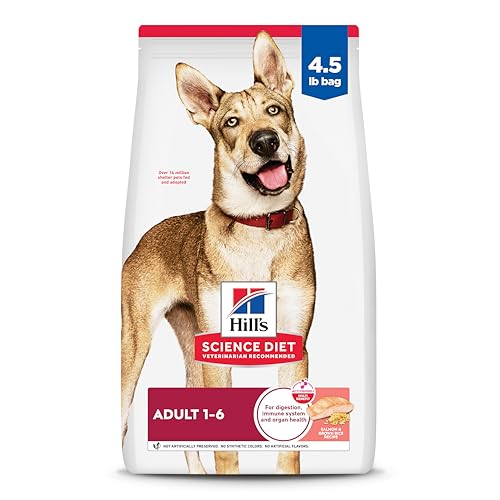
Hill’s Science Diet Adult 1-6 Dry Dog Food

Hill’s Science Diet Perfect Weight & Joint Support

Purina Pro Plan EN Gastroenteric Wet Dog Food 12-Pack

Blue Buffalo Life Protection Chicken Adult 5 lb

Hill’s Science Diet Sensitive Stomach & Skin Small Bites

Hill’s Science Diet Adult Small & Mini
What Each Pick Brings To The Table
Limited-ingredient diets exist for a reason: fewer components mean fewer things that can upset a reactive stomach. Zignature builds this recipe around lamb as the first ingredient, a lean red meat that brings protein without heavy fat loads. Households juggling chicken allergies often land here after months of trial and error.
The short formula also suits rotational feeding, where you swap proteins between bags to broaden nutrition. Owners of older or weight-prone dogs tend to appreciate the lean profile most.
Benefits That Matter
- Lamb leads the list, giving dogs a single clear primary protein instead of a blended mystery meat.
- Lamb is naturally low in fat yet rich in Vitamin B12, useful for senior dogs watching their waistline.
- The pared-down recipe makes elimination trials simpler when you’re hunting a trigger ingredient.
- Works as a rotation base alongside other protein sources without overhauling the whole pantry.
Things To Consider
- The 4-pound starter bag runs out quickly for large breeds, so budgeting matters before committing.
- Some picky dogs reportedly take a week or two to warm up to lamb’s distinct flavor.
Key Specs
Who It Suits Best
Dogs with suspected protein sensitivities, especially those reacting to chicken-heavy formulas, fit this bag best.
Where Another Pick Suits Better
Dogs needing active digestive therapy do better on the Purina Pro Plan EN Gastroenteric formula reviewed below.
Every household has that one dog who sniffs the bowl, sighs, and walks away. Air drying concentrates flavor without cooking nutrients out, and Pawstruck leans on real chicken plus salmon oil to make ordinary kibble interesting again. Unlike the full-formula bags elsewhere on this list, this is an add-on, not a replacement.
The 8-ounce pouch sprinkles over roughly weeks of meals for a mid-size dog, and the brand states production happens in USDA-inspected facilities in the USA. Fussy eaters of any age or breed are the obvious audience here.
Practical Advantages
- A small scoop transforms rejected kibble into a finished bowl, saving money versus switching foods entirely.
- Salmon oil brings omega fatty acids many owners associate with joint and skin comfort.
- The vet-reviewed backing gives cautious shoppers a reference point beyond marketing copy.
- No refrigeration needed, so the pouch lives conveniently next to the kibble bin.
Worth Noting
- An 8-ounce bag disappears fast in multi-dog homes; larger multipacks make more sense there.
- It supplements rather than replaces complete nutrition, so it can’t carry a diet alone.
Right Fit For
Owners of stubborn eaters who want a low-commitment fix before investing in a whole new food.
A Better Fit Elsewhere
Dogs needing a complete standalone diet should look at the Blue Buffalo Life Protection Formula instead.
Rachael Ray’s Nutrish line built its reputation on recognizable ingredients at grocery-shelf pricing, and this salmon recipe keeps that promise. Real salmon sits first on the label, a fish protein that tends to agree with dogs who struggle on chicken-based kibble. The formula carries a veterinarian-reviewed stamp, which counts for something in a crowded value segment.
Sized for adult dogs of every breed, from lap-sized companions to big backyard roamers, it aims at balanced daily feeding rather than any therapeutic goal. Multi-dog households stretching a budget will find the larger bags friendliest.
A Strong Showing
- Salmon as the lead ingredient offers an alternative protein at a mainstream price point.
- Complete and balanced labeling means it can serve as a dog’s sole food without supplementation.
- Four purchase sizes, up to 26 pounds, let you scale from trial to bulk smoothly.
- The vet-reviewed formulation adds credibility rarely seen at this tier.
Small Caveats
- Fish-based recipes can carry a noticeable odor some kitchens find stronger than chicken formulas.
- It targets healthy adults only, so puppies and seniors need life-stage-specific lines.
Quick Facts
Whose Shelf It Belongs On
Budget-minded owners of healthy adult dogs who still want a named first protein belong here.
Reach For A Different Pick When
Digestive upset is the issue, and the Hill’s Sensitive Stomach & Skin formula later in this list handles that job better.
Ask a clinic receptionist what food they see recommended most for healthy adults, and Hill’s Science Diet comes up constantly. This 1-to-6-year formula covers the prime years with quality protein for lean muscle, natural fiber for steady digestion, and omega-6 fatty acids for coat condition. Nothing exotic, just a complete nutritional baseline backed by decades of feeding research.
Compared with the Nutrish salmon bag earlier, this one trades novelty for consistency: same mission, deeper clinical pedigree. Seven bag sizes run from 4 to 33 pounds, so toy breeds and mastiff owners alike can buy appropriately.
Noteworthy Benefits
- High-quality protein supports lean muscle through the busiest years of a dog’s life.
- Natural fibers keep stools predictable, which apartment dwellers on leash schedules quietly appreciate.
- Omega-6 content shows up as shinier coats within weeks for many dogs, according to long-term owners.
- The widest size range on this list, from 4 to 33 pounds, fits nearly any household.
Trade Offs To Consider
- Kibble pieces run standard-sized, so very small breeds may prefer the Small & Mini variant.
- It solves no specific problem, making it a poor match for dogs with diagnosed sensitivities.
At A Glance
Best Suited To
Owners of healthy adult dogs in their prime who want a clinically grounded default food.
Skip It When
Your dog is under a year old; the Hill’s Small & Mini or a puppy-specific line fits growing bodies better.
Weight and joints feed each other: extra pounds strain hips, and sore hips cut exercise, which packs on more pounds. Hill’s built this chicken and brown rice recipe to break that loop, pairing a metabolism-focused formula with omega-3-rich fish oil supplying EPA, an omega-3 tied to joint comfort. The company reports over 70% of dogs lost weight within ten weeks on its Perfect Weight line, a figure worth raising with your own vet.
Think of it as a two-front plan in one bowl, unlike the single-purpose Zignature lamb formula at the top of this list.
Positive Points
- The dual formula addresses body weight and mobility together rather than treating them separately.
- Fish-oil EPA gives stiff, slower dogs nutritional support alongside whatever your vet prescribes.
- Antioxidants round out the recipe for everyday immune function.
- Three bag sizes, including a 25-pound option, suit long-term weight programs.
Points To Note
- Weight-management foods work best with measured portions; free-feeding undermines the design.
- Dogs at healthy weight gain nothing from the calorie discipline and may lose condition.
Who Will Love This
Owners of chunky middle-aged dogs, especially breeds prone to hip strain, get the clearest benefit.
Another Choice May Suit
Lean dogs with plain skin sensitivity will do better on the Sensitive Stomach & Skin recipe covered below.
This is the prescription-tier entry, and it behaves like one. Purina’s EN Gastroenteric formula was developed with veterinary nutritionists for dogs whose digestive systems need genuine therapeutic help, not just gentler kibble. High total digestibility means more of each calorie actually absorbs, while prebiotic fiber feeds the gut bacteria that keep the intestinal lining stable.
The wet format matters too: soft texture and strong aroma tempt dogs whose appetites collapse during flare-ups. Twelve 13.4-ounce cans cover roughly two weeks for a medium dog, though your vet should steer duration and portioning.
The Practical Payoff
- MCT oil from coconut or vegetable sources provides fats the body absorbs with less digestive effort.
- Prebiotic fiber nourishes beneficial gut bacteria, supporting steadier stools over time.
- Antioxidants back up overall cellular health during recovery periods.
- Wet cans suit dogs with dental issues or low appetite better than any dry bag on this list.
Honest Caveats
- This is a therapeutic diet, so veterinary guidance belongs in the decision before switching.
- Canned food costs more per serving than kibble, and twelve cans demand storage space.
Core Details
The Right Fit
Dogs under active veterinary care for gastrointestinal conditions are exactly who this formula serves.
Consider Something Else When
Your dog merely has occasional loose stools; the Hill’s Sensitive Stomach & Skin kibble handles mild cases without a prescription conversation.
Few dry foods carry the name recognition Blue Buffalo does, and the Life Protection Formula is the reason. Real chicken opens the ingredient list, brown rice rounds out the base, and the recipe skips poultry by-product meals entirely. Seven flavor variants, from fish to a chicken-free salmon option, give allergic households actual choices within one trusted line.
Against the Hill’s Adult 1-6 reviewed earlier, Blue Buffalo competes on ingredient transparency and variety, while Hill’s counters with clinical research depth. Both aim at the same healthy adult dog.
Notable Upsides
- Real chicken as the leading ingredient keeps the protein source named and specific.
- No poultry by-product meals, a detail ingredient-conscious shoppers consistently check first.
- Seven recipe variants, including chicken-free salmon, accommodate common protein allergies.
- The 5-pound bag works as an affordable trial before committing to bigger sacks.
Potential Drawbacks
- Formula changes over the years have drawn mixed owner reports about palatability shifts.
- Small-bite seekers must confirm kibble size matches their dog’s jaw before ordering.
Feature Snapshot
Built With In Mind
Ingredient-label readers feeding healthy adults, especially those wanting flavor variety, are the core audience.
Swap It Out When
Clinical backing outranks label aesthetics for you, and the Hill’s Science Diet Adult 1-6 becomes the smarter call.
Chronic itching and loose stools usually share a root cause, and this chicken and barley recipe attacks both at once. Prebiotic fiber fuels the gut bacteria that stabilize digestion, while the highly digestible base eases nutrient absorption for stomachs that protest ordinary kibble. The small-bite format also suits smaller mouths that struggle with standard pieces.
Where the Purina EN cans handle diagnosed GI disease, this one manages the milder, everyday version of the problem: the gassy beagle, the itchy terrier, the dog whose stools never quite firm up.
Useful Touches
- Triple-action design supports stomach, skin, and immune health in a single formula.
- Prebiotic fiber nurtures a balanced gut microbiome, which many owners link to firmer stools.
- Highly digestible ingredients reduce the workload on easily upset stomachs.
- Small kibble pieces suit little jaws and slow chewers alike.
The Fine Print
- Chicken remains the protein, so chicken-allergic dogs need the Zignature lamb formula instead.
- Skin results typically take several weeks of consistent feeding before showing.
Perfect Match For
Adult dogs with recurring mild tummy trouble or dull, itchy coats, particularly smaller breeds, match this bag well.
Not Your Match When
A confirmed protein allergy is on file, and the Zignature Lamb Limited Ingredient Formula becomes the safer route.
Little dogs burn fuel differently. A ten-pound terrier has the metabolism of a sports car, and generic adult kibble rarely calibrates for that. This Small & Mini recipe pairs high-quality protein for lean muscle with a deliberate balance of fats and carbohydrates sized to small-breed energy needs, all in pieces a Chihuahua can actually manage.
Easy-to-digest ingredients, pumpkin among them, support the stool quality small dogs are notorious for struggling with. Compared with the standard Adult 1-6 formula, everything here shrinks proportionally: kibble size, portion math, and bag sizes down to 4.5 pounds.
Key Advantages
- Protein, fat, and carb ratios tuned to small-breed metabolisms rather than averaged across all dogs.
- Pumpkin and gentle ingredients help maintain the firm stools tiny breeds often lack.
- Two flavor options, chicken and lamb with brown rice, add variety for fussy little eaters.
- Smaller bags stay fresher between servings since tiny dogs empty a 30-pound sack slowly.
What To Weigh
- Large-breed owners gain nothing here; the piece size alone rules it out.
- Per-pound cost runs higher than big-bag economy formulas, a fair trade for freshness.
Product At A Glance
Who Should Grab It
Apartment and condo dwellers with adult dogs under roughly 25 pounds are the natural audience.
Where A Sibling Pick Shines
Mid-size and large dogs should stick with the Hill’s Science Diet Adult 1-6, which shares this formula’s philosophy at standard kibble scale.
What Matters Most Before Choosing Vet-Backed Dog Food
Start With The Actual Problem
A food earns a veterinary recommendation because it solves something specific: digestion, weight, skin, or life-stage demands. Naming your dog’s issue first narrows nine candidates to two or three instantly. A healthy four-year-old lab needs none of the therapeutic machinery in the Purina EN cans, while a gassy French bulldog may need exactly that conversation with a clinic.
Read The First Five Ingredients
Labels list components by weight, so the opening entries tell you what the bag really is. Named proteins such as lamb, salmon, or chicken signal a defined recipe; vague meals suggest otherwise. Dogs with suspected allergies benefit most from short lists like Zignature’s, where tracking a reaction becomes realistic.
Match Format To Household Reality
Wet cans suit low-appetite or dental-compromised dogs but cost more per serving and demand storage. Dry kibble stores easily and cleans teeth through chewing, and toppers bridge the gap for fussy eaters without a full switch. Honest budgeting here prevents the half-used-bag graveyard in your pantry.
Loop In Your Veterinarian
Therapeutic diets, weight-loss plans, and allergy trials all go better with professional oversight. Vets can flag interactions with medications, set target weights, and time transitions properly. Most formula switches take seven to ten days of gradual blending anyway, so patience beats abrupt change every time.
Key Considerations Across These Picks
Where Shoppers Go Wrong
Switching foods overnight tops the list, and it explains most “this food made my dog sick” complaints that are really transition complaints. The second trap is buying 30-pound bags of an unproven recipe; start small, watch two weeks of stools and coat, then scale up. Skipping the life-stage check is third, since adult formulas starve puppies of growth nutrients.
The Case For Spending Up
Premium formulas buy research, not marketing. Hill’s and Purina employ veterinary nutritionists and run feeding trials, which shows up in digestibility and consistency batch to batch. Therapeutic diets like the EN Gastroenteric cans cost more per calorie because engineering a gut-friendly fat source takes actual science. For healthy dogs, mid-tier often suffices; for dogs with a diagnosis, the upgrade pays for itself in fewer clinic visits.
Frequently Asked Questions
How long should a food transition take?
Blend increasing amounts of the new food into the old over seven to ten days. Slower transitions give gut bacteria time to adjust and cut diarrhea risk dramatically.
Are grain-free formulas automatically healthier?
No, grains suit most dogs fine, and some grain-free recipes have drawn scrutiny in cardiology circles. Choose based on your dog’s specific tolerance, not the trend.
Can a topper replace a complete dog food?
Toppers like the Pawstruck pouch supplement flavor and micronutrients but aren’t formulated as sole nutrition. Treat them as a garnish over a complete base.
When is a therapeutic diet actually necessary?
Persistent vomiting, chronic diarrhea, or a vet-diagnosed condition warrants formulas like Purina EN. Mild occasional upset usually responds to sensitive-stomach kibble first.
How do I know a food is working?
Watch stool quality, coat shine, energy levels, and body weight over three to four weeks. Steady improvement across those markers is the practical evidence.
Closing Thoughts
Nine formulas, nine different jobs, and the right answer depends entirely on the dog staring at your pantry. Healthy adults thrive on the Hill’s or Blue Buffalo staples, sensitive dogs find relief in Zignature or the Sensitive Stomach recipe, and diagnosed conditions deserve the Purina EN conversation with your vet. Start with a small bag, transition slowly, and give any new food a fair month before judging it. Your dog’s stool chart will thank you.
