

Chocolate Labs eat like athletes and gain weight like couch potatoes, which makes food choice one of the biggest levers you have on their health. This roundup covers nine options that fit different stages of a Lab’s life, from donut-shaped puppy kibble to senior formulas with joint support. Whether you’re feeding a growing pup or trimming down an adult who raids the treat jar, there’s a match here.
The Shortlist At A Glance

Nutrish Salmon Dry Dog Food 26 lb Bag

Royal Canin Labrador Retriever Puppy Dry Dog Food 30 lb

Royal Canin Large Adult Dry Dog Food 30 lb Bag

Fromm Large Breed Adult Gold Chicken Recipe 30 lb

IAMS Proactive Health Minichunks Beef & Rice 30 lb
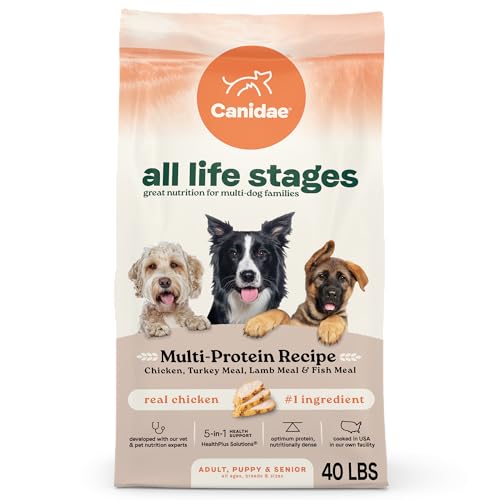
Canidae All Life Stages Multi-Protein 40 lb

Royal Canin Labrador Retriever Adult Wet Dog Food 13.5 oz

Royal Canin Labrador Retriever 5+ Adult Dry Dog Food 28 lb
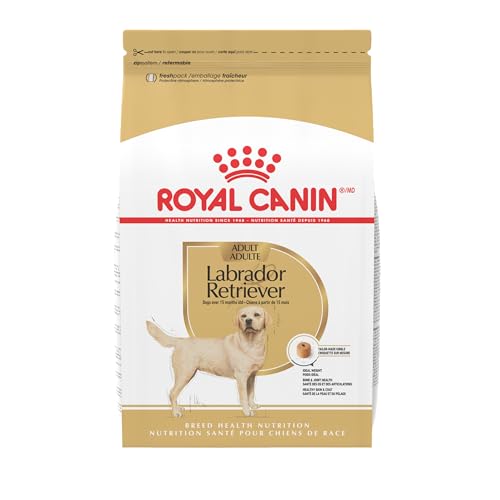
Royal Canin Labrador Retriever Adult Dry Dog Food 30 lb
More Details On Our Top Picks
Salmon leads the ingredient list here, which matters because Labs prone to itchy skin often do better on fish-based protein than chicken-heavy formulas. The recipe is built as a complete meal for small, medium, and large breed adults, so a chocolate Lab fits comfortably in its intended range.
The formula has been reviewed by veterinarians and backed by a nutrition team, a layer of oversight you don’t always see at this tier. In most households, the 26-pound bag stretches roughly a month for a single large dog, which keeps refills infrequent.
Strong Points
- Real salmon as the first ingredient supports coat condition in fish-responsive dogs
- Veterinarian-reviewed recipe adds confidence without a premium price tag
- Formulated for all adult breed sizes, so no guessing about fit
- Large 26-pound format means fewer trips to restock
Things To Consider
- Fish recipes can carry a stronger odor than chicken formulas; some owners report the bag smells noticeable in pantries
- No breed-specific kibble shaping, unlike the Royal Canin options later on this list
Who It Suits Best
Cost-conscious owners of adult Labs who want a straightforward salmon-first diet without boutique pricing.
A Better Fit Elsewhere
Fast-gobbling puppies do better with the Royal Canin Labrador Retriever Puppy formula and its slow-down kibble design.
Anyone who has watched a Lab puppy inhale dinner in eleven seconds knows the problem this food attacks first. The kibble is shaped like a little donut, which forces chewing instead of gulping and slows the whole meal down. That single design choice can ease digestion and reduce the post-dinner hiccups and gurgling many young Labs deal with.
Beyond the shape, the formula targets growth itself: calcium and phosphorus ratios support developing bones and joints, while antioxidants and vitamin E back up an immune system still under construction. Prebiotics and high-quality proteins round out stool quality, which puppy owners will appreciate during house training.
Highlights
- Donut-shaped kibble physically slows fast eaters at every meal
- Calcium and phosphorus levels aimed at large-breed bone development
- Antioxidants plus vitamin E support the immature immune system
- Prebiotics promote firmer, more consistent stools
- Tailored specifically to purebred Labs from 8 weeks to 15 months
Worth Noting
- Breed-specific formulas cost more per pound than general large-breed bags
- Only useful until about 15 months, so plan the transition to adult food ahead of time
Quick Facts
Made For
Owners of purebred chocolate Lab puppies who want growth-stage nutrition matched to the breed’s eating habits.
Where A Sibling Pick Shines
Once your pup passes 15 months, the Royal Canin Labrador Retriever Adult dry formula takes over the same job for grown dogs.
This is the option for chocolate Labs who aren’t purebred paper-trail dogs, or households where the Lab shares a bowl rack with another big dog. It’s built for adults weighing 56 to 100 pounds, which covers nearly every chocolate Lab out there. The mineral blend addresses the heavier load a large frame places on bones and joints over time.
Digestibility gets real attention too: easy-to-process proteins paired with fibers and prebiotics aim for consistent stool quality. Compared to the breed-specific Royal Canin Lab formulas, you give up the donut kibble and tailored calorie profile but gain flexibility across mixed-breed homes.
Upsides
- Mineral combination supports joints carrying a large dog’s weight
- Highly digestible proteins suit sensitive stomachs
- Fibers and prebiotics keep stool quality steady
- Works for any large breed, not just Labs
Minor Gripes
- No slow-eating kibble geometry, so gulpers may still inhale meals
- Calorie content isn’t tuned to the Lab tendency toward weight gain
Right Fit For
Mixed-breed or unpapered large dogs between 56 and 100 pounds living alongside or instead of a purebred Lab.
Consider Something Else When
A confirmed purebred adult Lab gets more targeted value from the Royal Canin Labrador Retriever Adult 30 lb formula.
Fromm sits in a different tier than most bags on this list, and the company’s history explains part of why. The Wisconsin firm has been family-owned and operated since 1904, now in its fifth generation, with a long-running focus on animal nutrition. That kind of continuity tends to show up in consistent manufacturing and tight quality control.
The Gold line’s chicken recipe targets breeds whose adult weight exceeds 50 pounds, which includes every chocolate Lab. It meets AAFCO nutrient profiles for both growth and maintenance, giving it unusual range. Owners commonly report good palatability, though the honest read is that premium pricing puts it out of reach for some budgets.
Bright Spots
- Fifth-generation family operation with over a century of pet food history
- Meets AAFCO profiles for growth and maintenance alike
- Chicken recipe suits Labs without fish-specific sensitivities
- Sized for any breed topping 50 pounds as an adult
Softer Spots
- Per-pound cost runs above mainstream brands like Nutrish or IAMS
- Chicken base won’t suit dogs that do better on novel proteins
Feature Snapshot
Who Will Love This
Owners who prioritize heritage manufacturing and are comfortable paying more per pound for it.
Swap It Out When
Budget-focused feeders get strong everyday value from the IAMS Proactive Health Minichunks instead.
Not every Lab needs a breed-specific formula, and this beef-and-rice recipe proves the point. The minichunk format uses smaller kibble pieces than typical large-breed bags, which suits dogs that struggle with oversized pieces or simply prefer a different mouthfeel. Real beef leads the ingredient list, and the recipe contains no fillers or artificial flavors, with ingredients meeting natural definitions under AAFCO standards.
In busy multi-pet kitchens, this is the kind of bag that disappears steadily without straining the budget. You may find the smaller chunks vanish even faster than usual with a motivated Lab, so portion control stays on you rather than on the kibble size.
Plus Points
- Real beef as the leading ingredient appeals to meat-driven appetites
- No fillers or artificial flavors in the recipe
- Smaller minichunks suit dogs that dislike large kibble
- Ingredients meet AAFCO natural definitions
Points To Note
- Small kibble offers no slowing effect for gulpers; a slow-feeder bowl helps here
- Beef-and-rice base lacks the joint-focused nutrient packages of the Royal Canin Lab lines
Whose Shelf It Belongs On
Value-minded owners of adult Labs with average activity levels and no specific joint concerns yet.
Reach For A Different Pick When
Dogs entering their senior years benefit more from the Royal Canin Labrador Retriever 5+ formula’s aging support.
Households running two or three dogs know the storage headache of keeping separate bags for each life stage. Canidae solves that with a single multi-protein recipe, blending chicken, turkey, lamb, and fish, formulated for every age, breed, and size. Your chocolate Lab eats the same bag as the beagle and the new puppy, which simplifies shopping and cuts pantry clutter.
The recipe was developed with input from vets and pet nutrition experts, and the 40-pound format suits larger dogs well. One honest trade-off: a generalist formula can’t match the breed-specific precision of the Royal Canin Lab lines, so a Lab with particular weight or joint needs loses some tailoring here.
Reasons To Buy
- Four protein sources in one recipe broaden amino acid coverage
- Feeds puppies through seniors from a single bag
- Vet and nutritionist involvement in formulation
- 40-pound bulk size reduces reorder frequency
Small Caveats
- Multi-protein blends can complicate elimination diets when allergies surface
- Less tailored to Lab-specific weight management than dedicated breed formulas
At A Glance
Built With In Mind
Multi-dog homes wanting one reliable bag that safely feeds a chocolate Lab alongside pets of other ages and sizes.
Not Your Match When
Single-dog owners wanting breed precision should look at the Royal Canin Labrador Retriever Adult dry food instead.
Wet food earns its place in a Lab household as a topper, a hydration boost, or a full meal for dogs that turn up their noses at plain kibble. This loaf-in-sauce paté is formulated for purebred Labs aged 15 months and up, matching the brand’s dry counterpart in intent. The texture alone converts plenty of fussy eaters.
Nutritionally it mirrors the dry formula’s priorities: controlled energy density for weight management, EPA and DHA omega-3s plus glucosamine for joints, and a complete-and-balanced label meaning it can stand alone or mix with the dry kibble. Cans add cost per calorie compared to bags, so most owners use them strategically rather than exclusively.
What We Like
- Loaf-in-sauce texture tempts reluctant eaters quickly
- EPA, DHA, and glucosamine support heavy Lab frames
- Calorie-controlled for a breed prone to weight creep
- Mixes cleanly with the matching dry kibble
Honest Caveats
- Feeding wet food exclusively costs considerably more than dry
- Opened cans need refrigeration and use within a couple of days
The Right Fit
Owners of adult purebred Labs using wet food as a topper or for selective eaters within a mostly dry diet.
Another Choice May Suit
Dogs doing fine on kibble alone get better value from the Royal Canin Labrador Retriever Adult 30 lb dry bag.
Labs age faster than they let on, and by year five most chocolate Labs show the first hints of stiffer mornings. This maturing-to-senior formula answers that shift directly. An exclusive antioxidant blend targets cellular health, while moderated phosphorus levels take kidney workload into account for older dogs.
Weight and muscle get equal billing: adapted calories counter the slowdown in activity that comes with age, and tailored protein with L-carnitine helps preserve lean mass. Collagen, EPA, and DHA support cartilage in those hard-working joints. The kibble softens with warm water too, a genuine help for dogs with dental wear.
Standout Traits
- Antioxidant complex supports healthy aging at the cellular level
- Collagen plus EPA and DHA nourish aging cartilage
- L-carnitine and adjusted protein help retain muscle
- Adapted calories guard against senior weight gain
- Kibble softens in warm water for easier chewing
Areas To Watch
- Unnecessary expense for Labs still under five years old
- Transitioning from the standard adult formula requires a gradual switch over a week or so
Details At A Glance
Who Should Grab It
Owners of purebred chocolate Labs crossing the five-year mark who want proactive joint and kidney support.
Look Elsewhere When
Younger adult Labs between 15 months and five years belong on the standard Royal Canin Labrador Retriever Adult formula.
This is the anchor product of the whole category: the breed-specific adult formula everything else gets measured against. Like its puppy sibling earlier in this list, it uses donut-shaped kibble engineered to make a gulping Lab actually chew. Calories and fat sit at precise levels calibrated for a breed that gains weight by looking at food.
Joint support comes through EPA and DHA omega-3 fatty acids alongside glucosamine, addressing the wear a big, active body accumulates. For a healthy adult chocolate Lab between 15 months and five years, this covers the essentials with fewer compromises than a generic large-breed bag.
Positives
- Donut kibble slows the breed’s notorious speed-eating habit
- Calibrated calories and fat help hold a healthy weight
- EPA, DHA, and glucosamine back long-term joint comfort
- Formula designed around purebred Lab physiology specifically
Trade Offs
- Breed-specific pricing costs more per pound than general brands like IAMS
- Some owners report picky dogs tiring of a single flavor long-term
Core Details
Best Suited To
Owners of healthy purebred adult chocolate Labs wanting breed-calibrated nutrition as their daily staple.
Skip It When
Labs past age five should move up to the Royal Canin Labrador Retriever 5+ formula for aging-specific support.
What Matters Most Before Choosing Dog Foods For Chocolate Lab
Life Stage Comes First
A puppy’s needs differ sharply from a senior’s, and feeding the wrong stage causes real problems. Large-breed puppies require controlled calcium to grow bones at a safe pace, while dogs past five benefit from joint and kidney support. Match the bag to your dog’s current age bracket before comparing anything else.
Weight Management Is Non-Negotiable
Chocolate Labs gain weight easily and carry extra pounds badly on their joints. Look for calorie-conscious formulations and measure portions with an actual cup rather than eyeballing. A visible waistline from above tells you more than any feeding chart.
Protein Source And Sensitivities
Fish-based recipes like the Nutrish salmon formula often suit dogs with itchy skin, while chicken and beef work fine for most others. Watch stool quality and coat shine after any switch; those two signals reveal fit faster than anything printed on the bag.
Kibble Size And Eating Speed
Fast eaters risk bloat and poor digestion. Donut-shaped or smaller kibble, or a slow-feeder bowl, turns a ten-second meal into a proper one.
Key Considerations Across These Picks
Traps First Timers Fall Into
Switching foods overnight tops the list. Transition gradually over seven to ten days, mixing increasing amounts of the new bag into the old, or expect digestive upset. Another common slip: buying by price per bag instead of price per serving, since calorie density varies widely between formulas.
The Case For Spending Up
Premium formulas buy precision: breed-specific calorie counts, joint nutrient packages, and tighter quality control. For a young, healthy Lab on a budget, mid-tier options serve well. The upgrade pays off most at life-stage transitions, puppyhood and senior years, when targeted nutrition does measurable work.
Frequently Asked Questions
How much should a chocolate Lab eat daily?
Most adult Labs need roughly 3 to 4 cups of dry food split across two meals, though exact amounts depend on the formula’s calorie density. Follow the bag’s feeding chart and adjust based on body condition.
Is grain-free food better for Labs?
Not inherently, and veterinary consensus favors grain-inclusive diets unless a diagnosed allergy exists. Grains provide digestible energy and fiber for most dogs.
When should I switch my Lab from puppy to adult food?
Large breeds typically transition around 12 to 15 months once growth plates near closure. The Royal Canin puppy formula covers up to 15 months specifically.
Do Labs really need joint supplements in their food?
Glucosamine, EPA, and DHA in food offer baseline support for a breed prone to hip and elbow stress. Dogs showing stiffness deserve a vet conversation beyond diet alone.
Can I mix wet and dry food together?
Yes, and many owners do exactly that for palatability and hydration. Keep total calories within your dog’s daily target when combining formats.
Closing Thoughts
The right answer depends less on the brand name than on where your dog stands in life. A growing puppy thrives on the Royal Canin puppy formula, a healthy adult does well on either the breed-specific dry food or a value option like IAMS, and a Lab past five deserves the 5+ formula’s aging support. Start with life stage, watch the waistline, and transition slowly. Your dog’s coat and energy will tell you whether the choice landed.
