

Mini Aussies burn energy like dogs three times their size, and their small stomachs leave little room for filler. Feed one a generic kibble and you’ll often see it in dull coats, inconsistent stools, or a dog that begs an hour after dinner. This shortlist covers dry and wet options built for small frames and fast metabolisms, from budget-friendly bags to sensitive-stomach formulas, so you can match food to your dog’s actual routine.
The Shortlist At A Glance
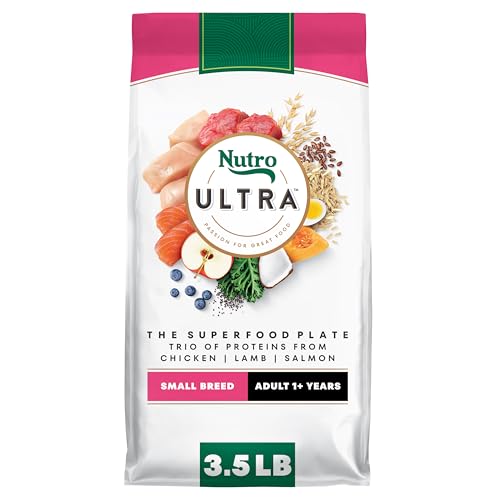
Nutro Ultra Small Breed Dry Dog Food 3.5 lb

Cesar Mini-Pouch Wet Dog Food Filet Mignon 20 Count
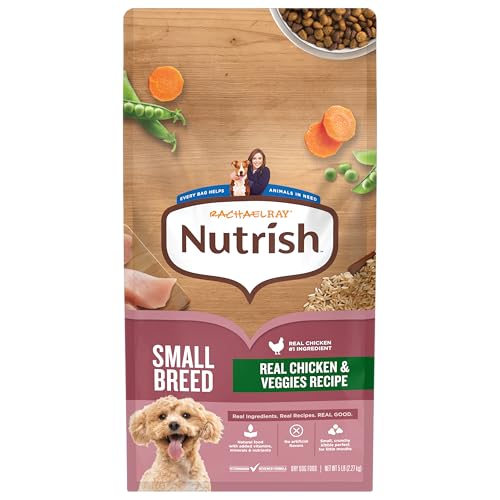
Nutrish Small Breed Dry Dog Food with Chicken 5 lb

Optimeal Wet Dog Food Small Breed Variety Pack 3oz (12 Pack)

Wellness CORE Small Breed Mini Meals Variety Pack 3 oz

Royal Canin Small Adult Dry Dog Food 4 lb

Kibbles ‘n Bits Mini Bits Small Breed Dry Dog Food 3.5 lb

Hill’s Science Diet Adult 1-6 Small & Mini Dry Dog Food

Hill’s Science Diet Sensitive Stomach & Skin Small & Mini
More Details On Our Top Picks
Most small-breed kibbles lean on a single protein, but this Nutro recipe stacks chicken, lamb, and salmon together, with real chicken listed first. That trio matters for a Mini Aussie because herding breeds tend to carry lean muscle that needs steady protein to maintain.
The formula also skips chicken by-product meal, corn, wheat, and soy, which keeps the ingredient list cleaner than many grocery-shelf options. Owners of active small dogs commonly report shinier coats within a few weeks, likely tied to the omega fatty acids from the salmon component.
Strong Points
- Three animal proteins support lean muscle in high-energy dogs
- Omega 3 and 6 fatty acids help coat shine through shedding season
- No corn, wheat, soy, or by-product meal in the recipe
- Non-GMO ingredients appeal to label-conscious owners
- A 14-superfood blend adds variety beyond standard kibble fare
Things To Consider
- The 3.5 lb bag runs out quickly for multi-dog homes; larger sizes cost more upfront
- Triple-protein recipes can be rich for dogs new to the brand, so transition gradually
Key Specs
Who It Suits Best
Owners of energetic adult Mini Aussies who want premium ingredients without switching to raw or fresh-frozen feeding.
Where Another Pick Suits Better
Dogs with confirmed grain sensitivities may do better on the Wellness CORE Mini Meals below, which are fully grain-free.
Where the Nutro bag covers daily kibble duty, these 1.76 oz pouches solve a different problem: the dog who sniffs at dry food and walks away. Each tray holds a single portion of soft filets in gravy made with real beef, sized so nothing sits half-eaten in the bowl.
In practice, most owners use them two ways, either as a complete meal for smaller appetites or as a topper stirred into kibble to restart interest. There’s no added sugar or artificial flavors, and the peel-and-serve seal means no can opener and no leftovers to refrigerate.
What We Like
- Single-serve portions eliminate waste and measuring guesswork
- Real beef leads a protein-forward recipe
- Works as a standalone meal or a kibble topper
Trade Offs
- Gravy-based trays can leave residue on bowls and beards, so expect a quick rinse after meals
- Feeding wet food exclusively costs more per calorie than any dry option here
- One flavor per pack limits rotation unless you buy multiple varieties
Made For
Picky eaters, seniors with dental sensitivity, and owners who want zero-mess portioning at breakfast or dinner.
Consider Something Else When
You’re feeding a highly active Mini Aussie whose main calories should come from kibble; pair these with the Hill’s Science Diet Adult 1-6 instead of replacing it.
This is the straightforward choice on the list: real chicken first, small crunchy pieces, and a short claims sheet without marketing noise. The formula is veterinarian reviewed and carries added vitamins and minerals for complete adult nutrition, which puts it a step above flavor-only budget bags.
The kibble size is the practical win here. Mini Aussies have compact jaws, and these bits are shaped for little mouths, so mealtime doesn’t turn into swallowing whole pieces. A 5 lb bag also lasts a single small dog roughly a month at typical portions, depending on activity level.
Highlights
- Small, crunchy kibble suits tiny jaws and slows gulping
- Real chicken as the leading ingredient at a mid-tier price point
- Veterinarian-reviewed recipe with added vitamins and minerals
- No artificial flavors, and purchases support animals in need through the brand’s foundation
Minor Gripes
- Single-protein recipe offers less variety than the Nutro Ultra trio above
- Contains grains, which some sensitive dogs handle better without
Right Fit For
First-time small-dog owners who want a dependable, affordable daily kibble without decoding a long ingredient panel.
Not Your Match When
Your dog needs targeted digestive support; the Hill’s Sensitive Stomach & Skin formula later in this list is purpose-built for that job.
Compared to the Cesar pouches, this Optimeal pack goes further on digestive engineering. The tender morsels sit in aspic, a savory gel that holds moisture, and the recipe adds prebiotic FOS, a fiber that feeds beneficial gut bacteria. That combination targets the soft-stool issues small breeds are prone to.
It’s grain-free and built around highly digestible animal protein, with calcium and phosphorus balanced for bone support. For a Mini Aussie recovering from a bout of upset stomach, or one with a consistently touchy gut, this is the wet option worth reaching for first.
Upsides
- Prebiotic FOS supports gentler digestion and firmer stools
- Omega-3 and omega-6 content backs skin and coat condition
- Complete and balanced for daily feeding, not just a topper
- Calcium and phosphorus levels support strong bones and muscles
Points To Note
- Aspic texture isn’t every dog’s preference; some prefer chunky gravy styles
- Twelve 3 oz pouches go fast in two-meal-a-day households
- Grain-free formulas cost more per serving than grain-inclusive kibble
Quick Facts
Best Suited To
Owners managing a small breed with recurring loose stools or a sensitive stomach who want a complete wet diet.
Look Elsewhere When
Taste variety is the priority; the Wellness CORE variety pack offers two chunky flavors in one box.
This pack answers the monotony complaint directly: two flavors, chunky chicken with liver and chunky chicken with tuna, both served as cube-shaped protein pieces in light gravy. Real protein leads each recipe, and vegetables round out a complete, grain-free meal for adult small dogs.
The antioxidant load is the quiet differentiator. Antioxidants support immune function, which matters for a breed that spends weekends hiking and playing hard. In our view, this is the strongest all-purpose wet pick here for an active adult, sitting between the Cesar pouches’ simplicity and Optimeal’s digestive focus.
Bright Spots
- Two flavors in one pack reduce mealtime boredom
- Chunky cube texture gives small dogs something to chew
- Antioxidants support immune health in high-activity dogs
Honest Caveats
- Light gravy is thinner than some competitors’, so bowls need a rinse after eating
Who Will Love This
Active Mini Aussie owners rotating wet meals a few times weekly who want variety without buying multiple products.
A Better Fit Elsewhere
Dogs needing strict digestive support will get more from the Optimeal pack’s prebiotic formula.
Royal Canin builds this formula around a narrow target: small dogs 10 months to 8 years old weighing 9 to 22 pounds. That precision shows in the details, from easy-to-digest proteins to a calibrated calcium and phosphorus blend aimed at bone strength. A fit Mini Aussie typically lands right inside that weight window.
Weight control is the headline benefit. The recipe matches energy density to a small dog’s metabolism, which helps prevent the slow creep of extra pounds that plagues less active adults. The kibble also pairs cleanly with Royal Canin’s wet lines for mixed feeding, adding hydration and palatability.
Reasons To Buy
- Energy profile matched to small-dog metabolism helps maintain ideal weight
- Prebiotics and precise fiber levels support a healthy microbiome
- Calcium-phosphorus balance targets bone maintenance
- Kibble designed for small jaws and fussy eaters
- Clear age pathway to the Small 8+ formula as your dog matures
Softer Spots
- Per-pound cost sits above every other dry option in this roundup
- The 4 lb bag means more frequent reordering for regular feeders
At A Glance
Perfect Match For
Owners of a settled adult Mini Aussie whose main concern is keeping weight steady without cutting portions drastically.
Skip It When
Budget drives the decision; the Rachael Ray Nutrish delivers solid small-breed nutrition at a friendlier price.
Not every dog needs a boutique formula, and this bag exists for the household where taste and price lead the conversation. Bacon and steak flavoring drives acceptance, and the mix of crunchy and tender bits gives picky eaters two textures in one bowl, something none of the premium picks here offer.
Nutritionally it’s complete and balanced for adult small dogs, though the ingredient approach is conventional rather than premium. The honest read is that this is a fallback option: fine for healthy dogs with no sensitivities, less compelling for anyone chasing coat quality or digestive finesse.
Plus Points
- Dual crunchy-tender texture appeals to selective eaters
- Complete and balanced for adult small breeds
- One of the lowest-cost entries per pound on this list
Areas To Watch
- Flavor-led formulation lacks the omega and prebiotic support of higher-tier picks
- Artificial flavoring won’t suit owners prioritizing natural ingredient lists
- Open bags can lose the tender bits’ softness; seal tightly between meals
Who Should Grab It
Multi-dog households or anyone feeding a healthy, non-sensitive small dog on a tight monthly pet budget.
Another Choice May Suit
Dogs showing itching or dull coats will likely respond better to the Nutro Ultra’s omega-rich recipe.
Hill’s has fed small dogs for decades, and this adult formula reflects that institutional patience rather than trend-chasing. High-quality protein supports lean muscle, while a deliberate balance of protein, fats, and carbohydrates sustains the energy a busy Mini Aussie burns on walks and play sessions.
Digestibility is where it earns its reputation. Easy-to-digest ingredients, pumpkin among them, support stool quality, which owners of small breeds tend to care about more than most. Two flavor routes, chicken and brown rice or lamb and brown rice, give you a fallback if one variety loses favor.
Standout Traits
- High-quality protein maintains lean muscle in active adults
- Balanced macros sustain energy through long activity days
- Pumpkin-supported digestibility promotes consistent stools
- Two flavor options simplify switching without brand changes
Small Caveats
- Contains grains, so it’s not the match for grain-free households
- Bag sizes sell out periodically, so stock planning helps
Spec Overview
The Right Fit
Owners wanting a science-backed staple kibble for a healthy adult Mini Aussie between one and six years old.
Reach For A Different Pick When
Your dog already shows stomach sensitivity; the Sensitive Stomach & Skin version below handles that case specifically.
Think of this as the standard Hill’s adult formula rebuilt for problem cases. Prebiotic fiber fuels gut bacteria for better nutrient absorption, vitamin E alongside omega-3 and omega-6 fatty acids targets skin and coat, and clinically proven antioxidants back immune function. Three systems, one bowl.
For Mini Aussies prone to occasional digestive upsets or seasonal scratching, this is usually the first formula veterinarians point toward before prescription diets enter the picture. Owners commonly report firmer stools and reduced scratching over several weeks, though results vary dog to dog.
Positives
- Prebiotic fiber supports gentle digestion and nutrient uptake
- Vitamin E plus omega fatty acids improve coat luster
- Antioxidant blend backs immune system health
- Highly digestible recipe suits frequent upset-stomach cases
- Available in 4 lb and 15 lb bags for different household sizes
Worth Noting
- Transitions from other foods should run seven to ten days to avoid temporary looseness
- Costs more per pound than general adult formulas since it’s a specialty recipe
Details At A Glance
Whose Shelf It Belongs On
Owners of a Mini Aussie with recurring soft stools, itching, or a dull coat who want one food addressing all three.
Swap It Out When
Your dog digests everything happily; the standard Hill’s Adult 1-6 delivers similar core nutrition at a lower tier.
Choosing Between These Formulas
Match The Food To The Activity Level
A Mini Aussie working agility or hiking weekends burns far more calories than a couch companion of the same weight. Active dogs do better on protein-forward recipes like the Nutro Ultra, while calmer adults often thrive on weight-conscious formulas such as the Royal Canin. Overfeeding an inactive dog on a high-energy recipe is the fastest route to unwanted pounds.
Read The First Five Ingredients
The top of the ingredient list tells you where most of the nutrition comes from. Named animal proteins in the first two positions signal a meat-driven recipe, while long strings of grains and fillers suggest the opposite. Small breeds gain little from bulk fillers because their daily calorie budget is simply too small to waste.
Factor In Life Stage And Sensitivities
Puppies, adults, and seniors need different nutrient ratios, and mixing them up causes real problems over time. Skin trouble and loose stools frequently travel together in small breeds, which is why combined formulas like Hill’s Sensitive Stomach & Skin exist. Any diet change deserves a gradual transition across a week or more.
Decide Where Wet Food Fits
Wet pouches add hydration and palatability but cost more per calorie than kibble. Most small-dog households land on a mixed routine: dry food as the base, wet food as a topper or occasional full meal. That balance keeps costs sane while giving a picky eater something to look forward to.
Key Considerations Across These Picks
Traps First Timers Fall Into
Switching foods overnight is the classic error, and it almost always produces digestive chaos that gets blamed on the new food. Portion creep is the second trap; small-breed feeding guides look tiny next to large-dog charts, but they’re correct. Free-feeding a food-motivated herding breed rarely ends well either.
The Case For Spending Up
Premium formulas charge more for named proteins, omega fatty acids, and digestive support rather than packaging. You’ll notice the difference in coat shine, stool consistency, and how long a bag lasts per serving. For a healthy dog with no complaints, mid-tier is honest value; for a sensitive dog, the upgrade usually pays for itself in fewer vet conversations.
Frequently Asked Questions
How much should a Mini Australian Shepherd eat daily?
Portions depend on weight, age, and activity, so start with the feeding chart on your chosen bag. Split the daily amount into two meals to support steady energy and digestion.
Is grain-free necessary for Mini Aussies?
No, most Mini Aussies digest grains without issue. Grain-free matters mainly for dogs with a diagnosed sensitivity or a vet’s recommendation.
Can I mix wet and dry dog food?
Yes, and many small-breed owners do exactly that for hydration and palatability. Just reduce the kibble portion slightly so total daily calories stay on target.
How long does a food transition take?
Plan on seven to ten days, increasing the new food’s share gradually each day. A slower switch minimizes stomach upset and refusal.
When should I consider a sensitive stomach formula?
Recurring loose stools, frequent gas, or excessive scratching after meals are the usual signals. Confirm persistent symptoms with your veterinarian before committing long term.
Closing Remarks
The right food for your Mini Aussie comes down to matching the formula to the dog in front of you, not the fanciest label on the shelf. Start with activity level and any known sensitivities, transition slowly, and give any new food a fair few weeks before judging results. Your dog’s coat, energy, and enthusiasm at dinnertime will tell you whether you got it right.
