

A cat that scratches through the night, leaves dander on the sofa, and turns mealtime into a gamble needs more than a new shampoo. Food is often the trigger, and switching to a formula built for sensitive skin can calm the cycle from the inside. This shortlist covers hydrolyzed veterinary diets, omega-rich everyday kibbles, and one herbal supplement for cats whose flare-ups come and go with the seasons. Match the option to your cat’s actual symptoms, and give any new food several weeks before judging the results.
The Shortlist At A Glance

Hill’s z/d Skin/Food Sensitivities Dry Cat Food

Whole Paws Grain-Free Chicken & Pea Dry Cat Food 3.5 lb
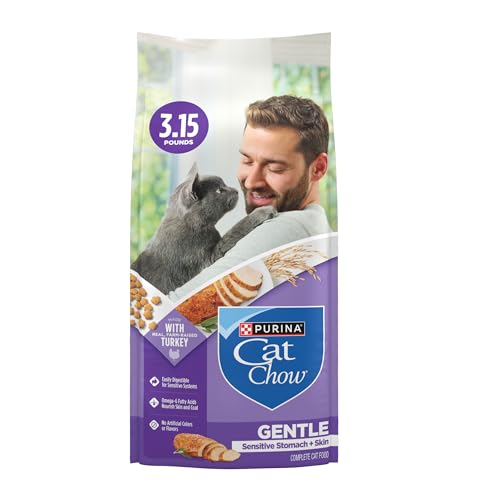
Purina Cat Chow Gentle Sensitive Stomach + Skin 3.15 lb

Royal Canin Hair & Skin Care Adult Dry Cat Food 6 lb
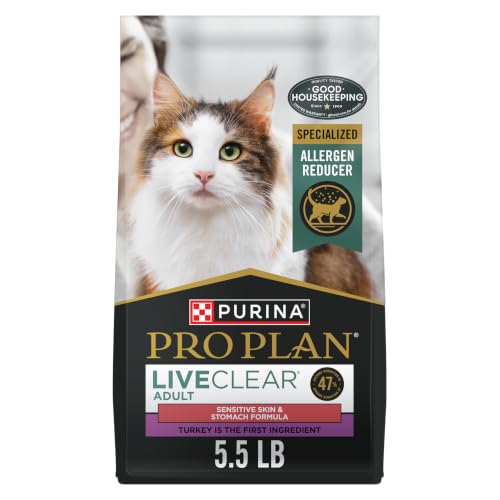
Purina Pro Plan LiveClear Sensitive Skin & Stomach 5.5 lb

Purina ONE Plus High Protein Salmon Dry Cat Food 3.5 lb

EDUZEBRA Allergy Relief Drops for Dogs & Cats
More Details On Our Top Picks
This is the diagnostic tool of the group. The proteins inside are hydrolyzed, meaning they’re broken into fragments so small the immune system typically doesn’t recognize them as triggers. Vets commonly reach for it during elimination trials because it removes the usual suspects from the bowl.
Hill’s nutritionists designed the recipe to ease scratching, itching, and digestive upset tied to adverse food reactions while reinforcing the skin barrier. Bag sizes run small at four or 8.5 pounds, which suits trial periods well.
Strong Points
- Hydrolyzed proteins sidestep immune detection, so flare-ups tied to food have less fuel
- Formulated to reduce scratching and itching within a standard elimination-diet window
- Supports the skin barrier, helping skin hold moisture instead of drying out
- Veterinary backing makes it a trusted first step when the cause is unclear
Things To Consider
- A prescription-style diet usually costs more per pound than grocery-aisle kibble
- The 4-pound bag runs out fast in multi-cat homes, so plan storage accordingly
Key Specs
Who It Suits Best
Cats with vet-suspected food allergies whose owners want a clinically grounded elimination diet rather than guesswork.
Where A Sibling Pick Shines
Cats with seasonal rather than food-driven itching may respond better to the Purina Pro Plan LiveClear formula, which pairs skin support with allergen reduction.
Not every itchy cat needs a clinical formula. Some simply do better without grains, and this chicken-and-pea recipe keeps the ingredient list deliberately short. It’s an indoor formula, so calorie density leans toward a lower-energy lifestyle.
Added fiber and prebiotics, ingredients that feed beneficial gut bacteria, support digestion, which matters because gut upset and skin trouble often travel together. Compared with Hill’s z/d above, this is a gentler, less expensive starting point rather than a diagnostic diet.
What We Like
- Grain-free chicken base suits cats that react to common cereal fillers
- Prebiotic fiber supports steadier digestion, which can reflect in calmer skin
- Indoor formulation matches apartment cats with modest energy needs
- Small 3.5-lb bag stays fresh between meals without much storage fuss
Worth Noting
- It isn’t a hydrolyzed or limited-ingredient medical diet, so severe allergies may need something stronger
- Owners commonly report picky cats take a few days to warm up to pea-based recipes
Made For
Budget-minded households with indoor cats showing mild skin irritation who want a simple first swap before pursuing veterinary diets.
Swap It Out When
Cats needing confirmed allergen removal belong on the Hill’s z/d formula instead, since its hydrolyzed proteins are built for diagnosis.
Where Whole Paws chases simplicity, Purina Cat Chow Gentle targets two systems at once: stomach and skin. Real farm-raised turkey leads the recipe, and omega-6 fatty acids work on coat condition from the inside out.
The vitamin and mineral panel covers overall wellbeing, and the formula is billed as complete and balanced for adult cats. In most kitchens with one sensitive eater, this hits a comfortable middle ground between price and purpose.
Highlights
- Omega-6 fatty acids nourish skin and coat, addressing dryness at the source
- Farm-raised turkey offers a single familiar animal protein many sensitive cats tolerate
- Broad vitamin and mineral coverage supports general health alongside skin goals
- Complete-and-balanced labeling means it works as a sole daily diet
Minor Gripes
- Contains grains, so cats with grain-specific sensitivities should look elsewhere
- The 3.15-lb bag means frequent reordering for multi-cat feeding routines
Quick Facts
Right Fit For
Adult cats dealing with both a touchy stomach and dull, itchy skin, fed by owners who want one affordable bag to handle both.
Look Elsewhere When
Cats whose main issue is coat appearance rather than digestion may get more visible results from Royal Canin Hair & Skin Care below.
This one is built for appearance-driven problems: dandruff, dullness, brittle fur. Royal Canin states the formula noticeably improves coat shine after three weeks of exclusive feeding, a specific timeline you rarely see claimed elsewhere.
The nutrient balance aims to protect sensitive skin and maintain its barrier, while also supporting healthy hair growth. It pairs cleanly with the matching wet food if your cat prefers mixed feeding. Against the Purina Cat Chow Gentle, this pick trades broader digestive claims for sharper coat-focused results.
Upsides
- Manufacturer cites visible coat-shine improvement after 21 days of exclusive use
- Balanced nutrients help shield sensitive skin and preserve its protective barrier
- Targets dandruff and dull coat, two of the most visible allergy side effects
- Designed to complement the brand’s Hair & Skin Care wet formulas for mixed feeding
Softer Spots
- It addresses skin and coat, not stomach sensitivity, so tummy-troubled cats need a different route
- Kibble transitions should be gradual; sudden swaps commonly cause brief digestive grumbles
At A Glance
Whose Shelf It Belongs On
Owners of adult cats whose flaky, lackluster coats signal skin stress rather than stomach trouble.
Another Choice May Suit
Cats that scratch and vomit together fit the Purina Cat Chow Gentle formula better, since it tackles digestion and skin in one recipe.
Here’s the unusual one. An egg-based protein in this formula neutralizes Fel D 1, the major allergen found in cat hair and dander, meaning the food works on the allergen your cat sheds into your home, not just the one affecting its own skin.
Natural prebiotic fiber feeds specific intestinal bacteria, and guaranteed live probiotics back both digestive and immune health. Flavor options include salmon and rice or turkey and oatmeal. For households where a family member sneezes around the cat, this does double duty nothing else on the list attempts.
Reasons To Buy
- Egg-based protein targets Fel D 1, reducing the primary allergen in hair and dander
- Live probiotics support digestive and immune health with every serving
- Prebiotic fiber nourishes beneficial gut bacteria for steadier digestion
- Two flavor routes, salmon-rice or turkey-oatmeal, suit different palates
Points To Note
- Allergen reduction builds gradually, so expect weeks of consistent feeding before the household notices
- Probiotic formulas deserve cool, dry storage to protect the live cultures
Details At A Glance
Who Will Love This
Multi-person households where one member reacts to the cat itself and the cat also has a sensitive stomach.
Reach For A Different Pick When
Cats with diagnosed food allergies need the stricter hydrolyzed approach of Hill’s z/d rather than this maintenance-focused formula.
Real salmon leads the ingredient list here, backed by ocean whitefish, and the recipe delivers 38 percent protein to maintain lean muscle, heart included. Omega-6 fatty acids handle the skin-and-coat side of the equation.
The kibble contains no artificial flavors or preservatives and no filler ingredients, which keeps the label clean for a mainstream price point. It’s less specialized than the LiveClear above but easier to feed long term, and fish-based recipes often tempt cats that turn their nose up at poultry.
Plus Points
- 38 percent protein supports strong lean muscles, including cardiac muscle
- Real salmon as the first ingredient appeals to fish-loving, picky eaters
- Omega-6 content supports healthy skin and a glossier coat
- No artificial flavors or preservatives keeps daily feeding cleaner
Small Caveats
- Fish-heavy recipes aren’t the right match for cats with suspected fish sensitivities
- It’s a general wellness formula, not a treatment-grade allergy diet
Best Suited To
Active adult cats needing everyday high-protein nutrition with incidental skin support, fed by owners who want quality without specialty pricing.
Consider Something Else When
Cats showing active allergic flare-ups will get more targeted relief from the Purina Pro Plan LiveClear or the Hill’s z/d diet.
The only non-food entry here earns its spot for a specific scenario: itching that tracks with pollen season rather than the food bowl. A few plant-based drops daily aim to calm allergy responses and support the immune system year-round.
The dropper format suits cats that refuse new kibble entirely, since it mixes into existing meals or water. One honest caution: herbal supplements vary widely in how individual animals respond, so treat this as a companion to a sensible diet, never a replacement for one.
Bright Spots
- Dropper dosing works for cats that reject any change in food texture
- Plant-based formula targets seasonal itchiness, dryness, and environmental triggers
- Suitable for all breeds and ages, and it doubles for dogs in mixed-pet homes
Honest Caveats
- Herbal responses differ cat to cat, so results are best described as variable
- It complements dietary management rather than replacing an appropriate allergy diet
The Right Fit
Cats whose scratching spikes each spring and fall despite a stable, skin-friendly diet already in place.
Where Another Pick Suits Better
Year-round itching points to food as the likely culprit, making the Hill’s z/d diet the more logical first move.
What Matters Most Before Choosing Dry Cat Foods For Skin Allergies
Identify The Trigger First
Food allergies and environmental allergies look identical from the couch: scratching, licking, dandruff. A hydrolyzed diet like Hill’s z/d helps isolate the cause, while omega-rich maintenance foods manage symptoms. Your vet can narrow this down faster than trial and error alone.
Read The Protein Source
The first listed protein tells you most of what you need to know. Single, recognizable proteins such as turkey or salmon suit mild sensitivities. Hydrolyzed proteins serve confirmed allergies. Cats reacting to one protein often do fine on another, which is why variety across these seven picks matters.
Match The Formula To The Symptom
Stomach trouble plus itching points toward gentle, prebiotic-fortified recipes like Purina Cat Chow Gentle. Coat-only complaints favor Royal Canin’s barrier-focused nutrition. Seasonal patterns suggest environmental causes, where a supplement may round out the routine.
Commit To The Transition
Switch foods gradually over a week or so, blending increasing amounts of the new kibble into the old. Sudden changes commonly cause digestive upset that muddies whether the new diet is actually working. Give any choice four to eight weeks before drawing conclusions.
Key Considerations Across These Picks
Traps First Timers Fall Into
The most common mistake is diagnosing from one week of observation. Skin cycles run slow, and a food swapped out too early gets unfairly blamed or wrongly cleared. Another frequent slip is stacking multiple changes at once, adding a new food and a supplement simultaneously, which makes it impossible to know what helped. Change one variable at a time.
What Separates Premium From Basic
Higher-tier formulas pay for specificity: hydrolyzed proteins engineered to dodge the immune system, guaranteed live probiotics, allergen-neutralizing egg protein. Those features cost real research money, and they matter most for confirmed or stubborn cases. Mild, occasional itching rarely justifies the premium; chronic flare-ups usually do.
Closing Thoughts
Skin allergies in cats reward patience more than spending. Start by matching the formula to the symptom pattern, transition slowly, and keep your veterinarian in the loop whenever scratching persists past a reasonable trial window. Any of these seven can play a role, from the diagnostic rigor of Hill’s z/d to the seasonal support of EDUZEBRA’s drops. Watch the coat, watch the litter box, and let the results over eight weeks guide your next move.
