

Colitis turns every meal into a gamble. One day the kibble sits fine, the next you’re out at dawn with a leash and a plastic bag, wondering which ingredient triggered it. The right food won’t cure the condition, but a formula built around digestibility, controlled fat, and gut-friendly fiber can mean fewer flare-ups and firmer stools. That’s what this list focuses on: seven recipes chosen for attributes that matter to sensitive digestive systems, from prebiotic blends to low-fat veterinary-style formulas. A quick note before anything else: colitis is a medical condition, so loop your veterinarian in before switching foods. What follows is research-based guidance to help that conversation go smoother, not a substitute for it.
The Shortlist At A Glance

Hill’s Science Diet Adult 7+ Perfect Digestion Dry Dog Food
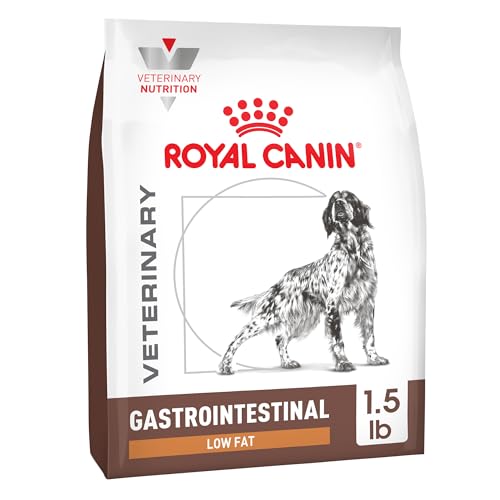
ROYAL CANIN Gastrointestinal Low Fat Adult Dry Food

Hill’s Science Diet Perfect Weight & Joint Support Dry Dog Food

IAMS Advanced Health Mobility Support Chicken, 4.5 lb

VICTOR Sensitive Skin & Stomach Salmon Meal & Brown Rice, 5 lb

SquarePet Low Fat Lean Whitefish Dry Dog Food, 4.4 lbs

KOHA Limited Ingredient Bland Diet, Chicken & White Rice
More Details On Our Top Picks
Older dogs seem to draw the short straw on digestive trouble, and this recipe is built squarely for them. Hill’s leans on its ActivBiome+ Technology, a proprietary mix of prebiotics paired with whole grain oats and pumpkin, aimed at promoting regularity and healthier stools. Real chicken leads the ingredient list, which matters because protein quality drives how much nutrition your dog actually absorbs per bowl.
In a household with a senior dog prone to loose stools, the practical appeal is simple: one food that targets digestion without sacrificing complete adult nutrition. Bag sizes run from a trial-friendly 3.5 pounds up to a 22-pound supply, so you can test tolerance before committing to bulk storage.
Strong Points
- ActivBiome+ prebiotic blend feeds beneficial gut bacteria, the mechanism most often linked to steadier stools.
- Pumpkin and whole grain oats add gentle soluble fiber that firms things up naturally.
- Chicken as the first ingredient keeps protein quality high for aging muscles.
- Multiple bag sizes let you trial the formula cheaply before buying large.
- Formulated specifically for dogs 7 and older, matching the age group where colitis shows up most.
Things To Consider
- Owners commonly report a transition period of several days; switch gradually or expect temporary stool changes.
Key Specs
Who It Suits Best
Senior dogs whose colitis flares alongside age-related digestive slowdown will get the most from this formula.
Where Another Pick Suits Better
Younger adults needing strict fat restriction should look at the Royal Canin Gastrointestinal Low Fat instead, since it’s formulated around fat intolerance rather than age.
Where the Hill’s entry above targets age, this one targets fat. Royal Canin’s Veterinary Diet Gastrointestinal Low Fat is designed for dogs that struggle to digest or tolerate dietary fat, a group that overlaps heavily with chronic colitis cases. Prebiotics in the kibble help maintain the balance of good bacteria in the gut, and a blend of dietary fibers supports both the microbiome and healthy digestion.
The size range tells its own story: 1.5-pound bags for trialing, up to 28.6 pounds for long-term feeding. Veterinary diets like this typically require your vet’s sign-off, so treat it as a conversation starter at your next appointment rather than an impulse buy.
What We Like
- Low-fat formulation directly addresses the fat-intolerance trigger behind many colitis episodes.
- Prebiotics support stable gut bacteria populations between meals.
- Fiber blend promotes stool consistency, the metric you’ll actually notice.
- Small trial bags make vet-supervised transitions less wasteful.
Worth Noting
- As a veterinary diet, it usually needs professional recommendation before use.
- Kibble formulas like this tend to cost more per pound than grocery-brand alternatives.
Made For
Dogs whose vet has flagged fat sensitivity or recurring GI upset will find this the most targeted option here.
A Better Fit Elsewhere
Shoppers wanting a similar low-fat approach without the prescription step should compare the SquarePet Low Fat Lean Whitefish later in this list.
Extra weight puts real strain on a dog’s joints and, indirectly, on overall health, and this Hill’s recipe attacks both problems at once. The formula was developed around the biology of overweight dogs, supporting lean muscle while added fish oil supplies EPA, an Omega-3 fatty acid, for hip and joint function. Clinically proven antioxidants round out the immune support side.
It’s not a dedicated digestive formula, so think of it as the pick for dogs whose colitis is managed but who also carry extra pounds and creaky hips. Available in 3.5, 12, and 25-pound bags.
Highlights
- Dual-purpose design handles weight management and joint care in one bowl.
- Fish oil delivers EPA, an Omega-3 tied to joint comfort in daily movement.
- Lean muscle support helps dogs keep strength while slimming down.
Minor Gripes
- No specific prebiotic or fiber blend listed, so it’s weaker on direct gut support than the Perfect Digestion version.
- Weight-loss results depend heavily on portion discipline at home.
- Larger bags need airtight storage to keep the kibble fresh for months.
Quick Facts
Right Fit For
Overweight adult dogs with early joint stiffness whose digestive issues are already under control.
Not Your Match When
Digestion-first shoppers should stay with the Hill’s Adult 7+ Perfect Digestion reviewed above, which carries the ActivBiome+ fiber system this one lacks.
Joint-support foods usually carry premium pricing, and this IAMS recipe exists to undercut that expectation. EPA promotes healthy cartilage and mobility, while natural sources of glucosamine and chondroitin, two compounds widely associated with joint structure, come standard. Guaranteed live probiotics are part of the package too, which gives it a small digestive angle the other mobility-focused picks handle differently.
The formula skips artificial flavors and preservatives, though the brand notes trace amounts may appear through manufacturing cross-contact, worth knowing for highly sensitive dogs. Sizes span 4.5 up to 36 pounds, making it realistic for multi-dog households watching their budget.
Plus Points
- EPA plus natural glucosamine and chondroitin cover cartilage and movement support.
- Live probiotics add a gut-health layer most budget formulas skip entirely.
- No artificial flavors or preservatives in the recipe itself.
- Five bag sizes suit everything from trials to big-dog households.
Softer Spots
- Trace cross-contact during manufacturing may matter for severely allergic dogs.
- It’s a mobility formula first, so colitis-specific fiber support is limited compared to dedicated digestive recipes.
Who Should Grab It
Budget-conscious owners of active adult dogs needing affordable joint maintenance with mild digestive backup.
Swap It Out When
For stronger skin-and-stomach targeting, the VICTOR salmon recipe coming next offers a more allergy-aware ingredient deck.
Chicken is the most common protein allergen in dogs, and plenty of colitis cases improve once it leaves the bowl. This VICTOR recipe builds around salmon meal instead, using gluten-free grains and no chicken, corn, or soy. Fortified prebiotics and probiotics work the microbiome from both directions, while Omega-3, Omega-6, and Vitamin E nourish skin and coat.
One detail worth respecting: VICTOR prints its protein-source percentages on the front of the bag, an unusual transparency move in this category. The brand’s proprietary VPRO blend of vitamins, minerals, and supplements aims at digestibility and immune function across breeds and activity levels.
Bright Spots
- Chicken-free, gluten-free, corn-free, soy-free deck removes the most frequent triggers in one stroke.
- Salmon meal as first ingredient means dense animal protein for lean muscle and stamina.
- Prebiotics plus probiotics support digestion and immune health together.
- Omega fatty acids and Vitamin E visibly improve coat condition over weeks of feeding.
- Published protein percentages let you verify quality claims yourself.
- VPRO supplement blend targets digestibility regardless of breed or age.
Points To Note
- Fish-based formulas can produce a stronger kibble odor; sealed storage keeps it contained.
Feature Snapshot
Whose Shelf It Belongs On
Allergy-prone dogs with itchy skin and unstable stools, especially those reacting to chicken-based diets.
Reach For A Different Pick When
Dogs needing aggressive fat restriction belong on the SquarePet Low Fat Whitefish instead, since this recipe doesn’t market itself as low fat.
Here’s the interesting middle ground in this lineup: a veterinarian-formulated low-fat recipe sold without a prescription requirement. SquarePet positions it for dogs that have difficulty digesting fat, including those prone to pancreatitis, a condition that frequently travels alongside colitis. Pacific cod and ocean whitefish meal come from fisheries independently certified to the Marine Stewardship Council’s sustainability standard.
The proprietary dietary fiber blend mixes soluble and insoluble fibers with prebiotics and probiotics, covering the same gut-support territory as the prescription options earlier in this list. DHA and EPA omega-3s support skin, coat, immune health, and brain function on top.
Reasons To Buy
- Low-fat, vet-formulated design targets fat-intolerance triggers directly.
- No prescription needed, removing a real barrier for many households.
- Soluble and insoluble fiber blend with prebiotics and probiotics supports digestion comprehensively.
- MSC-certified wild-caught fish sourcing adds traceable quality.
Small Caveats
- Being newer to shelves, long-term owner feedback is thinner than for established veterinary brands.
- Fish-forward recipes benefit from prompt bag sealing to preserve freshness.
- Your vet may still prefer a prescription diet depending on severity.
At A Glance
Best Suited To
Dogs with suspected fat intolerance whose owners want veterinary-style nutrition without the prescription hurdle.
Consider Something Else When
During acute flare-ups, the KOHA bland diet below is the gentler, short-term tool; save this one for steady-state feeding.
Every colitis household eventually gets the 2 a.m. vet instruction: feed bland chicken and rice. KOHA bottles that advice. Each 12.5-ounce pouch is ready to serve with zero cooking, built on a single protein source, chicken, plus white rice and pumpkin to support healthy stools and regularity. It’s formulated for dogs dealing with loose stool, diarrhea, and general stomach upset.
Think of it as the bridge product: useful during recovery windows, or as a topper mixed into a current diet to ease transitions. Packs come in six or thirty pouches, so keeping a few on hand costs little in pantry space.
Standout Traits
- Ready-to-serve format replaces late-night boiling of chicken and rice.
- Single protein source simplifies elimination and reduces reaction risk.
- Pumpkin and white rice actively support stool firmness.
Honest Caveats
- Wet pouches are pricier per serving than dry kibble for everyday feeding.
- Opened portions need refrigeration and quick use.
Core Details
Perfect Match For
Owners managing frequent flare-ups who want a vet-aligned bland diet ready in seconds.
Look Elsewhere When
For daily long-term nutrition, rotate back to the Hill’s Perfect Digestion or SquarePet formulas, since this pouch is designed for short-term and supplemental use.
Choosing Between These Formulas Without Guesswork
Match The Formula To The Trigger
Colitis has several common drivers, and the food should answer the one your dog actually has. Fat intolerance points toward the Royal Canin or SquarePet low-fat recipes. Allergy-driven inflammation favors the chicken-free VICTOR. Age-related digestive decline maps to the Hill’s 7+. Feeding the wrong category wastes months of trial and error.
Fiber Is Doing Quiet Work
Soluble fiber, found in pumpkin and oats, absorbs water and firms loose stool, while insoluble fiber keeps material moving. Prebiotics feed beneficial gut bacteria, and probiotics add live cultures directly. The strongest picks here combine all three rather than relying on one lever.
Transition Slowly, Always
Whatever you choose, blend the new food into the old over seven to ten days. Abrupt switches routinely cause the exact digestive chaos you’re trying to fix, even with gentle formulas.
Size Bags To Your Confidence Level
Start small. A 3.5 or 5-pound bag confirms tolerance before you invest in 22-pound storage, especially with fish-based recipes that oxidize faster once opened.
Key Considerations Across These Picks
Traps First Timers Fall Into
The classic error is treating colitis food as a cure rather than a management tool, then abandoning a good formula after one rough week. Another common slip: skipping the gradual transition because the new bag looks similar to the old one. And don’t ignore storage; kibble left in humid garages degrades faster than the date on the bag suggests.
Why Top Tier Costs More
Veterinary-grade and specialty formulas price higher because of targeted nutrient systems, quality-controlled protein sourcing, and research behind blends like ActivBiome+ or VPRO. That premium earns its keep when cheaper foods have already failed your dog. For mild, occasional upset, a mid-tier option often does the job fine.
Closing Thoughts
Managing colitis is mostly patience: the right formula, a slow transition, and a vet who knows your dog’s history. Any of these seven can play a role, whether as a daily driver, a low-fat specialist, or a pouch you stash for emergencies. Start with the smallest bag that fits your dog’s profile, watch the stool chart for two weeks, and adjust from there. Your dog’s gut will tell you when you’ve got it right.
