

Loose stools turn mealtime into a guessing game, and nobody enjoys cleaning up after a stomach that disagrees with dinner. This roundup covers foods and supplements built for delicate digestion, from bland-diet cans to prebiotic kibble and fast-acting chews. Whether you’re managing an occasional flare-up or a chronically fussy gut, there’s a fit here for your dog’s age, size, and vet guidance.
The Shortlist At A Glance

Wellness Bowl Boosters Digestive Health Topper, Chicken, 4 oz
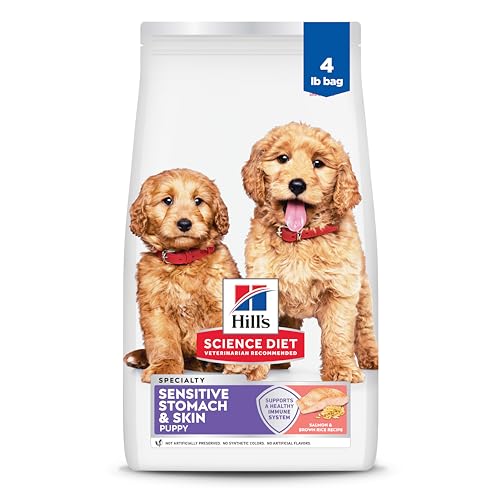
Hill’s Science Diet Puppy Sensitive Stomach & Skin Dry Dog Food

Hill’s Science Diet Adult 7+ Digestion Support Dry Dog Food

Dave’s Pet Food Bland Diet Dog Food, Chicken & Rice, 12 pk

Hill’s Prescription Diet i/d Digestive Care Wet Dog Food
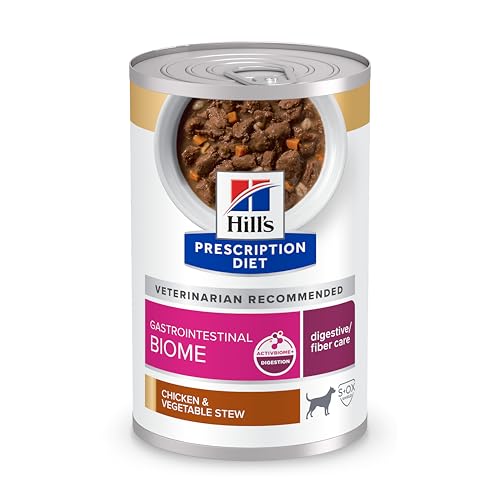
Hill’s Prescription Diet GI Biome Wet Dog Food

Kayode Ultimate Digestion Anti Diarrhea Chews for Dogs
More Details On Our Top Picks
A topper is the gentlest way to test whether your dog tolerates a new ingredient before committing to a whole bag of kibble. Wellness builds this one around freeze-dried chicken pieces mixed with fruits and vegetables, sprinkled over whatever food your dog already eats. The 4-ounce pouch suits small households, and the same line offers joint, skin, immune, and heart formulas if you want to rotate benefits later.
In a busy household with a dog who turns up their nose at plain kibble, a spoonful of this tends to restart interest at the bowl without changing the base diet.
Bright Spots
- Freeze-dried chicken adds aroma that tempts reluctant eaters back to the bowl.
- Grain-free recipe suits dogs whose owners prefer to skip common cereal fillers.
- Small 4-ounce format means less waste while you gauge tolerance.
- Sprinkle-on serving takes seconds, no refrigeration or mixing required.
Things To Consider
- The pouch is tiny relative to daily feeding, so multi-dog homes burn through it quickly.
- It supplements rather than replaces a complete diet, so it won’t address diarrhea on its own.
Quick Facts
Made For
Owners of picky small-to-large breed dogs who want a low-commitment way to add flavor and digestive-friendly variety to an existing diet.
Where A Sibling Pick Shines
Dogs in active recovery need a complete meal rather than a sprinkle, which is where Dave’s Pet Food Bland Diet fits better.
Puppies have immature guts, so a single rich meal can undo a week of good potty habits. Hill’s designed this kibble around three fronts at once: a highly digestible base with prebiotic fiber (plant material that feeds beneficial gut bacteria), vitamin E plus omega-3 and omega-6 fatty acids for skin and coat, and antioxidants including vitamins C and E for immune development. DHA supports brain growth, and quality protein fuels muscle as your puppy fills out.
Households raising a young dog through house-training will appreciate that firmer stools make cleanup and progress tracking far easier. Bag sizes run from a trial-friendly 4 pounds up to a 13-pound value option.
Reasons To Buy
- Prebiotic fiber supports nutrient absorption, meaning more benefit from every cup served.
- Omega fatty acids tackle the itchy-skin issues that often travel alongside tummy trouble.
- DHA inclusion matches what growing puppies need during peak development months.
- Two bag sizes let you start small before stocking up.
Softer Spots
- Formulated specifically for puppies, so adults need a different recipe from the same brand.
- Kibble transitions still require a gradual switch over several days to avoid upsetting things further.
Who Should Grab It
Families with a puppy prone to occasional digestive upset who want one food covering gut, skin, and immunity together.
Swap It Out When
Senior dogs do better on the Hill’s Adult 7+ Digestion Support formula later in this list, which targets aging guts instead.
Older dogs often develop lazier digestion, and this senior formula attacks that directly with ActivBiome+, Hill’s proprietary blend of prebiotics paired with whole grain oats and pumpkin. Chicken leads the ingredient list, and the company states the blend promotes regularity and healthy stools within about a week of consistent feeding. Compared with the puppy version reviewed above, this one trades growth nutrients like DHA for microbiome-focused fiber work.
You may find the 22-pound bag the smarter buy once your senior settles into the routine, since consistency matters more than variety here.
Standout Traits
- Pumpkin and oats are familiar, gentle ingredients many sensitive dogs handle well.
- Prebiotic blend targets stool quality directly rather than just masking symptoms.
- Real chicken as the first ingredient keeps palatability high for older appetites.
- Balanced nutrition covers overall wellness, not just the gut.
Worth Noting
- Results depend on steady feeding; skipping days resets the adjustment period.
- Contains grains, so strictly grain-free households should look elsewhere on this list.
At A Glance
Right Fit For
Owners of dogs aged seven and up dealing with inconsistent stools who want a science-backed daily kibble rather than a short-term fix.
Not Your Match When
Younger adult dogs under seven should use a standard adult sensitive-stomach diet instead, since senior formulations adjust calorie and nutrient profiles.
Vets traditionally recommend boiled chicken and white rice during flare-ups, and Dave’s packages that exact idea in ready-to-serve cans. Each 13.2-ounce can holds a simple chicken-and-rice recipe with just 6% crude fat, deliberately light so a stressed gut has less work to do. The twelve-can case means a bad weekend doesn’t send you boiling pots at midnight, and the brand also makes lamb-and-rice and turkey-and-rice variants for rotation.
Compared with the Wellness topper earlier in this list, this is a standalone recovery meal, not an accent. That distinction matters when your dog needs nothing else in the bowl.
Plus Points
- Low 6% fat content eases the digestive workload during rough patches.
- Shelf-stable cans store in the pantry until the day you suddenly need them.
- Simple two-ingredient approach aligns with standard bland-diet advice.
- Multiple protein variants help you match what your dog tolerates best.
Minor Gripes
- Intended for short-term use, so it isn’t a permanent everyday diet.
- Opened cans need refrigeration and get used within a couple of days.
- Twelve cans may outlast a single mild episode, though they keep well unopened.
Details At A Glance
Whose Shelf It Belongs On
Anyone whose dog has recurring mild stomach episodes and wants a pantry backup ready before the next one hits.
Reach For A Different Pick When
Ongoing, chronic digestive trouble calls for the Hill’s Prescription i/d wet food below, formulated for longer clinical management.
This is therapeutic nutrition, developed by Hill’s nutritionists and veterinarians specifically for dogs with digestive upsets, and it carries the “Prescription Diet” label for a reason: it’s meant to be used under veterinary direction. The highly digestible formula helps nutrients absorb easily even while the gut is compromised, and Hill’s reports clinical evidence behind its ability to settle digestive disturbances in adult dogs. The stew-style texture also tempts dogs whose appetite drops when they feel unwell.
Unlike Dave’s canned bland diet, this one is engineered for sustained digestive management rather than a two-day reset.
What We Like
- High digestibility means less undigested material irritating the intestinal lining.
- Stew format encourages eating in dogs with suppressed appetite during illness.
- Complete adult nutrition, suitable as a sole diet during recovery periods.
- Backed by clinical formulation work rather than generic recipes.
Honest Caveats
- Requires a veterinarian’s approval, adding a step before purchase.
- Therapeutic diets generally cost more per meal than grocery-brand cans.
Core Details
Who Will Love This
Dog owners working with a vet on an active digestive recovery plan who need a complete, palatable wet diet.
Consider Something Else When
Your dog’s issue centers on chronic stool inconsistency rather than acute upset; the GI Biome formula next door targets that specifically.
Where the i/d stew above calms acute upset, this GI Biome recipe plays the long game with your dog’s gut microbiome, the community of bacteria living in the intestines. Its ActivBiome+ technology is designed to activate beneficial bacteria quickly, and the fiber profile balances soluble and insoluble types (the former gels and slows digestion, the latter adds bulk) to encourage regular, well-formed bowel movements. Elevated omega-3 levels including DHA and EPA round out the formula.
Like all Prescription Diet products, it requires a conversation with your vet first, and that’s appropriate given how targeted this formulation is.
Highlights
- Dual-fiber balance addresses both stool consistency and regularity.
- ActivBiome+ works on the microbiome itself, addressing a root factor in chronic cases.
- Omega-3 fatty acids add anti-inflammatory-leaning nutritional support.
- Developed by Hill’s nutritionists and veterinarians for GI-specific care.
Points To Note
- Vet authorization is needed, so it can’t be an impulse pantry addition.
- Wet food costs per serving typically exceed dry equivalents over time.
- Transitioning onto high-fiber diets too quickly can temporarily increase gas.
The Right Fit
Dogs with persistent, vet-diagnosed stool irregularity whose owners want a clinically targeted long-term wet diet.
Another Choice May Suit
For short flare-ups without a diagnosis, Dave’s Bland Diet offers a simpler, lower-commitment stopgap.
Not every loose-stool moment calls for a diet overhaul, and that’s the gap these chews fill. Kayode combines pumpkin fiber, digestive enzymes (compounds that help break food down for better nutrient absorption), and postbiotics in a chewable format made in the USA and formulated with input from an animal nutritionist holding a PhD. The brand positions the blend as faster-acting than probiotics alone, which can take considerable time to colonize, and it also targets stress-related episodes and gas.
For car rides, boarding stays, and other anxiety triggers, having a chew on hand beats scrambling mid-trip.
Upsides
- Pumpkin fiber acts as a natural stool firming agent.
- Enzymes help dogs extract more nutrition from their regular meals.
- Addresses stress-linked digestive episodes alongside dietary ones.
- Chew format avoids pill-pocking struggles with unwilling dogs.
- Expert-formulated and domestically produced.
Small Caveats
- A supplement, not a medication, so serious symptoms still warrant a vet visit.
- Individual response speed varies; some dogs respond within days, others slower.
Feature Snapshot
Best Suited To
Owners of dogs with occasional, mild digestive wobbles tied to stress, travel, or diet changes who want a non-prescription helper.
Look Elsewhere When
Diagnosed chronic conditions need the structured nutrition of Hill’s GI Biome rather than a supplement chew.
What Matters Most Before Choosing Dry Dog Foods For Diarrhea
Match The Product To The Problem
An occasional soft stool after a diet change calls for something very different than weeks of chronic looseness. Bland diets and supplement chews suit short episodes, while prebiotic kibble and prescription formulas serve ongoing management. Persistent symptoms lasting beyond a couple of days deserve a veterinary exam before any product decision.
Read The Fiber Story
Fiber type shapes results more than most shoppers expect. Soluble fiber absorbs water and firms stool, insoluble fiber adds bulk and movement, and prebiotics feed the bacteria that regulate both. Pumpkin sits comfortably in the middle, which explains its appearance in several picks above.
Respect Life Stage And Format
Puppy, adult, and senior formulas differ in calories, minerals, and additives like DHA, so age-matched products matter. Wet food wins on palatability and hydration for sick dogs; kibble wins on cost and dental abrasion; chews win on convenience. Many households end up combining formats.
Transition Slowly, Always
Even the gentlest formula can trigger upset when swapped overnight. Blend increasing amounts of the new food into the old over seven to ten days, watching stool quality as your guide.
Key Considerations Across These Picks
Where Shoppers Go Wrong
The classic mistake is buying a therapeutic or prescription product without veterinary input, then abandoning it when results lag. Another frequent slip is switching foods too fast, blaming the new formula for problems the transition itself caused. Check the life-stage label before checkout, too.
The Case For Spending Up
Higher-tier options justify their cost through research-backed ingredients like proprietary prebiotic blends, clinically studied digestibility, and veterinary formulation teams. For a dog with recurring issues, that precision usually costs less over time than cycling through generic foods that never quite solve anything.
Bottom Line
Gentle digestion starts with matching the tool to the trouble: a topper for picky bowls, a bland diet for rough weekends, prebiotic kibble for daily steadiness, and prescription formulas under vet guidance for stubborn cases. Start slow, watch the stool chart, and loop in your veterinarian whenever symptoms stretch past a few days. Your dog’s gut will tell you what’s working, one walk at a time.
