

A dog with an itchy coat and a touchy gut makes every meal a gamble. One wrong ingredient and you’re back to scratched ears, loose stools, and another vet visit. This shortlist covers seven formulas built for exactly that problem, from puppy kibble to senior blends to a ready-to-serve bland diet. Each one leans on a single, gentle protein and skips the common triggers like chicken by-products, corn, and wheat, so you can match a formula to your dog’s age and sensitivity level without guesswork.
The Shortlist At A Glance

Hill’s Science Diet Puppy Sensitive Stomach & Skin Dry Dog Food

Purina Pro Plan Senior 7+ Sensitive Skin and Stomach Salmon & Rice, 4 lb

Blue Buffalo Basics Salmon Adult Grain-Free Dry Dog Food, 4 lb
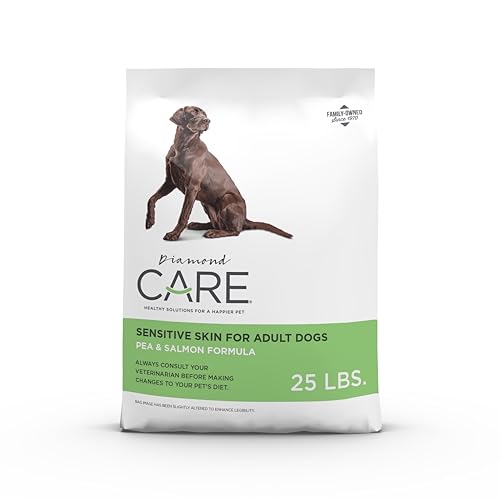
DIAMOND CARE Sensitive Skin Adult Dry Dog Food, Hydrolyzed Salmon, 25 lb

VICTOR Sensitive Skin & Stomach Salmon Meal & Brown Rice, 5 lb

KOHA Limited Ingredient Bland Diet, Chicken & White Rice

Wellness Complete Health Sensitive Skin and Stomach Salmon & Rice, 5 lb
More Details On Our Top Picks
Puppies get the short end of the stick with sensitive stomachs, because most gentle formulas are built for adults. This Hill’s recipe solves that with a salmon and brown rice base sized for growth, in 4-pound and 13-pound bags that suit small breeds and fast-growing litters alike. The prebiotic fiber works quietly in the background, feeding the gut bacteria that help a young digestive system settle.
What sets it apart from the adult formulas further down this list is the developmental layer: DHA for brain growth and quality protein for building muscle, layered on top of the stomach-and-skin support. Owners of gassy, itchy pups commonly report firmer stools within the first couple of weeks on a slow transition.
Strong Points
- Prebiotic fiber supports smoother digestion and better nutrient absorption during growth spurts
- Vitamin E plus omega-3 and omega-6 fatty acids help calm itchy skin and add coat shine
- Antioxidants from vitamins C and E back up a still-developing immune system
- DHA and quality protein cover the brain and muscle needs adult formulas skip
Things To Consider
- Bag sizes max out at 13 pounds, so large-breed puppy owners will repurchase often
- Switching from a chicken-based kibble takes a 7 to 10 day gradual mix to avoid setbacks
Quick Facts
Who It Suits Best
Puppy owners dealing with soft stools or scratching who want one formula to carry their dog through the entire first year.
Where A Sibling Pick Shines
Once your pup crosses into adulthood, the Blue Buffalo Basics Salmon formula below takes over the same gentle-protein job at an adult calorie level.
Senior dogs stack problems: a slower gut, stiffening joints, and skin that dries out faster. This Purina Pro Plan formula answers all three at once, with salmon as the first ingredient and easily digested oatmeal and rice carrying the carbohydrate load. The 29% protein level matters more than it looks, since older dogs lose lean muscle, including the heart muscle, faster than younger ones.
Compared with the Hill’s puppy formula above, this one swaps growth nutrients for joint support, adding glucosamine and EPA, an omega-3 fatty acid tied to mobility. For a stiff, scratchy older dog, that combination is hard to find in one bag.
What We Like
- Glucosamine and EPA target joint comfort alongside the skin and stomach work
- 29% protein helps aging dogs hold onto lean muscle mass
- Oatmeal and rice keep stool quality consistent, a real plus for senior digestion
Worth Noting
- The 4-pound bag runs small, which means frequent reordering for larger seniors
- Some older dogs can be picky about the salmon aroma, so a gradual transition helps
Made For
Dogs aged seven and up whose itching and loose stools come packaged with early joint stiffness.
Consider Something Else When
A younger adult dog with grain sensitivities will get more mileage from the grain-free Blue Buffalo Basics recipe instead.
Grain sensitivities are the trigger many owners overlook. This Basics recipe removes corn, wheat, and soy entirely, then anchors the formula on real salmon as the first ingredient with potato as the main carbohydrate. The limited-ingredient approach, one animal protein plus a short list of supporting foods, gives you a clean baseline for figuring out what your dog actually reacts to.
The LifeSource Bits, small antioxidant-rich kibble pieces mixed into the bag, add an immune angle the plainer limited-ingredient diets skip. Owners commonly note the kibble size suits small and medium mouths well.
Highlights
- No corn, wheat, soy, or poultry by-product meals, which narrows the allergy field considerably
- Omega 3 and 6 fatty acids nourish skin and coat from the inside
- LifeSource Bits deliver antioxidant support for immune health
- Salmon-first recipe suits dogs that react to chicken-heavy formulas
Small Caveats
- Grain-free diets don’t suit every dog, so a vet conversation makes sense before committing long term
- The 4-pound trial bag disappears fast in multi-dog homes
Feature Snapshot
Right Fit For
Adult dogs whose itching seems tied to grain-based kibble and whose owners want a simple ingredient list to work from.
Skip It When
Dogs with confirmed protein allergies do better on the hydrolyzed DIAMOND CARE formula, where the salmon protein is pre-broken down.
Here’s the heavy artillery. Hydrolyzed salmon means the protein has been broken into fragments too small for the immune system to recognize as an allergen, which is the same principle behind veterinary elimination diets. For dogs that have already failed standard limited-ingredient foods, this is the logical next rung, and the 25-pound bag suits households that have found their answer and want to stock up.
Diamond guarantees the antioxidant and omega fatty acid levels in the formula, which is a stronger commitment than most brands make on paper. Peas supply the carbohydrates and keep the kibble palatable, a detail that matters since hydrolyzed diets have a reputation for fussy eaters turning up their noses.
Upsides
- Single-source hydrolyzed salmon protein minimizes allergic reaction risk
- Guaranteed omega fatty acid levels support skin repair and coat condition
- Guaranteed vitamin E antioxidants back immune function
- 25-pound bag offers better value per pound once you know it works
Points To Note
- Hydrolyzed formulas typically cost more per pound than standard sensitive-skin kibble
- Some dogs need a topper or slow introduction to accept the taste
- Only available for adults, so growing puppies need a different option
Who Will Love This
Owners of adult dogs with stubborn, confirmed skin allergies who’ve exhausted ordinary limited-ingredient diets.
Another Choice May Suit
Dogs with milder sensitivities and no confirmed protein allergy will find the VICTOR salmon meal recipe below easier on the budget.
VICTOR takes a working-dog approach to sensitivity: high animal protein, gluten-free grains, and no chicken anywhere in the recipe. Salmon meal leads the ingredient list, and the brand prints its protein source percentages right on the bag, a transparency move few competitors bother with. The VPRO blend, a proprietary mix of vitamins, minerals, and supplements, rounds out the formula for dogs of any breed or activity level.
Where this pick separates itself from the Blue Buffalo Basics above is the gut support: prebiotics and probiotics are built in, which owners of gassy or irregular dogs tend to appreciate. Three bag sizes, from 5 to 30 pounds, cover both trial runs and long-term feeding.
Best Bits
- Prebiotics and probiotics strengthen the gut microbiome and digestion
- No chicken, corn, soy, or gluten, clearing the most common allergen triggers
- Salmon meal first, with protein source percentages printed on the bag
- Omega 3, omega 6, and vitamin E levels support skin and coat
- Three bag sizes let you trial small before committing to 30 pounds
Softer Spots
- Salmon meal is a rendered ingredient, which some owners prefer to avoid in favor of whole salmon
- High protein density may be more than a low-activity couch dog needs
At A Glance
Built With In Mind
Active, allergy-prone dogs that burn real energy daily and need dense protein without chicken in the picture.
Swap It Out When
A dog in the middle of an acute stomach upset needs the KOHA bland diet instead, not a permanent kibble switch.
Every sensitive-stomach dog owner eventually hears the same instruction from a vet: boil chicken, cook rice, feed small portions for a few days. KOHA puts that exact bland diet in a 12.5-ounce can, ready to serve, with pumpkin added for stool regularity. It’s a short-term tool, not a lifetime kibble, and it earns its spot on this list by covering the crisis moments the dry formulas can’t.
One protein, one grain, nothing else complicated. You can feed it exclusively during a flare-up or spoon it over regular kibble as a topper once things settle. Packs of 6 or 30 mean you can keep a small emergency stash in the pantry, which is exactly how most owners use it.
Plus Points
- Ready to serve, no boiling chicken at midnight during a flare-up
- Single protein source keeps digestion demands minimal
- Pumpkin and white rice support firmer stools and regularity
- Doubles as a topper to coax appetite back after illness
Honest Caveats
- Wet food needs refrigeration after opening and gets used up quickly
- Not formulated as a permanent complete diet, so it’s a bridge, not a destination
Core Details
Whose Shelf It Belongs On
Anyone whose dog throws occasional digestive curveballs and wants a vet-style bland diet on hand without the cooking.
Reach For A Different Pick When
For everyday long-term feeding, the Wellness Complete Health salmon and rice kibble below is the better standing choice.
Wellness closes the list with a chicken-free, wholesome-grain recipe that hits the middle ground between the grain-free Blue Buffalo and the hydrolyzed DIAMOND CARE. Salmon and rice lead, the grains stay in but the chicken comes out, and the broader Complete Health line supports the formula with omega fatty acids, antioxidants, glucosamine, probiotics, and taurine for heart health. That’s a wider nutritional net than most sensitive-skin recipes cast.
Seven flavor variants exist across the line, so multi-dog homes can stay within one brand while matching each dog’s needs. The 5-pound bag works well as a trial size before scaling up.
Bright Spots
- Chicken-free recipe sidesteps the most common canine allergen
- Probiotics and glucosamine add digestive and joint support in one bowl
- Taurine inclusion supports heart health, a detail often missing at this level
- Multiple recipe variants let multi-dog homes standardize on one brand
Areas To Watch
- Dogs with grain sensitivities, not just chicken allergies, will need a grain-free option instead
- The 5-pound trial bag means frequent reordering until you confirm it suits your dog
Details At A Glance
The Right Fit
Adult dogs allergic to chicken specifically, whose owners want full-body nutritional support rather than a stripped-down limited diet.
Where Another Pick Suits Better
Confirmed grain reactors should step back up to the Blue Buffalo Basics grain-free salmon formula reviewed earlier.
What Matters Most Before Choosing Sensitive Skin And Stomach Dog Food
Identify The Actual Trigger
Skin and stomach symptoms overlap, but the causes differ. A dog scratching at its flanks usually points to a protein or grain sensitivity, while chronic loose stools more often trace back to fat levels or fiber quality. Check which ingredient dominated your dog’s previous food, because the culprit is frequently the protein source the dog ate longest.
Single Protein Beats Long Lists
Limited-ingredient diets work by subtraction. One animal protein, like the salmon in the Blue Buffalo and VICTOR recipes, gives you a clean variable to test. Hydrolyzed proteins go a step further by breaking the protein into fragments the immune system can’t flag, which is why the Diamond formula sits at the premium end.
Match The Formula To Life Stage
Puppies, adults, and seniors need different calorie and nutrient profiles. Feeding an adult maintenance formula to a growing puppy shortchanges development, and the reverse adds unnecessary calories. The Hill’s and Purina entries on this list exist precisely because age changes the equation.
Plan The Transition
Whatever you choose, mix the new food in gradually over seven to ten days. An abrupt switch can cause the exact stomach upset you’re trying to fix, and it muddies your read on whether the new formula is actually working.
Key Considerations Across These Picks
Traps First Timers Fall Into
The most common mistake is switching foods every week when results don’t appear overnight. Skin and coat improvement typically takes four to eight weeks, and gut adjustment takes two to three. Owners also misread ingredient marketing: “salmon flavor” and “salmon as the first ingredient” are very different claims, so read the actual list. And skipping the gradual transition is the fastest way to blame a good food for a bad reaction.
The Case For Spending Up
Higher-tier formulas pay for guaranteed nutrient levels, hydrolyzed proteins, and added joint or immune support rather than just a fancier bag. The Diamond hydrolyzed recipe costs more per pound, but for a dog with confirmed allergies it can end the cycle of failed foods and vet visits. For mild sensitivities, a mid-tier pick like VICTOR or Wellness usually does the job without the premium.
Closing Thoughts
Sensitive skin and a touchy stomach don’t have to be permanent fixtures in your dog’s life. Start by matching the formula to your dog’s age and suspected trigger, transition slowly, and give any new food a fair eight-week window before judging it. Keep a bland diet like the KOHA cans on hand for flare-ups, and loop your vet in whenever symptoms persist. The right food is on this list; it’s just a matter of finding the one that fits your dog.
