

Cats are notoriously bad drinkers, and low fluid intake shows up fast in their energy, appetite, and urinary health. Whether you’re nursing a senior cat through a rough patch, supporting a kidney-conscious diet, or just trying to coax a picky drinker into taking more liquids, the right supplement makes daily care far less stressful. This roundup covers seven hydration and recovery products that approach the problem differently, from potassium powders to lickable purees and nutrient-enriched water. Each one suits a different cat and a different household routine, so read the fit notes closely before choosing.
The Shortlist At A Glance

Vetoquinol Renal K Potassium Supplement Powder 3.5oz
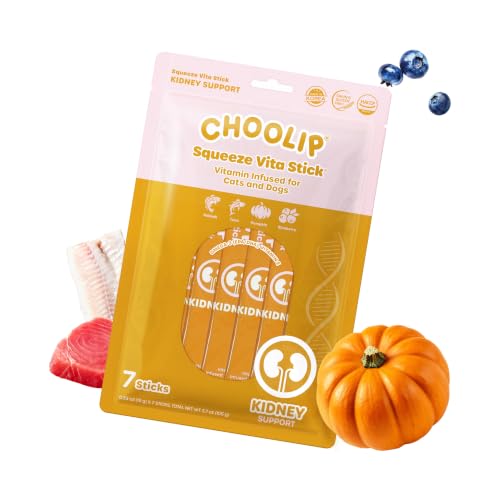
Choolip Squeeze Vita Stick Kidney Support Treats 7-Count

Under the Weather Ready Cal Powder for Cats Chicken Flavor

Purina Pro Plan Hydra Care Cat Hydration Supplement

Vetri-CAL High Calorie Nutritional Gel Malt Flavor 5 oz Tube

NaturVet Pet Electrolyte Concentrate 16 oz

Choolip Berry Good Milk Pouches 100mL x 8
More Details On Our Top Picks
Kidney-focused cats often lose potassium faster than food alone can replace it, and that’s the specific gap this unflavored powder addresses. Vetoquinol built it around potassium gluconate, a form that mixes readily into wet food without announcing itself, plus B-complex vitamins, biotin, and calcium pantothenate for broader wellness support.
In a busy multi-cat kitchen, an odorless powder is worth its weight in gold because no one at the bowl gets suspicious. The 3.5oz jar also lasts a while at typical feline dosing, which keeps the monthly routine simple.
Strong Points
- Potassium gluconate base supports normal muscle and heart function in cats with renal concerns
- Unflavored formula disappears into wet food, so finicky eaters rarely notice it
- B-complex enrichment adds everyday vitality support beyond the mineral itself
- Small jar stores easily and keeps dosing consistent over weeks of use
Things To Consider
- Potassium levels should be monitored by your veterinarian, since too much can be as problematic as too little
- The jar lacks a measuring scoop detail in most listings, so owners commonly use their own half-teaspoon measure
Key Specs
Who It Suits Best
Cats on vet-guided kidney care plans whose owners need a reliable, tasteless way to maintain potassium intake.
Where Another Pick Suits Better
Healthy cats that simply drink too little water are better served by the Purina Pro Plan Hydra Care pouches, which target fluid volume rather than mineral replacement.
Some cats refuse powders, pills, and even flavored water, yet they’ll happily lick a puree tube clean. That’s where this Choolip stick earns its place: real tuna and pollack puree carrying pumpkin, blueberry, and omega-3 fats, formulated by a practicing Korean veterinarian for kidney and urinary support.
The high-protein, low-sodium profile matters here, since sodium load is a genuine concern in renal diets. Compared with the Vetoquinol powder above, this option trades precision dosing for enthusiasm, and for many households that trade is worth making.
Bright Spots
- Lickable format doubles as hydration and bonding time with reluctant cats
- Low-sodium, high-protein recipe aligns with kidney-conscious feeding
- No grains in the ingredient list, suiting sensitive digestion
- Seven-stick pack fits neatly into a weekly treat rotation
Trade Offs
- A 7-count box runs out quickly in multi-cat homes, so recurring purchases add up
- Opened sticks need refrigeration and should be finished promptly
Made For
Owners of picky or senior cats who want kidney support delivered as something the cat actually looks forward to.
A Better Fit Elsewhere
Houses with both cats and dogs needing a shared calorie boost will get more mileage from the Vetri-CAL gel tube, which covers both species in one product.
Recovery periods are when small cats lose condition fastest, and this chicken-flavored powder attacks the problem from the calorie side. Each serving delivers roughly 20 calories along with nine essential vitamins and six minerals, aimed squarely at underweight cats, seniors, and kittens rebuilding after illness or procedures.
The appetite angle is the practical hook: sprinkled over food, the flavor tends to draw hesitant eaters back to the bowl, which solves two problems at once. Where the Vetoquinol powder replaces one specific mineral, this one broadens overall nutritional intake during fragile stretches.
Reasons To Buy
- About 20 calories per serving helps underweight cats regain condition steadily
- Fifteen combined vitamins and minerals round out thin diets
- Chicken flavor commonly tempts cats with poor appetites back to eating
- Powder form lets you scale servings precisely, from a light dusting to a full scoop
Minor Gripes
- It’s calorie-dense by design, so healthy-weight cats don’t need it daily
- The tub should be sealed tightly between uses to keep the powder fresh and clump-free
Quick Facts
Right Fit For
Cats recovering from illness, dental work, or stress-related appetite loss who need gentle caloric reinforcement.
Reach For A Different Pick When
Your cat eats normally but drinks poorly; the Purina Pro Plan Hydra Care supplement targets fluid intake directly instead of calories.
Dry-food-only cats chronically undershoot their fluid needs, and this nutrient-enriched water was developed specifically to close that gap. The formulation relies on osmolytes, molecules that help cells absorb and hold water, so hydration happens at the cellular level rather than passing straight through.
Purina reports increased total liquid consumption compared with water alone alongside dry feeding, which is the metric that actually matters for urinary health. Serving takes seconds: tear a portion-controlled pouch and offer it beside a meal. Against the NaturVet concentrate later in this list, this option prioritizes daily prevention over acute rehydration.
Upsides
- Osmolyte formula supports water absorption inside cells, not just in the bowl
- Shown to raise total liquid intake versus plain water with dry food
- Single-serve pouches eliminate measuring, spills, and leftover storage
- Palatability is strong enough that most cats finish the pouch eagerly
Softer Spots
- Daily pouch feeding costs more over a year than a concentrate bottle
- Portions suit single cats; multi-cat households may go through stock quickly
At A Glance
Best Suited To
Indoor cats on predominantly dry diets whose owners want a proven, low-effort daily hydration habit.
Skip It When
You’re managing active fluid loss after vomiting or heat stress; the NaturVet Pet Electrolyte Concentrate is built for short-term replenishment instead.
Mixed-species households rarely get a break on supplements, so a gel that covers dogs, cats, puppies, and kittens in one tube has obvious appeal. Vetri-CAL packs concentrated vitamins A through E, B vitamins, minerals, electrolytes, and omega 3-6-9 fatty acids into a malt-flavored paste dosed at about 1½ teaspoons per 10 pounds of body weight.
The squeeze-tube format is genuinely convenient during stressful weeks: a ribbon straight into the mouth or stirred into food takes under a minute. Dosing can be doubled for pets refusing food entirely, giving you flexibility the pre-portioned Choolip sticks can’t match.
Plus Points
- One tube serves every pet in the house, simplifying the supplement shelf
- Electrolytes plus omega fatty acids cover energy, coat, and recovery together
- Flexible dosing scales from kittens up to large dogs
- Malt flavor is widely reported to go down easily, even with fussy animals
Points To Note
- Calorie content means healthy pets shouldn’t receive it casually as a treat
- Gel residue around the nozzle needs a quick wipe to prevent crusting
Feature Snapshot
Who Will Love This
Multi-pet owners who want a single, affordable recovery gel rather than separate cat and dog products.
Swap It Out When
Your focus is purely feline kidney nutrition; the Choolip Squeeze Vita Stick offers a lower-sodium, cat-specific recipe.
This is the closest thing in the category to a sports drink for pets, and it’s built for moments rather than maintenance. The concentrated liquid replenishes electrolytes and supports fluid balance during mild losses, such as a bout of digestive upset or a stretch when solid food isn’t sitting well.
One 16oz bottle dilutes with equal water to make 32oz of ready solution, served in small frequent amounts over two to four days until tolerance returns. NaturVet manufactures its line in the USA in facilities audited under current good manufacturing practice standards, a detail that adds confidence. Compared with the Purina Hydra Care pouches, this is your medicine-cabinet item, not your daily ritual.
Standout Traits
- Concentrate format yields double its volume once mixed, stretching value
- Designed for short-course rehydration when food can’t be tolerated
- Works for both cats and dogs from the same bottle
- Veterinarian-formulated recipe with US-based production
Honest Caveats
- Requires mixing ahead of time, unlike grab-and-go pouches
- Prepared solution has a short usable window, so batch only what’s needed
- Not intended as an everyday drinking water replacement
The Right Fit
Owners who want a stocked-and-ready rehydration option for occasional rough days rather than a daily supplement.
Look Elsewhere When
Daily preventive hydration is the goal; the Purina Pro Plan Hydra Care supplement fits that routine far better.
Most cats love milk and most cats handle it badly, which is the exact problem these pouches solve. Grade-A cow’s milk gets treated with added lactase, the enzyme that breaks down lactose, so sensitive stomachs can enjoy a creamy drink without the usual aftermath. A Korean veterinarian formulated the recipe with cranberry, CoQ10, glucosamine, and omega-3 for bladder, kidney, and joint support.
The resealable 100ml pouches travel well and pour cleanly over kibble as a topper, which quietly boosts moisture intake at mealtime. There are no grains, carrageenan, preservatives, or artificial colors in the list, and vitamin E plus seaweed-derived calcium round out the profile.
Highlights
- Lactase-treated milk suits cats that normally react poorly to dairy
- Cranberry and CoQ10 add urinary and cellular support to a treat-format drink
- Resealable pouches survive car trips and hotel stays without mess
- Doubles as a meal topper to sneak extra fluid into dry food
Room For Improvement
- Eight pouches disappear fast in enthusiastic households
- Once opened, contents keep best chilled and used within a day or two
Core Details
Whose Shelf It Belongs On
Owners of dairy-sensitive cats who still want to offer a milky treat, especially those who travel or board their pets regularly.
Another Choice May Suit
Cats needing serious calorie support rather than a pleasant drink will do better with the Under the Weather Ready Cal powder.
What Matters Most Before Choosing Electrolytes For Cats
Match The Format To Your Cat’s Temperament
Powders vanish into wet food but demand accurate measuring. Lickable tubes and milk pouches win over suspicious cats yet cost more per serving. Liquid concentrates sit in between, offering value with a mixing step. Be honest about what your cat will actually accept, because an untouched supplement helps nobody.
Know The Difference Between Daily And Acute Use
Products like Hydra Care pouches are designed for ongoing hydration habits, while concentrates such as the NaturVet bottle serve short recovery windows. Using an acute rehydration product as a daily drinker wastes money, and using a mild daily supplement during real fluid loss may fall short. Read the intended-use language before committing.
Check Sodium And Mineral Content Against Your Cat’s Health Picture
Cats with kidney concerns often need controlled sodium and carefully managed potassium. That makes veterinary input non-negotiable before starting any mineral-heavy product. Healthy adult cats have far more flexibility, but the label still tells you whether a treat is an occasional indulgence or a legitimate daily addition.
Factor In Household Reality
Multi-pet homes benefit from shared formulas like the Vetri-CAL gel. Single-cat apartments can justify premium per-serving formats. Storage matters too: opened tubes and pouches need refrigeration, while powders and concentrates tolerate pantry life better.
Key Considerations Across These Picks
Traps First Timers Fall Into
The most common mistake is buying a hydration product for a cat with an undiagnosed medical issue. Increased thirst or reduced drinking can signal conditions that supplements won’t address, so a vet visit comes first. Shoppers also overlook serving frequency: a 7-count treat box sounds generous until you realize it lasts one week. Finally, people mix new supplements alongside existing fortified foods without checking for overlapping nutrients.
What Separates Premium From Basic
Higher-priced options typically pay for veterinary formulation, clinical attention to absorption (osmolytes being the standout example), and cleaner ingredient lists without fillers. Budget concentrates deliver core electrolytes competently but skip the refinement. Paying up makes sense for daily long-term use or medically sensitive cats; for occasional backup, the basic tier does the job.
Closing Thoughts
Every cat on this list faces a slightly different hydration challenge, and the right answer depends on temperament as much as health. Start with your cat’s actual behavior at the bowl, confirm anything medical with your veterinarian, then choose the format that fits your routine. A supplement your cat willingly accepts every day will always outperform a technically superior one they refuse. Take your time, read the labels, and let consistency do the heavy lifting.
