

Flies don’t care whether you run a stable, a backyard cookout, or a quiet kitchen. They show up anyway, and swatting gets old fast. This roundup covers seven different approaches to fly control, from living predators you release monthly to bag traps, bait sprays, and automated indoor dispensers. Each one suits a different setting and tolerance level, so the right choice depends on where your fly problem actually lives.
The Shortlist At A Glance
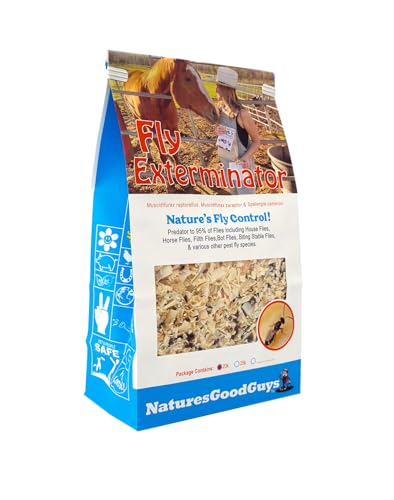
NaturesGoodGuys Fly Exterminators (20000)

NaturesGoodGuys Fly Exterminators (10000)

Glovv Outdoor Hanging Fly Traps, 6 Pre-Baited Bags

PT Alpine Pressurized Fly Bait with Gloves
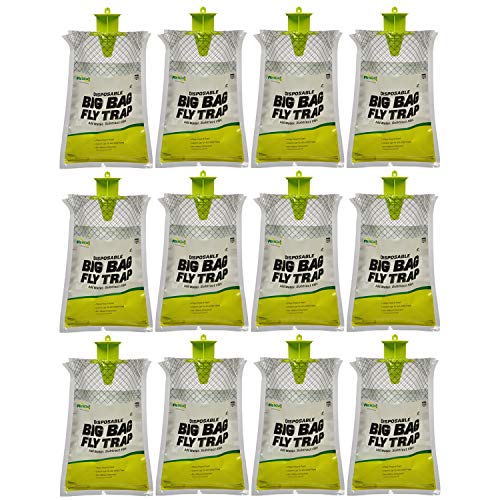
RESCUE! Big Bag Fly Trap, 12 Traps
CHEER UPs Indoor Timed Fly Trap

Waterbury Country Vet Flying Insect System
More Details On Our Top Picks
This is biological pest control in its purest form: a shipment of fly predator pupae that hatch into tiny parasitic wasps which attack fly larvae before they ever become adults. The 20000-count pack covers serious acreage, making it the go-to option for anyone managing manure piles, paddocks, or compost-heavy properties.
The pupae look unchanged after hatching, so patience matters here. Once movement appears inside the pouches, release them right away near breeding sites. Eggs need roughly one to two weeks at 70 degrees Fahrenheit or warmer before hatching, so plan your first release early in the season.
Strong Points
- Targets larvae underground, breaking the breeding cycle instead of chasing adults
- Safe around people, pets, birds, and helpful garden insects
- Release pouches come included, so setup takes minutes
- Monthly releases through warm months keep pressure steady
Things To Consider
- Results build gradually over several weeks rather than overnight
- Cold weather slows hatching considerably, timing is everything
Key Specs
Who It Suits Best
Ranchers, stable owners, and homesteaders dealing with recurring fly breeding grounds will get the most from this pack.
A Better Fit Elsewhere
Apartment dwellers fighting kitchen gnats should reach for the CHEER UPs Indoor Timed Fly Trap instead of an outdoor release program.
Same biology as the 20000-count version above, scaled down for smaller properties. The half-size shipment suits chicken keepers, small garden plots, and single-dog households with one compost bin rather than a full barnyard. You still get the included release pouches and the same harmless-to-everything-but-flies safety profile.
The honest read is that this count works well as a maintenance program once a heavier infestation has been knocked down, or as a starter plan on modest acreage. Hatch timing stays identical: expect a week or two of waiting in warm conditions before the winged predators emerge looking like tiny ants.
What We Like
- Right-sized quantity avoids overbuying for small yards
- Zero chemical exposure for kids playing outside
- Works alongside bag traps without conflict
Worth Noting
- Large farms may exhaust this count quickly during peak summer
- You must remember monthly reorders through the warm season
Made For
Backyard flock owners and suburban gardeners who want chemical-free prevention on a modest budget.
Where A Sibling Pick Shines
Anyone covering multiple acres or several animal pens should step up to the NaturesGoodGuys 20000-count pack for adequate coverage.
Pre-baited disposable bags remove the messiest part of trap ownership: mixing attractant. Hang one about twenty feet from your patio or entryway, add water if the design calls for it, and let the food-based bait do its work. The manufacturer rates each bag’s capacity in the tens of thousands of flies, which translates to a full season of service for most backyards.
The bait itself uses fish, egg, and bran, nothing synthetic, which matters in homes with curious dogs or toddlers. Placement is the whole game here. Too close to seating areas and you’ll draw flies toward your guests instead of away from them.
Bright Spots
- Six bags cover an entire outdoor season for typical lots
- Food-only bait formula keeps things pet-friendly
- Disposable design means zero cleaning or refilling
- High per-bag capacity handles heavy traffic areas
Small Caveats
- Activated bags develop a noticeable odor, distance placement is non-negotiable
- Full bags need proper disposal, gloves help
Feature Snapshot
Who Will Love This
Homeowners hosting frequent patio gatherings who want low-effort, set-and-hang relief.
Swap It Out When
Large-property owners needing maximum capacity per unit may prefer the RESCUE! Big Bag Fly Trap twelve-pack instead.
This is the professional-grade option in the lineup, and it behaves like one. The pressurized canister applies a baited residual treatment that keeps working for up to thirty days on non-porous surfaces, meaning walls, dumpster lids, and loading areas stay lethal to landing flies for a full month between applications.
Flexibility is the selling point. You can treat broad areas, narrow bands along walls, or targeted spots wherever flies congregate, which makes it equally useful in a residential garage or a restaurant back dock. The bundled protective gloves acknowledge what the label already implies: this is a chemical product, and careful handling isn’t optional.
Reasons To Buy
- Thirty-day residual life slashes reapplication frequency
- Three application modes suit almost any layout
- Attractant draws flies to treated zones actively
- Gloves included for safer first use
Points To Note
- Requires reading and following label directions closely
- Not intended for surfaces near food prep or pet areas
- One can covers a defined area, big facilities need multiples
Details At A Glance
Best Suited To
Property managers, restaurant operators, and farm owners comfortable applying labeled insecticide products responsibly.
Consider Something Else When
Households avoiding chemicals entirely will find the NaturesGoodGuys predator releases a far better match for their values.
A long-standing name in outdoor trapping, RESCUE! built this bag for genuinely severe problems. Each trap holds up to forty thousand flies, and the twelve-pack turns a horse property or lakeside yard from unbearable to manageable over a single summer. Activation is simple: expose the entrance cap, add water, hang it far from living space.
That last instruction deserves emphasis. Once wet, the attractant produces a strong smell, which is exactly why the brand insists on twenty feet of separation from doors and windows. Owners commonly report dramatic bag fill within days in high-pressure environments like stables, so expect visible results fast.
Highlights
- Massive per-trap capacity suits heavy infestations
- Fast-acting scent lure starts working immediately
- Twelve-pack spreads across multiple problem zones
- Manufactured in the USA by a category veteran
- Water activation takes under two minutes
Softer Spots
- Odor once activated rules out covered patios and porches
- Disposing of full bags is unpleasant, plan for it
Quick Facts
Whose Shelf It Belongs On
Stable managers, rural homeowners, and anyone facing a fly population that lighter traps can’t dent.
Not Your Match When
Suburban patio users wanting subtler coverage will find the Glovv six-bag set easier to place discreetly.
Indoor fly problems call for a different tool entirely, and this unit combines two capture methods in one white housing. Ultraviolet LEDs emit light in the 365-395 nanometer range, wavelengths flying insects find strongly attractive, while a suction fan pulls them onto a replaceable sticky sheet. No zapping noise, no scattered debris.
The timed operation means it can run on a schedule rather than around the clock, useful in bedrooms or nurseries where continuous light would be unwelcome. Fruit fly seasons around the kitchen sink are where owners report the most satisfaction, since gnats and small flies respond readily to the light-plus-airflow combination.
Plus Points
- Dual capture system catches flies, fruit flies, and gnats
- Sticky sheets make cleanup hygienic and simple
- Timer function fits nighttime routines
- Quiet operation suits kitchens and living rooms
Room For Improvement
- Sticky refills are ongoing consumables to budget for
- Works best in dimmer rooms, bright daylight reduces draw
Right Fit For
Apartment residents and home cooks battling recurring fruit fly and gnat activity indoors.
Reach For A Different Pick When
Outdoor breeding sources are your real issue, and the Waterbury Country Vet system or a hanging bag trap addresses those better.
Think of this as a smoke detector for flying pests, except it dispenses measured bursts of insecticide instead of sound. The updated slimmer dispenser meters automatically around the clock, targeting gnats and small flying moths in enclosed spaces like tack rooms, garages, and utility sheds. One spray canister comes in the box.
The appeal is pure convenience. Mount it, switch it on, and forget it exists until the canister runs dry. That hands-off quality explains its popularity in barn settings where nobody wants another daily chore. Just confirm the space is appropriate for aerosol dispensing and keep it away from occupied living quarters.
Standout Traits
- Automatic 24-hour metering needs zero daily attention
- Newer dispenser body mounts more cleanly than older versions
- Canister included, ready to run on day one
Honest Caveats
- Replacement canisters are a recurring cost to plan around
- Enclosed-space use only, unsuitable near open living areas
Core Details
Who Should Grab It
Barn, garage, and workshop owners wanting continuous background protection with no daily effort.
Another Choice May Suit
Kitchen-focused users should pick the CHEER UPs indoor trap, which captures insects physically rather than dispersing spray.
What Matters Most Before Choosing Fly Controls
Match The Tool To The Breeding Source
Adult flies are a symptom. The real population lives in manure, rotting produce, standing organic matter, or damp drains. Predator releases like the NaturesGoodGuys packs attack that source directly, while traps and baits intercept adults after they’ve emerged. Properties with livestock benefit most from source control paired with a trap line of defense.
Weigh Chemistry Against Biology
Chemical residuals such as PT Alpine deliver speed and thirty-day staying power, but they demand careful handling and placement away from food and pets. Biological options trade immediacy for safety and sustainability. Neither approach is wrong; mixing them thoughtfully often beats committing to one.
Factor In Ongoing Costs And Effort
Every method here carries a consumable component: replacement canisters, sticky sheets, fresh bait bags, or monthly predator shipments. Estimate a full season’s worth before choosing, because a cheap starter purchase that needs constant restocking can cost more than a bulk pack bought once.
Key Considerations Across These Picks
Where Shoppers Go Wrong
The classic error is placing scented traps too close to doors, decks, or windows, which pulls flies toward your living space instead of away. Another common slip is expecting overnight results from biological controls, then abandoning a program that needed three more weeks to show its value.
When Paying More Pays Off
Higher-capacity options earn their price in heavy-pressure environments. A stable owner burning through small traps weekly will spend less over a season with the RESCUE! Big Bag twelve-pack or a 30-day residual bait than with repeated small purchases. Light infestations rarely justify the upgrade.
Closing Thoughts
Fly control in 2026 offers something for every situation, from living predators to automated dispensers. Start by identifying where your flies breed, choose the tool that matches that source, and give any program a fair few weeks to prove itself. The right pick on this list depends less on the product and more on honest assessment of your own property and routine.
