

A miniature dachshund puppy has a stomach the size of a shot glass and a growth schedule that doesn’t forgive sloppy nutrition. Feed the wrong kibble and you get loose stools, picky refusal, or a long-backed body packing on weight it was never built to carry. The seven foods below are sized, textured, and formulated for extra-small breeds in their first year, so you can match a bag to your pup’s actual needs instead of guessing.
The Shortlist At A Glance

Wellness CORE Small Breed Puppy Turkey & Salmon Recipe

NutriSource Small & Medium Breed Puppy Dry Dog Food
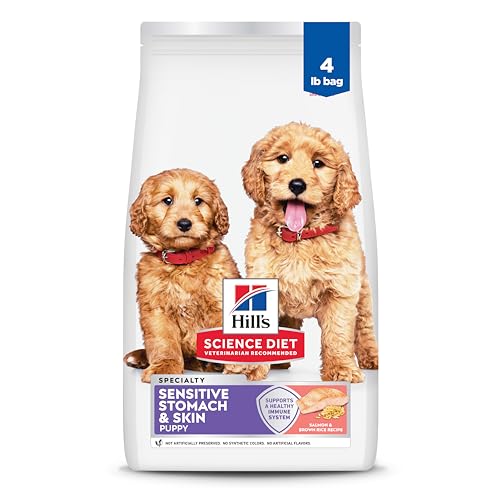
Hill’s Science Diet Puppy Sensitive Stomach & Skin
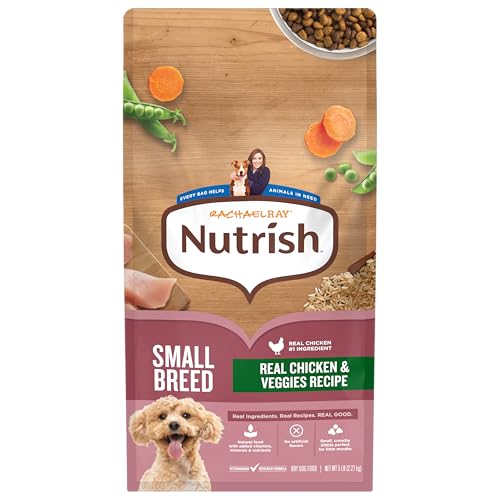
Nutrish Small Breed Dry Dog Food with Chicken, 5 lb. Bag

Hill’s Science Diet Puppy Dry Dog Food

Royal Canin X-Small Puppy Thin Slices in Gravy, 3 oz (Pack of 12)
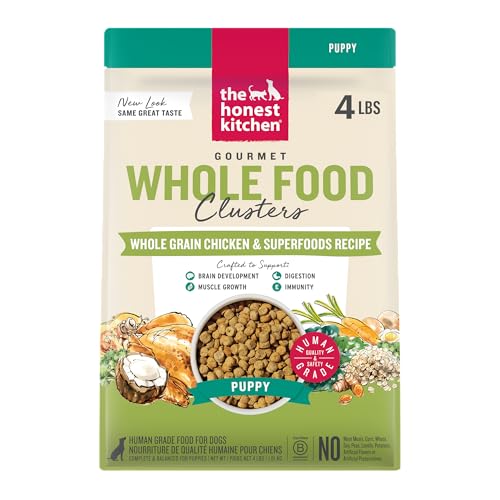
The Honest Kitchen Puppy Whole Food Clusters, Chicken, 4 lb Bag
More Details On Our Top Picks
A miniature dachshund burns through calories fast during its first year, and this recipe leans into that with a meat-heavy philosophy: 53% of the formula comes from quality protein sources, led by responsibly sourced turkey. The kibble runs small, which matters when your dog’s mouth is barely bigger than a tablespoon.
Compared with the plainer Hill’s staple further down this list, Wellness packs more protein per bowl and skips grains entirely. Owners of active puppies tend to report steady energy and solid stools on it, though grain-free isn’t automatically better for every dog.
Strong Points
- Guaranteed DHA levels support brain development during the critical early months
- Calcium and phosphorus ratios back healthy bone growth, a real concern for long-backed breeds
- Added probiotics help keep digestion predictable during food transitions
- No corn, wheat, soy, poultry by-products, artificial colors, or preservatives
- Antioxidants give the developing immune system extra backup
Things To Consider
- The 4 lb bag goes quickly with a growing puppy, so budget for repeat orders or size up
- Grain-free formulas don’t suit every dog, so a quick chat with your vet is worth the five minutes
Key Specs
Who It Suits Best
Owners who want a protein-forward, filler-free diet for an energetic miniature dachshund through its first birthday.
Where A Sibling Pick Shines
Puppies with touchy digestion usually do better on the Hill’s Science Diet Sensitive Stomach & Skin recipe below, which trades some protein density for gentler fiber.
Where Wellness chases protein density, NutriSource spreads its attention across three fronts at once: muscle, gut, and heart. Chicken meal leads the ingredient list, which means concentrated amino acids in every scoop rather than water-weighted fresh meat.
The heart-support angle is what separates it here. Added L-carnitine, taurine, choline chloride, and DL-methionine back cardiovascular development, something few puppy foods call out explicitly. For a breed already prone to structural quirks, that layered support reads as sensible insurance in our view.
Highlights
- Chicken meal as the first ingredient delivers dense amino acids for muscle growth
- Prebiotics and probiotics work together to settle young digestive systems
- Heart-focused nutrients like taurine and L-carnitine are rarely bundled at this level
- Omega fatty acids round out skin and coat condition
Worth Noting
- This listing is fulfilled by a third-party seller, so check the seller details before ordering
- The 4 lb size means frequent reordering once your pup hits peak appetite around four to six months
Made For
Owners who want one food covering digestion, heart, and coat without paying premium-boutique prices.
Consider Something Else When
If your priority is maximum protein and minimal fillers, the Wellness CORE recipe at number one fits that brief more directly.
Some puppies simply have temperamental guts, and dachshunds seem to produce more than their share of them. This Hill’s variant exists for exactly that dog: a highly digestible base with prebiotic fiber designed to be gentle while still pulling full nutrition from every bite.
The skin angle earns its place too. Vitamin E plus omega-3 and omega-6 fatty acids support coat health, which you’ll notice within weeks as less scratching around the ears and belly. Unlike the standard Hill’s puppy formula later in this roundup, this one targets two problems at once instead of general growth alone.
Upsides
- Prebiotic fiber aids nutrient absorption without stressing a young stomach
- Omega fatty acids and vitamin E visibly improve coat softness over time
- Clinically proven antioxidants, vitamins C and E, reinforce immune defenses
- DHA supports brain development alongside quality protein for muscles
Minor Gripes
- Owners commonly report a transition period of several days before stools fully normalize
- Available in 4 lb and 13 lb bags only, so mid-size households may find both sizes awkward
Feature Snapshot
Right Fit For
Puppies dealing with loose stools, gassiness, or constant scratching whose owners want a science-backed fix.
Swap It Out When
A puppy with no digestive complaints gets more value from the standard Hill’s Science Diet Puppy formula at number five.
Here’s the honest read up front: this is an adult small-breed formula, not a puppy-specific one, so it belongs late in the growth curve or as a value option your vet signs off on. What it does well is simplicity. Real chicken sits at number one on the ingredient list, and the recipe skips artificial flavors entirely.
The kibble pieces run small and crunchy, which suits little mouths and tends to win over fussy eaters. Each purchase also channels support to animals in need through The Rachael Ray Foundation, a detail that matters to some households more than others.
Bright Spots
- Real chicken as the leading ingredient keeps protein recognizable and simple
- Small crunchy kibble suits tiny jaws and slow chewers alike
- Veterinarian-reviewed recipe backed by a dedicated nutrition team
- No artificial flavors, just added vitamins and minerals for daily balance
Softer Spots
- Formulated for adult dogs, so it lacks the DHA and calcium profile a young puppy needs
- Some owners report the aroma divides opinion among pickier eaters
- You’ll likely transition off it once growth demands shift again
Whose Shelf It Belongs On
Budget-minded homes feeding an almost-grown miniature dachshund, ideally with veterinary approval.
Another Choice May Suit
For a pup still under ten months old, the Royal Canin X-Small wet food below matches developmental needs far more closely.
Not every puppy needs a specialty formula, and this is the dependable baseline most vets reach for first. The chicken and brown rice recipe covers the fundamentals: balanced minerals for bone growth, quality protein for muscle, and a flavor profile that rarely triggers refusal.
Bag choice is where it quietly wins. Sizes span from a 4 lb trial bag all the way to 25 lb, so you can start small and scale up once you know your dachshund tolerates it. A lamb meal and brown rice variant exists too, handy for chicken-sensitive pups.
Reasons To Buy
- Two flavor routes, chicken and lamb meal, cover most taste preferences and sensitivities
- Wide size range from 4 lb to 25 lb lets you buy exactly what your household uses
- ActivBiome+ prebiotic fiber blend supports the gut microbiome during growth
- Decades-long reputation makes vet conversations straightforward
Points To Note
- Contains grains, which rules it out for owners committed to grain-free feeding
- Less protein-dense than the Wellness CORE option earlier in this list
At A Glance
Who Will Love This
First-time puppy owners who want a trusted, widely recommended food without specialty-formula complexity.
Reach For A Different Pick When
Ingredient purists will prefer The Honest Kitchen clusters below, where every component is human grade and visible in the bowl.
Royal Canin builds this one for a very specific window: puppies aged 2 to 10 months expected to top out at 8 lb or less, which describes a miniature dachshund almost perfectly. The thin slices in gravy go down easy for tiny, newly weaned jaws still figuring out chewing.
Wet food also solves a hydration problem many dry-only feeders overlook. Pairing these trays with a dry kibble like the Wellness CORE above is a common pattern among small-breed owners, and the portion-controlled trays make mixing simple.
Plus Points
- Soft thin-slice texture suits puppies transitioning off mother’s milk
- Prebiotics and highly digestible proteins promote balanced gut bacteria
- DHA enrichment backs brain development through month ten
- Antioxidant vitamins E and C support immune system maturation
- Single-serve trays remove measuring guesswork entirely
Small Caveats
- Trays generate more packaging waste and cost per calorie than dry kibble
- Opened portions need refrigeration, so plan meals around your schedule
Quick Facts
Best Suited To
Very young or weaning-age miniature dachshunds, especially reluctant eaters who turn their nose up at dry kibble.
Look Elsewhere When
Once your pup clears ten months, a dry formula such as the Hill’s Science Diet standard puppy recipe takes over more economically.
This is the splurge tier of the list, and the price shows in the bowl. The clusters are roasted, human-grade bites made with cage-free chicken, developed alongside a veterinary nutritionist as the brand’s first dry offering in that category. You can genuinely see carrot and broccoli flecks in each cluster.
For a breed where every calorie counts double, ingredient transparency carries real weight. The superfood additions read like a salad bar: pumpkin and apples with live probiotics for digestion, carrots, broccoli, and kale for antioxidant coverage.
Standout Traits
- Human-grade, vet-crafted recipe with cage-free chicken as the anchor protein
- DHA from quality fish oil supports brain and eye development in the critical window
- Pumpkin, apples, and live probiotics keep digestion running smoothly
- Whole-food antioxidants from carrots, broccoli, and kale bolster immunity
Honest Caveats
- Cost per pound runs well above conventional kibble, and the 4 lb bag disappears fast
- The roasted clusters are softer than standard kibble, which some owners say reduces the dental-scraping benefit
Core Details
Perfect Match For
Owners who treat their dachshund’s diet like their own and don’t mind paying for whole-food sourcing.
Skip It When
Households watching monthly food spend will find the same DHA and probiotic backbone in the NutriSource formula at number two for considerably less.
What Matters Most Before Choosing Foods For Miniature Dachshund Puppy
Kibble Size And Texture Come First
A miniature dachshund’s jaw is tiny, and oversized kibble turns dinner into a chore. Look for small-bite or x-small formulations, and consider soft wet food during the weaning-to-kibble handoff. Texture also affects pace; smaller pieces slow gulping, which reduces the bloat risk small breeds carry.
Growth Nutrients Over Marketing Buzz
DHA, calcium, phosphorus, and quality protein matter more than trendy labels. DHA shapes brain and eye development, while balanced minerals protect bone formation, a genuine concern for a long-backed breed. Check the guaranteed analysis rather than the front of the bag.
Digestion Tells You Everything
Loose stools, gas, or constant scratching usually point to a formula mismatch. Prebiotic fibers and probiotics ease transitions, and switching foods gradually over a week prevents most upset. Coat shine and stool firmness are your two best progress indicators.
Match The Food To The Life Stage
Puppy formulas carry different mineral and calorie profiles than adult recipes, and feeding adult food too early shortchanges development. Plan on puppy-specific nutrition until roughly twelve months, then reassess with your vet.
Key Considerations Across These Picks
Wrong Turns To Avoid
The most common slip is buying adult small-breed food for a young puppy because the kibble looks similar. Another is switching brands overnight after one loose stool; gradual transitions solve most digestive noise. Skipping the bag-size math hurts too, since giant bags of specialty food can lose freshness before a tiny dog finishes them.
The Case For Spending Up
Higher-tier foods concentrate their cost in named proteins, DHA sourcing, and probiotic blends rather than filler. That difference shows up as firmer stools, shinier coats, and fewer vet visits for digestive complaints. For a breed with structural sensitivities, the premium often pays for itself in avoided problems.
Closing Thoughts
Your miniature dachshund will tell you within a fortnight whether a food works: watch the stool, the coat, and the bowl enthusiasm. Start with a small bag, transition slowly, and let your vet weigh in on anything unusual. One of these seven should fit your pup and your budget comfortably.
