

A miniature poodle puppy eats a lot of meals relative to its body size, so every bowl counts more than it would for a larger dog. The wrong kibble can mean loose stools, tear stains on that curly white coat, or a fussy pup who turns up their nose at dinner. This shortlist covers dry and wet options built for tiny jaws and fast metabolisms, from budget-friendly pouches to premium fish-based formulas. Each pick below is matched to a specific situation, whether you’re house-training a new arrival or managing a sensitive stomach.
The Shortlist At A Glance

NutriSource Small & Medium Breed Puppy Dry Dog Food, 4 lb
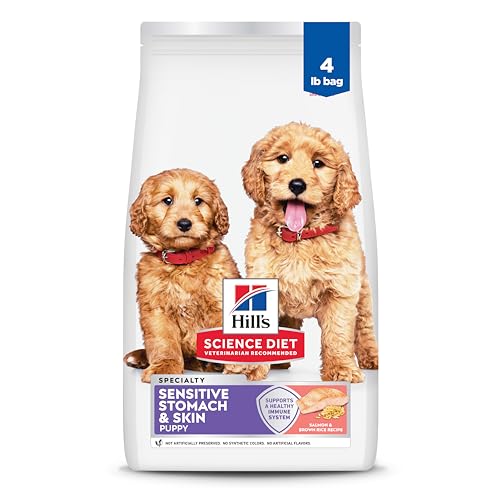
Hill’s Science Diet Puppy Sensitive Stomach & Skin Dry Dog Food

Hill’s Science Diet Puppy Dry Dog Food

Nature’s Protection Superior Care Puppy Dry Food, White Fish 3.3lb

Open Farm Ancient Grains Dry Puppy Food, Chicken & Salmon Kibble, 4lb Bag

Royal Canin X-Small Puppy Thin Slices in Gravy Dog Food
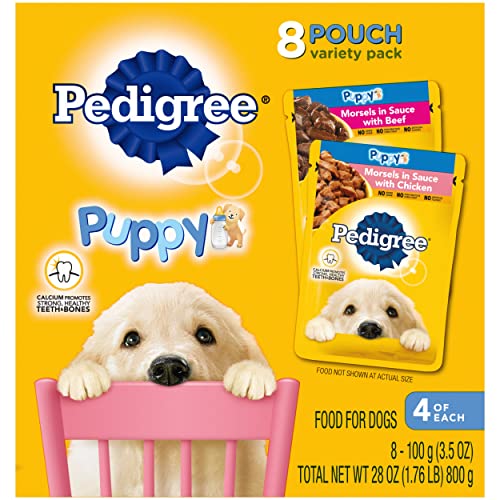
Pedigree Puppy Soft Wet Dog Food 8-Count Variety Pack
More Details On Our Top Picks
NutriSource builds this recipe around chicken meal as the leading ingredient, which means concentrated protein rather than water-heavy meat. That matters for a miniature poodle puppy burning through calories during growth spurts and those famous zoomies around the living room.
The brand also adds L-carnitine, taurine, choline chloride, and DL-methionine, nutrients associated with cardiovascular development in small breeds. The 4 lb bag suits apartment dwellers who lack pantry space for bulk bags.
Strong Points
- Chicken meal leads the ingredient list, delivering dense amino acids for muscle growth
- Prebiotics and probiotics support digestion, which helps during stressful transitions like moving to a new home
- Heart-focused nutrient additions give extra peace of mind for a small breed
- Compact 4 lb bag stays fresh before your pup outgrows puppy food
Worth Noting
- The smaller bag means more frequent reordering compared to the 12.5 lb Hill’s option later in this list
- Owners of extremely picky eaters sometimes report a slow transition period when switching brands
Who It Suits Best
First-time poodle owners who want a straightforward, protein-forward kibble without navigating specialty formulas.
Where Another Pick Suits Better
Puppies with recurring loose stools will likely do better on the Hill’s Science Diet Sensitive Stomach & Skin recipe at number two.
Some puppies simply have touchy digestion, and this Hill’s formula exists for exactly that pup. It targets three systems at once: stomach, skin, and immunity, which is a sensible trio since they tend to struggle together in young dogs.
Prebiotic fiber feeds beneficial gut bacteria, improving how well your puppy absorbs nutrients from each meal. Vitamin E alongside omega-3 and omega-6 fatty acids supports skin and coat, useful for a breed whose curls show dryness quickly.
Bright Spots
- Gentle, highly digestible base reduces the chance of post-meal tummy trouble
- DHA supports brain development during the critical early months
- Clinically studied antioxidants, vitamins C and E, back immune health
- Available in both 4 lb and 13 lb bags depending on your storage space
Trade Offs
- Fish-forward recipes aren’t every puppy’s favorite flavor, so expect a possible adjustment week
- Specialty formulas typically cost more per pound than standard puppy blends
At A Glance
Right Fit For
Owners dealing with occasional digestive upsets or dull coats who want one formula addressing both issues.
Look Elsewhere When
Your puppy has no sensitivities at all; the standard Hill’s Science Diet Puppy recipe at number three costs less and covers the basics well.
This is the mainstream sibling of the sensitive-stomach version above, offered in chicken and brown rice or lamb and brown rice. Having two flavors under one trusted label makes rotation easy without switching brands mid-growth.
The lamb recipe leans on a prebiotic fiber blend designed to support the gut microbiome, the community of bacteria that influences digestion and overall vitality. Bag sizes run from 4 lb all the way to 25 lb, so multi-dog households can stock up.
Reasons To Buy
- Two protein flavors let you match your puppy’s preference or rotate for interest
- Five bag sizes cover everything from trial runs to long-term supply
- Prebiotic fiber blend supports gut balance during weaning and beyond
Minor Gripes
- Larger 25 lb bags can go stale in humid kitchens unless stored in an airtight container
- No specialized skin or stomach targeting, unlike the number two pick
Quick Facts
Best Suited To
Shoppers who want dependable, widely recommended puppy nutrition without paying for specialty features they don’t need.
A Better Fit Elsewhere
Grain-sensitive pups may fare better on the grain-free Nature’s Protection white fish formula coming up next.
White-coated poodles come with a cosmetic headache: reddish tear stains around the eyes and yellowing near the mouth and paws. This EU-made formula was designed specifically to reduce that staining while feeding a growing small breed.
White fish sits first on the ingredient list, a lean protein that suits dogs prone to itching or reactions to common meats. The recipe skips gluten, wheat, pork, and beef entirely, narrowing the list of likely irritants.
Upsides
- Targets tear stains and coat yellowing, a real pain point for light-colored coats
- Single-protein white fish base suits itching-prone or selective eaters
- Calcium and DHA cover bone and brain development through months three to twelve
- Small 3.3 lb bag keeps kibble fresh with minimal storage fuss
Softer Spots
- Fish odor is noticeable, and some owners report initial reluctance from beef-raised pups
- The 22 lb bulk option may be overkill for a single miniature poodle’s first year
Feature Snapshot
Whose Shelf It Belongs On
Owners of apricot, white, or cream poodles fighting constant tear-stain wiping sessions.
Swap It Out When
You prefer familiar poultry flavors; the Open Farm chicken and salmon kibble at number five offers a gentler transition.
Open Farm occupies the ingredient-transparency corner of the market, pairing humanely raised chicken with wild-caught salmon. The ancient grains line includes oats and quinoa, old-school grains that digest easily and bring fiber, vitamins, and minerals along.
Non-GMO fruits, vegetables, and superfoods round out the recipe, giving you a label you can read without a chemistry degree. Four recipe variants exist across grain-inclusive and grain-free lines, so there’s room to adjust as your puppy matures.
Plus Points
- Dual animal proteins deliver a rich amino acid profile for growth
- Oats and quinoa offer gentler carbohydrates than corn-heavy budget kibbles
- Transparent sourcing appeals to shoppers who read every label
- Both grain-free and grain-inclusive versions available within the same brand
Honest Caveats
- Premium sourcing usually translates to a higher cost per pound than the Pedigree pouches at number seven
- Four recipe variants can make first-time ordering confusing; double-check the variant before checkout
Who Will Love This
Ingredient-conscious owners willing to pay more for ethical sourcing and a short, readable list.
Reach For A Different Pick When
Budget is the priority; the Pedigree variety pack covers complete nutrition at a friendlier price point.
Miniature poodles sit right at the edge of Royal Canin’s x-small category, which targets puppies expected to stay under 8 lb as adults. Smaller toys benefit most here, though many mini owners use it during the earliest weeks when tiny jaws struggle with hard kibble.
The thin slices in gravy texture solves a real problem: very young puppies often can’t crunch dry food comfortably. Prebiotics and highly digestible proteins keep stools firm, something you’ll appreciate during house training.
Highlights
- Soft slices in gravy suit puppies still learning to chew
- DHA enrichment backs brain development through month ten
- Antioxidants, including vitamins E and C, support immune maturation
- Prebiotics promote balanced gut bacteria and easier cleanup
Points To Note
- Wet food spoils faster once opened; refrigerate leftovers and use within a day or two
- Per-ounce cost runs higher than dry alternatives, so many owners use it as a topper instead of a sole meal
Key Specs
Perfect Match For
Owners of teacup-size or very young puppies who need a soft, complete meal during the first months home.
Where A Sibling Pick Shines
Once chewing strength develops, the NutriSource dry kibble at number one becomes the more economical daily driver.
Not every household needs a premium formula, and this Pedigree variety pack proves it. You get morsels in sauce with both chicken and beef in one box, letting a fussy puppy choose a favorite without committing to a full case of one flavor.
Each pouch delivers complete, balanced nutrition with DHA for brain development and calcium for growing teeth and bones. There’s no added sugar, high fructose corn syrup, or artificial flavors, which is respectable at this tier.
What We Like
- Two proteins in one pack keep mealtime interesting for picky eaters
- Works three ways: standalone meal, kibble topper, or mixer
- Individual 3.5 oz pouches portion cleanly with no can opener required
- Produced in facilities committed to zero waste to landfill
Things To Consider
- Ingredient quality sits a tier below the Open Farm and Royal Canin options earlier in this list
- Soft pouches create more packaging waste than a single large dry-food bag
Core Details
Built With In Mind
Budget-minded owners using wet food as a flavor boost over a quality dry kibble rather than a standalone diet.
Skip It When
You want a single-premium-protein diet; the Nature’s Protection white fish formula handles that far better.
Choosing Foods For A Miniature Poodle Puppy Without Guesswork
Kibble Size And Texture Come First
Miniature poodles land between toy and standard, so jaw size varies quite a bit within the breed. Very young pups often manage soft wet food or small kibble more comfortably than large crunchy pieces. Watch how your puppy eats during the first week; hesitation or gulping tells you the format needs adjusting.
Match The Formula To Actual Symptoms
A sensitive stomach shows up as loose stools, gas, or inconsistent appetite, not as a vague feeling. Skin trouble appears as scratching, flaking, or tear staining. Buy the specialty formula that matches the symptom you actually see, and stick with a plain, well-balanced recipe otherwise. Switching foods constantly does more harm than settling on one decent option.
Growth Nutrients Carry Real Weight
DHA supports brain development, calcium builds bones, and quality protein fuels muscle through the first year. These aren’t marketing garnish; they map directly onto what a growing puppy’s body is doing. Any pick on this list covers them, but check the guaranteed analysis whenever you shop elsewhere.
Smart Habits Across These Choices
Traps First Timers Fall Into
The biggest mistake is changing foods every time a stool looks off. Puppies need seven to ten days to adjust to any new diet, so transition gradually by mixing increasing amounts of the new food into the old. Skipping that ramp-up causes the very stomach upset you were trying to avoid.
Where The Extra Money Goes
Premium formulas spend more on named protein sources, digestibility research, and targeted additives like prebiotics or stain-control nutrients. That spending pays off for puppies with visible symptoms or owners who value traceable sourcing. For a healthy pup thriving on a basic recipe, the upgrade buys comfort, not necessity.
Closing Thoughts
Feeding a miniature poodle puppy comes down to matching the formula to your pup’s actual needs: soft textures early on, sensitive-stomach blends for touchy digestion, and stain-control recipes for light coats. Start with one pick from this list, transition slowly over a week, and give the food time to prove itself. Your vet remains the best resource for breed-specific questions, and a steady routine will do more for that curly coat than any single bag ever could.
