

Rottweiler puppies grow fast, and that growth puts real demands on their food. The wrong formula can mean loose stools, sluggish energy, or joints and muscles that develop without proper support. This shortlist covers calorie-dense kibble for muscle building, breed-specific nutrition from Royal Canin, a chicken-free option for sensitive pups, and even training treats to round out your routine.
The Shortlist At A Glance

Bully Max Pro 2X High Calorie Dry Dog Food, Chicken, 4lb

Bully Max 25/11 High Protein Low Fat Lamb Dog Food, 5lb

Bully Max Wet Puppy Food, Dehydrated Chicken Formula

Blue Buffalo Wilderness Chicken & Wholesome Grains Puppy Food 4.5lb
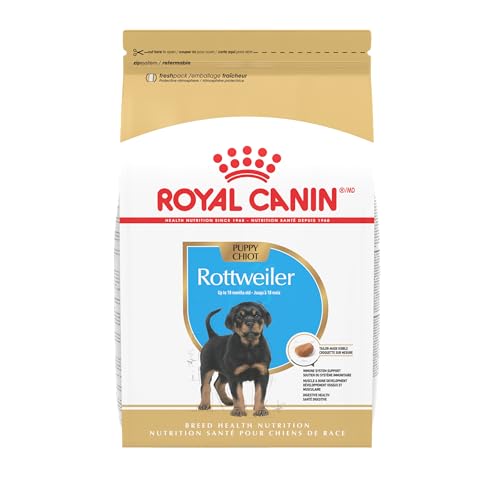
Royal Canin Rottweiler Puppy Dry Dog Food, 30 lb Bag
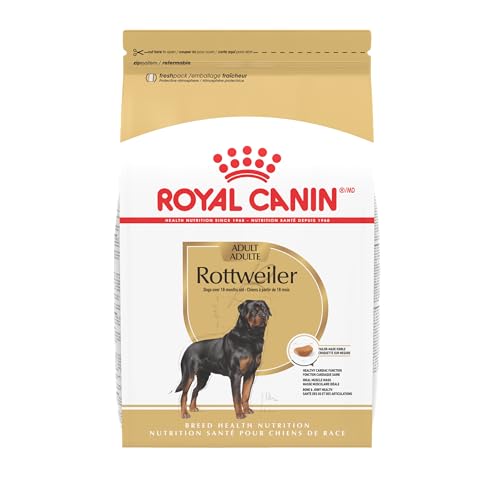
Royal Canin Rottweiler Adult Dry Dog Food, 30 lb Bag
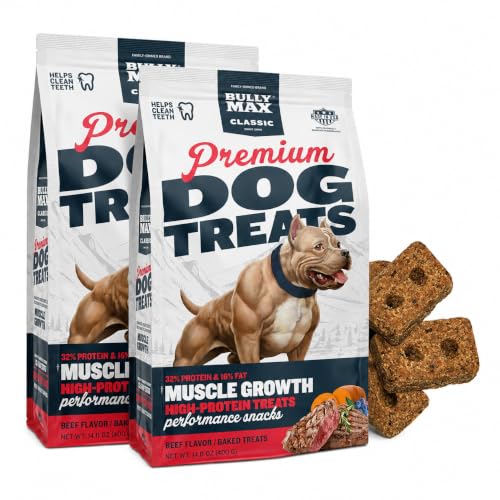
Bully Max Premium High Protein Dog Treats, Beef, 2 Pack
More Details On Our Top Picks
A Rottweiler pup in a heavy growth phase burns through calories like a furnace, and this is where Bully Max’s Pro 2X earns its reputation. At 600 calories per cup, it packs roughly double the density of standard puppy kibble, so a growing dog gets serious fuel without an oversized stomach load.
The slow-cooked chicken recipe carries 31% protein and 25% fat, numbers aimed squarely at weight gain and muscle development. Owners of lean or picky large-breed pups commonly report steady gains on smaller portions, which also stretches a bag further than you’d expect.
Strong Points
- 600 calories per cup means fewer, smaller meals still deliver full daily energy needs
- 31% protein supports visible muscle development during rapid growth phases
- Flaxseed adds omega fatty acids that show up as coat shine within weeks for many dogs
- Works for both puppies and adults, so one bag covers a multi-dog household
Things To Consider
- Calorie density cuts both ways: portion control matters, since overfeeding an already-chunky pup happens fast
- The high fat level may be too rich for dogs with sensitive digestion during transition weeks
Key Specs
Built With In Mind
Suits owners of underweight or slow-to-fill Rottie pups who need dense, protein-forward nutrition without juggling multiple formulas.
Swap It Out When
Chicken sensitivities are a concern; the Bully Max 25/11 lamb recipe below removes poultry entirely while keeping protein high.
Where the Pro 2X above chases raw calories, this lamb recipe takes the opposite route: keep protein high, trim fat hard. The 25/11 split delivers 25% protein against just 11% fat, a profile built for dogs that need lean condition rather than bulk.
It’s also completely chicken-free, which matters more than most people realize. Poultry is one of the most common canine food sensitivities, and owners dealing with itchy skin or recurring ear issues often see improvement after switching proteins. The larger kibble size suits a Rottie’s broad jaw too.
Upsides
- Low fat content helps manage weight while preserving existing muscle mass
- Lamb-first recipe sidesteps common poultry allergies altogether
- Large kibble pieces encourage slower chewing, which aids digestion in deep-chested breeds
- Suitable across all life stages, simplifying feeding in mixed-age homes
Small Caveats
- At 11% fat, genuinely underweight pups may not gain quickly enough on this alone
- Lamb formulas tend to cost more per pound than chicken-based equivalents
Who Should Grab It
Fits owners managing a stocky adult-leaning adolescent or any Rottie showing signs of poultry intolerance.
Where A Sibling Pick Shines
Growth-focused feeding calls for the Bully Max Pro 2X instead, whose higher fat and calorie levels better suit putting weight on.
Young puppies fresh off weaning sometimes struggle with hard kibble, and that’s the gap this dehydrated formula fills. Add water and it softens into a wet-style meal, no cans to store or refrigerate once opened.
The math works in your favor too: four pounds of dry product rehydrates into roughly eleven pounds of finished food. Storage is another quiet win, since the sealed dry format keeps far longer than canned alternatives and won’t spoil overnight if a meal goes unfinished.
Bright Spots
- Hydrates into soft food in minutes, ideal for teething pups and small jaws
- High-protein chicken base supports early muscle and coat development
- Dry storage format avoids the mess and waste of opened cans
- One bag yields over twice its weight in prepared meals
Worth Noting
- You’ll need to plan ahead slightly, since each serving requires mixing time rather than scoop-and-serve
- As a standalone diet it’s pricier per prepared pound than standard kibble
Quick Facts
Made For
Owners transitioning newly weaned Rottie pups onto solid food, or coaxing appetite out of a reluctant eater.
Another Choice May Suit
Established eaters ready for crunch do better on the Royal Canin Rottweiler Puppy kibble, which costs less per serving long term.
Not every household wants a specialty formula, and Blue Buffalo’s Wilderness puppy recipe sits comfortably in the mainstream. Real chicken leads the ingredient list, wholesome grains provide steady carbohydrates, and the whole thing reads like a sensible all-rounder rather than a niche experiment.
Two details stand out for a developing Rottie. DHA supports cognitive development during those chaotic first months, and the brand’s antioxidant-rich LifeSource Bits add immune support alongside the high animal-protein base. In a busy home with kids and constant stimulation, that combination fits how puppies actually live.
What We Like
- Real chicken as the first ingredient keeps protein quality high
- DHA inclusion supports brain development through the learning-heavy puppy window
- Wholesome grains offer digestible energy without grain-free controversy
- Antioxidant blend adds everyday immune backing
Honest Caveats
- Some dogs pick around the darker LifeSource Bits, leaving uneven nutrition in the bowl
- Generic puppy formulation lacks the joint-specific support a giant breed benefits from
Details At A Glance
Right Fit For
Households wanting a widely available, straightforward puppy food without breed-specific pricing.
Reach For A Different Pick When
Your priority is Rottie-specific bone and joint support; the Royal Canin Rottweiler Puppy formula addresses that directly.
This is the only item here designed around one specific dog, and it shows. Royal Canin builds this formula for purebred Rottweilers between 8 weeks and 18 months, tuning protein, calcium, and phosphorus levels toward controlled skeletal growth rather than maximum speed.
That restraint matters in giant breeds. Growing too fast stresses developing joints, so measured mineral levels paired with L-carnitine for lean muscle give a Rottie pup the support structure without pushing it. The proprietary kibble shape, sized for a broad muzzle, encourages actual chewing instead of gulping.
Reasons To Buy
- Mineral balance targets healthy bone and joint development in a fast-growing frame
- Vitamin E antioxidant complex backs immune system maturation
- Prebiotics and quality proteins promote consistent stool quality, a real perk during house training
- Kibble geometry suits wide Rottie muzzles and slows down fast eaters
Softer Spots
- Breed-specific formulas carry a higher cost per pound than general puppy food
- Only makes sense for purebred Rottweilers; mixed breeds get less targeted value
Spec Overview
Who Will Love This
Purebred Rottie owners who want purpose-built nutrition through the full puppy stage and don’t mind paying for precision.
Not Your Match When
Budget matters most; the Blue Buffalo Wilderness puppy recipe delivers solid all-breed nutrition at a friendlier rate.
Puppyhood ends faster than expected with a Rottweiler, usually right around the 18-month mark. This is the natural next step after the Royal Canin puppy formula above, keeping the same breed-specific thinking but shifting priorities from growth to maintenance.
Adult Rotties carry real cardiac workload in a big body, so taurine alongside EPA and DHA fatty acids supports heart function over the long haul. Protein levels and L-carnitine work together to hold onto muscle mass, which matters for a working breed that prefers staying busy. The same distinctive kibble shape returns here, now tuned to slow down intake.
Plus Points
- Taurine, EPA, and DHA support cardiac health in a heavyweight breed
- Appropriate protein with L-carnitine helps maintain lean muscle mass
- Specialized kibble slows eating pace, easing digestion in deep-chested dogs
- Seamless nutritional handoff from the matching puppy formula
Points To Note
- Strictly for dogs 18 months and older, so it can’t serve a current puppy
- Large 30 lb bags demand decent storage space and a sealed container to stay fresh
Whose Shelf It Belongs On
Owners of mature purebred Rottweilers continuing the Royal Canin system into adulthood.
Consider Something Else When
Your dog still has growing to do; stay on the Royal Canin Rottweiler Puppy formula until at least 18 months.
A powerful breed demands solid training, and solid training runs on rewards. These beef treats pack 32% protein from real beef liver, with fruits, vegetables, and BCAAs (branched-chain amino acids, compounds tied to muscle recovery) folded in.
They pair naturally with the Bully Max kibbles earlier in this list, keeping your dog’s overall protein intake consistent. The two-pack format means you won’t run dry mid-session, and the treat size works for everything from a ten-week-old pup learning “sit” to a full-grown adult practicing recall.
Standout Traits
- 32% protein content makes every reward nutritionally useful, not empty calories
- Real beef liver delivers a scent strong enough to hold attention outdoors
- BCAAs complement the muscle-support theme of the matching foods
- Sized for both tiny puppy mouths and adult jaws
Minor Gripes
- Rich liver content means moderation; too many can unbalance daily calories
- Beef aroma some owners find strong when the bag first opens
Feature Snapshot
The Right Fit
Owners running frequent obedience or socialization sessions who want rewards that pull their nutritional weight.
Look Elsewhere When
Training is occasional rather than regular; ordinary biscuits cover casual rewarding at lower cost.
What Matters Most Before Choosing Foods For Rottweiler Puppy
Growth Rate Over Speed
Big breeds need controlled growth, not fast growth. Calcium and phosphorus levels should sit in balanced ranges, because excess minerals push skeletons to develop quicker than joints can handle. Look for formulas that mention measured mineral content rather than vague “strong bones” language.
Protein Quality And Source
A Rottie pup builds serious muscle mass, so animal protein should lead the ingredient list. Whole meats such as chicken or lamb beat unnamed meat meals. Poultry sensitivity is common in the breed, so note how your dog responds in the first few weeks.
Digestibility Signals
Deep-chested dogs often have touchy digestion. Prebiotics, named fat sources, and moderate fat levels generally produce firmer stools. A food that produces consistent output saves you cleanup time and signals good nutrient absorption.
Format And Practicality
Dehydrated options suit weaning stages, kibble suits established eaters, and treats fill the training gap. Match format to your dog’s current life stage rather than buying one bag for a year.
Key Considerations Across These Picks
Traps First Timers Fall Into
The classic error is overfeeding a calorie-dense food. High-calorie formulas like the Bully Max Pro 2X require strict portion measuring, or weight gain turns into joint strain. Another slip: switching foods abruptly. Transition over seven to ten days by blending old and new ratios gradually.
What Separates Premium From Basic
Higher-tier foods spend money on breed-specific research, named protein sources, and targeted additives like L-carnitine or DHA. That precision pays off most during the growth window and for purebred dogs. General all-breed recipes remain perfectly serviceable for mixed breeds or budget-focused households.
Closing Thoughts
Feeding a Rottweiler puppy well comes down to matching the formula to the moment: dense calories for catch-up growth, lean lamb for sensitive dogs, breed-specific support for purebreds, and protein-rich rewards for training. Start with your dog’s current stage and any known sensitivities, transition slowly, and adjust portions as the vet advises. One of these seven will fit your situation.
