

Itching, paw licking, ear flare-ups, loose stools. Sound familiar? Food sensitivities are one of the most common reasons dogs end up at the vet, and the fix often starts in the bowl. This roundup covers seven fresh and fresh-style options built around short ingredient lists, single proteins, and gentle cooking methods. Whether you want a ready-to-serve roll, a dehydrated mix, or a DIY kit with a nutrient blend, there’s a fit here for your dog’s specific triggers.
The Shortlist At A Glance

Whole Paws Chicken, Turkey and Salmon Dog Food 13.2 Ounce

Blue Buffalo Homestyle Recipe Wet Dog Food Variety Pack

JustFoodForDogs Nutrient Blend for Homemade Dog Food

Natural Balance Limited Ingredient Sweet Potato & Salmon 13 oz, 12 Pack
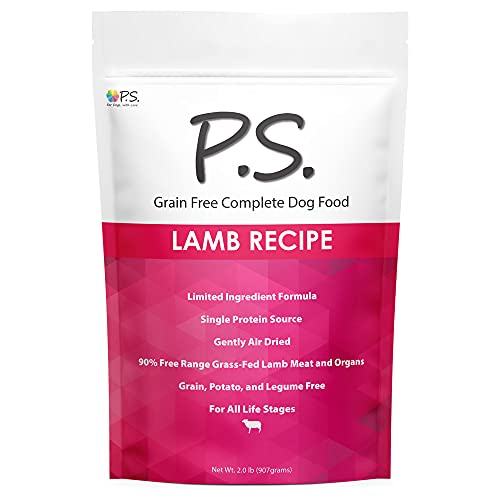
Ps for Dogs Hypoallergenic Air-Dried Lamb Dog Food

The Honest Kitchen Wholemade 6 Ingredient Grain Free Fish Recipe 10 lb Box

Freshpet Slice & Serve Roll Small Dog Grain Free Chicken & Turkey 1 lb
More Details On Our Top Picks
This house-brand wet food leans on three animal proteins, chicken, turkey, and salmon, so dogs reacting to beef or lamb have an easy alternative. The 13.2-ounce can suits medium and large dogs as a full meal, or splits into two servings for smaller mouths.
In a busy household, the multi-pack options matter more than the recipe itself. You can stock a single can, a three-pack, or bulk up to six, which keeps pantry rotation simple without committing to a case of something your dog might reject.
Strong Points
- Salmon adds omega fatty acids that support skin and coat condition over time
- No beef or lamb, two of the more common canine allergens
- Pack sizes from one to six cans let you trial before stocking up
- Single-can format means no leftovers spoiling in the fridge
Things To Consider
- Three proteins in one recipe complicates elimination diets where you need to isolate a single trigger
Key Specs
Who It Suits Best
Dogs with suspected beef or grain sensitivities whose owners want an affordable wet food without a long diagnostic process.
Where Another Pick Suits Better
Dogs mid-elimination trial do better on Natural Balance Limited Ingredient Sweet Potato & Salmon, which isolates one protein instead of three.
Where Whole Paws locks you into one flavor, Blue Buffalo sells this 12.5-ounce line as rotating variety packs: chicken and beef, chicken and lamb, chicken and turkey, or lamb and turkey, six cans per order. That flexibility helps owners narrow down which proteins their dog tolerates without buying separate cases.
The pâté-style texture works well stirred into dry kibble as a topper, which matters for allergy-prone dogs who turn their nose up at plain kibble. Garden vegetables round out each dinner, and the recipes skip poultry by-product meals, a detail worth checking if your dog reacts to lower-grade poultry sources.
What We Like
- Four protein pairings let you test tolerance across several meats
- Chunky homestyle texture appeals to fussy eaters
- Works as a complete meal or a kibble topper
Worth Noting
- Chicken appears in most pack combinations, a problem for chicken-sensitive dogs
- Cans need refrigeration once opened and hold only a few days
Made For
Owners still mapping out their dog’s trigger list who want affordable variety in one order.
Consider Something Else When
Confirmed chicken allergies point you toward Ps for Dogs Hypoallergenic Air-Dried Lamb Dog Food, which avoids poultry entirely.
Homemade diets fail most often on balance, not ingredients. This nutrient blend solves that: it pairs with whole-food recipes, chicken and white rice, beef and russet potato, fish and sweet potato, or turkey and macaroni, and supplies the vitamins and minerals cooking alone can’t provide. A recipe card and step-by-step instructions come in every package.
The chicken and white rice formula gets particular attention for sensitive stomachs, and owners commonly report firmer stools within the first couple of weeks. The trade-off is your time. Expect grocery runs, batch cooking sessions, and freezer space for portioned meals, roughly an hour or two per week depending on dog size.
Highlights
- You control every ingredient, so known triggers never enter the bowl
- Four recipe bases cover different protein tolerances
- Formulated to be nutritionally complete for puppies and adults alike
- Whole-food approach may improve coat shine and skin condition
- Cooking guide removes guesswork for first-time homemade feeders
Minor Gripes
- Weekly prep commitment doesn’t suit travel-heavy schedules
- Rice-based recipe won’t work for grain-sensitive dogs; the fish and sweet potato base fits better there
Quick Facts
Right Fit For
Hands-on owners with a confirmed short trigger list who want total ingredient control and don’t mind weekly kitchen time.
Not Your Match When
Anyone short on time should look at The Honest Kitchen Wholemade 6 Ingredient Grain Free Fish Recipe, which delivers similar whole-food benefits in minutes.
Limited ingredient diet, or LID, means exactly what it sounds like: a deliberately shortened recipe built around one animal protein and one carbohydrate. Natural Balance built its reputation on this approach, and the sweet potato and salmon canned formula is the classic entry point. Seven protein-and-carb combinations exist across the line, including duck and potato, bison and sweet potato, and lamb and brown rice.
The grain-free salmon recipe brings omega-3 fatty acids along, which support skin barrier health in dogs dealing with environmental and food irritation together. A twelve-can case keeps a medium dog fed for roughly a week and a half at one can daily alongside kibble.
Upsides
- Single-protein design makes trigger identification straightforward
- Salmon’s omega-3s support coat condition during flare-up seasons
- Seven formula variants give you rotation options within the same brand philosophy
- Case pricing beats buying singles for ongoing feeding
Trade Offs
- Opened cans last about three days refrigerated, so single-dog households should plan servings carefully
- Grain-free formulas aren’t necessary for every allergic dog; grains are rarely the actual culprit
At A Glance
Who Will Love This
Dogs early in an elimination trial, where a short, predictable ingredient list does the diagnostic heavy lifting.
Look Elsewhere When
Dogs needing higher protein density per serving suit the air-dried Ps for Dogs Lamb recipe better than canned formats.
This New Zealand-made formula exists for one problem: the dog that licks its paws raw. The brand attributes chronic paw licking largely to yeast growth fueled by high-glycemic ingredients, so the recipe stays low glycemic, grain free, and built around human-grade lamb. Air drying, a slow low-heat preservation method, keeps pieces soft and meaty without the starch binders found in extruded kibble.
Owners frequently report reduced licking and scratching within weeks, though results depend heavily on whether food is actually the trigger. The soft texture doubles as a training treat, useful for dogs who refuse pills hidden in regular kibble.
Bright Spots
- Low-glycemic design targets yeast-driven paw chewing specifically
- Single novel protein, lamb, sidesteps chicken and beef allergies
- Air-dried pieces work as both meal and high-value treat
Small Caveats
- Cost per pound runs higher than canned or kibble alternatives, noticeable with large dogs
- Reseal the bag tightly; air-dried food loses texture when exposed to humidity
- Marketing language oversells outcomes, so temper expectations for non-food-related itching
The Right Fit
Small and medium dogs with persistent paw licking and skin redness whose vets suspect a dietary component.
Skip It When
Budget-limited households with large breeds will find better value per calorie in the Natural Balance canned case.
Six ingredients. That’s the entire pitch, and honestly, it’s a strong one. White fish serves as the sole protein, joined by pumpkin, chickpeas, and a few other recognizable whole foods. Dehydration concentrates everything into a 10-pound box that rehydrates to roughly 40 pounds of finished food, just add warm water and wait three minutes.
Compared with the JustFoodForDogs blend, you sacrifice zero-prep convenience for nothing; compared with canned LIDs like Natural Balance, you gain human-grade sourcing and far less packaging waste. Pumpkin fiber supports digestion, a real benefit for dogs whose gut issues accompany their skin problems.
Reasons To Buy
- Six-ingredient list minimizes trigger exposure for highly reactive dogs
- 10-pound box expands to about 40 pounds of prepared food, stretching storage space
- Human-grade certification standard across the brand’s sourcing
- Three-minute rehydration beats any cooking routine
- Pumpkin and chickpea fiber supports stool quality
Points To Note
- Prepared portions need refrigeration and get used within a few days
- Rehydrated texture puts off some kibble-accustomed dogs at first
Feature Snapshot
Whose Shelf It Belongs On
Dogs with multiple confirmed sensitivities whose owners want near-homemade quality without the cooking labor.
Another Choice May Suit
Small-breed owners wanting ready-to-eat freshness will prefer the Freshpet roll, no water or mixing required.
This is the closest thing to fridge-fresh convenience on the list. The one-pound roll holds gently steamed US farm-raised chicken and turkey with visible spinach and cranberries, formulated specifically for small dogs’ faster metabolisms. Slice off what the meal needs, reseal, back in the refrigerator. No prep, no rehydration, no cans.
The soft texture suits tiny mouths and senior teeth, and the grain-free recipe skips wheat, corn, and soy. One honest caveat: the one-pound roll disappears fast even for a ten-pound dog, so expect frequent restocking unless your store carries larger sizes.
Plus Points
- Gentle steaming preserves nutrients that high-heat processing degrades
- Soft, sliceable texture works for small jaws and dental issues
- High protein matches small dogs’ elevated energy needs
Honest Caveats
- Requires consistent refrigeration and a use-within window once opened, less forgiving than shelf-stable picks
- Chicken and turkey base rules it out for poultry-sensitive dogs
Core Details
Perfect Match For
Apartment dwellers with small breeds who want genuine fresh food but lack freezer space for batch cooking.
Swap It Out When
Poultry allergies call for the Honest Kitchen white fish recipe, which shares the minimal-processing approach with a different protein.
What Matters Most Before Choosing Fresh Dog Foods For Allergies
Identify The Actual Trigger First
Guesswork gets expensive. An elimination diet, typically eight to twelve weeks on a single novel protein, remains the most reliable way to confirm a food allergy versus an environmental one. Vets can guide this process, and choosing a limited-ingredient product with one protein source makes the trial clean and interpretable.
Match Format To Your Routine
Fresh food only helps if you’ll actually serve it consistently. Refrigerated rolls demand steady fridge space and quick turnover. Dehydrated boxes need warm water and three minutes. DIY blends require weekly cooking blocks. Honest self-assessment here prevents wasted money on a format your schedule can’t sustain.
Read Protein Sources, Not Marketing
Chicken appears in far more “premium” recipes than most owners realize, including some labeled for sensitive dogs. Scan the first five ingredients for named proteins and avoid vague terms like meat meal. Novel proteins such as lamb, duck, bison, or white fish offer cleaner starting points for reactive dogs.
Balance Cost Against Serving Size
A cheap can that feeds half a meal costs more per day than a pricier dehydrated box that expands fourfold. Calculate cost per prepared pound, not per package, before committing to any long-term feeding plan.
Key Considerations Across These Picks
Traps First Timers Fall Into
Switching foods overnight is the classic error; transition over seven to ten days to avoid stomach upset that mimics allergy symptoms. Another trap: blaming food when seasonal pollen is the real culprit. Track symptoms against diet changes for several weeks before drawing conclusions.
When Paying More Pays Off
Higher-tier options buy shorter ingredient lists, human-grade sourcing, and gentler processing. For mildly itchy dogs, a budget LID often suffices. For dogs with multiple confirmed triggers, the premium six-ingredient or air-dried formulas earn their cost through precision you simply can’t get elsewhere.
Closing Thoughts
Every dog on this list earned its spot through a short ingredient list or a genuinely fresh format, but the right choice depends on your dog’s specific triggers and your kitchen reality. Start narrow, watch closely, and give any new food a fair eight-week window. Your vet remains your best partner in this process, and patience pays off more than any single purchase.
