

A dog that bolts through an open gate is a problem every owner dreads. Geofence collars solve it by drawing a virtual or physical boundary your dog learns to respect, no chain-link required. This list covers seven options spanning budget wireless systems, buried-wire setups, and GPS trackers built for hunters who roam miles deep. Whether you’re fencing a suburban lot or tracking a bird dog across county lines, one of these will fit.
A Side-By-Side Look
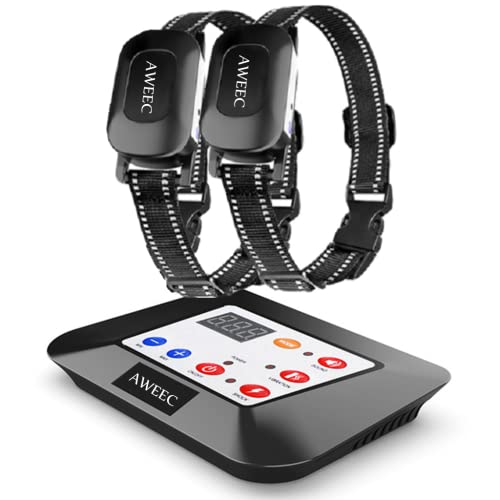
Aweec Wireless Dog Fence System with Training Collar (2 Dogs)

PetSafe Rechargeable In-Ground Fence Collar

Aweec 2-in-1 Wireless Dog Fence & Training Collar

Dogtra Pathfinder 2 GPS Tracker E-Collar (9 Mile)

Dogtra 280X E-Collar with Remote (New Edition)

Dogtra Pathfinder 2 Hunting GPS Training Collar

Dogtra PATHFINDER2 MINI Compass GPS Tracking System
More On The Choices That Made The List
This Aweec system does two jobs from a single base station: it draws a radio boundary around your yard and doubles as a remote trainer. For anyone starting from zero, that’s one purchase instead of two. The signal transmission has been upgraded in this version, which matters because dropouts are the classic complaint with cheap wireless fences.
The kit ships configured for two dogs, so households with a pair of medium or large breeds can run both collars off one transmitter. Daily commuters and busy families benefit most here, since the boundary works whether you’re home or not.
Why It Works Well
- Combines containment and remote training, cutting gear clutter to one system.
- Handles two dogs out of the box, so you won’t buy a second setup later.
- Training mode supports sound, vibration, and shock straight from the panel.
- Adjustable working-time levels let you match correction length to your dog’s temperament.
- Ships with both short and long contact posts plus silicone caps for post-training comfort.
Things To Consider
- Radio boundaries can drift near large metal objects, so placement of the transmitter takes some trial and error.
- Contact posts need periodic checks for wear, a routine most owners report doing monthly.
At A Glance
Who It Suits Best
Owners of one or two medium-to-large dogs who want containment and basic training without buying separate devices.
Where Another Pick Suits Better
Hunters needing mile-deep range should look at the Dogtra Pathfinder 2 instead, since radio fences top out at property scale.
Buried-wire systems have quietly outlasted every trend in pet containment, and this PetSafe receiver is the reason many owners stay loyal. Unlike the Aweec’s radio circle, a wired loop follows any property shape you choose, hugging gardens, pools, or awkward lot lines. The trade-off is installation: you’ll trench or staple the wire yourself.
This unit is sold as an add-a-dog collar, meaning it pairs with an existing PetSafe in-ground fence rather than replacing one. It also arrives bundled with a 20-gauge wire kit, handy for extending a loop or repairing a chewed section.
What Stands Out
- Four static levels plus a tone-only mode let you dial correction to a sensitive dog.
- Rechargeable battery removes the recurring cost of disposable cells.
- Waterproof housing shrugs off rain, puddles, and lake swims.
- Lightweight receiver suits smaller necks better than bulkier GPS units.
Worth Noting
- It won’t work with PetSafe’s YardMax or UltraSmart transmitters, so check your base station model first.
- Wire breaks are the most commonly reported maintenance headache with any buried system.
Made For
Existing PetSafe in-ground fence owners adding another dog, or anyone replacing a worn receiver on a proven loop.
Consider Something Else When
Renters and anyone avoiding trenching should pick the Aweec 2-in-1 Wireless Dog Fence instead, since it needs no digging at all.
Where the first Aweec targets two-dog homes, this sibling widens the net to small, medium, and large breeds alike. Same dual personality, one transmitter running both a boundary and a handheld trainer, but pitched at shoppers watching their spend. For a first containment system, that combination is hard to argue with.
The upgraded signal tech carries over here too, addressing the stability issues that plagued earlier generations of radio fences. Apartment dwellers with modest yards get the most practical value, though the adjustable range still covers generous suburban lots.
Strong Points
- Sized for small through large dogs, so breed changes or adoptions don’t force new gear.
- Fence and trainer share one system, keeping your counter clear of extra chargers.
- Improved transmission reduces the false corrections that rattle nervous dogs.
- Remote training helps reinforce the boundary during those first few weeks of learning.
Trade Offs
- Radio-based circles can’t follow irregular property shapes the way PetSafe’s buried wire can.
- You may find the single-transmitter layout limiting on very large multi-acre properties.
Quick Facts
Right Fit For
Cost-conscious owners of a single dog across any size range who want simple circular containment.
Not Your Match When
Owners wanting granular correction control will prefer the Dogtra 280X, whose hundred levels leave nothing to guesswork.
Nine miles of satellite tracking changes what “contained” means. Instead of a yard boundary, the Pathfinder 2 follows your dog across entire hunting properties, streaming position data to your phone through Dogtra’s free app. There’s no monthly bill attached, which separates it sharply from subscription-based pet trackers.
The system tracks up to 21 dogs simultaneously, so a full hunt party runs on one phone screen. An LED light on the collar aids visibility in low light, and the waterproof build handles marshy terrain. Note that a smartphone is required, and this version isn’t backward compatible with original Pathfinder collars.
The Value In It
- No subscription means the total cost of ownership stays flat year after year.
- Real-time tracking of up to 21 dogs suits guides and multi-dog hunting households.
- Direct e-collar function button delivers corrections without leaving the map view.
- LED light improves night retrieves and early-morning setups.
- Optional damage coverage plans exist for owners worried about field abuse.
Minor Gripes
- Phone dependency stings when batteries die mid-hunt, so carry a power bank.
- Incompatible with older Pathfinder series gear, forcing a clean break if you upgrade.
Key Specs
Who Will Love This
Upland and waterfowl hunters running multiple dogs across huge, unfenced terrain.
Look Elsewhere When
Suburban containment needs are better served by the Aweec Wireless Dog Fence System, which costs far less and sets up in minutes.
No geofence here, just pure training precision, and that’s exactly why it earns a slot. A half-mile range covers parks, fields, and training grounds, while a hundred correction levels let you find the lowest setting your dog actually notices. That granularity is the difference between teaching and startling.
The front-and-center main button is the detail experienced handlers praise most: no fumbling mid-command when a squirrel appears. Tone, vibration, and a Boost function handle recall under distraction, and a safety lock prevents accidental high-level presses. Dogs from 10 pounds up fit the collar.
Practical Pluses
- 100 stimulation levels make finding the right intensity almost foolproof.
- Boost button delivers quick escalation for emergency recall situations.
- Large, easy-read screen shows settings at a glance even in dim light.
- Waterproof construction survives creek crossings and rainy sessions.
- LED light adds visibility on evening walks.
Room For Improvement
- Half-mile range falls well short of the Pathfinder line for wide-open country work.
- Charging contacts should be wiped occasionally; owners commonly report buildup affecting charging over time.
The Right Fit
First-time e-collar owners with dogs 10 pounds and up who want gentle, precise control close to home.
A Better Fit Elsewhere
Handlers needing GPS location alongside training should step up to the Dogtra Pathfinder 2 Hunting Collar reviewed below.
This is the Pathfinder 2 variant aimed squarely at working-breed handlers, adding true electronic geofencing to the tracking package. You draw a boundary in the app, and the collar enforces it with stimulation, vibration, or tone wherever cell service doesn’t reach. Maps pre-download to your phone, so the system runs entirely offline once you’re past the trailhead.
Compared with the standard tracker version above, the distinction is containment: this one actively holds a line, not just reports position. Medium and large breeds are the intended fit, and smartwatch support puts controls on your wrist while both hands hold a shotgun.
Positive Points
- GPS fence function creates containment where burying wire is impossible.
- Offline maps keep tracking alive beyond cellular coverage.
- Nine-mile range swallows even sprawling hunting leases.
- Stimulation, vibration, and tone give layered correction options.
- Smartphone and smartwatch control suit gloved, hands-full field conditions.
Points To Note
- Pre-downloading maps before each trip becomes part of the routine; skip it and you’ll regret it at the truck.
- Full capability depends on carrying a charged phone, a real consideration on all-day outings.
Feature Snapshot
Built With In Mind
Professional trainers and serious hunters running medium or large dogs on remote, unfenced ground.
Skip It When
Backyard-only containment calls for something simpler like the Aweec 2-in-1, which handles the job at a fraction of the complexity.
Every other Pathfinder here leans on your phone. This Mini flips the script with a rugged handheld sporting its own 2-inch LCD and built-in compass, giving full e-collar control independent of any smartphone. Four-second… make that rapid 2-second GPS refreshes pinpoint your dog fast, which matters when a flush scatters birds and dogs alike.
The four-mile range suits most hunting parcels, and the system expands to 21 dogs as your string grows. Dogs from 15 pounds up wear the collar comfortably, and there’s no subscription anywhere in the picture. Offline maps come standard.
Well-Handled Touches
- Standalone handheld removes phone battery anxiety from long days afield.
- 2-second GPS updates deliver near-instant position fixes.
- Expandable to 21 dogs grows with kennels and guide services.
- GPS fence capability adds containment to tracking.
- Tactile buttons work with gloves where touchscreens struggle.
Small Caveats
- Four-mile range trails the nine-mile Pathfinders, a limit worth weighing on massive western leases.
- The dedicated handheld adds bulk to your vest compared with a phone-only setup.
Core Details
Whose Shelf It Belongs On
Hunters who distrust phones in cold weather and want a dedicated, glove-friendly controller for dogs 15 pounds and up.
Another Choice May Suit
Handlers already comfortable managing everything from a smartphone will find the Dogtra Pathfinder 2 GPS Tracker more streamlined.
What Matters Most Before Choosing Geofence Dog Collars
Boundary Type Shapes Everything
Radio systems project a circle from a base station, which takes five minutes to set up but can’t follow odd lot lines. Buried wire traces any shape you want, at the cost of a weekend of trenching. GPS fences draw boundaries on a map and enforce them anywhere, ideal for hunting land where digging isn’t an option. Match the technology to your actual property, not the fanciest spec sheet.
Range Honesty
Manufacturers quote maximum range under open-sky conditions. Hills, dense tree cover, and buildings shrink real-world performance considerably, so buy headroom rather than trusting the number on the box. A half-mile collar struggles in heavy timber; a nine-mile GPS unit barely notices.
Correction Philosophy
The best systems layer tone and vibration ahead of static, letting most dogs learn without ever feeling a shock. Look for adjustable levels, safety locks against accidental high output, and contact posts sized to your dog’s coat. A collar set too hot teaches fear, not boundaries.
Ongoing Costs And Care
Rechargeable batteries beat disposables over years of ownership. Subscription-free GPS saves real money annually. Whatever you choose, plan on checking strap fit, cleaning contact points, and recharging on a schedule, because a dead collar is an open gate.
Key Considerations Across These Picks
Traps First Timers Fall Into
The most common mistake is buying range you’ll never use, then skipping the training phase that makes any boundary work. Dogs need two weeks of leash-guided introduction to a new fence, flag by flag. Skipping that step produces a confused dog and a broken system reputation. Also verify compatibility before adding receivers: the PetSafe collar, for instance, excludes certain transmitter models.
What Separates Premium From Basic
Higher-tier units buy faster GPS refresh rates, offline independence, expandable multi-dog capacity, and finer correction gradations. Those features matter enormously to hunters and professional trainers running dogs in remote country. For a fenced suburban yard with one cooperative lab, they’re expensive polish. Spend up when your use case genuinely demands it, not because the spec sheet looks impressive.
Closing Thoughts
Containment comes down to matching the tool to the terrain. Aweec’s systems cover everyday yards affordably, PetSafe rewards owners committed to a shaped boundary, and the Dogtra line scales from backyard obedience to nine-mile wilderness tracking. Start with your property, your dog’s size, and how far your adventures actually go. The right choice tends to be obvious once those three answers are honest.
