

Living outside town changes the math on a lost dog. There are no neighbors watching every yard, fences stretch for acres instead of feet, and a dog that slips out at dusk can cover serious ground before you notice. The right tracker turns that panic into a map pin you can follow from your phone. This list covers seven options built for exactly that reality, from full collar systems to attachable minis and hunting-grade e-collars.
How The Shortlist Stacks Up
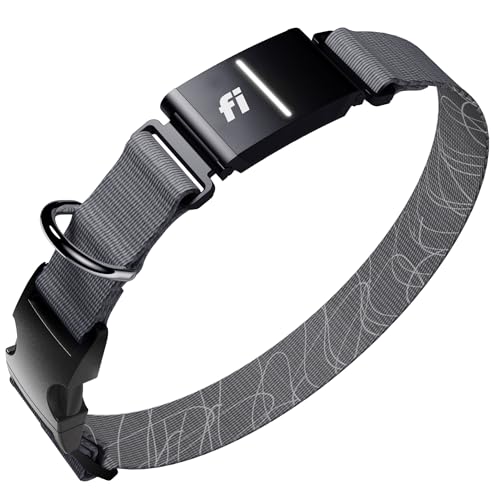
Fi Series 3+ GPS Dog Collar Small Gray

Lilyeel Wireless Dog Collar Fence System

Petloc8 Dog GPS Tracker 4G LTE

petivity Dog GPS Tracker by Purina

Dogtra Pathfinder 2 Hunting Ecollar GPS

PetSafe Guardian GPS 2.0 Dog Fence
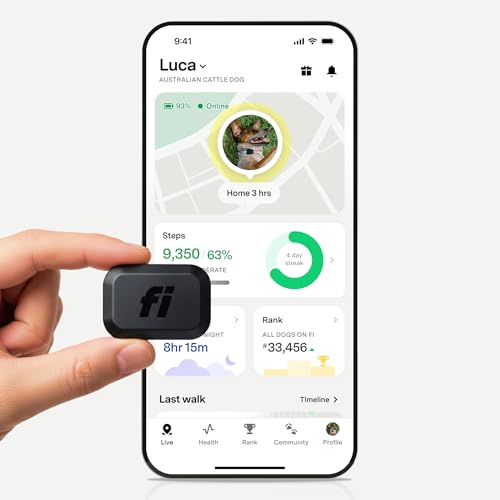
Fi Mini Attachable GPS + Health Tracker
The Picks, Examined More Closely
The Fi Series 3+ comes as a complete collar rather than an add-on module, which matters when a dog shakes off loose hardware in tall grass. Open the companion app and you see your dog’s position right away, with the route updating as they move so you follow the actual path instead of guessing.
This unit ships with a six-month service plan already attached, so it works out of the box on day one. Owners on large rural parcels tend to value that nationwide coverage most, since cellular-based trackers don’t care how far your driveway sits from the nearest town.
Strengths Worth Knowing
- Live location updates in the app the moment you open it, cutting search time dramatically
- Six months of service included, no separate activation errand before first use
- Built-in collar design means nothing dangling to snag on brush or fencing
- Optional damage protection plans cover drops, spills, and breakdowns with no repair fees
Things To Consider
- Ongoing service costs after the included period end, so budget for renewal
- Cellular-dependent tracking needs signal; deep valleys may show delayed updates
Key Specs
Made For
Rural owners whose dogs spend real time outdoors unsupervised and who want turn-by-turn recovery without DIY installation.
A Better Fit Elsewhere
Anyone avoiding recurring fees should look at the Lilyeel Wireless Dog Collar Fence System, which runs its boundary features without a subscription.
Where the Fi collar tracks a roaming dog, the Lilyeel system draws a line your dog shouldn’t cross. You sketch a custom polygon boundary in the phone app, shaped around your actual yard or farm layout, and the collar responds with a beep, vibration, or static correction as your dog approaches the edge. No wire burial, no trenching through rocky ground.
The headline here is cost structure: the companion app carries no ongoing subscription, and one system supports up to five pets. That makes it unusually practical for multi-dog farms where per-collar monthly plans would stack up fast.
Positive Points
- Draw-your-own polygon boundaries match irregular property shapes that circular zones can’t
- App access requires no monthly payment, keeping lifetime ownership costs low
- Handles up to five pets on one setup, ideal for multi-dog homes
- Remote training functions add value beyond simple containment
Small Caveats
- Boundary accuracy depends on stable outdoor GPS signal, so heavy tree cover can soften the edge
- Correction settings need patient introduction; rushing training is the most commonly reported misstep
Right Fit For
Farm and acreage owners with several dogs who want containment plus basic training tools without another monthly bill.
Swap It Out When
If live escape-chasing matters more than containment, the Petloc8 Dog GPS Tracker 4G LTE focuses purely on real-time location with geo-fence alerts.
This one arrives as a two-pack, which quietly solves a problem single trackers ignore: households with two dogs usually end up buying twice anyway. Each unit clips onto an existing collar rather than replacing it, so a small terrier and a big shepherd can share the same system with different strap setups.
Tracking runs over 4G LTE, meaning positions refresh in real time whether your dog is in the backyard or three fields over. A virtual geo-fence sends an alert the moment a dog leaves a zone you define, which is often the difference between a two-minute recovery and a two-hour drive-around.
What Pays Off
- Set of two trackers covers a pair of dogs under one purchase
- Four months of service come bundled with the hardware
- Geo-fence alerts flag departures instantly instead of waiting for you to check the app
- Waterproof housing suits creek crossings, rain, and muddy spring yards
Points To Note
- A subscription is required to activate tracking, so read the tariff options before ordering
- Collar-compatible design means checking strap width compatibility for very narrow collars
Feature Snapshot
Who Will Love This
Owners of two escape-prone dogs on medium-sized rural lots who want dependable live tracking and don’t mind a subscription model.
Reach For A Different Pick When
Single-dog owners wanting health metrics alongside location will get more from the petivity Dog GPS Tracker by Purina.
Backed by Purina, a name most dog owners already trust with nutrition, this tracker treats location as one piece of a bigger picture. The device identifies your dog’s live position through its dedicated mobile app, and the same app layers in daily movement data, giving you a fuller read on how your dog actually spends the day.
That dual role fits a specific rural scenario well: working breeds that roam the property all day, where a sudden drop in activity can be just as telling as a changed location. A subscription is required, so factor that into the running cost alongside the hardware.
What It Does Well
- Combines live GPS positioning with daily activity monitoring in one app
- Waterproof build handles wet weather and puddle-loving dogs
- Compact form keeps the collar profile low on smaller breeds
- Brand pedigree from Purina adds confidence in long-term software support
Worth Noting
- Subscription requirement adds recurring cost some buyers would rather skip
- Activity insights take days of wear to become meaningful, so expect a warm-up period
Core Details
Who Should Grab It
Data-minded owners of active rural dogs who want location tracking and wellness signals from a single lightweight device.
Another Choice May Suit
Working-dog handlers needing correction tools alongside tracking will find the Dogtra Pathfinder 2 far better equipped.
Everything else on this list leans on cellular networks. The Pathfinder 2 doesn’t. Maps download to your smartphone ahead of time, and the collar communicates directly with your phone or smartwatch, so a dead-zone canyon or a national forest with zero bars doesn’t blind you mid-hunt. Nine miles of range covers territory no suburban tracker pretends to reach.
It’s also a full training collar, layering stimulation, vibration, and tone controls on top of tracking and an electric geo-fence. That combination targets medium and large breeds doing serious fieldwork, and it explains why hunters consistently treat this category differently from casual pet trackers.
A Strong Showing
- Nine-mile range dwarfs typical consumer tracker distances
- Pre-downloaded maps work without cellular data, ideal for remote terrain
- Three correction modes (stimulation, vibration, tone) support graduated training
- Phone and smartwatch integration puts controls on your wrist in the field
- Geo-fence containment adds a safety layer during off-leash work
Less Ideal Details
- Overkill and overpriced for a backyard-only dog that never ranges far
- Training features demand proper technique; misuse of stimulation levels is a widely reported issue among unprepared owners
Quick Facts
Built With In Mind
Upland bird hunters and professional trainers running medium-to-large breeds across wide, signal-poor country.
Consider Something Else When
Everyday pet owners without training ambitions will find the PetSafe Guardian GPS 2.0 simpler and better matched to home containment.
PetSafe has sold wireless fences longer than most GPS brands have existed, and the Guardian 2.0 shows that experience. It pairs containment with real-time tracking in one collar, designed for properties of half an acre and up. The collar itself runs noticeably smaller than earlier generations, which opens the door for smaller breeds that older systems couldn’t fit comfortably.
Setup skips buried wire entirely, a genuine relief on rocky or tree-rooted ground where trenching means renting equipment. Families with mixed-size dogs tend to land here because the fit range is broad and the brand’s support network is well established.
The Good Stuff
- Combined fence and live tracking removes the need for two devices
- Lightweight, reduced-size collar suits a wide span of breeds
- No wire burial means same-day setup on difficult terrain
- Long-established brand with accessible customer support channels
Factors To Consider
- Minimum half-acre sizing rules out small suburban lots
- GPS boundary precision varies with sky view; dense canopy can shift the effective line inward
Whose Shelf It Belongs On
Families on acreage or large rural lots who want proven containment and location awareness in one comfortable collar.
Not Your Match When
Owners who only need location tracking without containment should compare the Fi Mini Attachable GPS + Health Tracker instead.
The Fi Mini takes the opposite approach from the Series 3+ collar: instead of replacing your dog’s collar, it clips onto any strap up to 1.25 inches wide. That flexibility is gold for rural owners whose dogs already wear a favorite harness or a working collar they don’t want to swap out.
Underneath the small shell sits GPS and LTE connectivity for nationwide live tracking, well beyond what Bluetooth tags manage once your dog passes the end of the driveway. Custom safe zones trigger an instant alert the moment your dog crosses a boundary, and the app adds activity and AI-analyzed health trends. A twelve-month membership comes bundled.
Notable Gains
- Universal attachment works with collars and harnesses up to 1.25 inches wide
- GPS plus LTE delivers live location far past Bluetooth range limits
- Instant escape alerts fire the moment a safe zone is breached
- Health and activity analytics surface subtle behavior changes early
- Twelve-month membership included, doubling the Fi collar’s included term
Details To Watch
- Attachment points can loosen on rough-and-tumble dogs, worth a periodic snug check
- Membership renewal applies after year one
Product At A Glance
The Right Fit
Owners of small or gear-particular dogs who want serious tracking capability without changing the collar their dog already wears.
Look Elsewhere When
Those wanting an integrated collar with a longer track record should revisit the Fi Series 3+ GPS Dog Collar Small Gray at the top of this list.
What Matters Most Before Choosing Gps Dog Trackers For Rural Areas
Coverage Comes First
A tracker is only as good as its signal where you actually live. Cellular-based units depend on LTE towers, so pull up carrier maps for your exact address before committing. Radio-frequency systems like the Dogtra Pathfinder 2 sidestep that dependency entirely, trading convenience for independence from any network.
Subscription Math Over Time
Most GPS trackers carry recurring service fees, and over three years those payments can exceed the hardware cost. The Lilyeel system avoids them altogether, while the Petloc8 bundle stretches four included months across two dogs. Run the multi-year number, not just the sticker figure.
Containment Versus Recovery
These are different jobs. A virtual fence keeps a dog home; a live tracker finds one that’s already gone. Households with real escape artists often benefit from both roles, which is why combined units like the PetSafe Guardian 2.0 earn their place despite costing more upfront.
Fit And Weight On The Dog
A collar that chafes gets pawed off or ignored. Check strap width compatibility, especially for dogs under twenty pounds, and favor lighter modules for small breeds.
Key Considerations Across These Picks
Traps First Timers Fall Into
The most common mistake is buying a Bluetooth-style tag assuming it behaves like GPS. Bluetooth range ends around a few hundred feet, useless once a rural dog bolts. The second trap is skipping the training phase on correction-based fences; introducing the boundary gradually is what makes these systems humane and effective.
When Paying More Pays Off
Higher-tier units buy range, battery efficiency, and durability. Nine-mile radio tracking, waterproof housings, and multi-year memberships all justify their premium for working dogs on large properties. For a lapdog on a fenced half-acre, that money is better spent elsewhere.
Closing Thoughts
Rural dog ownership rewards preparation, and a reliable tracker is cheap insurance against the worst afternoon of your year. Match the tool to your terrain: cellular trackers for connected countryside, radio-based systems for true dead zones, fence combos for wanderers. Whichever direction fits your property, acting before the next open gate beats reacting after it.
