

Feeding a dog with grain sensitivities means reading a lot of labels, and most of them read like chemistry homework. This roundup narrows things down to seven canned and pouched recipes built around real meat first, with no corn, wheat, or soy filler getting in the way. Whether you’re topping off kibble for a picky eater or serving wet food as the whole meal, there’s a fit here for big appetites, small breeds, and limited-ingredient diets alike.
A Snapshot Of The Selections

Blue Buffalo Homestyle Recipe Variety Pack Wet Dog Food 12.5 oz

Taste of the Wild Pacific Stream Salmon in Gravy 13.2oz Case of 12

Blue Buffalo Basics Lamb Small Breed Adult Wet Dog Food 3.5 oz

Whole Paws Grain-Free Wet Dog Food Turkey Feast 13.2 Ounce

Whole Paws Grain-Free Wet Dog Food Chicken Recipe 3.5 Ounce

Optimeal Wet Dog Food Small Breed Variety Pack 3oz Pouch (Pack of 12)
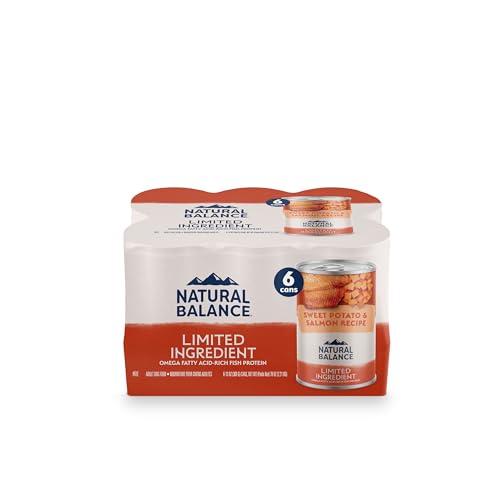
Natural Balance Limited Ingredient Sweet Potato & Salmon 13 oz
The Picks, Examined More Closely
Variety is the whole point here. Each six-can case rotates through pairings like chicken and beef, chicken and lamb, and lamb and turkey, so a dog that tires of one flavor stays interested at mealtime. The 12.5-ounce cans suit medium and large dogs served as full meals, or they stretch across several days as a kibble topper.
The Homestyle line leans into a stew-like texture with garden vegetables mixed in, which owners commonly report appeals to fussy eaters. Blue Buffalo also keeps poultry by-product meals out of these recipes, a detail worth checking if you scrutinize ingredient lists.
What Helps Most
- Multiple protein pairings keep mealtime from going stale week after week
- Real meat leads each recipe rather than fillers
- No poultry by-product meals anywhere in the lineup
- Cans double as full meals or mix-in toppers depending on your feeding routine
Things To Consider
- Once opened, leftovers need refrigeration and should be used within a few days
- Flavor rotation means a sensitive dog may react to one pairing but not another
Who It Suits Best
Owners of medium-to-large adult dogs who want dependable everyday nutrition without committing to a single flavor.
Where A Sibling Pick Shines
Dogs needing a shorter ingredient list do better with Natural Balance Limited Ingredient Sweet Potato & Salmon further down this list.
Salmon takes the lead ingredient spot in this gravy-style recipe, and the protein blend behind it targets lean muscle and joint support, which matters for working breeds and high-energy adults. The twelve-can case gives you serious pantry depth compared to the six-count Blue Buffalo pack above it.
Fruits and vegetables like peas, sweet potatoes, blueberries, and raspberries round out the vitamin and mineral profile. Taste of the Wild is family-owned and made in the USA, drawing ingredients from both domestic and global sources, a sourcing model some owners actively look for.
The Good Stuff
- Real salmon as the first ingredient delivers omega-rich protein many dogs thrive on
- Protein blend aimed at bones, joints, and muscle maintenance suits active dogs
- Antioxidant produce adds nutrients beyond the meat base
- A dozen cans per case reduces how often you reorder
Worth Noting
- Fish-forward recipes leave a noticeable odor some kitchens won’t love
- Dogs with seafood sensitivities should skip this one entirely
At A Glance
Made For
Active, athletic dogs and larger breeds whose owners want a meat-dense, nutrient-packed wet food in bulk.
Reach For A Different Pick When
Small breeds with delicate digestion are better matched to the Optimeal Small Breed Variety Pack later in this list.
Where the Homestyle pack above goes broad, Basics goes narrow. This is a limited-ingredient line built around lamb and potato, designed specifically for small breed adults who need gentle digestion and a shorter ingredient list. The 3.5-ounce cups mean zero guessing on portions for a ten-pound dog.
Omega 3 and 6 fatty acids support skin and coat, while elevated protein and carbohydrate levels address the faster metabolism small dogs run. Owners commonly report fewer tummy complaints after switching sensitive pups to this formula.
Reasons It Performs
- Limited-ingredient lamb recipe reduces exposure to common trigger proteins
- Single-serve cups eliminate measuring and leftover storage entirely
- Omega fatty acids show up as shinier coats over weeks of regular feeding
- Calorie density matches small breeds’ higher energy needs per pound
Trade Offs
- Tiny portions make this an expensive route for medium or large dogs
- Only two flavor options limit rotation compared to wider variety packs
Quick Facts
Right Fit For
Owners of toy and small breed adults dealing with itchy skin or inconsistent digestion who want portion-perfect feeding.
Another Choice May Suit
Large dogs needing bulk value get far more mileage from the Whole Paws Turkey Feast 13.2-ounce cans reviewed next.
This turkey, sweet potato, and cranberry recipe comes from Whole Foods’ own pet line, and its calling card is strict sourcing standards backed by a long list of banned ingredients across the brand’s products. You get full-size 13.2-ounce cans in single, three-pack, or twelve-pack configurations, so you can trial one can before committing.
In practice, that flexibility matters more than it sounds. Households testing whether a grain-free switch agrees with their dog can experiment cheaply, then scale up once they see results.
Why It Works Well
- Turkey offers a lean alternative protein to the beef and chicken most dogs already eat
- Cranberries and sweet potatoes add fiber and antioxidants to the gravy base
- Three purchase sizes let you start small before buying a full case
- Brand-level ingredient bans add a layer of formulation discipline
Points To Note
- Availability through the retailer’s own channel can be spottier than bigger brands
- Opened cans need prompt refrigeration like any wet food
Feature Snapshot
Who Will Love This
Budget-aware owners of mid-size and large dogs who still want clean-label ingredients and flexible case sizes.
Skip It When
Portion-controlled feeding for a tiny dog points you toward the Whole Paws Chicken Recipe cups instead.
Same brand discipline as the Turkey Feast above, shrunk down to a 3.5-ounce cup sized for toy breeds, seniors, and dogs on strict calorie budgets. Real chicken leads the ingredient list, and the formula skips corn, soy, and wheat altogether.
Flavor choices extend beyond chicken too, with turkey and sweet potato or beef with carrots and sun-dried tomatoes available in the same cup format. For apartment dwellers with limited pantry space, the compact cups stack neatly and generate no half-empty cans festering in the fridge.
Practical Advantages
- Chicken-first recipe with no corn, soy, or wheat anywhere in the formula
- Single-serve cups mean every meal is fresh with nothing left over
- Multiple flavor variants within the same convenient format
- Six-packs cover roughly a week of meals for a small dog
Small Caveats
- Per-ounce cost runs higher than large-can formats, a trade-off for convenience
- Chicken is a common sensitivity trigger, so check your dog’s history first
Whose Shelf It Belongs On
Owners of toy breeds, senior dogs, or weight-managed pets who value fresh single servings over bulk economy.
Not Your Match When
Dogs confirmed sensitive to chicken will fare better on the lamb-based Blue Buffalo Basics cups earlier in this list.
Pouches change the feeding experience in ways cans can’t. These 3-ounce packs tear open cleanly, squeeze out completely, and contain tender morsels set in aspic, a savory gel that holds moisture and aroma. Twelve pouches per variety pack keep a small dog fed for well over a week.
The formulation work here deserves attention: prebiotic FOS, a fiber that feeds beneficial gut bacteria, pairs with highly digestible proteins for dogs with touchy stomachs. Omega-3 and Omega-6 fatty acids handle coat health, while balanced calcium and phosphorus support bone strength.
Useful Touches
- Prebiotic FOS supports gentler digestion than standard wet formulas
- Tear-open pouches portion cleanly with no can opener or lid juggling
- Omega fatty acid blend targets skin and coat from the inside
- Complete and balanced nutrition works as a standalone daily diet
Honest Caveats
- Aspic texture isn’t every dog’s preference, so a single-pack trial makes sense first
- Pouches create more packaging waste per meal than recyclable steel cans
Core Details
The Right Fit
Small breed owners managing sensitive digestion who want mess-free daily feeding without sacrificing nutritional completeness.
Consider Something Else When
Big dogs with hearty appetites need the larger 13.2-ounce Taste of the Wild cans instead of three-ounce pouches.
Natural Balance built its reputation on simplified formulas, and this salmon and sweet potato recipe shows why. One animal protein, one carbohydrate source, and not much else, which is exactly what elimination-style feeding calls for when a vet suspects a food sensitivity.
The broader line spans seven recipes including bison and sweet potato, duck and potato, and lamb and brown rice, giving you rotation options within the same limited-ingredient philosophy. Salmon brings omega-3 fatty acids along with essential amino acids for muscle maintenance, and owners frequently report calmer skin and ears after sustained use.
Where It Delivers
- Deliberately short ingredient list simplifies identifying problem foods
- Salmon supplies omega-3s linked to healthier skin and coat condition
- Seven recipe variants allow safe protein rotation under one brand approach
- Grain-free formulation suits dogs with confirmed grain sensitivities
What To Weigh
- Simplified recipes cost more per calorie than mainstream multi-ingredient foods
- Some dogs find the leaner texture less exciting than gravy-heavy rivals
Key Attributes
Built With In Mind
Dogs with suspected food allergies whose veterinarians recommend a stripped-down, single-protein diet.
A Better Fit Elsewhere
Healthy dogs with no sensitivities get more flavor variety and value from the Blue Buffalo Homestyle Variety Pack at the top of this list.
What Matters Most Before Choosing Grain Free Wet Dog Foods
Protein Source Comes First
The first ingredient tells you where most of the nutrition lives. Lamb, salmon, turkey, and bison each suit different dogs, and novel proteins help animals with long-standing sensitivities. Match the protein to your dog’s history rather than to marketing language.
Portion Format Shapes Daily Life
A 13.2-ounce can feeds a large dog twice; a 3.5-ounce cup feeds a Chihuahua all day. Buying the wrong size means wasted food, extra fridge space, and constant measuring. Count your dog’s daily servings before choosing between cans, cups, and pouches.
Limited Ingredient Versus Full Variety
Limited-ingredient recipes strip the formula down to isolate triggers, which is invaluable during allergy investigations. Variety packs do the opposite, rotating flavors to hold a healthy dog’s interest. Know which job you’re hiring the food to do.
Digestive Additions Earn Their Keep
Prebiotics like FOS and omega fatty acid blends sound like buzzwords until a sensitive stomach settles or a dull coat turns glossy. Formulas that include them deliberately, as Optimeal does, justify their position in a premium tier.
Key Considerations Across These Picks
Traps First Timers Fall Into
Switching foods overnight is the classic error; transition gradually over a week to avoid digestive upset. Another misstep is judging a formula by one rejected bowl, since dogs often need several exposures before accepting a new texture. Skipping the ingredient list because the front label says grain-free costs you real information.
Why Top Tier Costs More
Premium formulas pay for named animal proteins leading the list, added prebiotics and omegas, and tighter sourcing standards. Budget options still deliver complete nutrition, but the upgrade pays off fastest for dogs with skin issues, sensitive digestion, or proven ingredient reactions.
Closing Thoughts
Every option here earns its place for a specific dog. Match the format to your routine, the protein to your dog’s history, and the formula complexity to whatever prompted the switch in the first place. Start with a small quantity, watch how your dog responds over two weeks, and adjust from there. The right choice reveals itself quickly once the food lands in the bowl.
