

Working dogs burn through calories the way a pickup burns through fuel on a mountain road, and ordinary kibble just doesn’t keep up. Whether you run a bird dog through long field days, train for agility trials, or simply share your mornings with a high-drive breed that never sits still, the food in the bowl does most of the heavy lifting. This roundup sorts eight strong options by protein level, fat ratio, and real-world fit, so you can match the formula to the workload instead of guessing.
The Shortlist At A Glance

VICTOR High Energy Gluten Free Kibble, 40 lb

Bully Max 25/11 Lamb Formula, Chicken-Free

Blue Buffalo Life Protection Salmon & Brown Rice
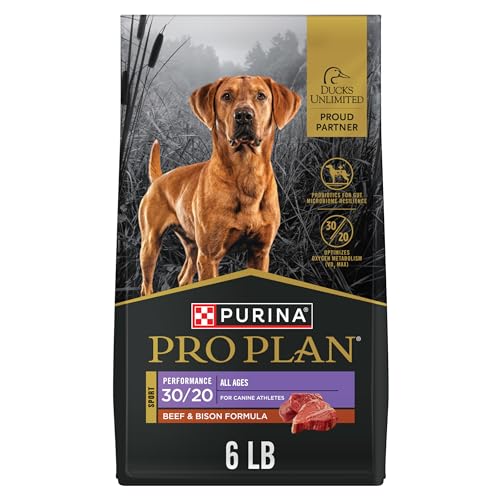
Purina Pro Plan Sport 30/20 Beef & Bison

Diamond Performance Chicken Recipe, 40 lb

Purina Pro Plan Sport 27/17 Chicken & Rice

Stella & Chewy’s Wild Red Raw Coated Red Meat

Purina Pro Plan Sport Wet Beef & Bison
More Details On Our Top Picks
This is the bag you reach for when the dog works harder than you do. VICTOR builds its High Energy formula around beef and chicken meals, two concentrated protein sources that pack more nutrition per cup than fresh meat alone, which matters when a pointing dog covers miles before lunch.
The gluten-free grain blend suits dogs whose digestion gets touchy with wheat-based kibble, and the all-life-stages formulation means one bag can serve a growing pup and an adult in the same kennel. Owners commonly report good stool quality on this brand, though the rich formula asks for a slow transition over seven to ten days.
Strong Points
- Multi-protein design sustains energy across long training sessions without mid-day crashes
- Gluten-free recipe tends to agree with sensitive stomachs that struggle on wheat-heavy foods
- Fortified with vitamins, minerals, and fatty acids that support coat condition through harsh outdoor seasons
- Available in sizes from 5 to 50 pounds, so trial runs stay cheap before committing to bulk
Things To Consider
- The calorie density is genuinely high, so house dogs on reduced activity may gain weight quickly; measure portions carefully
- Store the 40 lb bag sealed and off concrete floors, since fat-rich kibble can go stale faster than standard formulas
Key Specs
Who It Suits Best
Hunters, trainers, and owners of sporting breeds who need serious calorie density at a working-kennel price point.
Where A Sibling Pick Shines
Dogs needing leaner conditioning do better on Bully Max 25/11, whose lower fat content trims weight without sacrificing protein.
Most performance foods chase calories; Bully Max 25/11 chases definition instead. The numbers tell the story: 25 percent protein against only 11 percent fat, a split built to hold muscle mass while trimming excess condition, which is exactly what bully breeds and Rottweilers in show or sport condition typically need.
Lamb replaces chicken entirely, giving poultry-sensitive dogs a legitimate performance option rather than a compromise. The large kibble size slows down fast eaters too, a small detail that pays off in multi-dog households where gulping is a habit. In our view, this is the most purpose-built cutting formula on the list.
What We Like
- 25/11 protein-to-fat ratio preserves lean muscle during weight management programs
- Chicken-free lamb base opens performance feeding to dogs with poultry sensitivities
- Suits puppies and adults of both small and large breeds, simplifying multi-dog feeding
Worth Noting
- Low fat means low calories per cup, so genuinely hard-working dogs may need larger portions than expected
- The 5 lb starter bag runs out fast for big breeds; plan on the 15 lb size once you confirm the switch agrees with your dog
Right Fit For
Owners conditioning muscular breeds for show ring, weight pull, or general fitness who want protein without extra fat.
A Better Fit Elsewhere
Dogs burning serious daily energy will find more sustained fuel in Purina Pro Plan Sport 30/20, covered next.
Not every active dog needs a racing formula, and Blue Buffalo’s salmon-and-brown-rice recipe fills the moderate lane well. Real salmon leads the ingredient list, and the whole recipe skips chicken, which makes it a sensible step-down for dogs coming off poultry-based foods with itchy skin or loose stools.
Fish-based fats tend to show up in coat condition within a few weeks according to widely reported owner feedback, and the brown rice provides steady, gentler energy than the fat-heavy sport formulas elsewhere here. The honest read: this is maintenance nutrition for fit dogs, not fuel for field trial season.
Highlights
- Salmon-first recipe delivers omega-rich nutrition that supports skin and coat health
- Chicken-free formulation suits dogs with confirmed or suspected poultry reactions
- Balanced adult profile keeps moderately active dogs in good condition without excess calories
Small Caveats
- The 5 lb bag is a trial size for anything beyond small breeds, so budget accordingly once your dog settles in
- Energy levels fall short of true performance ratios like the 30/20 blends higher up this list
Made For
Adult dogs with solid but unremarkable activity levels, especially those doing better without chicken in the bowl.
Consider Something Else When
Working dogs with poultry allergies should look at Stella & Chewy’s Wild Red instead, whose six red-meat proteins bring far more density.
The 30/20 ratio, meaning 30 percent protein paired with 20 percent fat, has been the benchmark for endurance dogs for decades, and Pro Plan Sport executes it with real beef leading the list. That fat percentage is deliberate: fat carries roughly twice the energy of protein per gram, which is why sled dog teams and field trial competitors have fed this style of formula for years.
Compared with VICTOR High Energy earlier in this list, the bison component adds a second novel red-meat flavor many picky eaters take to immediately. The 6 lb bag works well as a season opener before committing to the 33 or 50 pound sizes.
Reasons To Buy
- Beef-first recipe supports lean muscle through demanding training blocks
- Optimized protein-to-fat balance matches the metabolic demands of highly active dogs
- Concentrated nutrition means smaller portions per meal, handy on travel days
- Multiple bag sizes let you scale from trial to full-season supply
Points To Note
- Twenty percent fat is too rich for couch-adjacent pets; weight creep is the most commonly reported issue among less active dogs
- Transition gradually over a week or so, since abrupt switches onto fat-dense kibble often cause temporary digestive upset
Feature Snapshot
Who Will Love This
Field trial handlers, agility competitors, and owners of breeds that log genuine mileage several days a week.
Another Choice May Suit
Feeding a mixed-age kennel? Diamond Performance handles puppies through seniors in one bag, which simplifies things considerably.
Diamond has quietly built its reputation on delivering working-dog nutrition without boutique pricing, and this Performance formula explains why. Eighty-three percent of the protein comes from animal sources, a figure that matters because animal-derived amino acid profiles generally match canine needs better than plant-heavy blends.
The recipe also layers in developmental support that pure endurance foods skip: DHA for brain and vision growth in puppies, plus glucosamine for joints under repeated impact. For a multi-dog household running everything from a young prospect to a retired hunter, one 40 lb bag covering all life stages is a genuine logistical win.
Plus Points
- 30 percent protein with 83 percent from animal sources supports stamina and post-work recovery
- DHA inclusion aids brain and vision development in growing puppies
- Glucosamine supports joints and mobility in dogs carrying heavy workloads
- Real chicken leads the ingredient list, keeping the formula meat-forward
Softer Spots
- Chicken as the sole animal base rules out poultry-sensitive dogs entirely
- Kibble stored in humid garages can lose freshness; an airtight bin is worth the small investment
Quick Facts
Whose Shelf It Belongs On
Multi-dog working homes and budget-minded trainers who refuse to compromise on protein quality.
Swap It Out When
Poultry-sensitive dogs belong on Stella & Chewy’s Wild Red, whose red-meat-only protein stack avoids chicken altogether.
Think of this as the 30/20’s slightly calmer sibling. At 27 percent protein and 17 percent fat, the Chicken & Rice Sport formula splits the difference between everyday maintenance food and full race fuel, which lands nicely for dogs that train hard three or four days a week but rest in between.
Where it pulls ahead of the beef-and-bison version is joint and gut support: live probiotics aid digestion, while glucosamine targets cartilage wear in dogs that jump, turn, and climb. The 37.5 lb bag also brings the per-pound cost down, making it a practical choice for year-round feeding of one seriously busy companion.
Bright Spots
- Live probiotics support digestive consistency, useful for dogs with touchy guts under stress
- Glucosamine helps maintain joint comfort in sporting and working adults
- Omega-3 fatty acids contribute to mobility and coat quality over time
- Chicken-first recipe with rice offers easy digestibility for most dogs
Room For Improvement
- Chicken-based, so it’s off the table for poultry-reactive dogs despite the otherwise broad appeal
- Owners occasionally note the large bag needs proper sealing between feedings to preserve kibble crunch
Details At A Glance
Best Suited To
Active adult dogs with regular training schedules whose owners want joint and digestive support baked into the formula.
Not Your Match When
Peak-season endurance dogs pushing daily mileage are better served by the richer Purina Pro Plan Sport 30/20 reviewed above.
Here’s the premium outlier, and it earns the label honestly. Each piece of grain-free kibble gets coated in freeze-dried raw meat, a process that concentrates flavor and aroma, and the protein stack reads like a butcher’s wishlist: beef, pork, lamb, bison, venison, and goat, with zero poultry anywhere in the recipe.
Roughly 89 percent of the protein derives from muscle meat, cartilage, and organs such as beef kidney, an approach modeled on whole-prey eating. Taurine supports heart function and probiotics round out digestion. You may find picky eaters suddenly enthusiastic at mealtime, though the per-pound cost reflects all that meat.
Standout Traits
- Six red-meat protein sources make it a rare safe harbor for poultry-allergic performance dogs
- Freeze-dried raw coating boosts palatability dramatically for fussy eaters
- No grains, legumes, or artificial additives, keeping the ingredient list clean
- Taurine and probiotics add heart and digestive support beyond basic nutrition
Honest Caveats
- The 3.5 lb bag disappears quickly with medium and large breeds, so expect frequent reordering
- Raw-coated pieces carry a stronger smell than standard kibble; some kitchens notice, others don’t mind
Perfect Match For
Owners of poultry-sensitive or selective eaters who prioritize ingredient quality over bag size economics.
Look Elsewhere When
Cost-per-calorie matters most, Diamond Performance delivers comparable protein density at a friendlier price for big appetites.
Canned food rarely gets credit in performance circles, yet hydration is half the endurance equation, and this 13 oz entree addresses it directly. Real beef leads, bison and rice follow, and the moisture content helps working dogs replace fluids lost on hot training days when water bowls alone fall short.
It works as a complete meal or as a topper stirred into dry kibble, which is how most handlers use it: a few spoonfuls over Pro Plan Sport 30/20 turns an ordinary dinner into something the dog actually hurries toward. Twenty-three essential vitamins and no artificial colors or preservatives round out a clean label.
Upsides
- Added moisture supports healthy hydration during heat and heavy exertion
- Doubles as a complete meal or a palatability-boosting dry food topper
- Antioxidants contribute to immune system support across training seasons
- Free of artificial colors and preservatives
Trade Offs
- Cans cost more per calorie than any dry bag on this list, so exclusive feeding adds up fast
- Opened cans need refrigeration and get used within a couple of days
Core Details
Who Should Grab It
Handlers traveling to events in warm weather, or anyone fighting a dry-food appetite slump.
Where Another Pick Suits Better
For everyday economy, the dry Purina Pro Plan Sport 27/17 covers the same nutritional territory at a fraction of the cost.
What Matters Most Before Choosing High Performance Dog Foods
Match The Ratio To The Workload
Protein-to-fat ratios aren’t marketing fluff; they map directly onto energy expenditure. A 30/20 formula suits dogs logging hours of fieldwork weekly, while a 27/17 or a lean 25/11 fits weekend warriors and conditioning programs. Overfeeding a rich formula to a moderately active dog is the fastest route to unwanted weight gain.
Protein Source Quality Counts
Named meals like beef meal or chicken meal concentrate protein effectively, and the share coming from animal versus plant sources tells you a lot about amino acid completeness. Look for a named meat first on the ingredient list, and check whether the manufacturer states what percentage derives from animals.
Allergies And Sensitivities First
Poultry ranks among the most common canine triggers, so chicken-free options built on lamb, salmon, or red meats solve problems before they start. Introduce any new food gradually across seven to ten days regardless of quality, since even excellent formulas upset unprepared digestive systems.
Size Economics And Storage
Bulk bags cut cost per pound substantially, but fat-rich kibble oxidizes once exposed to air. An airtight container in a cool, dry spot protects your investment, and starting with a small bag lets you confirm palatability before committing to fifty pounds.
Key Considerations Across These Picks
Traps First Timers Fall Into
The classic error is buying a 30/20 sport formula for a dog that jogs twice a week, then wondering about the weight gain. The second is switching foods overnight, which invites digestive chaos. Read the feeding chart honestly, weigh your dog monthly, and transition slowly.
The Case For Spending Up
Higher-tier formulas buy animal-source protein percentages, functional extras like glucosamine and probiotics, and cleaner ingredient lists. For a genuinely hard-working dog, that density translates into fewer cups per day, which narrows the real cost gap more than the sticker suggests.
Frequently Asked Questions
What makes a dog food “high performance”?
It combines elevated protein, typically 26 percent or more, with fat levels tuned for sustained energy output. The formula targets dogs with genuine daily workloads rather than casual activity.
Can average pet dogs eat performance formulas?
They can, but most will gain weight since the calorie density exceeds their expenditure. Moderately active dogs usually do better on balanced adult recipes.
How long does a food transition take?
Plan on seven to ten days, blending increasing amounts of the new food into the old. Slower transitions reduce the chance of stomach upset.
Is grain-free automatically better?
Not necessarily; grains like brown rice digest well for most dogs and supply usable energy. Grain-free matters mainly for dogs with specific grain sensitivities.
Should wet and dry foods be mixed?
Mixing works well, combining dry food’s dental and economic benefits with wet food’s hydration and palatability. Adjust total portions so combined calories stay on target.
Bottom Line
Your dog’s workload should decide this purchase, not the flashiest bag on the shelf. Endurance athletes thrive on the 30/20 ratios from Purina Pro Plan Sport and Diamond, conditioning programs suit Bully Max 25/11, and poultry-sensitive dogs have real answers in Blue Buffalo’s salmon recipe and Stella & Chewy’s red meat blend. Start with a small bag, watch body condition over a month, and adjust from there.
