

Pitbulls burn through calories fast, and their muscular build demands more protein than the average kibble delivers. Feed one a generic grocery-store formula and you’ll often see dull coats, low stamina, or unwanted weight loss instead of the solid condition these dogs are known for. This roundup covers eight options that fit real routines: dense dry foods for working dogs, chicken-free formulas for sensitive stomachs, puppy-specific blends, and supplements that top off a diet without replacing meals. Each entry breaks down who it suits, where it falls short, and which alternative on this list might serve your dog better.
The Shortlist At A Glance

Bully Max Pro 2X High Calorie Dry Dog Food (Chicken, 16 lb)

Bully Max 25/11 High Protein & Low Fat Lamb Dog Food
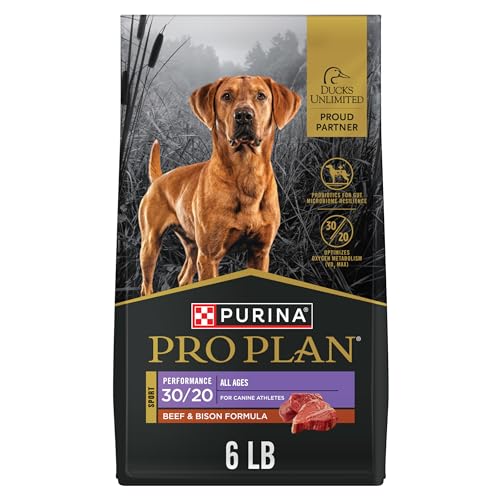
Purina Pro Plan Sport 30/20 Beef & Bison Dog Food

Bully Max Weight Gainer Soft Chews (75 Count)

Bully Max Dehydrated Wet Puppy Food with Chicken

Bully Max High Protein Beef Training Treats (400g)

MBF Real Meat Protein Powder for Dogs

OKKÖBI 11-in-1 Muscle Gain Chews (150 Count)
More Details On Our Top Picks
This is the densest option here, built around a slow-cooked chicken recipe that packs roughly 600 calories into every cup alongside 31% protein and 25% fat. For a pitbull in heavy training or one that struggles to hold weight, that density means smaller portions doing far more work.
The formula also carries flaxseed plus a broad vitamin and mineral package, so the extra calories arrive with genuine nutritional backing rather than empty bulk. Owners of picky eaters commonly report strong interest at the bowl, though the richness is worth easing in gradually over a week or so.
Strong Points
- Roughly 600 calories per cup lets underweight dogs gain without huge meal volumes
- 31% protein supports visible muscle maintenance during intense activity
- Flaxseed contributes omega fatty acids that show up as coat shine within weeks for many dogs
- Suits both puppies and adults, so one bag covers a multi-dog household
Things To Consider
- The fat content is high enough that less active dogs can gain too quickly, so portion control matters
- Calorie-dense formulas cost more per feeding than standard maintenance kibble
Key Specs
Who It Suits Best
Owners of hard-training or underweight adult pitbulls who need serious caloric firepower from a small daily portion.
A Better Fit Elsewhere
Dogs needing lean conditioning rather than bulk will do better on the Bully Max 25/11 lamb formula lower down this list.
Where the Pro 2X above chases raw calories, this lamb-based recipe takes the opposite approach: 25% protein paired with just 11% fat. That split preserves muscle while trimming excess weight, which matters for pitbulls prone to softness once training tapers off.
It’s also completely chicken-free, a meaningful detail since poultry ranks among the most common canine food sensitivities. The larger kibble size gives strong-jawed breeds something to actually work on, slowing down gulpers at dinner. Available in 5 lb and 15 lb bags depending on how committed you are.
Highlights
- Low 11% fat supports weight management without sacrificing protein intake
- Lamb base sidesteps chicken allergies that plague many bully breeds
- Large kibble encourages slower chewing and better digestion
- Formulated for all life stages, from puppies through seniors
Worth Noting
- Dogs burning heavy daily energy may find the leaner profile leaves them hungry between meals
- Transitioning from poultry diets can take a week or two before stools settle, based on widely reported owner experience
Made For
Pitbulls with suspected chicken sensitivities or those holding a little extra weight who still need solid protein levels.
Swap It Out When
A young, high-drive dog that needs maximum fuel belongs on the Purina Pro Plan Sport 30/20 reviewed next.
The 30/20 ratio here, meaning 30% protein and 20% fat, has been the benchmark for performance dog nutrition for years, and Purina executes it with real beef listed first. Bison adds a second meat source that most dogs find genuinely appealing.
In practice this reads as an endurance formula: the protein-to-fat balance is tuned to sustain oxygen metabolism and keep working muscles supplied across long days. The 6 lb bag suits trial runs, while 33 lb and 50 lb options reward households committed long-term. Compared with the Bully Max lamb pick, this one trades leanness for sustained output.
Upsides
- Real beef leads the ingredient list rather than appearing mid-formula
- Optimized protein-to-fat ratio sustains energy through long training days
- Multiple bag sizes let you scale from trial to bulk buying
- Backed by a widely available, well-established formulation
Small Caveats
- Contains chicken-derived ingredients despite the beef-forward marketing, so severe poultry allergies remain a concern
- The 20% fat level asks for disciplined portions in couch-potato households
Feature Snapshot
Right Fit For
Owners of highly active pitbulls in agility, weight pull, or daily running routines who want proven performance nutrition.
Where A Sibling Pick Shines
Allergy-prone dogs should skip ahead to the Bully Max 25/11 lamb formula, which removes poultry entirely.
Not every dog needs a full food switch. These soft chews deliver around 1,500 calories per bag in treat form, letting you add targeted calories on top of whatever kibble already works. A recovering rescue, a post-surgery dog, or a fussy adolescent all fit that picture.
The chew format doubles as a training reward, which helps because underweight dogs often need encouragement to eat more in the first place. Digestive support ingredients round out the formula, useful when sudden dietary changes upset sensitive stomachs. Think of this as a bridge product rather than a meal replacement.
Reasons To Buy
- Adds calories without changing your dog’s existing food routine
- Soft texture suits older dogs or those with dental issues
- Doubles as a high-value training reward
Honest Caveats
- At 75 chews per bag, multi-dog homes may burn through supply quickly
- Soft chews can dry out once opened, so resealing the bag properly matters for freshness
- Supplements complement but never replace balanced complete meals
Who Will Love This
Anyone nursing an underweight pitbull back to condition gradually, without overhauling a diet that already agrees with them.
Reach For A Different Pick When
Dogs needing a full nutritional rebuild belong on the Bully Max Pro 2X kibble at the top of this list.
Puppies are a different project entirely, and this dehydrated formula addresses the two biggest puppy problems at once: hydration and palatability. Two pounds of dry mix rehydrates into about 5.5 pounds of soft wet food with nothing more than water, which is handy during travel or for pups still learning to chew kibble.
The chicken-based recipe emphasizes coat-nourishing fats alongside growth-supporting protein, and owners frequently note glossy coats within the first month of use. Storage is another quiet win: dehydrated bags keep far longer than canned alternatives once opened, assuming a cool, sealed spot in the pantry.
Bright Spots
- Rehydrates instantly, no cans or refrigeration required until mixed
- 2 lb expands to 5.5 lb of finished food, stretching storage space
- Soft texture eases the weaning transition for young puppies
- Nutrient balance tailored to growing small and large breeds alike
Points To Note
- You’ll pay a premium versus standard dry puppy kibble ounce for ounce
- Mixed batches should be used promptly rather than left sitting at room temperature
Quick Facts
Whose Shelf It Belongs On
New pitbull puppy owners navigating weaning, travel, or a pup that turns its nose up at plain kibble.
Consider Something Else When
Adult dogs past the growth stage get better value from the Purina Pro Plan Sport 30/20 earlier in this list.
Training treats usually mean junk calories, but this 400g bag flips that script with 32% protein, real beef liver, and added BCAAs, the branched-chain amino acids involved in muscle repair. Every reward session quietly reinforces your dog’s conditioning goals instead of undermining them.
Fruits and vegetables round out the ingredient list, and the pieces are sized for rapid-fire repetition during obedience or sport work. Pitbulls tend to be food-motivated learners, so a treat that earns enthusiasm while pulling nutritional weight fits the breed’s training rhythm well. One bag lasts a surprisingly long stretch given typical daily treat volumes.
Plus Points
- 32% protein makes treats nutritionally productive, not empty rewards
- Real beef liver drives strong motivation during training drills
- BCAAs support recovery after demanding exercise sessions
- Sized appropriately for quick reinforcement loops
Softer Spots
- Treat calories still count toward daily totals, so reduce meal portions slightly on heavy training days
- The liver scent is potent, which some owners love and others would rather not store in a kitchen drawer
Who Should Grab It
Owners running frequent training sessions who want rewards that contribute to muscle goals rather than detract from them.
Not Your Match When
For pure weight gain rather than training support, the Bully Max Weight Gainer Soft Chews offer a denser calorie payload.
This powder takes the simplest possible approach: scoop, sprinkle over regular food, done. There are no pills to hide, no liquids to measure, and no raw meat handling, which removes most of the friction that kills supplement routines within a fortnight.
The formula centers on real meat protein with no artificial flavors or sweeteners, produced in the United States in a facility following good manufacturing practices. A 30-day supply provides 60 servings, meaning twice-daily dosing fits comfortably inside one container. Fussy eaters are the obvious beneficiaries here, since the meaty dust tends to make ordinary kibble more interesting rather than less.
What We Like
- Sprinkle format requires zero behavior change from your dog
- No artificial flavors or sweeteners in the ingredient list
- 60 servings per container covers a full month of twice-daily use
- Works for puppies through seniors across all breed sizes
Trade Offs
- Powder alone won’t fix an inadequate base diet, so pair it with quality food
- Some dogs notice texture changes in wet food and may need a brief adjustment period
Details At A Glance
Best Suited To
Owners of picky eaters or dogs on decent-but-not-great kibble who want a low-effort protein boost layered on top.
Another Choice May Suit
Dogs that reject powders but accept chews will likely do better with the OKKÖBI Muscle Gain Chews closing out this list.
Closing out the list is the most ambitious supplement here: an 11-function chew stacking protein with five named amino acids, including L-Leucine and L-Glutamine, the building blocks tied to muscle repair. Calorie density comes alongside turmeric root, ashwagandha, and wild Alaskan salmon oil, a broader supporting cast than most competitors bother with.
Glucosamine HCl and vitamin C add joint and vitality angles, making this a sensible pick for athletic pitbulls whose bodies take regular punishment. At 150 chews per container, it outlasts the Bully Max gainer by a wide margin. Developed with veterinarian input and suitable from puppyhood onward, per the manufacturer.
Standout Traits
- Five targeted amino acids support muscle repair after hard exercise
- Salmon oil and turmeric bring joint and coat benefits along for the ride
- 150-chew supply offers strong longevity per container
- Chicken flavor earns consistent enthusiasm at treat time
Areas To Watch
- The multi-ingredient formula means checking the label against any existing supplements to avoid doubling up
- Chew-based dosing varies with body weight, so read serving guidance carefully for smaller dogs
Core Details
The Right Fit
Athletic pitbulls in strength or conditioning programs whose owners want muscle, joint, and recovery support bundled together.
Look Elsewhere When
Dogs with poultry sensitivities should pivot to the Bully Max 25/11 lamb food, which avoids chicken altogether.
What Matters Most Before Choosing High Protein Dog Foods For Pitbulls
Match Protein To Activity, Not Ambition
A couch-friendly pitbull doesn’t need 600-calorie kibble, and feeding it anyway leads to gradual weight creep that stresses joints. Working dogs, sport competitors, and young adolescents genuinely burn through dense formulas. Be honest about your dog’s actual weekly output before choosing between the lean and performance ends of this list.
Read The First Five Ingredients
Ingredient lists are ordered by weight, so real meat leading the panel signals a protein-forward recipe. Watch for vague entries like unnamed meat meals sitting high on the list. Allergies deserve special attention too: chicken appears in many beef-labeled foods through secondary ingredients, which is why dedicated chicken-free options exist.
Transition Slowly, Always
Whatever you choose, swap foods across seven to ten days, blending increasing amounts of the new formula into the old. Abrupt switches commonly trigger loose stools and appetite refusal, problems owners frequently report even with excellent products. Patience during the transition protects digestion and lets you judge the food fairly.
Supplements Complete Meals, Never Replace Them
Chews and powders fill gaps in otherwise sound diets. They cannot compensate for a poor base food, and stacking multiple supplements risks exceeding sensible nutrient levels. Pick one gap-filler that matches your dog’s specific shortfall rather than layering everything at once.
Key Considerations Across These Picks
Traps First Timers Fall Into
The most common mistake is buying for the dog you want rather than the dog you have, ordering extreme-calorie food for a moderately active pet. Another frequent slip involves ignoring allergen details buried in ingredient panels. Check labels against known sensitivities first, then match calorie density to real activity levels.
What Separates Premium From Basic
Higher-tier formulas spend on named meat sources, functional additives like flaxseed and glucosamine, and tighter manufacturing standards. That shows up as better digestibility, shinier coats, and more usable energy per cup. The upgrade pays off fastest for working dogs and allergy-prone pets; casual companions often do fine on simpler fare.
Frequently Asked Questions
How much protein does a pitbull actually need?
Active adult pitbulls generally thrive on foods delivering 25% to 30% protein, with working dogs benefiting from the higher end. Less active dogs do well closer to the lower boundary, since excess protein simply becomes unused calories.
Can I feed puppy food to an adult pitbull?
Puppy formulas carry higher calories and different mineral balances designed for growth. Adult dogs can gain unwanted weight on them, so stick with all-life-stages or adult formulas unless your vet advises otherwise.
Are grain-free formulas better for pitbulls?
Grain sensitivity is uncommon in dogs, and grain-free status says nothing about protein quality. Focus on named meat sources and appropriate fat levels rather than the grain-free label itself.
How long before I see results from a new high-protein diet?
Coat changes typically appear within four to six weeks, while muscle and weight shifts depend heavily on exercise alongside diet. Give any new food a fair eight-week window before judging it.
Should I consult a vet before switching foods?
Yes, especially for dogs with kidney concerns, allergies, or significant weight issues. A quick conversation rules out underlying conditions that diet alone won’t address.
Closing Thoughts
Feeding a pitbull well comes down to matching the formula to the dog in front of you, not the one in your plans. Start with your dog’s activity level and any known sensitivities, pick accordingly from this list, and transition slowly. The right food shows itself in the coat, the energy, and the condition you can see within a couple of months.
