

Feeding your dog food made to human standards sounds like a luxury until you read a standard kibble label. Once you see rendered meals and vague protein sources listed by name, it’s hard to go back. This roundup covers eight human grade options for 2026, from dehydrated beef stews to air-dried chicken bites, plus a greens powder and wet-food cups that round out a real feeding routine. Whether you’re transitioning a picky eater or topping up an existing diet, there’s a fit here for your kitchen and your dog’s stomach.
The Shortlist At A Glance

The Honest Kitchen Wholemade Beef Dehydrated Dog Food, 10 lb Box

The Honest Kitchen Whole Food Clusters Small Breed Chicken Dry Dog Food, 4 lb Bag

Open Farm Ancient Grains Grass-Fed Beef Kibble, 4lb Bag

The Honest Kitchen Wholemade Beef Dehydrated Dog Food, 4 lb Box
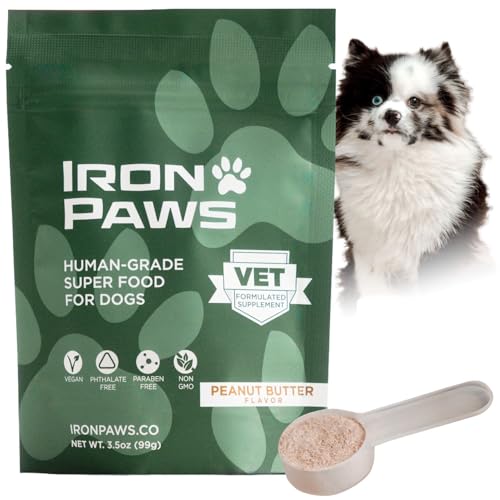
Iron Paws Premium Greens Powder Supplement for Dogs, Peanut Butter, 3.5 oz

Weruva Meals ‘n More Belly Belly Nice! Digestive Support Variety Pack, 3.5oz Cups (10)

Full Moon Pure Protein Air Dried Dog Food Free Range Chicken Recipe 1lb
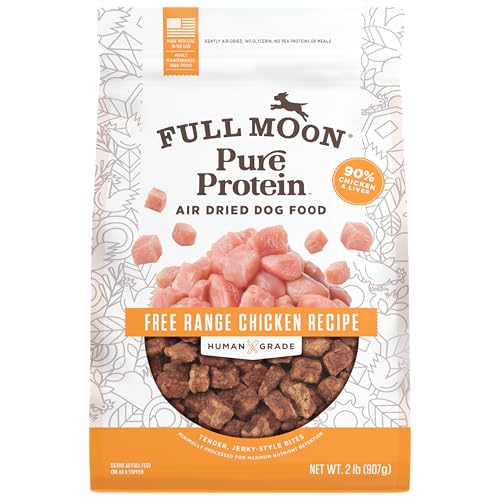
Full Moon Pure Protein Air Dried Dog Food Free Range Chicken Recipe 2lb
More Details On Our Top Picks
This dehydrated beef recipe is the closest thing here to cooking for your dog without actually cooking. Ranch-raised beef, oats, and carrots get gently dehydrated, which means low heat and minimal processing compared with extruded kibble. You add warm water, wait about three minutes, and serve a soft, hydrating meal.
In a busy household, that three-minute rehydration slots in where you’d otherwise scoop kibble, and the yield is the headline: a 10-pound box reconstitutes into roughly 40 pounds of finished food. For multi-dog homes, that math matters more than any single ingredient.
Strong Points
- Fiber-rich oats and carrots support digestion, which owners of sensitive-stomach dogs often report as smoother stools within a couple of weeks.
- Beneficial fats work toward skin and coat condition from the inside out.
- Warm water rehydration adds moisture most dry diets simply can’t deliver.
- Doubles as a topper over dry or wet food when you don’t want a full switch.
- The 40-pound yield keeps cost per serving reasonable for a human grade product.
Things To Consider
- You’ll need prep time and warm water at every meal, and opened boxes should be stored sealed and dry to protect the dehydrated texture.
Key Specs
Made For
Homes with two or more dogs, or one large dog, that want fresh-style nutrition without freezer space or subscription logistics.
A Better Fit Elsewhere
If you’d rather test the recipe before committing, the 4-pound version of this same Wholemade beef box later in this list suits single-dog households better.
Small breeds burn calories differently, and this cluster-format dry food was developed with a vet nutritionist to balance calories for exactly that body type. The clusters themselves are baked, bite-sized pieces rather than traditional pellets, built around cage-free chicken. Scoop-and-serve convenience meets a genuinely short ingredient list.
Compared with the dehydrated Wholemade beef above, this one trades hydration for speed: no water, no waiting, straight from bag to bowl. That makes it the easier daily driver for apartment dwellers and travelers.
What We Like
- Lean protein plus L-carnitine supports healthy weight maintenance in small dogs prone to gain.
- Flaxseed, coconut oil, and fish oil contribute fats aimed at coat shine.
- Pumpkin, apple, and live probiotics back up digestion, handy for toy breeds with touchy guts.
- Works as a complete meal, a topper, or training treats thanks to the small cluster size.
Worth Noting
- The 4-pound bag goes quickly for even a small dog fed exclusively, so budget for repeat orders.
- Cluster pieces are still dry food; dogs needing extra moisture may do better with a wet or dehydrated component alongside.
At A Glance
Right Fit For
Owners of small breed adults who want human grade quality in a true pour-and-go dry format.
Skip It When
Larger breeds should look at the Full Moon air-dried chicken further down, which scales better to bigger appetites.
Not every household wants to abandon kibble entirely, and Open Farm’s ancient grains recipe is the bridge option here. It blends grass-fed beef with oats and quinoa, two ancient grains that bring fiber, vitamins, and minerals along with them. Non-GMO fruits and vegetables plus superfoods like pumpkin and coconut round out the formula.
The honest read is that this sits closer to premium kibble than to fresh food, but that’s precisely its appeal: grain-inclusive, meat-forward, and served straight from the bag. For dogs doing well on kibble texture, it’s a meaningful step up without changing your routine at all.
Highlights
- Grass-fed beef leads the recipe, giving you traceable meat rather than unnamed meals.
- Oats and quinoa add digestible fiber, which many owners find gentler than grain-free legume-heavy formulas.
- Pumpkin and coconut bring superfood nutrients into an everyday format.
Minor Gripes
- The 4-pound bag is a trial size for medium and large dogs, so long-term feeding means frequent repurchasing.
- Kibble processing involves more heat than the dehydrated or air-dried picks in this list.
- Availability through third-party sellers can fluctuate, worth checking the listing before committing to a routine.
Who It Suits Best
Kibble-first households upgrading ingredient quality without changing their feeding workflow.
Where A Sibling Pick Shines
Dogs with sensitive digestion may fare better on the Weruva digestive-support cups covered next, which pair pumpkin and quinoa with wet-food moisture.
This is the same ranch-raised beef, oat, and carrot recipe as our top pick, scaled down to a 4-pound box that rehydrates into roughly 16 pounds of food. Everything about the feeding experience carries over: warm water, a three-minute rest, a soft hydrating meal. What changes is the commitment level.
For a single small-to-medium dog, 16 pounds of finished food covers a solid stretch, and the smaller box takes up far less pantry room. It’s also the smarter first purchase if you’re not yet sure your dog will take to a soft, stew-like texture. Some dogs inhale it immediately; others need a few days of mixing it into their old food.
Bright Spots
- Identical whole-food nutrition to the 10-pound version, just right-sized.
- Oats and carrots supply gentle fiber suited to sensitive stomachs.
- Rehydration adds moisture that supports hydration, especially useful for dogs who under-drink.
- Functions equally well as a standalone meal or a topper over existing food.
Small Caveats
- Per-pound value trails the larger box, so heavy users eventually graduate up.
- Every serving needs warm water and a short wait, which rules out grab-and-go feeding like travel days or dog-sitter drop-ins unless you pre-mix.
Who Should Grab It
First-timers testing dehydrated food, and single-dog homes that won’t finish a 10-pound box before freshness becomes a concern.
Swap It Out When
Multi-dog households burning through volume should step up to the 10-pound Wholemade box at the top of this list for better economics.
Human grade feeding isn’t only about the main course, and this vet-formulated greens powder fills the supplement gap. Twenty active ingredients sit in a peanut butter-flavored powder you sprinkle over whatever your dog already eats. The dense formulation means a small scoop is designed to go a long way, which stretches the modest 3.5-ounce jar.
Joint and hip support comes from L-carnitine and Irish moss, while probiotics, pumpkin, and chicory root target gut health. The maker also points to dental benefits, with fresher breath often noticed within a week or two according to the brand’s own guidance. Treat those timelines as directional rather than promised results.
Plus Points
- Vet-formulated with 20 active ingredients, covering joints, gut, skin, and immunity in one scoop.
- Peanut butter flavor helps the powder disappear into food for fussy dogs.
- Nutrient density means a little powder delivers a lot, stretching the jar over months for small dogs.
Points To Note
- Supplements complement a diet rather than replace balanced meals, so this works alongside the foods in this list, not instead of them.
- Results vary dog to dog, particularly for breath and mobility changes, so give it consistent use before judging.
Quick Facts
Built With In Mind
Senior dogs or active breeds whose owners want joint and digestive support layered onto an already-solid diet.
Another Choice May Suit
Dogs whose main issue is mealtime digestion itself will get more direct benefit from the Weruva variety pack below than from a sprinkle-on powder.
Wet food earns its place in a human grade lineup because moisture is the one thing kibble can’t provide. Weruva’s digestive-support variety pack bundles ten single-serve 3.5-ounce cups across several recipes, each built around pumpkin, quinoa, and inulin, a prebiotic fiber that feeds beneficial gut bacteria. All-natural formulations leave out grains, gluten, and carrageenan, a thickener some owners prefer to avoid.
The single-serve format is quietly brilliant for real life: no half-opened cans festering in the fridge, no portion guesswork. Peel, serve, done. It’s the least demanding way to add digestive support to an existing dry diet.
Reasons To Buy
- Pumpkin, quinoa, and inulin form a genuine digestive-support trio, not just marketing language.
- Single-serve cups eliminate storage mess and keep every serving fresh.
- Variety pack lets you discover which recipe your dog prefers before buying cases of one flavor.
- No grains, gluten, or carrageenan suits dogs with common sensitivities.
Softer Spots
- At 3.5 ounces per cup, these work as toppers or small-dog meals rather than full rations for big breeds.
- Wet food costs more per calorie than any dry option in this list, so daily full-meal use adds up fast.
- Assorted packs mean you can’t hand-pick flavors, and picky dogs may reject one or two varieties.
Whose Shelf It Belongs On
Owners of small dogs or sensitive stomachs who want a low-effort moisture and fiber boost over kibble.
Consider Something Else When
Large-breed owners needing a complete primary diet will find better value in the Full Moon air-dried chicken bags reviewed below.
Air drying is the middle path between kibble and raw: slow, low-temperature moisture removal that retains more vitamins and minerals than high-heat extrusion. Full Moon applies it to a recipe that’s 90% free-range chicken, with no rendered meals or pea protein padding the label. The result is a tender, jerky-style bite you can store, scoop, and serve like kibble.
That texture tends to win over picky eaters, and the minimal processing means essential amino acids arrive largely intact. Made to human grade standards, it reads more like a treat bag than a dog food bag, which is honestly part of the appeal.
Standout Traits
- 90% chicken content delivers amino acids from visible meat, not rendered meal.
- Air drying locks in flavor without fillers or artificial preservatives.
- Serves with kibble-level convenience, no water or refrigeration required.
- Minimal processing helps nutrient retention compared with conventional extruded diets.
- Jerky-style texture is widely reported to tempt reluctant eaters.
Trade Offs
- The 1-pound bag is expensive per pound relative to kibble, best used as a topper or for small dogs.
- High meat content means a rich diet; transition gradually to avoid loose stools, a commonly reported issue with abrupt switches.
Feature Rundown
Best Suited To
Picky eaters and small-breed owners ready to pay a premium for near-fresh nutrition in a shelf-stable format.
Reach For A Different Pick When
Budget-conscious feeders wanting a similar upgrade path should compare the Open Farm ancient grains kibble earlier in this list.
Same free-range chicken recipe, double the bag. This 2-pound version exists for the obvious reason: once you know your dog loves it, buying the smaller pouch repeatedly gets tedious. The exclusion list is what sets this line apart, with no pea protein, no grains, no soy, no artificial preservatives, and notably no brown feed-grade pellets mixed in.
For small dogs fed this as a primary diet, 2 pounds lasts a reasonable stretch. Medium and large dogs will still cycle through it quickly, though it pairs well as a high-value topper over a base diet. Air drying keeps the tender jerky texture identical to the 1-pound bag.
Upsides
- Double capacity reduces reorder frequency for committed feeders.
- Clean exclusion list: no pea protein, grains, soy, or artificial preservatives.
- 90% chicken recipe supplies amino acids from real, visible meat pieces.
- Air-dried bites retain more natural vitamins than heavily processed kibble.
Honest Caveats
- Cost per pound remains high against conventional dry food, so full-time feeding suits smaller dogs best.
- Opened bags should be resealed tightly; the low-moisture jerky texture can soften in humid kitchens, a storage detail worth minding.
Core Details
The Right Fit
Small-dog owners who’ve already confirmed their dog loves the recipe and want fewer reorders.
Where Another Pick Suits Better
Unsure about palatability? Start with the 1-pound Full Moon bag reviewed just above before doubling down.
Choosing Between These Options Without Regret
Match The Format To Your Routine
Dehydrated foods like the Honest Kitchen boxes reward owners who don’t mind adding warm water and waiting three minutes. Air-dried and baked formats such as Full Moon and the Whole Food Clusters trade some of that fresh character for pure scoop-and-serve speed. Be honest about your mornings before choosing.
Read The First Five Ingredients
Human grade labeling sets a floor, not a ceiling. Recipes led by named meats like ranch-raised beef or free-range chicken generally deliver more bioavailable protein than those padded with plant proteins. Fiber sources matter too: oats, pumpkin, and carrots show up repeatedly across these picks for good reason.
Size The Purchase To Your Dog
A 4-pound bag is a sensible trial for a beagle and a two-week supply for a Labrador. Buying too much of an unproven recipe wastes money if your dog rejects the texture, so start small and scale once palatability is confirmed.
Key Considerations Across These Picks
Traps First Timers Fall Into
Switching diets overnight is the classic error. Abrupt changes commonly cause digestive upset regardless of food quality, so blend new food into the old over a week or more. Another trap is treating supplements as meal replacements; powders like the Iron Paws greens sit on top of a balanced diet, never underneath it.
Why Top Tier Costs More
Higher-priced human grade foods spend money on named, traceable meats, gentler processing methods like dehydration and air drying, and shorter ingredient lists with no cheap fillers. That shows up as better digestibility for many dogs and less waste in the yard. The upgrade pays off most for small dogs, seniors, and animals with sensitive stomachs, where per-serving costs stay manageable.
Frequently Asked Questions
What does human grade actually mean for dog food?
It means every ingredient and the facility producing it meet standards set for edible human food. That’s a higher bar than feed-grade pet food, which permits ingredients deemed unfit for people.
Can I mix human grade food with my dog’s current kibble?
Yes, and mixing is actually the recommended transition method. Blend increasing amounts of the new food into the old over seven to ten days to let your dog’s digestion adjust.
Is dehydrated dog food as nutritious as fresh?
Dehydration uses low heat to remove moisture while retaining most nutrients, placing it close to fresh in nutritional character. It’s a strong compromise for owners who lack freezer space for truly fresh diets.
How do I know which recipe suits a sensitive stomach?
Look for limited, recognizable ingredients plus digestive supports like pumpkin, probiotics, or inulin. The Weruva cups and Honest Kitchen beef recipe both check those boxes, and single-protein recipes simplify identifying triggers.
Are supplements necessary alongside human grade food?
Not strictly, since complete diets cover baseline needs. Targeted additions like joint or greens powders make sense for senior dogs, active breeds, or specific concerns your veterinarian has flagged.
Closing Remarks
Every pick here clears the human grade bar, so the real decision comes down to format, budget, and your dog’s preferences. Start with the smallest viable size, transition slowly, and let your dog’s energy and stool quality tell you whether the switch is working. The right choice is the one your dog eats happily and you can sustain month after month.
