

Dogs with food sensitivities make life complicated. One wrong ingredient and you’re dealing with scratched skin, chewed paws, or an upset stomach that keeps everyone up at night. This roundup gathers eight options built around limited ingredients, plant-based proteins, and hydrolyzed formulas, so you can match a diet to your dog’s specific triggers instead of guessing. Some are full meals, some are treats, and one is a veterinary-exclusive formula worth discussing with your vet first.
The Shortlist At A Glance
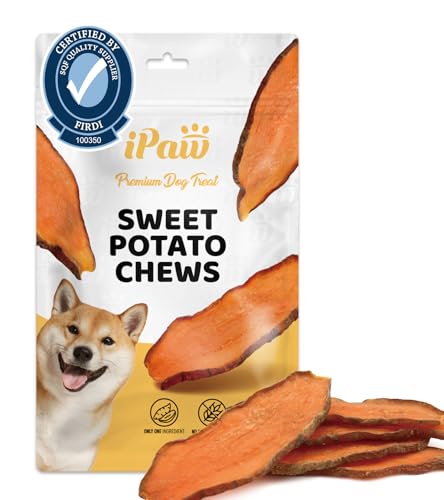
iPaw Sweet Potato Dog Treats

Halo Holistic Plant-Based Wet Dog Food 13 oz

Blue Buffalo Life Protection Salmon Adult Dry Food 5 lb
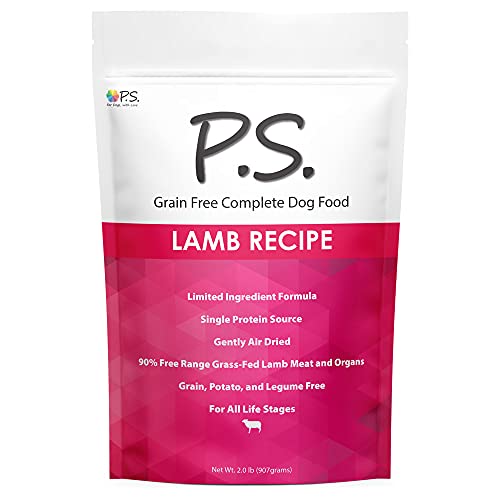
Ps for Dogs 100% Hypoallergenic Air-Dried Lamb Food

Nutro Limited Ingredient Diet Lamb & Sweet Potato 4 lb

V-dog Kind Jerky Vegan Treats 8 Ounce

Evanger’s Complements Vegetarian Dinner 12.5 oz Cans

Royal Canin HP Hydrolyzed Protein Dog Food 7.7 lb
More Details On Our Top Picks
Sweet potato slices and sticks are about as close to a single-ingredient treat as the category gets, which matters enormously when your dog reacts to mystery fillers. iPaw produces these through a process recognized under GFSI food-safety benchmarks, with traceability from farm to finished bag.
In practice, that transparency gives you confidence during elimination trials, when every added ingredient is a suspect. The 3.5-ounce bags come singly or in multi-packs, so you can start small before committing to a bulk stash.
Bright Spots
- Simple sweet potato base sidesteps common meat and grain triggers
- GFSI-recognized production standards with farm-to-finish traceability
- Three pack sizes let you trial before stocking up
- Chewy texture suits slow snackers and training rewards alike
Small Caveats
- Soft chews can dry out once opened, so reseal the bag promptly
- At 3.5 ounces per bag, heavy treat users will burn through packs quickly
Who Should Grab It
Dogs mid-elimination diet who still deserve a reward, plus owners who want ingredient lists they can read in five seconds.
A Better Fit Elsewhere
For a protein-rich training treat with more variety, V-dog Kind Jerky offers pea protein and flaxseed in a similar soft format.
Canned food solves a problem dry kibble can’t: palatability. Older dogs, fussy eaters, and pups recovering their appetite tend to clean the bowl on a wet recipe, and this one manages it without chicken, corn, wheat, or soy. Halo builds the formula entirely from non-GMO garden vegetables, made in the USA.
The nutritional backbone is what sets it apart from lighter vegetarian options. Added taurine supports heart function, while omega fatty acids from plant sources aim at coat condition. A twelve-can case of 13-ounce tins covers roughly two weeks of meals for a medium-sized dog, depending on portioning.
Reasons To Buy
- Complete and balanced for adult dogs, not a topper or mixer
- No chicken, corn, wheat, or soy anywhere in the recipe
- Added taurine supports cardiovascular health on meat-free diets
- Plant-derived omega fatty acids target skin and coat condition
- Wet format tempts senior dogs and picky eaters
Things To Consider
- Opened cans need refrigeration and finish within a couple of days
- Twelve-can cases take real pantry space compared to a kibble bag
Quick Facts
Made For
Owners of adult dogs with confirmed chicken or grain sensitivities who want a complete wet meal rather than another kibble experiment.
Where A Sibling Pick Shines
Multi-pet homes juggling a cat and a dog will find Evanger’s Vegetarian Dinner more practical, since one can serves both species.
Not every sensitive dog needs a fully vegan bowl. Chicken is the single most common protein trigger, and Blue Buffalo’s salmon and brown rice recipe removes it completely while keeping fish as the lead ingredient. The Life Protection line spans seven flavor variants, from lamb to healthy-weight chicken, so households with multiple dogs can standardize on one brand.
The 5-pound bag suits small breeds or trial periods; larger dogs will want the bigger formats. Kibble storage is straightforward, though the smaller bag means more frequent repurchasing than a 30-pound sack.
What We Like
- Salmon-first recipe with zero chicken content
- Brown rice provides gentle, digestible carbohydrates
- Seven recipe variants cover different needs under one brand
- Formulated specifically for adult maintenance
Worth Noting
- Fish recipes carry a stronger odor some kitchens notice
- The 5-lb size runs out fast for dogs over 40 pounds
Right Fit For
Adult dogs whose itching traces back to chicken, whose owners aren’t ready to abandon animal protein altogether.
Swap It Out When
Grain sensitivity joins the picture, since brown rice won’t work there; Nutro’s limited-ingredient lamb recipe handles both triggers at once.
Paw licking and constant scratching usually point to yeast growth fueled by high-glycemic carbohydrates. Ps for Dogs attacks that angle directly with a low-glycemic, grain-free recipe built on human-grade New Zealand lamb. The air-drying process, which removes moisture at low temperatures instead of high-heat extrusion, keeps pieces soft and meaty without added starch binders.
Limited-ingredient formulas like this one are designed for dogs with food sensitivities, and many owners report calmer skin over weeks of consistent feeding, though individual results vary and persistent symptoms deserve a vet visit. Fussy eaters are the other beneficiary; air-dried lamb tends to win over kibble skeptics fast.
Standout Traits
- Low-glycemic design targets yeast-related paw licking at its source
- Human-grade New Zealand lamb as the core protein
- Air-dried texture doubles as a high-value hypoallergenic treat
- Grain-free and high protein for athletic or picky dogs
- Single-mission brand focused entirely on food-sensitive dogs
- Soft pieces suit seniors with dental wear
Honest Caveats
- Air-dried food costs noticeably more per serving than extruded kibble
- Lamb won’t help dogs already sensitized to it, so check history first
- Meaty aroma lingers in an open bag stored at room temperature
Details At A Glance
Whose Shelf It Belongs On
Dogs stuck in the lick-chew-scratch cycle, especially those whose owners have already ruled out environmental causes with a vet.
Reach For A Different Pick When
Budget-conscious feeders managing mild sensitivities may prefer Nutro’s lamb and sweet potato kibble, which delivers similar exclusions at a lower running cost.
An elimination diet lives or dies on short ingredient lists, and Nutro keeps this recipe to ten key ingredients or fewer. Lamb leads, sweet potato supplies gentle carbs, and the exclusions run deep: no chicken, dairy protein, beef, chicken by-product meal, corn, wheat, or soy. Non-GMO sourcing rounds out the profile.
Omega 3 and 6 fatty acids address the skin side of sensitivities, while vitamin E and selenium support immune function. Compared to Ps for Dogs’ premium air-dried format, this is the pragmatic everyday version of the same lamb-first logic, available in 4- and 22-pound bags.
Plus Points
- Ten key ingredients or fewer simplifies trigger identification
- Lamb as the first ingredient, a less common protein than chicken or beef
- Omega fatty acids nourish sensitive skin toward a softer coat
- Antioxidants like vitamin E support everyday immunity
- Two bag sizes fit both trials and long-term feeding
Points To Note
- Trace amounts of excluded proteins can appear from shared manufacturing lines
- Highly allergic dogs may need stricter single-source options
Core Details
Who Will Love This
Households running a structured elimination trial on a realistic budget, with a dog suspected of reacting to chicken or beef.
Look Elsewhere When
Your vet has diagnosed a true protein allergy requiring hydrolyzed nutrition; Royal Canin HP is engineered for exactly that scenario.
Training a puppy on a restricted diet gets awkward fast, because most commercial treats smuggle in the exact ingredients you’re avoiding. V-dog’s Kind Jerky closes that gap with eight recognizable ingredients: pea protein, sweet potato, flaxseed, chia seed, coconut glycerin, cane molasses, potato flour, and apple cider vinegar.
Everything on that list is plant based, wheat-free, corn-free, soy-free, and dairy-free, which makes these strips safe alongside nearly any elimination protocol. The jerky tears into small pieces easily, a genuine advantage during rapid-fire reward sessions where big chunks slow you down. An 8-ounce bag lasts a reasonable stretch of daily training.
Highlights
- Eight simple ingredients, all plant derived
- Free of wheat, corn, soy, dairy, and animal products
- Tears cleanly for high-frequency training rewards
- Flaxseed and chia add omega fatty acids to every strip
Softer Spots
- Jerky strips can harden in dry climates once the bag sits open
- Pea protein won’t suit dogs with legume sensitivities
Best Suited To
New puppy owners and positive-reinforcement trainers whose sensitive dogs need a treat that never breaks the dietary rules.
Another Choice May Suit
Dogs doing better with single-ingredient snacks should reach for the iPaw sweet potato treats, which strip the list down even further.
Few canned foods serve two species honestly, but this vegetarian dinner carries a formulation intended for dogs and cats alike, meeting AAFCO nutrient profiles across all life stages. Sweet potatoes, peas, carrots, brown rice, and cranberries supply fiber and plant nutrients in a gluten-free base with no artificial additives.
Flexibility is the real selling point. Serve it as a standalone meal, stir it into kibble as a mixing base, or use it during low-protein feeding plans your vet has outlined. Against Halo’s dedicated vegan recipe, Evanger’s trades single-species optimization for household versatility, which matters in homes where the cat steals from the dog’s bowl anyway.
Upsides
- Formulated for both dogs and cats, simplifying multi-pet pantries
- AAFCO-compliant across all life stages, puppies through seniors
- Works as a complete meal or a kibble mixing base
- Gluten-free with recognizable vegetables and fruits
- Suits low-protein and elimination feeding plans
Minor Gripes
- Vegetable-forward aroma isn’t every dog’s favorite straight from the can
- Leftover portions require covered refrigeration like any wet food
Feature Snapshot
The Right Fit
Mixed dog-and-cat homes wanting one hypoallergenic-friendly staple, plus owners following vet-guided low-protein routines.
Consider Something Else When
You’re feeding a dog alone and want maximum palatability; Halo’s Holistic vegan cans are tuned specifically for canine appetites.
Hydrolyzed protein sounds technical, but the idea is simple: soy protein broken into fragments so small the immune system struggles to recognize them as allergens. Royal Canin’s veterinary-exclusive HP formula uses those low molecular weight peptides as its foundation, making it a standard choice for structured elimination feeding and long-term management of diagnosed sensitivities.
EPA and DHA fatty acids support skin and digestive health, while the formula targets the skin’s natural barrier function. This is the tool you reach for after simpler swaps fail, ideally under veterinary guidance. Three bag sizes, from 7.7 to 25.3 pounds, accommodate both diagnostic trials and ongoing feeding.
Strong Points
- Hydrolyzed soy peptides minimize allergic recognition
- Designed for both short-term elimination and long-term feeding
- EPA and DHA support skin and gastrointestinal health
- Supports the skin’s natural protective barrier
- Three bag sizes match trial versus maintenance budgets
Trade Offs
- Veterinary-exclusive status means professional consultation comes first
- Hydrolyzed diets sit at the top of the category’s cost range
- Kibble palatability varies; some dogs need a transition period
Spec Overview
Built With In Mind
Dogs with vet-diagnosed food allergies whose symptoms persisted through novel-protein and limited-ingredient attempts.
Not Your Match When
Symptoms are mild and undiagnosed; start with Nutro’s limited-ingredient lamb recipe before moving to a hydrolyzed diet.
Choosing Between These Formulas Without Guesswork
Start With The Trigger, Not The Label
“Hypoallergenic” describes intent, not a guarantee. Your first job is identifying what your dog actually reacts to, and that usually means a structured elimination trial: one simplified diet for several weeks, then careful reintroduction. A limited-ingredient lamb recipe like Nutro’s isolates variables well, while a hydrolyzed formula such as Royal Canin HP removes recognition almost entirely. Jumping between foods weekly tells you nothing except that your dog is uncomfortable.
Match Format To Your Household
Wet food wins on palatability and hydration but demands fridge space and quick use after opening. Kibble stores for weeks and costs less per meal, which matters for large breeds. Treats deserve equal scrutiny, since a perfect dinner undone by filler-loaded biscuits is a common frustration. Align every item in the pantry, meals and rewards included, with the same exclusion rules.
Read Exclusions As Carefully As Ingredients
The absence list often matters more than the presence list. Chicken, beef, corn, wheat, and soy account for most reported food reactions in dogs, so scan for those five first. Trace-contamination warnings matter too: dogs with severe allergies may react even to shared-line production, which pushes them toward stricter options.
Key Considerations Across These Picks
Traps First Timers Fall Into
Switching foods too fast tops the list. Sensitive stomachs need a gradual transition over a week or more, blending increasing amounts of the new food into the old. Second trap: judging a diet within days. Skin and coat changes typically show over weeks, so give any trial adequate time before verdicts. Third, forgetting treats and table scraps, which quietly sabotage otherwise disciplined feeding.
What Separates Premium From Basic
Higher-tier products pay for processing and purity. Air-drying preserves nutrients that high-heat extrusion degrades, and hydrolysis requires specialized manufacturing that shows up in cost. Veterinary-exclusive formulas add clinical formulation behind them. Paying up makes sense for diagnosed allergies or stubborn symptoms; for mild sensitivities, a well-built limited-ingredient kibble usually does the job.
Frequently Asked Questions
Can a vegan diet truly be complete for dogs?
Yes, provided the formula is labeled complete and balanced for your dog’s life stage. Options like Halo’s Holistic cans add taurine and essential amino acids to cover nutrients dogs normally get from meat.
How long before I see skin improvement on a new diet?
Most owners notice changes within four to eight weeks of consistent feeding. Coat and skin cells turn over slowly, so patience beats constant switching.
Are grain-free and hypoallergenic the same thing?
No, they overlap but differ. Grain-free removes grains only, while hypoallergenic formulas target the broader set of common triggers including specific proteins.
Do I need a vet prescription for hydrolyzed food?
Royal Canin HP is veterinary-exclusive, meaning it’s sold with professional involvement expected. Discuss it with your vet before starting an elimination trial.
Can cats eat dog food in a pinch?
Occasional bites rarely cause harm, but cats have distinct nutritional requirements like taurine levels. Evanger’s dual-species formula is the exception here, designed for both.
Closing Remarks
Sensitive dogs don’t need complicated solutions, just consistent ones. Pick the formula matching your dog’s actual triggers, transition slowly, keep treats aligned with the plan, and give each trial enough weeks to show its hand. With any luck, one of these eight earns a permanent spot on your pantry shelf.
