

A buried-wire fence gives your dog real freedom without turning your yard into a chain-link compound. The catch is that kits differ wildly in acreage, collar durability, and correction style, and picking the wrong one means a weekend of trenching followed by a system that doesn’t suit your dog. This roundup sorts the strongest options by yard size, dog temperament, and how much digging you’re willing to do.
The Shortlist At A Glance

AVELOTUUG 30-Panel No-Dig Animal Barrier Fence, 42.5ft x 13in
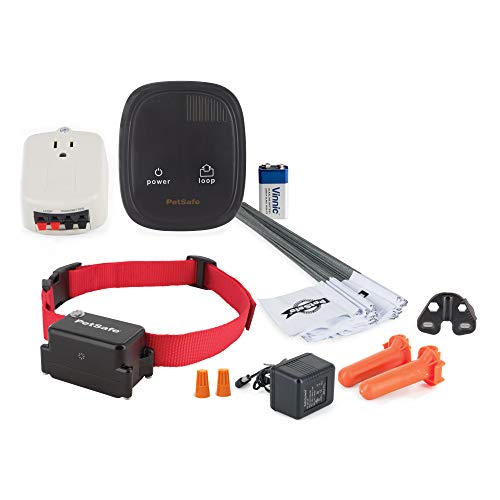
PetSafe Stubborn Dog In-Ground Fence, Without Wire
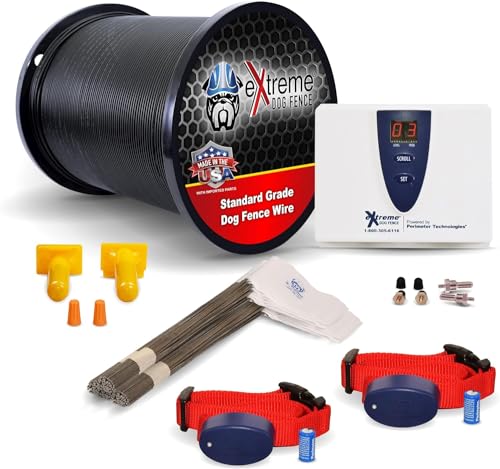
Extreme Dog Fence Standard Kit, 2-Dog, 1500 ft

Extreme Dog Fence Standard Kit, 1-Dog, 500 ft
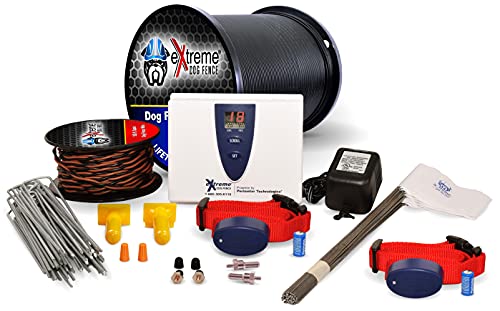
Extreme Dog Fence Pro Grade Kit, 2-Dog, 1000 ft

PetSafe YardMax In-Ground Fence, Up to 1/3 Acre

Extreme Dog Fence 20 Gauge Boundary Wire, 1000 ft

SportDOG Contain + Train System, Up to 1 1/3 Acres
More Details On Our Top Picks
This isn’t an electronic fence at all, and that’s exactly its appeal. Thirty rustproof steel panels stretch 42.5 feet along fence lines, garden beds, or patio edges, blocking the gap under an existing fence that determined diggers treat like a doorway. The 13-inch height stays low enough to keep your yard looking tidy.
Installation is the headline here: no trenching, no transmitter, no collar training. You press each panel into the soil and connect them end to end, a job most owners finish in an afternoon. Rabbit owners use it the same way, and the black finish blends into landscaping rather than fighting it.
Strong Points
- 42.5 feet of coverage from 30 linked panels handles long fence runs in one purchase
- Rustproof construction survives rain, sprinklers, and snowy winters without flaking
- No-dig setup means renters and DIY-shy owners can install it in hours, not weekends
- Doubles as garden edging to keep pets out of planted beds
- Low 13-inch profile keeps sightlines and curb appeal intact
Things To Consider
- It only blocks physical gaps, so it can’t contain a dog in an open yard the way a wired system can
- Rocky or clay soil can make pressing the stakes down harder than the product photos suggest
Who It Suits Best
Renters and homeowners who need to seal gaps under an existing fence without touching a shovel or a transmitter.
Where A Sibling Pick Shines
For full-yard containment of a single dog on a small lot, the Extreme Dog Fence Standard 1-Dog 500 ft kit is the more complete solution.
Some dogs simply ignore a standard correction level, and PetSafe built this system for exactly that temperament. The Stubborn Dog collar delivers a stronger correction than the brand’s standard receivers, aimed at hard-headed or hard-of-hearing dogs who shrug off gentler systems. The “without wire” configuration matters too: you supply your own boundary wire, which suits owners replacing a failed kit or planning an unusually large loop.
In day-to-day use, the setup follows the classic buried-wire formula: a transmitter, a boundary loop, and a receiver collar that warns then corrects as your dog approaches the line. Owners commonly report the higher correction setting earns respect from dogs that other collars couldn’t hold, though the trade-off is obvious. This collar isn’t the right tool for timid or small dogs, and you’ll want to budget for quality wire and waterproof splices since none are included.
What We Like
- Stronger correction levels designed specifically for willful or hearing-impaired dogs
- Wire-free kit lets you choose your own gauge and length of boundary wire
- PetSafe’s long track record means replacement collars and parts stay easy to find
Worth Noting
- Boundary wire is sold separately, so the true project cost is higher than the box suggests
- The firmer correction makes it a poor match for sensitive or anxious dogs
- Collar batteries need periodic replacement, a recurring cost owners should plan for
Made For
Owners of strong-willed, large, or hearing-impaired dogs who’ve already watched a standard system fail.
Consider Something Else When
Gentler temperaments do better on the PetSafe YardMax, which pairs a softer approach with smarter boundary logic.
Two dogs, six acres, and a collar that survives a swim: this second-generation Standard kit covers the middle ground most multi-dog households actually live in. The 1500 feet of included wire is enough for a generous suburban or rural loop, and the updated electronics add three antennas plus a 12x battery check so the system tells you before the collar goes silent.
The receiver is fully waterproof and submersible to 10 feet, a real distinction in a category where many collars only claim water resistance. Lake dogs and pond dogs can wear it without consequence, which owners of retrievers consistently call out as a deciding factor. Compared with the Pro Grade kit further down this list, you give up some acreage ceiling and diagnostic extras, but for most fenced yards under six acres, the Standard tier does the same job for less.
Highlights
- Covers up to 6 acres, enough for large rural properties without buying extra wire
- Collar receiver submerges to 10 feet, so swimming dogs keep full protection
- Three-antenna electronics improve signal consistency around the loop
- 12x battery check warns you before the collar loses power mid-day
- Two collars included, ready for a two-dog household out of the box
Small Caveats
- Trenching 1500 feet of wire is a genuine weekend project, so plan the route before the box arrives
- Standard-grade wire is thinner than the Pro kit’s, and owners in rocky soil sometimes upgrade later
Quick Facts
Right Fit For
Households with two dogs and a half-acre-to-multi-acre property who want proven containment without Pro-tier pricing.
Swap It Out When
Properties pushing past six acres or owners who want wire diagnostics should step up to the Extreme Dog Fence Pro Grade kit.
This is the entry point to the Extreme Dog Fence line, and it keeps the same core electronics as its bigger siblings while trimming everything a single-dog, small-yard household doesn’t need. Five hundred feet of wire wraps a modest suburban lot comfortably, and one collar keeps the upfront cost down. For a first containment system, that’s a sensible place to start.
Because it shares the Standard-grade platform, you get the same waterproof receiver approach and the option to add collars later if a second dog joins the family. The honest trade-off is scale: a quarter-acre loop is where this kit is happiest, and owners with larger properties will run out of wire quickly. Trenching 500 feet is still real labor, though noticeably less than the 1500-foot job its two-dog sibling demands.
Plus Points
- Lowest-commitment way to try a buried-wire system on a small lot
- Same Standard-grade receiver platform as the larger kits, so upgrades stay simple
- Add-a-collar flexibility grows with your household
Points To Note
- 500 feet of wire limits you to smaller perimeters, and expansions mean buying more wire
- Fewer included accessories than the multi-dog kits, so budget for flags and splices
Who Should Grab It
First-time owners with one dog on a quarter-acre or smaller lot who want a proven brand at the friendliest entry cost.
Reach For A Different Pick When
Two-dog homes get better value from the Extreme Dog Fence Standard 2-Dog 1500 ft kit, which bundles both collars and triple the wire.
Ten acres is serious territory, and this Pro Grade kit is built for it. The upgraded transmitter adds temperature and wire checks on top of the three-antenna design and 12x battery check, so the system actively reports its own health instead of failing silently. For rural properties, that self-monitoring is the difference between a quick fix and a dog on the loose.
The collar receiver keeps the same fully waterproof, submersible-to-10-feet construction as the Standard kits, so lake days are a non-issue. Where it pulls ahead is durability and headroom: heavier-duty wire, stronger electronics, and expansion capacity that suits owners who expect to grow their boundary over time. Compared with the Standard 2-Dog kit earlier in this list, you’re paying for diagnostics, tougher components, and acreage ceiling rather than a fundamentally different experience.
Bright Spots
- Covers up to 10 acres, the largest footprint in this roundup
- Wire check and temp check alert you to loop damage before it becomes an escape
- Collar submerges to 10 feet without losing function
- Pro-grade components hold up better in rocky soil and harsh weather
Softer Spots
- 1000 feet of included wire still falls short of a full 10-acre loop, so big properties should budget for extra wire
- The added diagnostics mean more settings to learn during setup
Feature Snapshot
Best Suited To
Rural owners with multi-acre land and two dogs who want self-monitoring hardware and room to expand.
Another Choice May Suit
Suburban lots under six acres get everything they need from the cheaper Extreme Dog Fence Standard 2-Dog 1500 ft kit.
Traditional buried-wire systems correct your dog before he crosses the line, which means a chunk of your yard becomes a no-go buffer zone. YardMax flips that logic: the correction happens only after your dog steps past the wire, so nearly the whole property stays playable. On a typical 1/3-acre suburban lot, that recovered space is the whole selling point.
The kit arrives with 500 feet of 20-gauge wire and boundary flags, and PetSafe sells add-a-dog collars separately for growing households. Owners commonly report the tighter correction zone takes a little more diligence during flag training, since the margin for error is smaller than with wide-buffer systems. For well-trained dogs on standard lots, though, the extra run room is hard to argue with, and it contrasts nicely with the Stubborn Dog model’s brute-force approach.
Reasons To Buy
- Correction fires only after the boundary, maximizing usable yard space
- 500 feet of 20-gauge wire covers up to 1/3 acre out of the box
- Compatible add-a-dog collars make multi-dog expansion straightforward
Room For Improvement
- The narrow correction margin demands careful, consistent boundary training early on
- 1/3-acre coverage means larger properties need additional wire purchases
The Right Fit
Suburban owners on quarter-to-third-acre lots who want every square foot of yard available to their dog.
Not Your Match When
Determined escape artists need the firmer correction of the PetSafe Stubborn Dog system instead.
Wire is the part of an in-ground fence most likely to fail, and this 1000-foot spool of 20-gauge cable is the fix. It works as a heavy-duty replacement for factory-thin wire or as an expansion run for an existing Extreme Dog Fence loop, covering up to an acre on its own. Thicker insulation and a sturdier conductor mean fewer breaks from rocks, roots, and freeze-thaw cycles.
The brand recommends burying it 2 to 3 inches deep, though above-ground installation with staples is an option for owners who’d rather skip the trenching. Pairing it with waterproof splices is the detail that separates a loop that lasts a decade from one that fails at the first connection point. It’s a supporting product, but arguably the most important one on this list for long-term reliability.
Upsides
- 1000 feet covers up to an acre or extends an existing boundary loop
- Heavy-duty 20-gauge build resists the breaks that plague thinner factory wire
- Works buried 2 to 3 inches deep or stapled above ground for easier installs
- Compatible with waterproof splices for durable, weatherproof joints
Minor Gripes
- It’s wire only, no transmitter or collar, so it complements rather than replaces a kit
- Burying a full spool by hand is slow going without a trencher rental
Who Will Love This
Owners repairing a failed loop or expanding an Extreme Dog Fence system who want wire that outlasts the original install.
Look Elsewhere When
Complete newcomers should start with a full kit such as the Extreme Dog Fence Standard 1-Dog 500 ft, which bundles everything needed.
Most kits contain your dog; this one trains him too. The waterproof, submersible collar receiver does double duty, working with the buried boundary wire and with a handheld e-collar remote, so containment and obedience training run through a single collar. One kit covers 1 1/3 acres for one dog, with 1000 feet of wire and 100 boundary flags included, and expansion to 100 acres is possible with added wire and flags.
It fits any dog 10 pounds and up, which makes it unusually flexible across breeds. The trade-off is scope: for households that only need containment, the training remote is extra hardware to learn and charge. Owners of young or high-energy dogs, though, tend to see the combined system as one purchase replacing two, and SportDOG’s field-trial heritage shows in the build quality.
Standout Traits
- One collar handles both boundary containment and remote training sessions
- Expandable from 1 1/3 acres up to 100 acres with additional wire and flags
- Submersible receiver survives swimming and downpours
- Fits dogs from 10 pounds up, covering most breeds
- 1000 feet of wire and 100 flags arrive in the box
Honest Caveats
- The remote adds a learning curve and charging routine that containment-only owners won’t use
- Single-collar kit means multi-dog homes need to buy additional receivers
Details At A Glance
Built With In Mind
Active owners of one young or high-drive dog who want fence and trainer combined in a single rugged system.
Where Another Pick Suits Better
Containment-only households save money and complexity with the PetSafe YardMax on similar lot sizes.
What Matters Most Before You Buy
Yard Size And Wire Math
Coverage claims deserve a calculator, not a glance. A kit advertising six acres usually includes only enough wire for a fraction of that loop, and the rest comes out of your wallet. Measure your perimeter first, add 10 percent for slack and routing, then match the kit to the real number.
Your Dog’s Temperament And Size
Correction strength is a fit question, not a status symbol. Timid or small dogs do better with gentler systems like the YardMax, while willful or hearing-impaired dogs may need the Stubborn Dog’s firmer levels. Weight minimums matter too; the SportDOG system starts at 10 pounds.
Installation Reality
Buried wire means trenching 2 to 3 inches deep along your entire perimeter, a multi-hour job per 500 feet depending on soil. Rocky ground and tree roots slow everything down, so rent a trencher for long runs. No-dig barrier panels like the AVELOTUUG remain the shortcut for gap-filling jobs.
Collar Durability And Power
Water resistance labels hide a real divide: some collars only shrug off rain, while others submerge to 10 feet. Swimming dogs need true submersible receivers. Battery type matters just as much, since replaceable batteries are a recurring cost and rechargeable designs shift that burden to a charging routine.
Key Considerations Across These Picks
Traps First Timers Fall Into
The most common mistake is buying on acreage claims without counting wire feet, then discovering mid-install that the loop won’t close. The second is skipping boundary training; a collar without two weeks of flag work teaches a dog nothing except to fear the yard. Budget for splices and flags up front rather than improvising with electrical tape.
The Case For Spending Up
Higher-tier kits buy diagnostics, not just range. Wire checks, temperature monitoring, and battery alerts catch failures before your dog does, which matters more as your boundary grows. Pro-grade wire and submersible collars also age better, so the upgrade pays off over years of ownership rather than on day one.
Frequently Asked Questions
How deep should in-ground dog fence wire be buried?
Most manufacturers recommend 2 to 3 inches below the surface. That depth protects the wire from mowers while keeping the signal strong enough for the collar to read consistently.
Can I install an in-ground fence myself?
Yes, most kits are designed for DIY installation with a spade or rented trencher. A 500-foot loop is a manageable weekend project, while larger runs go faster with powered equipment.
Will the correction hurt my dog?
These systems deliver a static correction similar to a static shock from carpet, adjustable across multiple levels. Proper training and correct level selection for your dog’s size and temperament are essential, so follow the manufacturer’s guidance closely.
Can I use an in-ground fence with multiple dogs?
Most systems support additional collars sold separately, and some kits like the Extreme Dog Fence 2-Dog options include two from the start. Check the transmitter’s collar capacity before expanding.
What happens if the wire breaks?
A break breaks the signal loop, and the transmitter typically alerts you or the collar stops working at that section. Waterproof splice kits and a wire break locator make repairs straightforward once you find the fault.
Bottom Line
The right choice comes down to three numbers: your perimeter footage, your dog’s weight and temperament, and how much digging you’ll actually do. Small-lot owners should start with the PetSafe YardMax or the Extreme Dog Fence 500-foot kit, while multi-acre properties justify the Pro Grade hardware. Seal fence-line gaps with the AVELOTUUG panels, and whatever system you choose, give the boundary training the two weeks it deserves.
