

Leaving a dog home alone never gets easier. You wonder whether the chewing is boredom or anxiety, whether the whining stopped, whether the couch survived. A good indoor dog camera closes that gap: you check in from your phone, talk your pup down from a barking fit, and catch trouble before it becomes a vet bill. The eight cameras below cover every budget and setup, from budget fixed lenses to 4K pan-and-tilt units that follow your dog around the room. Each one earns its spot on specs, app quality, and how it actually behaves in a lived-in home with a shedding, snoozing, occasionally destructive four-legged roommate.
Quick Look At Our Top Picks

TP-Link Tapo C220 2K Pan/Tilt Pet Camera

Arlo Essential Indoor Pan Tilt Zoom Camera 2K (2-Cam)

GNCC GC4 2K Indoor Security Camera

TP-Link Tapo C100 1080P Indoor Security Camera

Cinnado D1 2K Indoor Security Camera
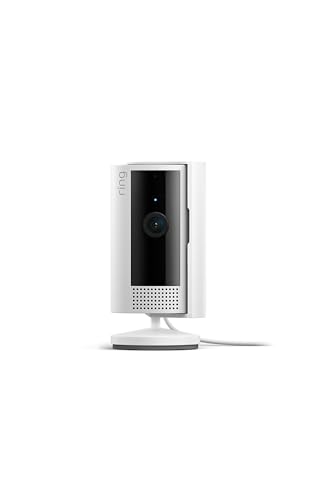
Ring Indoor Cam 1080p HD (White)
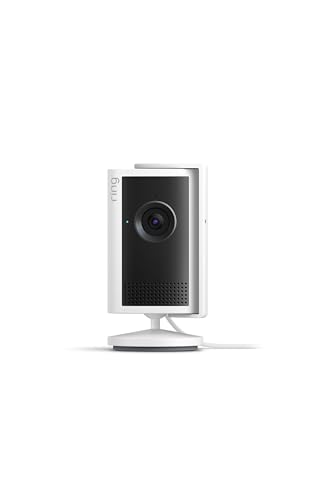
Ring Indoor Cam Plus Retinal 2K (White)

eufy Security 4K Indoor Camera E30
More Details On Our Top Picks
The Tapo C220 is the pick that fits the widest range of dog owners, and it earns that position through motion tracking rather than raw resolution alone. The motorized head pans and tilts to follow movement across the room, so a restless dog pacing between the couch and the door stays in frame without you swiping your phone every ten seconds.
At 2K resolution, fur texture and facial expressions come through clearly enough to read your dog’s mood during a lunchtime check-in. Two-way audio lets you interrupt a barking session, and the Tapo app handles both microSD card and cloud storage, so you choose where clips live.
Strong Points
- Motion tracking keeps a wandering dog centered in the frame automatically
- 2K 4MP sensor resolves enough detail to spot chewed furniture corners
- Baby-crying-style sound alerts translate well to whimpering or distress noises
- Works with Alexa and Google Home voice commands for hands-free viewing
- Local SD card storage means no monthly bill unless you opt into the cloud tier
Things To Consider
- The motorized head makes faint noise when panning, which some sound-sensitive dogs notice at first
Key Specs
Who It Suits Best
Anyone who wants one dependable camera covering a whole living room, especially owners of dogs that roam while alone.
Where Another Pick Suits Better
Shoppers wanting maximum image sharpness over tracking should look at the eufy E30’s 4K sensor instead.
This bundle ships two wired 2K cameras rather than one, which changes the math entirely for homes where your dog has favorite spots in different rooms. One unit watches the living room couch, the other covers the kitchen or crate area, and both stream into the same Arlo app view.
The 360-degree pan and 180-degree tilt range leaves almost no blind corner, and dual-band WiFi keeps the connection stable even on crowded networks. Compared with the single Tapo C220 above, you pay more upfront but skip buying a second camera later. Owners commonly report the setup takes minutes since power comes from a wall outlet rather than batteries, so there’s no charging routine to forget.
What We Like
- Two cameras in one purchase cover multiple rooms out of the box
- Full 360° pan and 180° tilt sweep eliminates most blind spots
- Dual-band WiFi support reduces lag on busy home networks
Worth Noting
- Wired placement limits mounting spots to areas near an outlet
- Some advanced features sit behind Arlo’s subscription plans, which adds ongoing cost
Made For
Owners of anxious or senior dogs who need eyes on two separate spaces at once.
Consider Something Else When
A single-room apartment dweller gets better value from the GNCC GC4 further down this list.
First-time camera shoppers often don’t want to spend much before knowing they’ll actually use the thing, and that’s exactly where the GNCC GC4 lands. It records 2K 3MP video, connects over either 2.4GHz or 5GHz WiFi, and covers the essentials: motion and sound alerts, two-way audio, and round-the-clock recording.
Six infrared LEDs push usable black-and-white night vision out to roughly 32 feet, which handles most living rooms after dark. The companion Osaio app adds a privacy mode and camera sharing, handy when a partner or dog sitter needs access. Unlike the pricier Arlo pair, this is a fixed mini body with manual angle adjustment, so you aim it once at the sofa and leave it. Placement matters with any IR camera: keep it away from windows, since infrared light bounces off glass and washes out the image.
Highlights
- Dual-band WiFi works on both older and newer routers
- 32-foot infrared range covers large rooms overnight
- Privacy mode disables the lens without unplugging anything
- Camera sharing lets a partner or sitter view the same feed
Trade Offs
- No motorized pan or tilt, so coverage depends on where you mount it
- IR reflection off windows blurs footage if placed near glass
- The Osaio app feels less polished than Tapo or Ring software
Quick Facts
Right Fit For
Renters and first-time owners testing whether a pet camera earns its shelf space.
Not Your Match When
Anyone wanting automatic tracking will prefer the pan-and-tilt Tapo C220 instead.
The C100 is the older sibling of our top pick, and it remains one of the most sensible entry points into pet monitoring. You give up the 2K resolution and motorized tracking of the C220, but the core experience holds up: crisp-enough 1080p video, instant push alerts for motion and sound, and two-way audio for telling your dog to get off the bed.
Night vision reaches about 30 feet using built-in infrared, plenty for a bedroom or den. Storage follows the same flexible pattern as its sibling, with microSD and cloud options inside the same Tapo app, which matters if you already own other Tapo gear. For a crate-trained puppy or a dog that sleeps in one spot all day, the fixed lens is honestly all you need.
Upsides
- Shares the polished Tapo app ecosystem with the C220
- Sound and motion alerts arrive without extra fees
- Compact bullet shape tucks onto shelves unobtrusively
Minor Gripes
- Fixed lens means repositioning physically whenever the dog’s hangout moves
Best Suited To
Budget-minded owners watching a single resting spot, like a crate or favorite chair.
Look Elsewhere When
Multi-room coverage calls for the two-camera Arlo bundle reviewed earlier.
Here’s a detail most spec sheets skip: the Cinnado D1 uses 940nm infrared LEDs for its night vision, which emit essentially no visible red glow. Standard 850nm LEDs produce a faint telltale shimmer that light-sensitive dogs sometimes react to, so this quieter approach suits nervous rescues still adjusting to being alone.
The rest of the package matches its price bracket. You get 2K full-HD streaming, remote pan and tilt controlled from the phone app for full-room coverage, and two-way audio through the same app. Against the similarly priced GNCC GC4, the D1 trades dual-band WiFi for motorized movement, a swap many living-room setups will welcome. Footage stores locally or in the cloud depending on your preference, and the small footprint disappears on a bookshelf.
Bright Spots
- 940nm infrared avoids the visible glow that can unsettle skittish dogs
- Remote 360° pan and tilt covers the whole room from your phone
- 2K streaming resolves bedding, toys, and expressions clearly
- Tiny body blends into shelving and side tables
Softer Spots
- Limited to 2.4GHz WiFi, which can congest on packed networks
- App notifications occasionally lag behind the event itself, per common owner reports
Feature Snapshot
Who Will Love This
Owners of anxious or newly adopted dogs who need discreet overnight monitoring.
Skip It When
Homes running 5GHz-only mesh systems will find the GNCC GC4’s dual-band radio more compatible.
If your front door already wears a Ring doorbell, this camera slots into the same app and notification flow without learning curve. The 1080p sensor won’t match the 2K picks here for raw detail, yet color night vision keeps evening footage readable, and Advanced Pre-Roll captures a few seconds before each motion event so you see what led up to the zoomies.
The standout feature for pet owners is physical: a manual privacy cover that shuts off both camera and microphone with a twist. That tangible off switch matters in bedrooms and home offices where you want guaranteed silence. It’s a fixed-lens design like the Tapo C100, so framing is set once at installation. Recording beyond live view requires a Ring subscription plan, which is the main long-term cost to weigh against Tapo’s local SD option.
Plus Points
- Manual privacy cover cuts camera and mic with a physical swivel
- Pre-roll buffering shows context before each motion trigger
- Integrates cleanly with existing Ring doorbells and alarms
Small Caveats
- Video history requires a Ring subscription, unlike SD-card rivals
- 1080p resolution trails the 2K field on fine detail
Perfect Match For
Households already invested in the Ring ecosystem who value a hardware privacy switch.
Another Choice May Suit
Subscription-averse shoppers will prefer the eufy E30’s local-storage approach below.
The Indoor Cam Plus answers the main complaint about the standard Ring model: resolution. Its Retinal 2K sensor delivers noticeably truer-to-life video, and 4x enhanced zoom lets you punch in on a corner of the room to confirm whether that shredded object was a toy or a shoe. Low-Light Sight keeps colors accurate with just a little ambient light, switching to infrared only in true darkness.
You keep the same app experience and privacy-cover philosophy as the cheaper Ring Indoor Cam, so upgrading feels familiar rather than disruptive. Note that video quality depends partly on your internet bandwidth, a fair caveat for 2K streams. For dim apartments or north-facing rooms where the 1080p model struggles after sunset, this is the Ring worth stretching for.
Reasons To Buy
- Retinal 2K sensor produces sharper, more lifelike footage than the base model
- 4x enhanced zoom reveals distant details without losing clarity
- Low-Light Sight preserves true color in dim conditions
- Fits existing Ring app routines and notification settings
Points To Note
- Stream quality dips on slower internet connections, per the manufacturer’s own note
- Recording plans remain subscription-based like other Ring hardware
Details At A Glance
Who Should Grab It
Ring users in low-light homes who want sharper video without leaving their ecosystem.
Swap It Out When
Maximum resolution seekers should step up to the 4K eufy E30 instead.
The E30 sits at the top of this list for one decisive reason: 4K recording with no required monthly plan. Over three years, that difference compounds into real savings compared with subscription-based rivals like Ring, and the footage quality gap is obvious the moment you scrub back through a clip. Fur, dust motes, guilty expressions, all of it renders sharply.
The motorized head sweeps a full 360 degrees, and newer app features such as Quick Focus Tap let you jump the lens to a specific spot with one press, useful when the bark is coming from somewhere off-screen. Two-way audio handles reassurance from the office. The honest trade-off is a higher upfront cost than every other pick here, though the absence of recurring fees shifts the math back in your favor within a couple of years for most households.
Best Bits
- 4K capture delivers the sharpest footage in this entire lineup
- No subscription needed for recording, keeping long-term costs flat
- 360° panoramic view plus Quick Focus Tap speeds up live navigation
- Two-way audio supports real-time calming from anywhere
- 24/7 continuous recording documents the full day, not just triggered moments
Honest Caveats
- Highest upfront cost among these eight picks
- 4K streams demand solid upload bandwidth; weaker connections may need reduced quality settings
Core Details
The Right Fit
Detail-focused owners planning to keep a camera for years and skip recurring payments.
Reach For A Different Pick When
Tighter budgets are better served by the GNCC GC4, which covers fundamentals at a fraction of the cost.
What Matters Most Before Choosing Indoor Dog Cameras
Resolution And Room Size
A 1080p camera looks fine across a small bedroom but turns mushy across an open-plan living space. For rooms wider than about 15 feet, 2K or 4K sensors justify themselves, letting you zoom into recorded clips without everything dissolving into blocks. Match the sensor to the distance, not the marketing.
Pan, Tilt, Or Fixed Lens
Motorized heads track a roaming dog automatically, which suits puppies and high-energy breeds. Fixed lenses cost less and suit crate-trained or senior dogs that stay put. Ask yourself honestly where your dog spends the day, then buy for that reality.
Storage And Ongoing Fees
Local microSD storage keeps costs flat but loses footage if someone steals the card. Cloud plans survive theft yet add monthly charges that often exceed the camera’s price within two years. Subscription-free models like the eufy E30 split the difference for long-term owners.
Audio Behavior
Two-way audio sounds simple until your voice startles a nervous dog. Speak calmly, test volume levels while home, and note that some dogs respond better to hearing you than others do.
Key Considerations Across These Picks
Traps First Timers Fall Into
The most common mistake is buying on resolution alone and ignoring WiFi band compatibility. Several budget models connect only to 2.4GHz networks, which frustrates owners of modern mesh routers. Check your router bands before ordering, and place the camera away from windows if it uses infrared night vision, since glass reflections blur footage noticeably.
Why Top Tier Costs More
Higher-priced cameras buy three things: sharper sensors, motors, and freedom from subscriptions. A 4K model with local storage costs more today but less over five years than a cheap camera locked behind a monthly plan. Pay up when you’ll keep the device long-term; stay basic for short-term or trial use.
Frequently Asked Questions
Do indoor dog cameras work at night?
Yes, nearly all modern models include infrared night vision that records in darkness. Some, like the Cinnado D1, use low-glow LEDs that won’t disturb sleeping pets.
Can I talk to my dog through these cameras?
Every pick in this roundup includes two-way audio with a speaker and microphone. Volume and tone matter, so test your dog’s reaction while you’re home first.
Do I need a subscription for these cameras?
No, not for basic live viewing and alerts on any model listed here. Recorded video history varies: Tapo and eufy support local card storage, while Ring relies on paid plans.
Where should I place an indoor dog camera?
Position it high enough to be safe from chewing but angled toward your dog’s main resting area. Keep infrared cameras away from windows to avoid reflection glare.
Will a camera help with separation anxiety?
Cameras let you monitor behavior and intervene with your voice, which helps many owners spot patterns. They’re a management tool, not a treatment, so consult a trainer or vet for persistent anxiety.
The Takeaway
Your best match depends on your dog’s habits more than any spec sheet. Roamers need the tracking Tapo C220 or the two-room Arlo pair. Anxious pups do better with the glow-light Cinnado D1. Ring households should stay in-ecosystem, choosing the Cam Plus for dim rooms. And anyone planning to keep a camera for years gets the strongest long-term value from the subscription-less eufy E30. Start with where your dog actually spends the day, and the right choice usually becomes obvious.
