

Fleas don’t need a dog or cat to move in. They hitchhike on pant cuffs, secondhand rugs, and visiting pets, then settle into carpet fibers and baseboard gaps where a single vacuum pass won’t touch them. Anyone dealing with that stubborn cycle knows the frustration of treating one life stage while eggs wait quietly in the cracks.
This roundup covers eight indoor flea controls spanning three approaches: sticky light traps for monitoring and capture, dusts and sprays for active treatment, and foggers for whole-room resets. Each entry breaks down what it does well, where it falls short, and which household situation it fits best, so you can match the tool to the severity of your problem rather than guessing.
The Shortlist At A Glance

Jiermadun 2 Pack Indoor Flea Traps with 8 Sticky Pads

Frogoom 2-Pack Flea Trap with 6 Sticky Pads

Geomust Diatomaceous Earth Food Grade with Peppermint Oil 1 lb

Precor 2000 Plus Premise Spray with Gloves and Pest ID Card
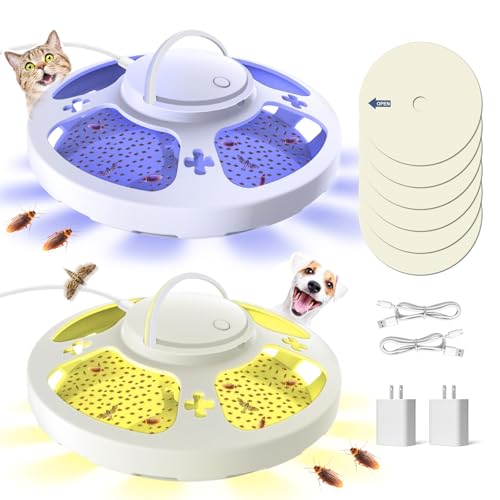
Lickoon 2-Pack Flea Trap with 6 Sticky Pads

BASF PT Ultracide Flea Insecticide 14oz Aerosol
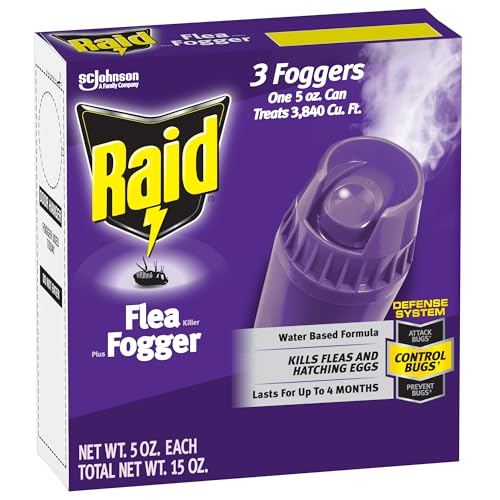
Raid Flea Fogger Plus Killer, 3 Count (Pack of 3)

Jiermadun 2 Pack Indoor Flea Traps with 8 Sticky Pads
More Details On Our Top Picks
This two-trap set leans on adhesive boards rather than chemistry, which makes it a sensible first move in homes with crawling toddlers or curious pets. You assemble each housing, slide in a pad, and place the unit near baseboards or pet bedding where fleas travel.
The honest read is that traps like this work best as monitors. They tell you whether fleas are still active and roughly where, which is genuinely useful information before you commit to a heavier treatment elsewhere on this list.
Strong Points
- No sprays or residues, so placement near food areas and nurseries stays worry-free
- Eight included pads stretch the set across roughly two months of replacement cycles
- Captures moths and gnats too, adding value beyond flea season
- Disposal is clean: lift the pad, bin it, drop in a fresh one
Worth Noting
- Adhesive loses grip once covered, so expect pad swaps every two to three weeks in active zones
- Trapping alone rarely ends an established infestation without a companion treatment
Who It Suits Best
Renters and pet owners who want proof of activity before spraying anything indoors.
Where Another Pick Suits Better
Homes facing a heavy, spreading infestation will get faster results from the Precor 2000 Plus Premise Spray, which attacks eggs directly.
Where the Jiermadun set relies on passive contact, this Frogoom pair adds attraction to the equation. Color, warmth, and light waves draw fleas toward the glue board instead of waiting for them to wander in, which tends to improve catch rates along known travel paths like hallway edges.
The hanging format is the quiet advantage here. Mounting units above floor level keeps them out of reach of paws and small hands while still covering the room, and six spare pads mean you can run both traps through a full season without reordering.
Bright Spots
- Active heat-and-light luring pulls fleas in rather than relying on foot traffic alone
- Hanging design keeps adhesive surfaces away from pets and children
- Chemical-free operation suits households avoiding pesticide aerosols
- Six replacement pads cover extended monitoring periods
Small Caveats
- Glue boards need checking weekly; a full pad stops catching anything new
- Attraction radius is modest, so coverage in larger rooms may require careful placement
At A Glance
Made For
Budget-minded shoppers who want passive trapping with a bit more pull than plain sticky boards.
A Better Fit Elsewhere
Households juggling mosquitoes and flies alongside fleas should look at the Lickoon trap below, whose dual light sources handle flying pests too.
Diatomaceous earth, if you haven’t used it before, is a fine mineral powder that damages insects’ outer coating on contact, drying them out over hours rather than knocking them down instantly. This Geomust bag blends food-grade DE with peppermint oil, so treated corners carry a fresh scent instead of a chemical one.
A pound goes further than most people expect. A thin dusting along baseboards, under appliances, and behind furniture covers a typical apartment several times over, and the powder keeps working as long as it stays dry.
Reasons To Buy
- Works by physical action, so insects can’t build resistance the way they can to some sprays
- Peppermint oil leaves a pleasant scent rather than a solvent smell
- One bag treats ants, roaches, silverfish, and bed bugs alongside fleas
- Food-grade formulation suits kitchens and pet-adjacent areas when applied lightly
Trade Offs
- Results take days, not minutes, since dehydration is a slow process
- Moisture neutralizes the powder, so damp basements and freshly mopped floors need reapplication
- Dusting requires restraint; heavy piles look messy and get tracked around
Quick Facts
Right Fit For
DIYers comfortable with a duster who prefer slow, residue-light prevention over fast knockdown.
Skip It When
You need adult fleas gone tonight; the BASF PT Ultracide aerosol delivers immediate knockdown instead.
This bundle targets the part of the flea lifecycle most products miss: the egg stage. An insect growth regulator, or IGR, doesn’t kill adults outright; it stops immature fleas from ever developing into biting adults, and Precor claims that interruption holds for seven months on treated surfaces.
The extras matter more than they first appear. Chemical-resistant gloves with a non-stick coating make application less unpleasant, and the pest identification card helps you confirm you’re actually dealing with fleas before committing product to carpet.
Upsides
- Kills adults, larvae, and hatching eggs on contact for immediate relief
- Egg-stage prevention runs up to 210 days, breaking the reinfestation loop
- Gloves included mean no separate trip for protective gear
- ID card supports targeted treatment instead of guesswork
Points To Note
- An insecticide this capable demands careful label reading and keeping pets out until surfaces dry
- Seven-month protection assumes undisturbed treated areas; heavy steam cleaning shortens it
Key Specs
Who Will Love This
Homeowners in the middle of a real infestation who want professional-style lifecycle control without hiring an exterminator.
Swap It Out When
You’d rather treat whole closed rooms at once than spray surfaces; the Raid Flea Fogger later in this list handles that job differently.
Compared with the Frogoom trap earlier, this Lickoon pair adds selectable light modes, and that flexibility changes how useful it is day to day. Warm light settings target fleas, mites, and moths, while UV levels aim at mosquitoes, flies, and gnats, each with strong and weak output for daytime versus overnight running.
The hardware details show thought. A USB-C cord simplifies powering, LED efficiency keeps running costs low, and a 2.5-inch guard window keeps pet paws and tails away from the adhesive surface, something flat floor traps can’t promise.
Highlights
- Dual warm and UV light sources cover both crawling and flying pests
- Four intensity levels let you dim the unit for bedrooms at night
- Hanging mount plus USB-C power works indoors and on covered porches
- Guard window protects curious pets from the sticky surface
Honest Caveats
- Needs a nearby outlet or USB power source, unlike battery-free passive traps
- UV mode draws flying insects more than fleas, so mode choice affects results
Feature Snapshot
The Right Fit
Households fighting a mixed bag of gnats, flies, and fleas through warm seasons, especially those with pets roaming the trap zone.
Not Your Match When
Your problem is strictly fleas and budget matters most; the simpler Frogoom 2-Pack covers that case for less complexity.
BASF is a name professional pest controllers actually buy, and PT Ultracide reflects that pedigree. Pyrethrins deliver the fast adult knockdown you feel within hours, pyriproxyfen steps in as the growth regulator stopping eggs and larvae from maturing, and the formulation stays stable under UV light where some sprays degrade.
The trade-off is responsibility. This is a pressurized insecticide meant for people willing to read the label fully, follow state restrictions where they apply, and keep the space ventilated during application. Handled correctly, it’s the strongest single-can option here.
What We Like
- Fast pyrethrin knockdown paired with months of developmental suppression
- Targets eggs, larvae, and pupae, not just visible adults
- Quick-drying aerosol reaches carpet edges and under-furniture zones
- Professional-brand chemistry at a consumer-accessible size
Minor Gripes
- Label compliance is mandatory, including storage and disposal rules some shoppers skip
- State-level restrictions may limit availability depending on where you live
Core Details
Built With In Mind
Experienced DIYers facing repeated reinfestations who want exterminator-grade results on their own schedule.
Reach For A Different Pick When
You want zero chemistry in the house; the Jiermadun sticky-pad traps monitor and capture without any active ingredients.
Foggers suit a specific moment: the reset. When fleas have spread through several rooms and spot treatments feel endless, one can per enclosed space fills the volume with insecticide that reaches places sprays miss. Each can covers up to a 24-by-20-foot room with standard ceilings, and this listing ships nine cans total across three packs.
The process demands planning though. Everyone, pets included, stays out for two hours, then the space airs for two more, and treating your pet with its own flea control beforehand prevents immediate reintroduction.
Plus Points
- Kills hatching eggs, extending effectiveness up to four months after treatment
- Nine cans handle a multi-room home in one session
- Reaches deep carpet and furniture crevices spot sprays skip
Softer Spots
- Four-hour total vacancy per room disrupts a household’s day significantly
- Fog particles don’t penetrate under dense furniture or inside closets well, so those spots may need supplemental treatment
- Food, dishes, and open containers must be sealed or removed first
Details At A Glance
Whose Shelf It Belongs On
Anyone clearing a multi-room infestation in one decisive weekend, ideally alongside pet treatment.
Another Choice May Suit
Occupied homes that can’t vacate rooms easily will find the Precor 2000 Plus Premise Spray more flexible, since it needs no full-room evacuation.
This second Jiermadun listing carries the same core design as our opening pick: durable housings, adhesive capture boards, and no chemicals anywhere in the system. The difference comes down to stocking strategy. Running one set upstairs and one downstairs, or keeping spare pads on hand for next season, saves a reorder mid-infestation.
Placement guidance stays simple. Set traps along walls where fleas jump and travel, swap boards every two to three weeks or once the surface fills, and read the catch count as your progress report between deeper treatments.
Standout Traits
- Eight pads across two housings support a full monitoring season
- Zero active ingredients means unrestricted placement around beds and cribs
- Doubles as a gnat and moth catcher in kitchens
Things To Consider
- Passive capture depends on flea movement, so empty boards don’t always mean the problem is gone
- Used pads hold dead insects until disposal, which some owners find unpleasant to handle
Perfect Match For
Apartment dwellers running quiet, ongoing surveillance after a primary treatment has cleared the worst of an outbreak.
Look Elsewhere When
Active luring matters more than simplicity; the Lickoon 2-Pack’s warm and UV light modes pull pests in from farther away.
Factors That Separate Good Flea Control From Wasted Money
Match The Tool To The Life Stage
Adult fleas are maybe five percent of a real infestation; the rest waits as eggs, larvae, and pupae in carpet and upholstery. Traps catch wandering adults, growth regulators stop immature stages from maturing, and foggers blanket everything at once. Buying only one type usually explains why a problem keeps returning.
Think About Who Shares Your Floors
A home with a crawling baby or a cat that licks everything calls for different tools than an empty-nester townhouse. Sticky traps and diatomaceous earth avoid airborne chemistry, while aerosols and foggers demand vacancy windows and careful label reading. Choose based on your household’s tolerance, not just the infestation’s size.
Coverage Area And Reapplication
Check square footage or cubic footage before buying. A single fogger can covers one large room, a pound of dust treats multiple apartments, and trap pads expire on a two-to-three-week rhythm. Underbuying leads to partial treatment, which is the most common way infestations survive.
Key Considerations Across These Picks
Mistakes Worth Dodging
The classic error is treating the pet but never the premises, or vice versa; fleas simply migrate to whichever half went untreated. Shoppers also underestimate pupae, which hatch weeks after a spray seems to have worked. Plan a follow-up pass rather than judging results in forty-eight hours.
What Separates Premium From Basic
Higher-tier options add growth regulators, longer residual windows, and bundled safety gear. That extra spend pays off in established infestations, where a seven-month IGR prevents three or four re-treatment cycles. For light seasonal issues, basic traps do the job without the stronger chemistry.
Frequently Asked Questions
How long does it take to clear a flea infestation indoors?
Most treatments need two to four weeks because pupae continue hatching after initial application. A follow-up treatment around the two-week mark closes the gap.
Do flea traps really work without any chemicals?
They capture adult fleas that come into contact with the adhesive, often boosted by heat or light lures. They confirm activity and reduce numbers but rarely end an infestation alone.
Can I use these products with pets in the house?
Sticky traps and food-grade diatomaceous earth allow presence during use, following label directions. Sprays, aerosols, and foggers require keeping pets out until surfaces dry or the airing period ends.
Why do fleas keep coming back after treatment?
Untreated eggs and pupae hatch days or weeks later, restarting the cycle. Products containing an insect growth regulator prevent that next generation from maturing.
Should I treat my pet at the same time as my home?
Yes, coordinating both sides prevents reinfection from either direction. Use a pet-specific flea control product and follow its own label instructions separately.
Closing Remarks
Fleas reward persistence more than any single product. Pair a monitor with a lifecycle-breaking treatment, respect the reentry times on chemical options, and give the plan a few weeks to finish the job. Start with the pick that matches your household’s comfort level, and adjust from there as the trap counts tell their story.
