

Fleas on a kitten are a special kind of headache. Most adult treatments are too harsh for cats under a certain weight, and bathing a young cat often ends in scratches and stress for both of you. That’s why no-rinse formulas, gentle sprays, and low-dose topicals matter so much in this category.
This shortlist covers eight options built around sensitive skin and small bodies, from waterless shampoos to collars and chewables. Each one suits a different situation, whether you’re fighting an active infestation or just keeping fleas from settling in.
The Shortlist At A Glance

PUPMATE Cat Waterless Shampoo with Brush

Vet’s Best Waterless Flea & Tick Bath for Cats, 5 oz

Vet’s Best Waterless Flea & Tick Bath for Cats, 8 oz

Vet’s Best Flea & Tick Repellent Collar for Cats
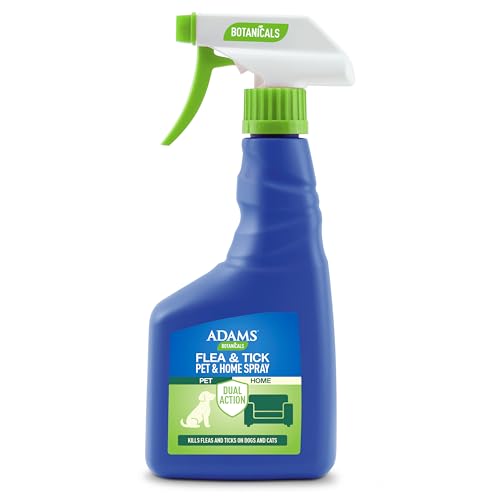
ADAMS Botanicals Flea & Tick Pet & Home Spray, 16 Oz

VICSOM Cat Flea Treatment, 6 Doses
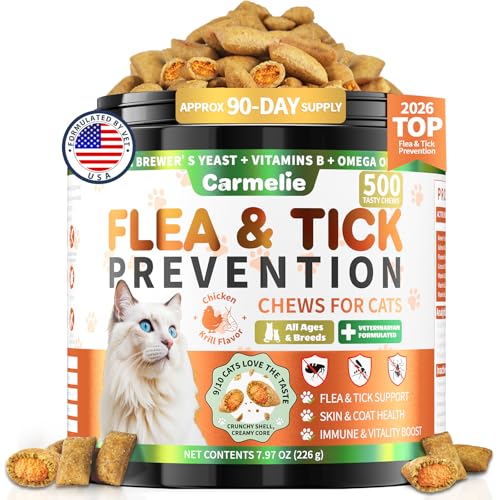
Carmelie Flea and Tick Prevention Chewables for Cats

Articats Topical Flea and Tick Treatment for Cats & Kittens
More Details On Our Top Picks
Baths and kittens rarely mix well, which is exactly the problem this PUPMATE kit sidesteps. You spray the no-rinse formula onto the coat, work it through with the included brush, and you’re done. No tub, no towel wrestling, no soaked, furious cat hiding under the bed.
The formula is hypoallergenic and pH-balanced, terms worth knowing here: pH-balanced means it matches a cat’s natural skin acidity instead of stripping it. It also conditions as it cleans, so fur comes out easier to comb.
Strong Points
- No rinsing required, so grooming takes minutes instead of an afternoon
- The bundled brush turns application into a bonding session rather than a fight
- Hypoallergenic, pH-balanced blend suits kittens and senior cats with touchy skin
- Conditions and detangles while it freshens, cutting down on shedding between full baths
Things To Consider
- This is a cleaner, not a flea killer, so pair it with one of the treatment picks below during an active infestation
- Spray products depend on your cat tolerating the mist sound, which some fussy cats never accept
Quick Facts
Made For
Kittens, seniors, or post-surgery cats where a traditional bath is off the table.
A Better Fit Elsewhere
Active flea problems call for the Vet’s Best Waterless Flea & Tick Bath, which actually targets pests on contact.
Where the PUPMATE pick cleans without killing anything, this Vet’s Best dry bath goes after fleas and ticks directly. The active ingredients are plant-derived: peppermint oil and eugenol, a compound extracted from clove plants. Both act on contact, so pests touching treated fur don’t stick around.
The 5 oz bottle is the travel-friendly sibling of the 8 oz version later in this list. Toss it in a carrier bag for boarding trips or cattery stays, and you’ve got a pest response that fits in a jacket pocket. In our view, that portability is its real selling point over the larger bottle.
What We Like
- Plant-based formula avoids harsh chemical insecticides on delicate kitten coats
- Works on contact, useful when you spot a flea mid-grooming session
- Compact 5 oz size stows easily in travel carriers and emergency kits
Minor Gripes
- Essential-oil scents linger, and scent-sensitive cats may object at first
- Smaller bottle means more frequent repurchasing in multi-cat homes
Who Should Grab It
Owners who want a plant-based, on-contact option sized for travel and occasional spot treatment.
Swap It Out When
Households treating several cats regularly will burn through this fast; the 8 oz Vet’s Best bottle below covers the same ground more economically.
Same formula, bigger bottle. This is the 8 oz version of the dry bath you just read about, built around the same peppermint oil and clove-derived eugenol working on contact against fleas and ticks. Nothing about the chemistry changes; what changes is how long one purchase lasts you.
For a two-cat household running weekly touch-ups through flea season, the math tilts clearly toward this size. The trade-off is bulk: it won’t slip into a carrier pocket the way the 5 oz does. Owners commonly report the pump-style application makes even coverage easier than squeeze bottles, though results vary by coat length.
Highlights
- Identical plant-based contact action to the smaller bottle at better cost per ounce
- No-rinse format keeps grooming sessions short and low-stress
- Natural oil base means no harsh chemical residue left on fur your cat licks
- Lasts a full season of regular use in single-cat homes
Small Caveats
- Too bulky for travel bags compared with its 5 oz sibling
- Contact-action products require thorough coat saturation, easy to under-apply on dense fur
Feature Snapshot
Right Fit For
Multi-cat homes and flea-season regulars who want the same trusted formula in a longer-lasting supply.
Where A Sibling Pick Shines
Frequent travelers should stick with the 5 oz Vet’s Best bottle, which trades capacity for packability.
Shampoos treat what’s already there. A collar works the other direction, creating a deterrent zone before pests land. This Vet’s Best collar uses certified natural oils to drive away fleas, ticks, and mosquitoes, staying consistent with the brand’s plant-first approach across this list.
Fit runs up to 20 inches adjustable, which covers most adult cats comfortably. The honest caveat: repellent collars are prevention tools, not infestation cures. Pairing one with a shampoo or topical from earlier in this list gives you both offense and defense, and many owners run exactly that combination through summer months.
Upsides
- Zero daily effort once it’s fitted, unlike sprays or chews that demand routine
- Adjustable sizing accommodates growing kittens through adulthood
- Also deters mosquitoes, a bonus most flea-only products skip
Points To Note
- Repels rather than kills, so it won’t clear an existing infestation on its own
- Some cats resist wearing any collar at first; gradual introduction helps
- Oil-based scent fades over time, meaning periodic replacement is part of ownership
Who Will Love This
Busy owners wanting passive, season-long deterrence alongside their regular grooming routine.
Not Your Match When
Cats already carrying fleas need the VICSOM topical below, which attacks the full life cycle instead of just discouraging new arrivals.
Here’s something most first-time cat owners learn the hard way: roughly 95% of a flea population lives in your home, not on your pet. Eggs and larvae settle into bedding, carpet, and couch seams. This ADAMS spray addresses that hidden majority directly, treating both animals and surfaces with one bottle.
The 16 oz supply is water-based and alcohol-free, formulated with botanicals and essential oils rather than heavy synthetic chemistry. It carries a fresh herbal scent, noticeably gentler than the chemical smell typical of indoor pest sprays. Unlike the collar above, this one does kill pests on treated bedding and furniture, making it the cleanup half of a two-part strategy.
Bright Spots
- Dual-use design treats pets, bedding, and furniture from a single bottle
- Water-based, alcohol-free formula is kinder to fabrics and sensitive noses
- Safe listing spans dogs, cats, puppies, and kittens, simplifying mixed-pet households
- Herbal scent beats the harsh chemical odor of conventional home sprays
Softer Spots
- Home treatment requires reapplication after vacuuming or washing treated surfaces
- Essential-oil formulas generally need more frequent use than synthetic alternatives
At A Glance
Whose Shelf It Belongs On
Anyone battling fleas that keep returning despite treating the cat alone, especially in carpeted homes.
Reach For A Different Pick When
Direct, on-animal control is the priority; the Articats topical coming up handles that job more precisely.
Topical treatments, sometimes called spot-ons, are liquid doses applied to the skin at the back of the neck where cats can’t lick them off. This VICSOM six-pack delivers six monthly applications, covering roughly half a year of protection from one purchase.
Its standout attribute is life-cycle coverage: the formula targets adult fleas and ticks plus eggs and larvae, and interferes with pupae development. That last stage matters because pupae, the cocoon phase, are what cause reinfestations weeks after you think you’ve won. Compare that to the ADAMS spray, which handles surfaces but needs reapplication; this works continuously for 30 days per dose.
Reasons To Buy
- Attacks every flea life stage, breaking the reinfestation cycle properly
- Six doses mean six months of coverage per box
- No prescription required despite the veterinarian-recommended positioning
- Monthly dosing schedule is simple to track on a calendar
Trade Offs
- Application leaves a briefly greasy spot at the treatment site
- Weight and age restrictions apply, so confirm your kitten meets the label minimums before dosing
Core Details
Best Suited To
Owners facing an established infestation who want set-and-forget monthly control rather than constant spraying.
Consider Something Else When
Cats that panic at liquid applications may accept the Carmelie chewables next door far more willingly.
Every cat owner knows the ritual: the cat sees the applicator and vanishes. These Carmelie chews flip the dynamic entirely, turning prevention into something your cat approaches willingly. The jar holds 500 crunchy-and-creamy pieces designed for daily dosing.
The ingredient list reads like a supplement label: brewer’s yeast, coconut oil, and salmon oil. Brewer’s yeast is the classic inside-out approach, thought to make skin less appealing to biting pests, while the oils nourish the coat and reduce dryness and shedding. Worth noting though, this is a supportive preventive rather than a knockdown treatment, so expectations should match that role.
Plus Points
- Treat-format dosing eliminates the wrestling match topicals require
- Salmon and coconut oils support coat shine and reduce flaky skin
- 500-count jar stretches across many months of daily use
- Doubles as a training reward, giving the jar a second job
Honest Caveats
- Nutritional preventives work gradually and suit light pressure, not heavy infestations
- Daily consistency matters; missed days weaken the effect
- Picky eaters may reject the texture despite the creamy center
The Right Fit
Calm households using prevention as maintenance, particularly cats with a history of fighting topical applications.
Another Choice May Suit
An active infestation calls for the VICSOM topical, whose life-cycle targeting outperforms nutritional support by a wide margin.
This Articats topical earns its place on one specific number: 1.5 pounds. Many flea treatments set their minimum weight well above what a young kitten reaches, leaving owners of tiny cats with almost nothing safe to use. At 1.5 lbs and up, this formula opens the door for genuinely small animals, including seniors and sensitive-skinned cats.
Application follows the standard spot-on pattern: part the fur between the shoulder blades and apply directly to skin. Each dose protects for up to 30 days, matching the VICSOM schedule, though this pack focuses on broad safety across ages rather than pupae-stage claims. For very young kittens, that accessibility is the deciding factor.
Standout Traits
- Low 1.5 lb weight threshold covers kittens most topicals exclude
- Non-irritating formula suited to sensitive skin
- Between-the-shoulder-blades application takes seconds and can’t be licked off
- 30-day protection per dose keeps the calendar simple
Areas To Watch
- Temporary dampness at the application site until the liquid absorbs
- Under-weight kittens still fall outside the safety range, so weigh first
Details At A Glance
Who It Suits Best
Owners of kittens or small-breed cats hovering near the weight limits other products impose.
Where Another Pick Suits Better
Established multi-stage infestations get deeper coverage from the VICSOM treatment, which explicitly targets pupae development.
What Matters Most Before Choosing Kitten Flea Shampoos
Weight And Age Limits Come First
Kitten physiology processes chemicals differently than adult cats, and manufacturers set minimum weights for good reason. Check the label threshold before anything else, then weigh your kitten honestly; guessing adds risk. Products like the Articats topical exist specifically because so many formulas exclude small bodies.
Match The Product To The Problem
A repellent collar won’t clear an active infestation, and a nutritional chew won’t either. Active fleas call for contact killers or life-cycle topicals, while prevention suits collars, chews, and clean-coat sprays. Diagnose the severity honestly before spending.
Formula Type Shapes Daily Life
Waterless shampoos suit water-fearing cats, sprays cover bedding and furniture, and spot-ons deliver month-long coverage with one application. Consider your cat’s temperament and your own routine. The best product on paper fails if neither of you will tolerate using it.
Ingredient Transparency
Plant-based actives like peppermint oil and eugenol appeal to owners avoiding synthetic insecticides, though they typically demand more frequent application. Read the active-ingredient panel, not just the marketing front, and note anything your cat has reacted to previously.
Key Considerations Across These Picks
Traps First Timers Fall Into
The most common error is buying an adult-strength product and splitting the dose for a kitten. Dosing isn’t linear with body weight, and diluted adult formulas remain unsafe. Second mistake: treating only the cat while ignoring bedding and carpets, which is why the ADAMS home spray exists.
What Separates Premium From Basic
Higher-tier options justify their cost through life-cycle coverage and duration. A basic spray kills adults you can see; a six-dose topical like VICSOM breaks the egg-to-pupae cycle for months. Paying more upfront usually means fewer purchases and fewer reinfestations later.
Frequently Asked Questions
Can I use regular cat flea shampoo on a kitten?
Usually not. Most formulas carry minimum age and weight limits that kittens don’t meet, so check the label before applying anything.
How do waterless flea shampoos actually work?
They combine cleansing agents with pest-targeting actives applied directly to the coat. No rinsing is needed because there’s no soap residue to remove.
How often should I treat my kitten for fleas?
Follow each product’s stated interval, commonly every 30 days for topicals. Overdosing more frequently than labeled creates risk without added benefit.
Do I need to treat my home too?
In most active infestations, yes. The majority of flea eggs and larvae live in bedding, carpet, and furniture rather than on the animal itself.
When should I involve a veterinarian?
Heavy infestations, very young kittens, or any signs of skin reaction warrant professional guidance. A vet can confirm safe dosing for undersized or unwell animals.
Closing Thoughts
Flea control for kittens comes down to matching the tool to the moment: a no-rinse cleaner for routine grooming, a plant-based bath for contact treatment, a topical for real infestations, and a collar or chew for keeping things quiet afterward. Start with your kitten’s weight, confirm the label limits, and build from there. Whichever route you take, consistency matters more than any single product choice.
