

Dogs facing cancer often do better on diets built around quality protein and fewer starches, and that shift starts with what goes in the bowl. The catch is that most kibble on store shelves leans heavily on carbs for shape and shelf life, so finding genuinely low-carb or low-fat options takes real digging. This roundup narrows the field to eight formulas worth a closer look, from limited-ingredient recipes to veterinary digestive diets and starch-light carnivore blends. Each entry covers who it fits, where it falls short, and how it compares to the others here. One note up front: diet never replaces treatment, so loop your veterinarian into any switch before you buy.
The Shortlist At A Glance

Natural Balance Limited Ingredient Sweet Potato & Venison 4 lb
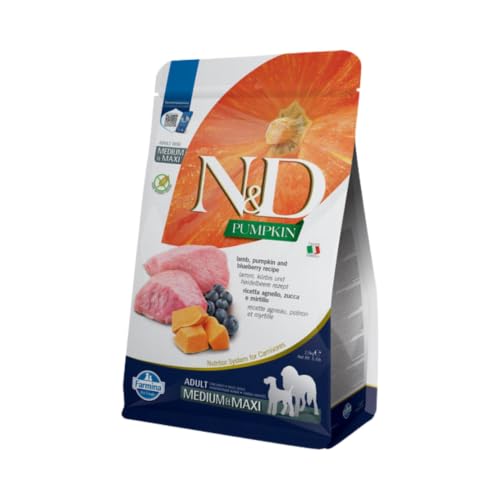
Farmina Lamb & Blueberry Adult Medium & Maxi

Hill’s i/d Low Fat Digestive Care Wet Dog Food
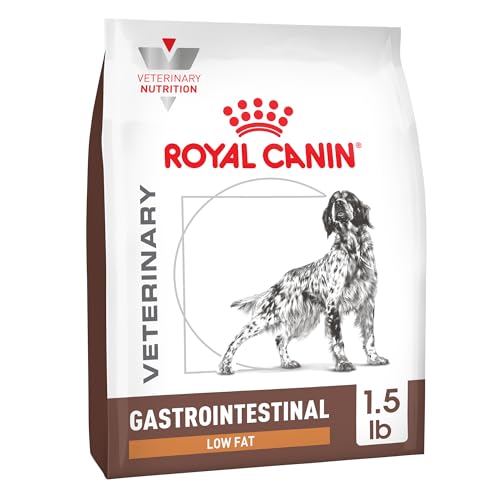
Royal Canin GI Low Fat Adult Dry Dog Food 1.5 lb

Wysong Epigen 90 Chicken Formula 5 lb

Eagle Pack Reduced Fat Pork & Chicken 30 lb

Tiki Dog Born Carnivore Baked Kibble Chicken 3.5 lb
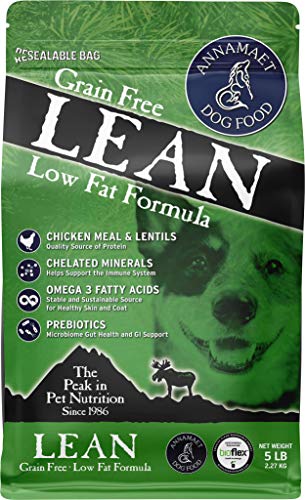
Annamaet Lean Reduced Fat Chicken & Duck 5 lb
More Details On Our Top Picks
Dogs going through treatment often develop fussy appetites and touchy digestion, and this is where a short ingredient list earns its keep. Natural Balance builds this Reserve recipe around venison as the sole animal protein, paired with sweet potato instead of grain-heavy fillers, which keeps the carbohydrate load simpler than standard kibble.
The brand sells the same base recipe in several protein rotations, including duck, salmon, and bison, so you can switch flavors without overhauling everything else. That matters when a dog rejects a food mid-treatment and you need a fast pivot.
Strong Points
- One animal protein per recipe makes food sensitivities easier to spot and manage
- Sweet potato supplies fiber and steady energy without grain-based fillers
- Multiple size bags, from 4 to 12 pounds, suit both trial runs and longer stretches
- The same formula family spans several proteins, giving picky eaters options
Worth Noting
- Owners commonly report the small 4-pound bag disappears quickly with medium and large dogs
At A Glance
Who It Suits Best
Dogs with sensitive stomachs or suspected protein sensitivities whose owners want a simple, predictable recipe during treatment.
Where A Sibling Pick Shines
For dogs needing aggressive fat restriction rather than ingredient simplicity, the Royal Canin GI Low Fat formula below is the more targeted tool.
Where the Natural Balance bag above strips things down, Farmina goes the opposite route with a dense, layered formula built around lamb, dehydrated lamb, herring, and whole eggs. Pea starch stands in for grains as the binding carbohydrate, which keeps the glycemic profile lower than rice- or corn-based kibbles.
Pumpkin and dried blueberry add fiber and antioxidants, and the recipe carries an AAFCO maintenance formulation, meaning it meets established nutrient profiles for adult dogs. In practice, that combination suits dogs who tolerate richer foods and need sustained condition rather than a stripped-back elimination diet.
Bright Spots
- Multiple animal proteins deliver a broad amino acid profile for muscle maintenance
- Pea starch and pumpkin replace high-glycemic grains in the carb slot
- Herring oil contributes omega-3 fatty acids tied to coat and skin condition
- Inulin and prebiotic fibers feed beneficial gut bacteria
Small Caveats
- The multi-protein recipe is a poor fit for elimination diets or known protein allergies
- Rich, dense formulas like this one should be transitioned onto slowly to avoid loose stools
Made For
Adult medium and large breeds holding weight through treatment whose systems handle a fuller ingredient deck.
A Better Fit Elsewhere
Dogs with confirmed chicken or fish sensitivities will fare better on the single-protein Natural Balance venison recipe at number one.
Appetite is the quiet battle during cancer care, and soft, aromatic canned food often wins it when dry kibble gets ignored. This Hill’s Prescription Diet stew is formulated by the brand’s nutritionists and veterinarians specifically for dogs needing a low-fat formula that settles digestive upset.
The ActivBiome+ technology Hill’s includes is designed to activate the gut microbiome quickly, and added omega-3 and omega-6 fatty acids round out the profile. Because it’s a prescription line, expect your vet to sign off before purchase, which is exactly how this product is meant to be used.
Highlights
- Highly digestible protein helps settle stomachs during flare-ups
- Stew format tempts dogs whose appetite has dropped off
- Low-fat formulation suits pancreatitis-prone or fat-intolerant dogs
- Omega fatty acids support skin, coat, and overall condition
- Available in multiple can sizes and flavor variants
Trade Offs
- Requires veterinary authorization, adding a step before you can order
- Canned feeding costs more per calorie than dry kibble over months of use
Quick Facts
Right Fit For
Dogs recovering from digestive episodes or refusing dry food, under veterinary direction.
Consider Something Else When
Your dog eats kibble happily and needs everyday maintenance rather than therapeutic support; the Eagle Pack reduced-fat bag covers that role far more affordably.
This Royal Canin veterinary diet tackles the same fat-sensitivity problem as the Hill’s cans, just in kibble form. Prebiotics in the kibble help maintain balanced gut bacteria, while a blend of dietary fibers supports the microbiome and healthy digestion, according to the brand’s formulation notes.
The standout practical detail is the 1.5-pound trial bag. Veterinary diets are expensive, and committing to a 28-pound sack before knowing whether your dog will eat it is a real gamble. Starting small removes that risk, and larger bags run up to 28.6 pounds once you’ve confirmed acceptance.
Reasons To Buy
- Tiny trial size lets you verify palatability before a big spend
- Prebiotic and fiber blend targets microbiome balance daily
- Kibble format stores easily and suits puzzle feeders or slow bowls
Honest Caveats
- Prescription status means a vet conversation comes first
- Per-pound cost climbs sharply compared with mainstream reduced-fat foods
- Some owners report their dogs find the kibble less exciting than canned alternatives
Who Will Love This
Owners of fat-intolerant dogs who want a dry-food routine with a low-risk entry point.
Skip It When
Your dog has no fat-digestion issues; the Tiki Dog Born Carnivore below delivers low-carb nutrition without prescription overhead.
Most “low carb” kibbles still lean on starch for structure. Wysong’s Epigen 90 skips that compromise entirely, positioning itself as the first extruded dry diet formulated without starch, using meat content closer to what a carnivore’s system expects. Roughly 60% of its protein derives from real chicken, per the brand’s own figures.
The formula also packs probiotics, prebiotics, enzymes, phytonutrients, and natural-form antioxidants, a stack Wysong pioneered decades ago. One honest caution: this density cuts both ways. The brand advises introducing it gradually, and some dogs need a week or two of slow mixing to adjust.
Plus Points
- Starch-free extruded design keeps carbohydrates near the floor for a dry food
- Heavy meat inclusion mirrors a carnivore’s natural prey profile
- Built-in probiotics, enzymes, and prebiotics support digestion without separate supplements
- Omega-3 rich, and dense enough to serve as a meal topper or protein booster
Things To Consider
- Nutrient density demands a slow transition or digestive upset commonly follows
- Formulated for dogs and cats alike, so feeding guidelines need careful reading
Feature Snapshot
Whose Shelf It Belongs On
Committed owners following a carnivore-style feeding plan who want maximum meat and minimum starch in a shelf-stable format.
Another Choice May Suit
Dogs needing fat restriction rather than carb reduction belong on the Royal Canin GI Low Fat kibble instead.
Long treatment periods burn through budgets fast, and this is the pragmatic pick of the list. Eagle Pack’s reduced-fat formula balances protein and carbohydrates with fewer calories, aimed squarely at adult dogs needing healthy weight loss or weight maintenance, and the 30-pound bag keeps cost per meal low.
The supporting cast is respectable for the price tier: glucosamine for joints, omega fatty acids for skin and coat, and antioxidants for immune function. There are no corn, wheat, meat byproducts, artificial colors, flavors, or preservatives in the recipe, which is more than most value-tier bags can claim.
Upsides
- Reduced-calorie profile supports weight management without sacrificing protein
- Glucosamine adds joint support, useful for less active senior dogs
- No corn, wheat, byproducts, or artificial additives
- Three bag sizes, topping out at 30 pounds, stretch the budget further
Minor Gripes
- Carbohydrate levels run higher than the Wysong or Tiki options on this list
- A 30-pound bag needs an airtight container to stay fresh in humid climates
Built With In Mind
Overweight or low-activity adult dogs, especially large breeds, whose households need affordable month-after-month feeding.
Reach For A Different Pick When
Palatability matters more than economy; the Annamaet Lean formula at number eight tends to win over fussier eaters.
Small dogs get overlooked in therapeutic nutrition conversations, yet they’re often the ones with delicate digestion. Tiki Dog’s Born Carnivore line bakes its kibble gently rather than pressure-extruding it, starting with real deboned chicken and chicken liver for a flavor level that consistently wins over small-breed mouths.
The bite-size pieces suit tiny jaws, and the recipe layers in peas, lentils, ground whole flaxseed, spinach, carrots, and salmon oil. Compared with the Wysong Epigen 90, this one trades some meat density for gentler processing and broader appeal, a reasonable trade for many small households.
Standout Traits
- Gently baked kibble preserves more nutrient integrity than high-heat extrusion
- Deboned chicken and organ meat drive strong palatability
- Superfood additions like flaxseed and spinach add micronutrients cheaply
- Salmon oil brings omega-3s for skin and coat
Room For Improvement
- Peas and lentils still contribute plant carbohydrates, so it’s low carb rather than minimal carb
- The 3.5-pound bag suits small dogs only; big breeds will empty it in days
Key Specs
The Right Fit
Small-breed owners wanting a genuinely low-carb kibble their finicky dog will actually finish.
Where Another Pick Suits Better
Larger dogs needing the same carnivore philosophy in bigger volumes fit the Eagle Pack 30-pound bag better.
Annamaet closes the list with a formula developed alongside a veterinary nutritionist, carrying roughly half the fat of the brand’s other grain-free recipes while keeping protein high. L-Carnitine, an amino acid compound that helps the body use fat for energy, is included to support lean body mass, which matters enormously for dogs losing condition.
The company has been family-run for over three decades, cooks in small artisanal batches, and uses chelated minerals, minerals bound to amino acids for better absorption, throughout its grain-free line. Meat and fish inputs are passed fit for human consumption, a sourcing standard few brands publish openly.
What We Like
- Half the fat of sibling formulas, designed for weight-prone dogs
- L-Carnitine supports fat utilization and lean muscle retention
- Chelated minerals improve absorption of key nutrients
- No corn, wheat, or soy anywhere in the recipe
- Small-batch production with strict quality control standards
Points To Note
- Chicken and duck are common allergens, limiting its use for sensitive dogs
- Smaller brand means availability occasionally dips at retail
Core Details
Who Should Grab It
Owners of overweight or muscle-wasting dogs who want premium sourcing and a science-backed lean formula.
Swap It Out When
Known poultry allergies rule it out; the venison-based Natural Balance recipe handles those cases cleanly.
Choosing Wisely When Nutrition Gets Complicated
Start With Your Dog’s Actual Constraint
Cancer-support feeding usually revolves around one dominant issue: keeping weight on, protecting digestion, or managing fat intake. A dog losing muscle needs protein density first, which points toward the Wysong Epigen 90 or the Annamaet Lean. A dog with pancreatic trouble needs fat restriction, which makes the two veterinary diets the sensible starting point. Naming the constraint before shopping saves you from buying a beautiful formula that solves the wrong problem.
Read Labels Like a Detective
Ingredient order tells you where the calories actually come from. Formulas listing meat or meat meals in the first two positions generally deliver more animal protein per cup than those opening with peas, lentils, or potatoes. Carbohydrate percentage rarely appears on the label itself, so you may need to ask the manufacturer or calculate it from the guaranteed analysis. It’s tedious work, but five minutes of math beats months of guessing.
Transition Slowly, Watch Closely
Whatever you choose, plan a seven-to-ten-day switch, blending increasing amounts of the new food into the old. Dogs mid-treatment have less digestive reserve than healthy adults, and abrupt changes commonly trigger diarrhea that sets recovery back. Keep a simple log of appetite, stool quality, and energy; patterns emerge within two weeks and give your vet something concrete to react to.
Key Considerations Across These Picks
Traps First Timers Fall Into
The biggest mistake is assuming “grain-free” equals “low carb.” Many grain-free kibbles swap grains for peas, lentils, and potatoes, which are still carbohydrates by another name. The second trap is skipping the vet conversation because a product looks therapeutic; prescription diets exist precisely because self-diagnosing digestive conditions tends to go badly. Finally, don’t judge a food in three days. Palatability and stool quality need a fair two-week window before verdicts mean anything.
Why Top Tier Costs More
Premium formulas pay for meat content, not marketing. Starch-free designs like Wysong’s require more actual meat per batch, and chelated minerals cost several times what standard mineral salts do. Veterinary diets add research and clinical formulation costs on top. The upgrade pays off when your dog has a specific, identified need; for a healthy dog eating well already, a solid mid-tier option does the job without the premium.
Frequently Asked Questions
Are low carb diets actually helpful for dogs with cancer?
Many veterinary oncologists favor reduced-carbohydrate, higher-protein diets because some tumors rely heavily on glucose. Evidence varies by cancer type, so treat it as a supportive strategy discussed with your vet rather than a standalone answer.
Do I need a prescription for all the foods listed here?
No. Only the Hill’s i/d and Royal Canin GI entries are prescription lines requiring veterinary authorization. The remaining six are over-the-counter formulas you can order directly.
How do I calculate carbohydrate content if it’s not on the label?
Subtract protein, fat, moisture, fiber, and ash percentages from 100; the remainder approximates carbohydrate content, called nitrogen-free extract. Manufacturers can supply the ash figure if it isn’t printed.
Can I mix wet and dry foods together?
Yes, combining formats is common and often improves intake for dogs with poor appetite. Just account for the combined calories so weight goals stay on track.
How quickly should I see changes after switching?
Appetite and energy shifts often appear within one to two weeks. Body weight and muscle condition take longer, typically four to eight weeks, and deserve regular weigh-ins at home or the clinic.
Closing Remarks
Feeding a dog through cancer is equal parts nutrition and observation, and the right food is whichever one your dog eats eagerly while hitting the targets your vet sets. Start narrow, transition slowly, and give each choice a fair two weeks before judging it. Trust what the bowl tells you.
